For decades, candy has been the go-to indulgence for satisfying a sweet tooth. But with growing awareness around nutrition, many sweet lovers are asking: Is there a better way to enjoy candy without the sugar crash? Enter protein candy—a new category of sweets that promise the same delicious taste with added nutritional benefits. In this article, we pit protein candy against traditional candy in a head-to-head nutritional showdown.
We’ll break down the key differences in sugar content, protein levels, calorie density, and overall health impact. Whether you're a fitness enthusiast, a parent looking for healthier treats for your kids, or simply someone who loves candy but wants to make smarter choices, this comparison will help you decide which option fits your lifestyle. Let’s dive into the sweet science.
What Is Protein Candy?
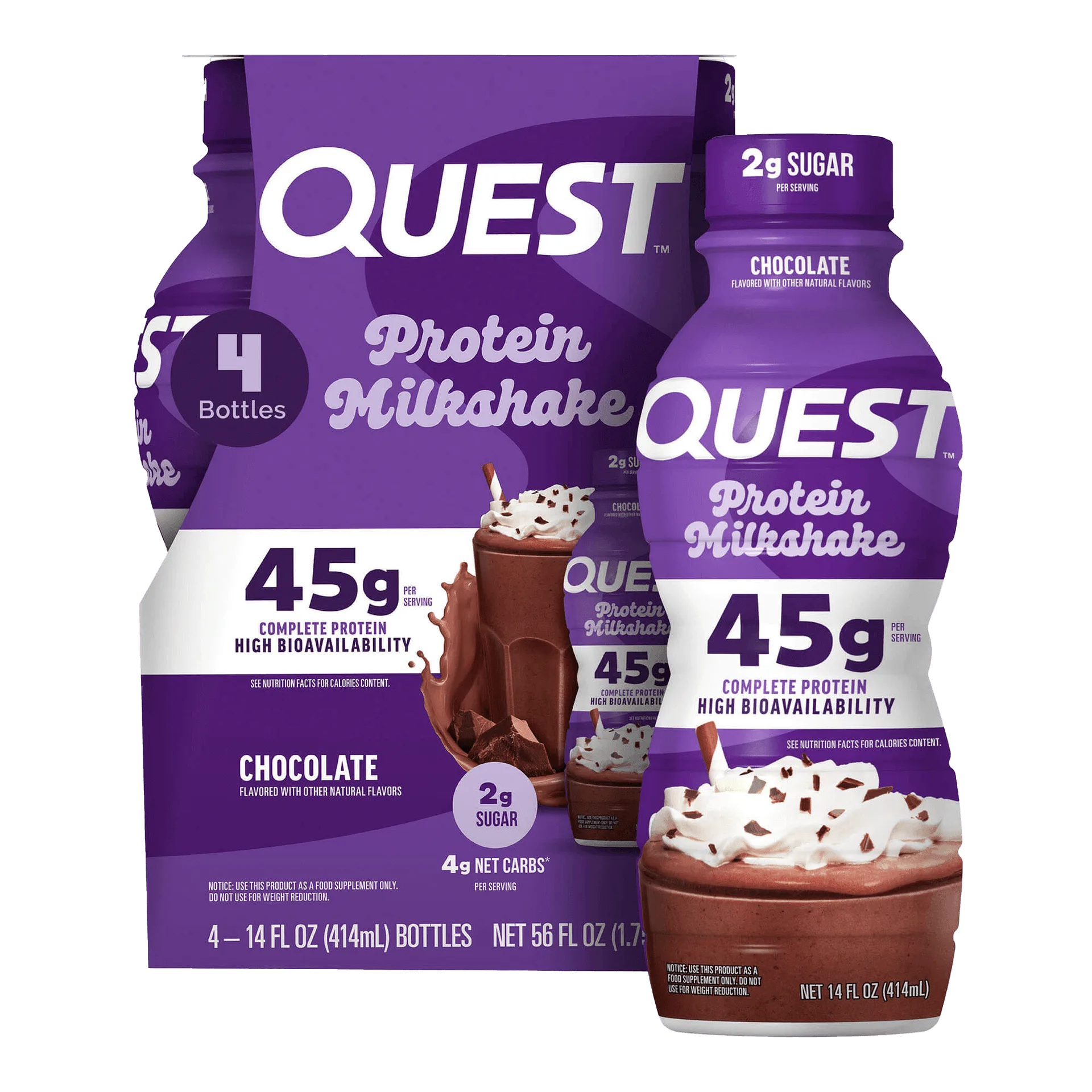
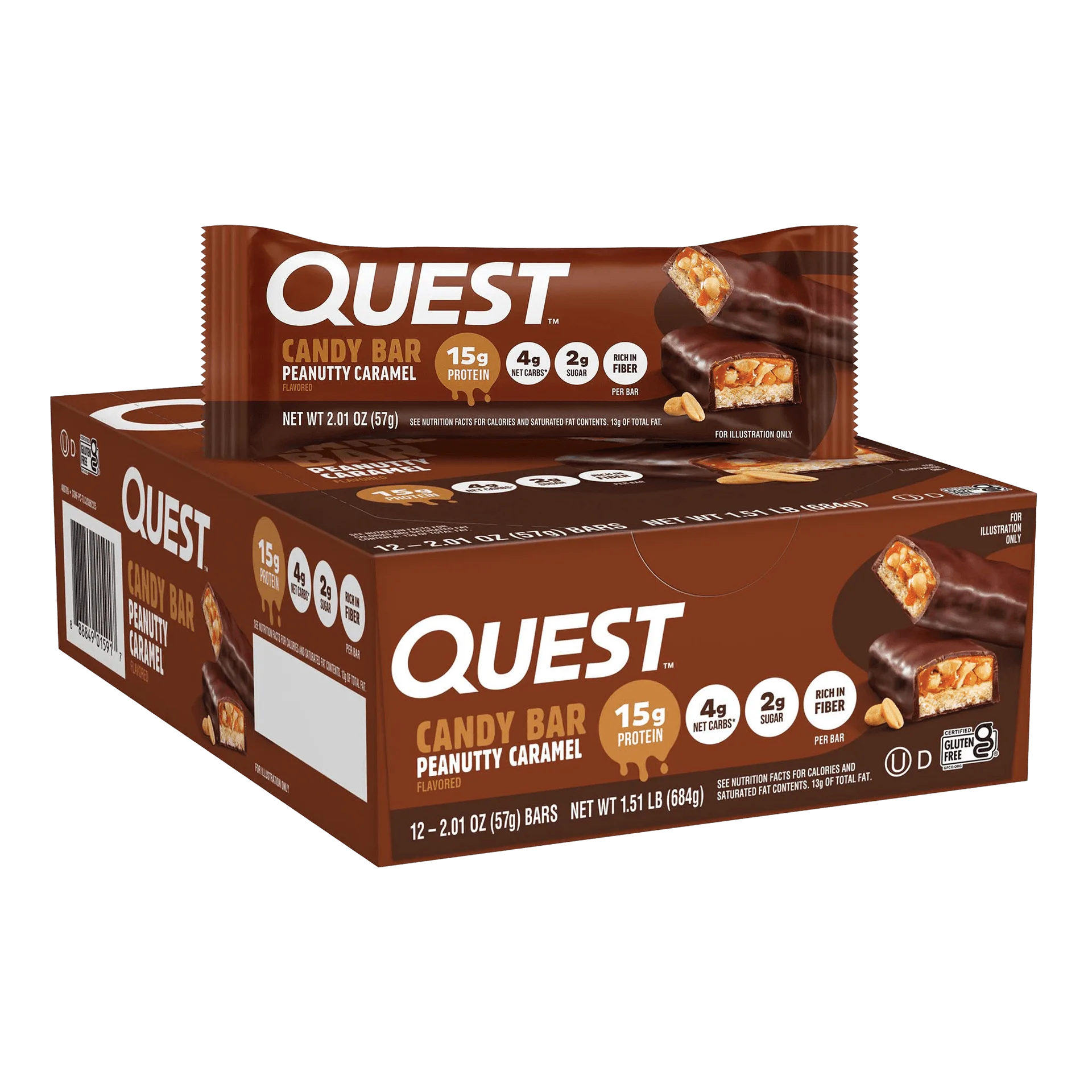
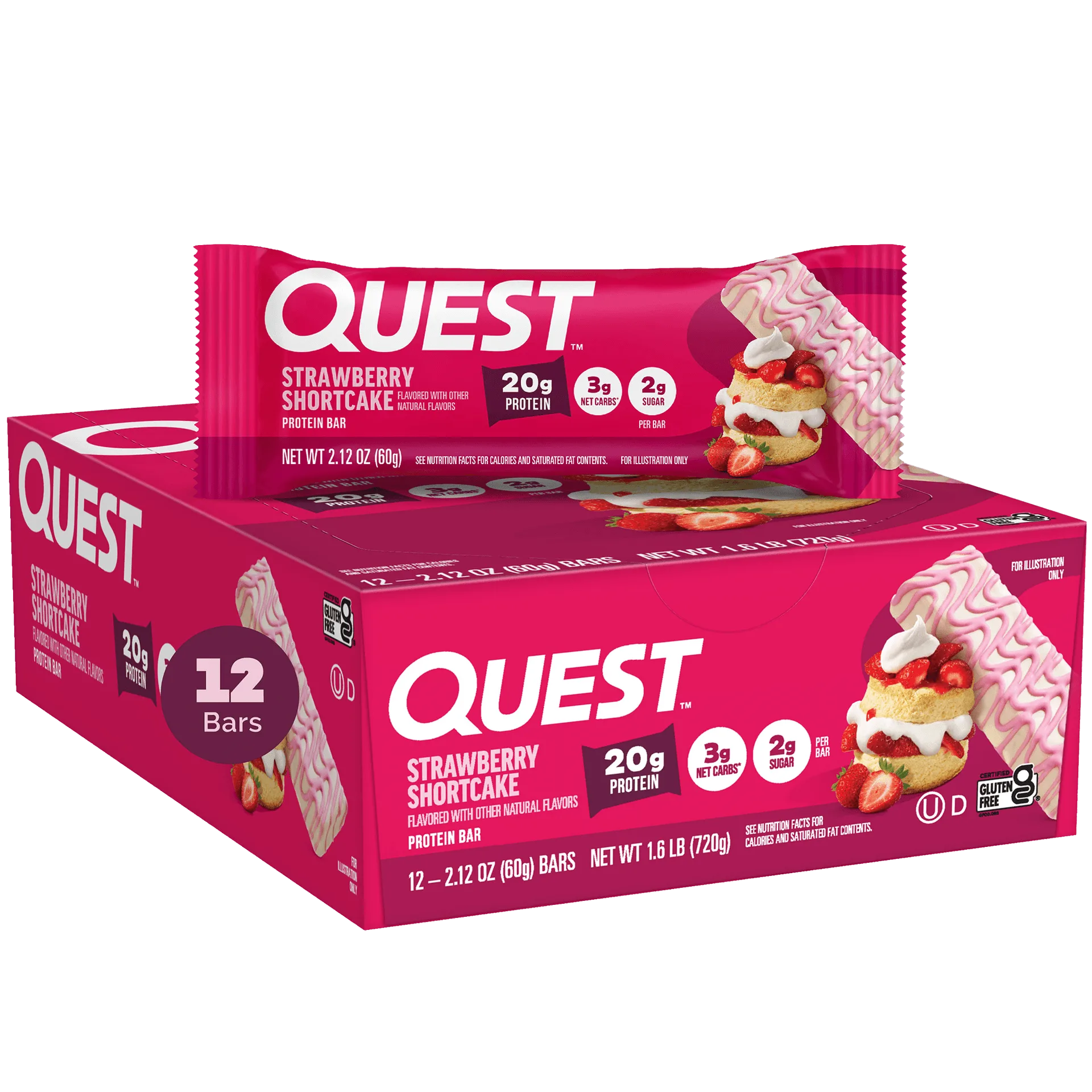
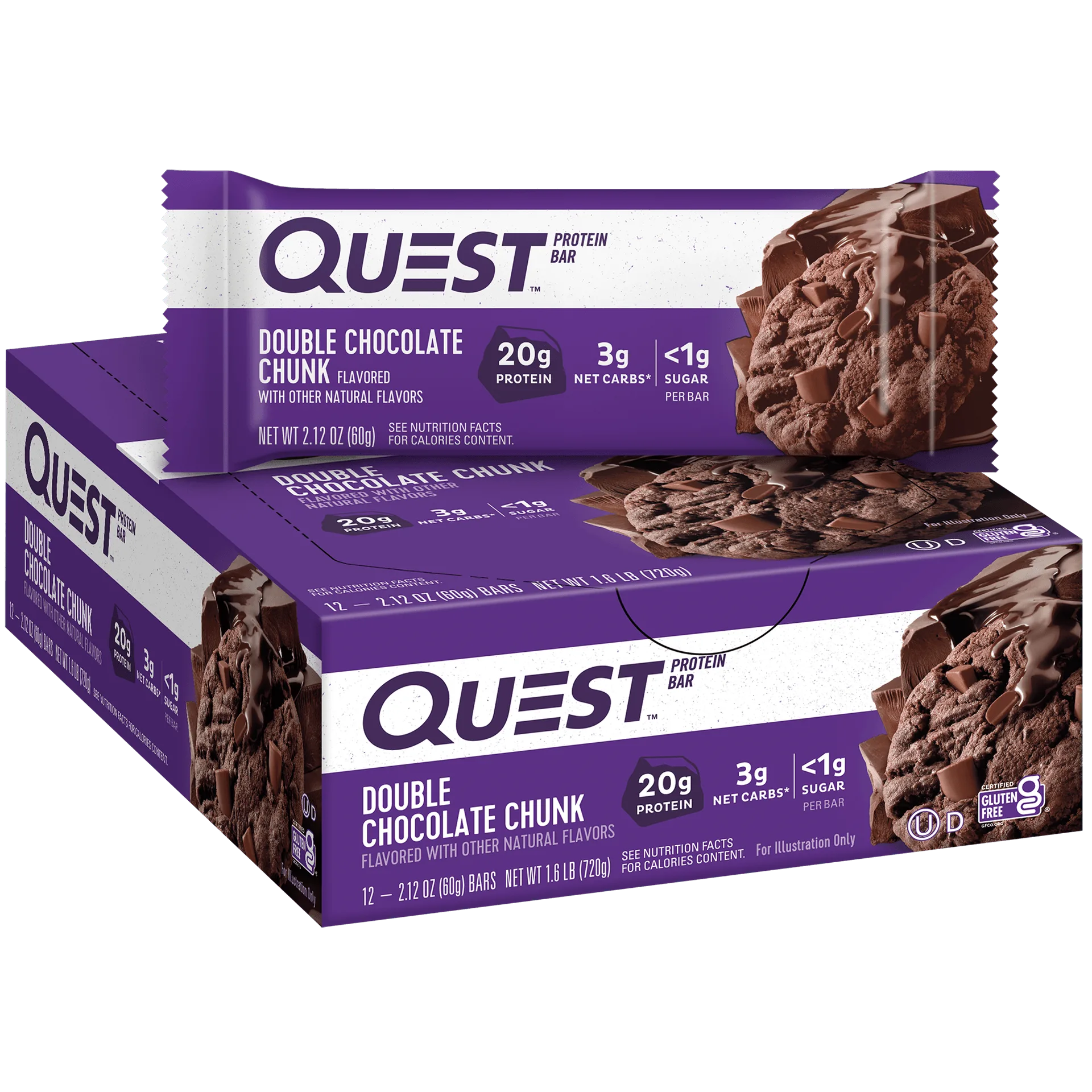
Protein candy is a relatively new innovation in the snack world. It combines the indulgent flavors and textures of traditional candy—chocolate, caramel, nougat, and more—with a significant protein boost. Unlike standard candy bars, which are primarily sugar and fat, protein candy uses ingredients like whey protein isolate, milk protein concentrate, and fiber to create a more balanced treat. Brands like Quest Nutrition have pioneered this space with products such as S'Mores Protein Bars, which deliver 20 grams of protein per bar while tasting like a campfire classic.
Traditional candy, on the other hand, is typically high in sugar and low in protein. A standard milk chocolate bar might contain 20-30 grams of sugar and only 2-3 grams of protein. Protein candy aims to flip that ratio, offering 15-20 grams of protein with 1-5 grams of sugar. This makes it an attractive option for those monitoring their blood sugar, following a high-protein diet, or simply trying to reduce their sugar intake without sacrificing flavor.
Nutritional Comparison: Protein Candy vs. Traditional Candy
To give you a clear picture, let’s compare the nutritional profiles of a typical protein candy bar and a traditional candy bar. We’ll use a representative protein bar from Quest and a popular milk chocolate bar as examples. Keep in mind that exact numbers vary by brand and flavor, but these averages illustrate the key differences.
- Protein: Protein candy (15-20g) vs. Traditional candy (1-3g) – Protein candy wins hands down.
- Sugar: Protein candy (1-5g) vs. Traditional candy (20-30g) – Protein candy has 80-90% less sugar.
- Calories: Protein candy (150-200 cal) vs. Traditional candy (200-250 cal) – Similar, but protein candy offers more satiety per calorie.
- Fiber: Protein candy (5-10g) vs. Traditional candy (0-1g) – Protein candy provides gut-friendly fiber.
- Fat: Protein candy (5-10g) vs. Traditional candy (10-15g) – Protein candy is often lower in unhealthy fats.
Why Protein Candy Satisfies Better
One of the biggest advantages of protein candy is its ability to keep you full longer. Traditional candy causes a rapid spike in blood sugar, followed by a crash that leaves you craving more sweets. Protein candy, with its high protein and fiber content, promotes a slower release of energy, stabilizing blood sugar and reducing cravings. This makes it an excellent choice for post-workout recovery or as a midday snack that won’t derail your diet.
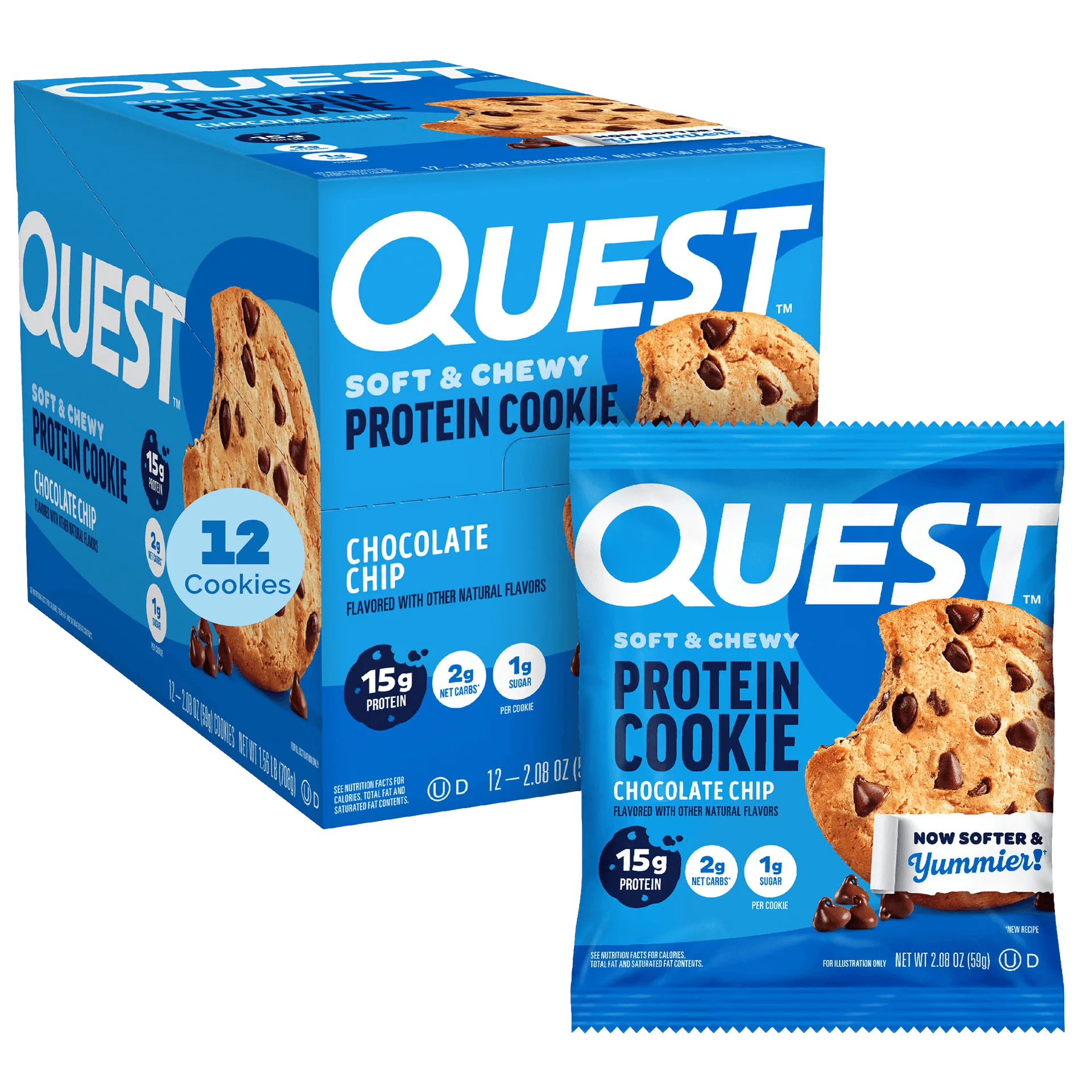
Products like https://questnutritionshop.com/products/chocolate-chip-protein-cookies-38320Chocolate Chip Protein Cookies offer a cookie-like experience with 15 grams of protein and only 2 grams of sugar. They satisfy the desire for something sweet and chewy without the guilt. Similarly, S'Mores Protein Bars mimic the nostalgic campfire treat but pack a nutritional punch that traditional candy simply can’t match.
Taste Test: Can Protein Candy Compete?
Taste is subjective, but protein candy has come a long way. Early protein bars were often chalky or had an artificial aftertaste. Today, brands like Quest use advanced manufacturing techniques and high-quality ingredients to create flavors that rival traditional candy. The S'Mores Protein Bar, for example, features real marshmallow pieces and a chocolate coating that tastes remarkably close to the real thing.
Traditional candy still holds an edge in pure sugar rush and melt-in-your-mouth texture, but protein candy is closing the gap. For health-conscious consumers, the slight trade-off in texture is well worth the nutritional benefits. If you’re transitioning from traditional candy, start with a flavor you already love, like chocolate chip cookie dough or peanut butter cup.
The Best Times to Choose Protein Candy Over Traditional Candy
Protein candy isn’t just a healthier alternative—it’s also more versatile. Here are a few scenarios where protein candy shines:
- Post-workout: Refuel muscles with 20g of protein from a S'Mores Protein Bar instead of empty sugar calories.
- Mid-afternoon slump: Skip the vending machine candy and grab a Chocolate Chip Protein Cookie for sustained energy.
- On-the-go breakfast: Pair a protein bar with coffee for a quick, balanced meal that traditional candy can’t provide.
- Late-night snack: Satisfy a sweet tooth without disrupting sleep—protein candy won’t cause a sugar spike before bed.
Are There Any Downsides to Protein Candy?
While protein candy is a healthier choice, it’s not perfect. Some protein bars contain sugar alcohols (like erythritol) that can cause digestive discomfort in sensitive individuals. Additionally, protein candy is often more expensive than traditional candy due to higher-quality ingredients. However, for most people, the benefits outweigh these minor drawbacks.
It’s also worth noting that protein candy is still a processed food. Whole food sources like nuts, seeds, and fruit should remain the foundation of a healthy diet. But as an occasional treat or a convenient protein source, protein candy is a far superior option to traditional candy.
Next time you reach for a sweet treat, consider making the swap from traditional candy to protein candy. Your body will thank you for the extra protein, lower sugar, and better satiety. Explore the delicious world of high-protein sweets and discover how satisfying a healthier indulgence can be.