The snack aisle is undergoing a dramatic transformation. For decades, it was dominated by high-carb, low-nutrient options—potato chips, cheese puffs, and pretzels that delivered crunch but little else. But in 2025, a new category is stealing the spotlight: protein chips. These savory, crunchy snacks pack a powerful nutritional punch, offering 15–20 grams of protein per serving without sacrificing taste. According to recent market reports, the global protein snack market is projected to exceed $7.5 billion by 2027, with protein chips representing the fastest-growing segment. In this trend analysis, we’ll explore the cultural, nutritional, and industry forces driving this shift, and highlight some standout products leading the charge.
The Consumer Shift: From Empty Calories to Functional Fuel
Consumers today are more health-conscious than ever. The pandemic-era focus on immunity and wellness has evolved into a sustained demand for convenient, nutrient-dense foods. Snacking is no longer just about indulgence; it’s about fueling the body between meals. A 2024 survey by the International Food Information Council found that 62% of consumers actively seek snacks with added protein, up from 48% in 2020. This shift is particularly pronounced among Millennials and Gen Z, who prioritize functional benefits like satiety, muscle recovery, and sustained energy.
Protein chips fit this need perfectly. They deliver the familiar crunch and savory flavors of traditional chips—think nacho cheese, barbecue, or sea salt—but with a macronutrient profile that supports an active lifestyle. Unlike sugary protein bars that can feel like dessert, protein chips satisfy cravings for something salty and crispy, making them a versatile option for lunchboxes, office desks, or post-workout recovery.
Savory Protein Snacks: The Underserved Market
For years, the protein snack aisle was overwhelmingly sweet. Bars, shakes, and powders dominated, with flavors like chocolate, peanut butter, and vanilla. While these remain popular, there’s been a growing demand for savory options. Enter protein chips. They bridge a gap that other categories—like protein bars or shakes—often can’t: the craving for something salty, crunchy, and satisfying without the sugar crash.
One standout in the savory protein chip space is the Nacho Cheese Tortilla Style Protein Chips. These chips deliver bold, cheesy flavor with 20 grams of protein per bag, making them an ideal alternative to traditional tortilla chips. Whether paired with salsa for a movie night or eaten straight from the bag as a midday snack, they prove that high-protein doesn’t have to mean bland or boring.
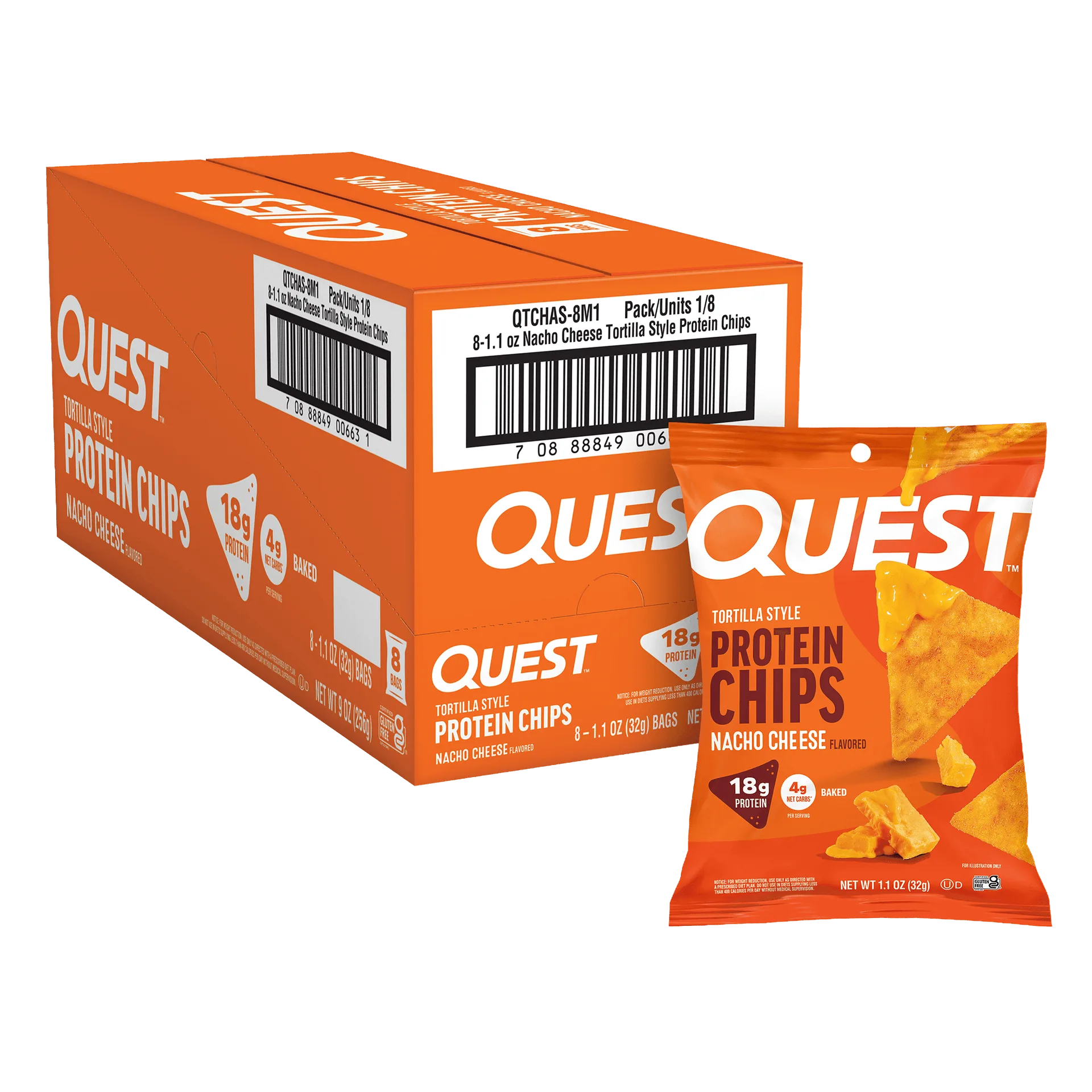
Nacho Cheese Tortilla Style Protein Chips
Comparing Protein Chips to Other Snack Categories
To understand why protein chips are gaining traction, it helps to compare them to other popular protein snack formats. Here’s a quick breakdown:
Snack Category
Typical Protein Content
Texture / Flavor Profile
Best Use Case
Protein Chips
15–20g per serving
Crunchy, savory, salty
On-the-go, work snacks, post-workout
Protein Bars
12–20g per bar
Chewy or crunchy, often sweet
Meal replacement, hiking, gym bag
Protein Shakes
20–30g per serving
Liquid, creamy, sweet
Post-workout, breakfast, recovery
Traditional Potato Chips
1–2g per serving
Crunchy, salty, fatty
Indulgence, parties, mindless snacking
As the table shows, protein chips offer a unique combination: the satisfying texture of traditional chips with a protein content that rivals bars and shakes. This versatility is a major driver of their popularity.
Industry Trends: Why 2025 Is the Year of Protein Chips
Several macro-trends are converging to make 2025 a breakout year for protein chips. First, the rise of “better-for-you” snacking has expanded beyond organic and gluten-free to include high-protein, low-sugar options. Second, the ongoing popularity of high-protein diets—from keto to paleo to weight management—has normalized the idea of eating protein-rich snacks throughout the day. Third, innovations in food technology have allowed manufacturers to create chips that taste like the real thing, using plant-based proteins like pea, soy, and rice, as well as whey and casein.
Retailers are taking notice. Major grocery chains are dedicating more shelf space to protein chips, and online platforms like Behave are seeing explosive demand. The snack industry is also benefiting from the broader functional foods movement, where every product is expected to deliver health benefits beyond basic nutrition.
Innovative Products Leading the Charge
While protein chips are the focus, it’s worth noting that other protein snack categories are also evolving to meet consumer demands. For instance, the Chocolate Brownie Protein Bars remain a classic choice for those who prefer a sweet, dessert-like option. With 16 grams of protein and a rich, fudgy texture, they’re perfect for curbing chocolate cravings in a healthier way. Similarly, the Peanut Butter Cake Frosted Cookies Twin Pack combine the indulgence of a cookie with a protein boost, offering a soft-baked experience that feels like a treat but supports fitness goals. These products, alongside chips, show that the protein snack market is diversifying to cover every taste preference.
The Nutritional Edge: What Makes Protein Chips Different?
Protein chips stand out not just for their protein content, but for their overall nutritional profile. Most brands use air-frying or baking instead of deep-frying, reducing fat and calories. They also incorporate fiber, which aids digestion and prolongs satiety. For example, a serving of Nacho Cheese Tortilla Style Protein Chips contains only 4 grams of sugar and 6 grams of fiber, making it a smart choice for anyone monitoring their intake.
Additionally, protein chips are often fortified with vitamins and minerals, such as iron and calcium, which are typically lacking in standard snack foods. This functional edge aligns perfectly with the trend toward “food as medicine,” where consumers expect snacks to contribute positively to their health.
Challenges and Future Outlook
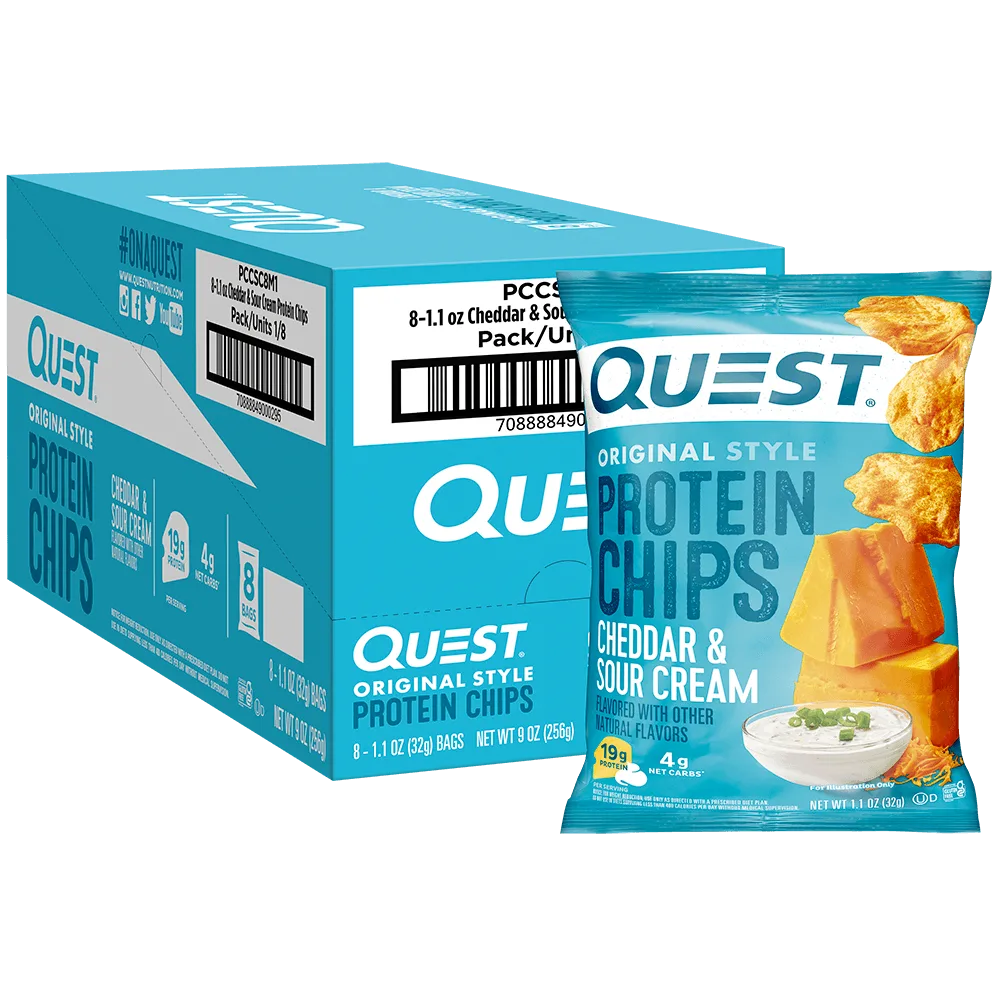
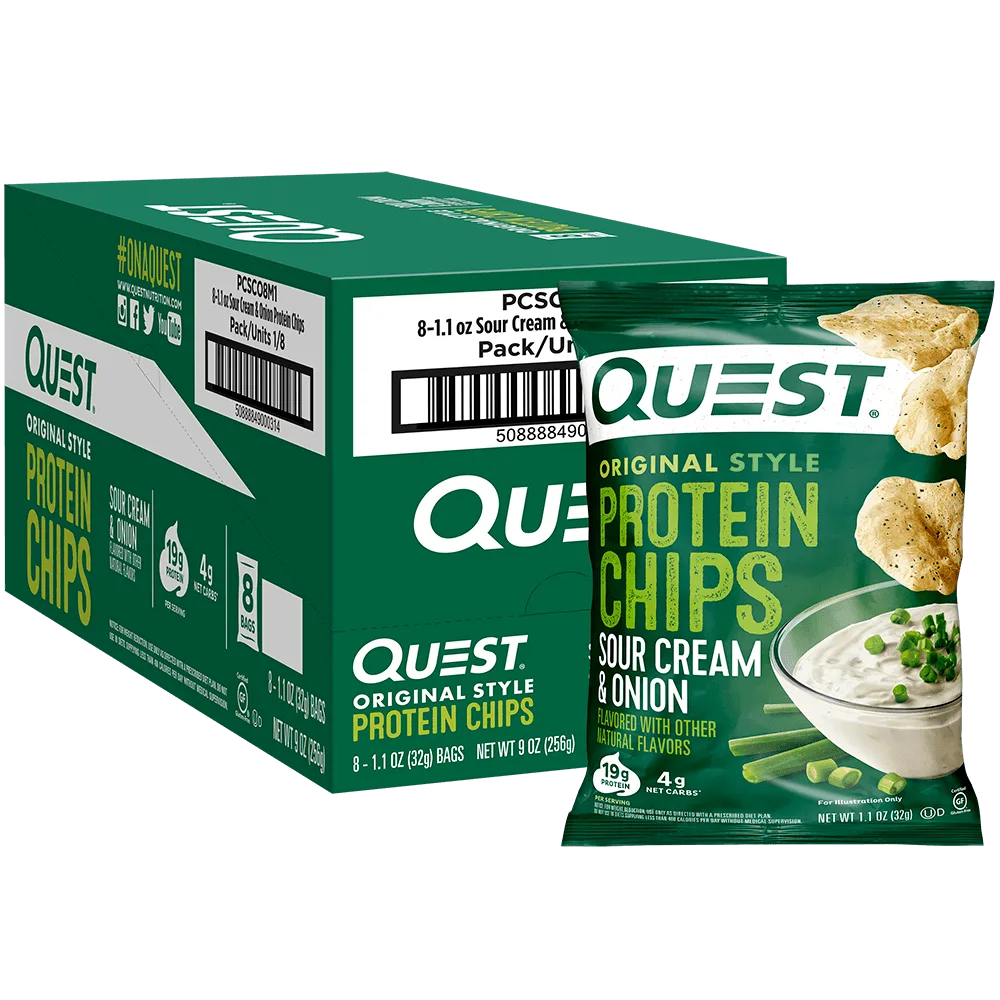
Despite their rapid growth, protein chips face a few hurdles. Price remains a barrier for some consumers—protein chips are generally more expensive than traditional chips due to the cost of protein isolates and specialized manufacturing. Texture can also be a point of contention; early iterations of protein chips were often described as dry or chalky, though newer formulations have largely overcome this. Finally, taste fatigue can set in if flavor options are limited. However, brands are responding with creative flavors like buffalo ranch, sour cream and onion, and even dessert-inspired savory-sweet hybrids.
Looking ahead, the protein chip category is poised for continued expansion. Analysts predict that by 2026, protein chips will account for 15–20% of the total savory snack market in the United States. Innovations in fermentation and precision fermentation could also lead to even better textures and flavors, further closing the gap with traditional chips.
Conclusion: Crunch Your Way to Better Snacking
Protein chips are more than a passing fad; they represent a fundamental shift in how we think about snacks. As consumers demand more from their food—more nutrition, more convenience, more flavor—products like these are filling a critical void. Whether you’re a fitness enthusiast, a busy professional, or just someone looking to upgrade your snack game, protein chips offer a delicious and functional solution.
Ready to taste the trend for yourself? Check out the Nacho Cheese Tortilla Style Protein Chips on Behave and experience the perfect blend of crunch and protein. Your snack drawer will thank you.