Snack time can be a nutritional minefield. You’re craving something crunchy, salty, and satisfying — but you also want to stay on track with your health and fitness goals. Enter the great debate: protein chips vs potato chips. Both offer that craveable crunch, but their nutritional profiles are worlds apart.
In this healthy snack comparison, we’ll break down the key differences between traditional potato chips and modern high-protein alternatives. You’ll learn exactly how they stack up in calories, protein, fat, and carbs — and why swapping your regular chips for a protein-packed option might be one of the easiest upgrades you can make.
Why Compare Protein Chips and Potato Chips?
Potato chips have been the go-to crunchy snack for decades. They’re convenient, delicious, and widely available. But they’re also notoriously low in protein and high in refined carbs and unhealthy fats. On the other hand, protein chips have surged in popularity as a functional snack — designed to deliver more satiety, muscle support, and balanced nutrition in every bite.
Whether you’re an athlete, a busy professional, or just someone trying to eat better, understanding this nutritional comparison helps you make an informed choice. Let’s dig into the data.
Nutritional Breakdown: Protein Chips vs. Potato Chips
To make the comparison clear, we’ve built a side-by-side table using average values for a standard 1-ounce (28g) serving. Note that actual numbers vary by brand and flavor.
Nutrient
Regular Potato Chips (approx.)
Protein Chips (e.g., Quest Nutrition)
Calories
150–160
120–140
Total Fat
10–11g
3.5–5g
Saturated Fat
2–3g
0.5–1.5g
Carbohydrates
15–18g
4–6g
Fiber
1–2g
1–3g
Protein
2g
18–21g
Sugar
0–1g
0–1g
As the table shows, the biggest difference is protein content. A single serving of protein chips delivers roughly 10 times more protein than standard potato chips, while also cutting fat and carbs significantly. This makes them a superior choice for anyone prioritizing high-protein chips in their diet.
Ingredient Quality: What’s Inside Each Bag?
Traditional Potato Chips
Most potato chips are made from potatoes, vegetable oil (often sunflower, corn, or canola), and salt. Many brands also add artificial flavors, preservatives, and added sugars. The frying process creates acrylamide, a compound some studies link to health risks when consumed in high amounts.
Quest Protein Chips
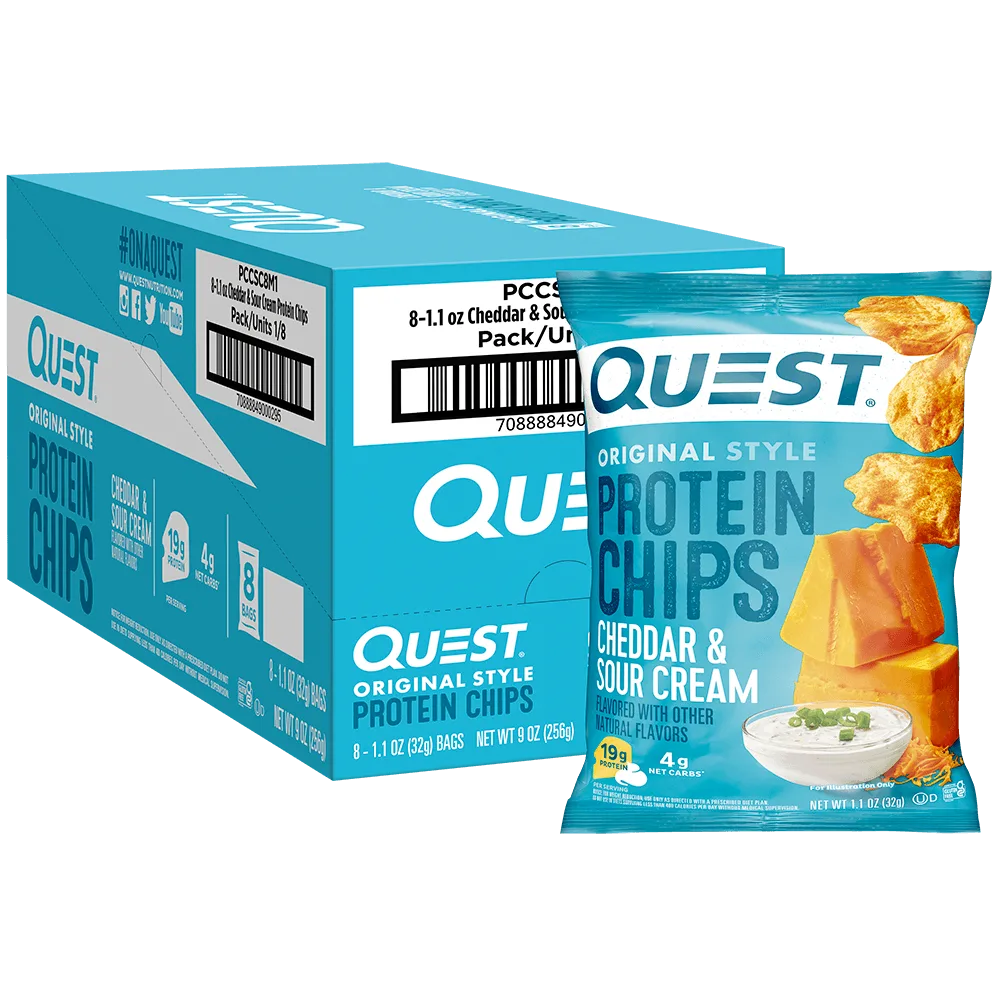
Quest Nutrition’s protein chips are crafted from a proprietary blend of protein isolates (whey and casein), high-oleic sunflower oil, and tapioca fiber. They’re baked, not fried, and contain no artificial colors or preservatives. The result is a clean, low-carb, high-protein snack that fits keto, low-carb, and high-protein lifestyles. For example, the BBQ Original Style Protein Chips offer 18g of protein per bag with just 4g net carbs — a stark contrast to the 15g+ carbs in a typical BBQ potato chip.
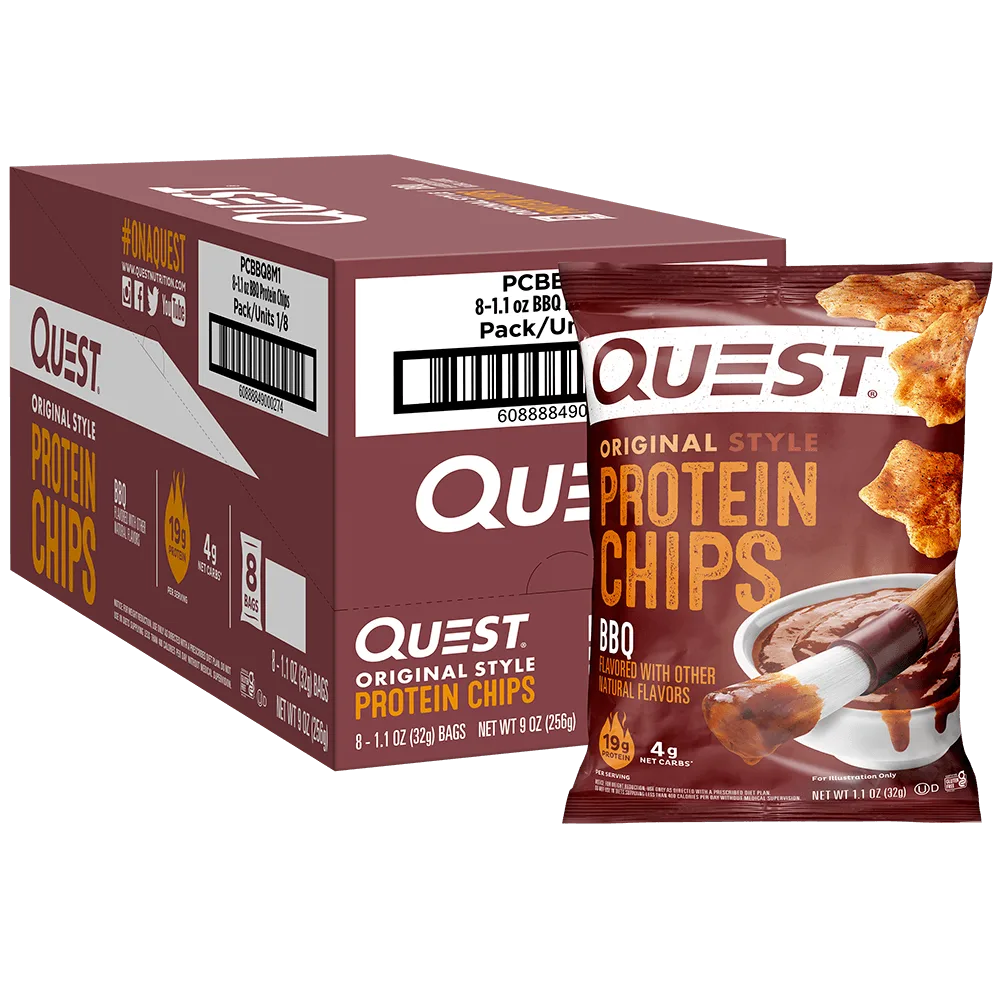
BBQ Original Style Protein Chips
Satiety and Fullness: Which Keeps You Fuller Longer?
Protein is the most satiating macronutrient. Studies show that high-protein snacks reduce hunger and subsequent calorie intake more effectively than high-carb or high-fat options. Because protein chips pack a powerful protein punch, they help curb cravings for hours. That means you’re less likely to reach for a second bag — or a third — compared to potato chips, which are notoriously easy to overeat.
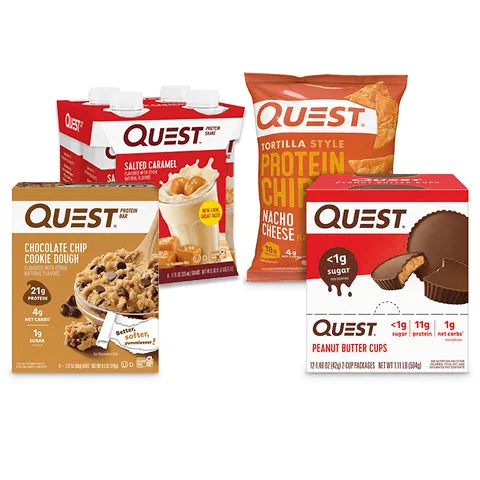
For an even more satisfying crunch, try the Variety Pack Tortilla Style Protein Chips. These come in multiple bold flavors and deliver the same 18g of protein per serving, making them perfect for meal prep, lunchboxes, or post-workout refueling.
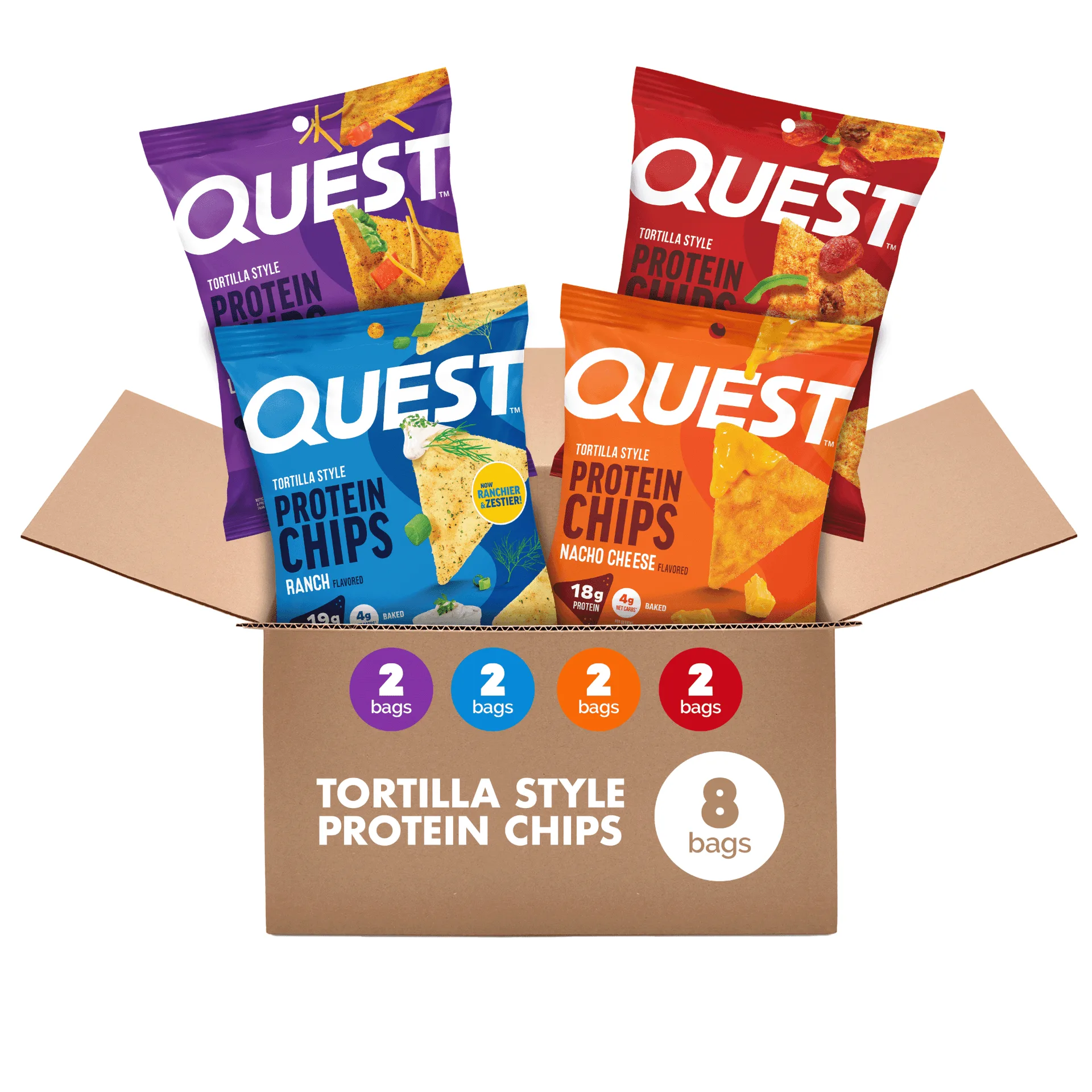
Variety Pack Tortilla Style Protein Chips
Impact on Fitness and Weight Management Goals
If you’re working toward weight loss, muscle gain, or improved body composition, every snack choice matters. Potato chips are essentially empty calories — they provide energy but little nutritional value. Protein chips, by contrast, actively support muscle repair and growth thanks to their high-quality protein content. Consuming 20–30g of protein per snack can help maintain lean mass and boost metabolism.
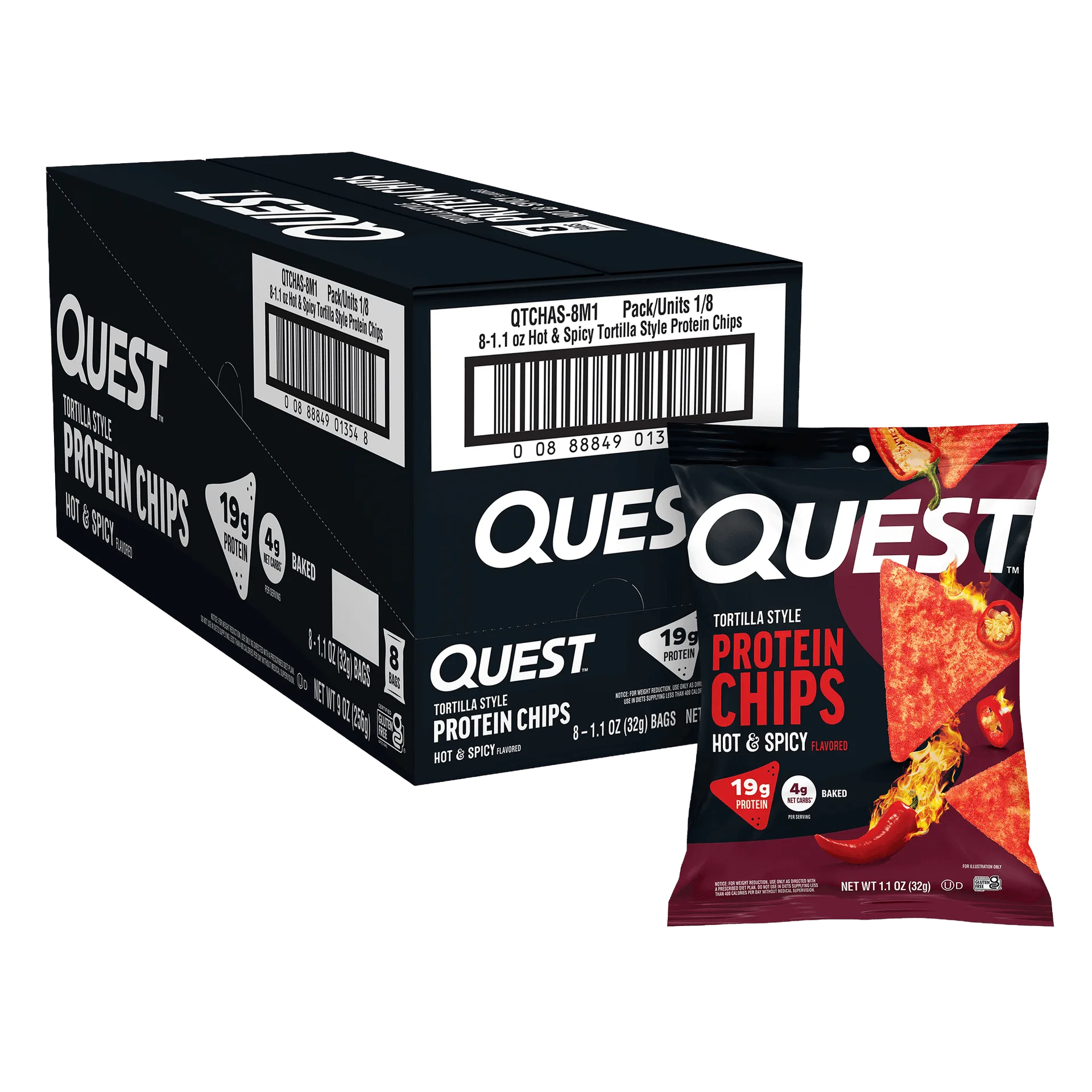
For athletes and active individuals, protein chips are an excellent post-workout or midday snack that doesn’t derail progress. The Spicy Protein Chips Variety Pack offers a kick of heat along with 18g of protein per bag — a tasty way to hit your daily protein targets without sacrificing flavor.
Flavor and Texture: Do Protein Chips Deliver?
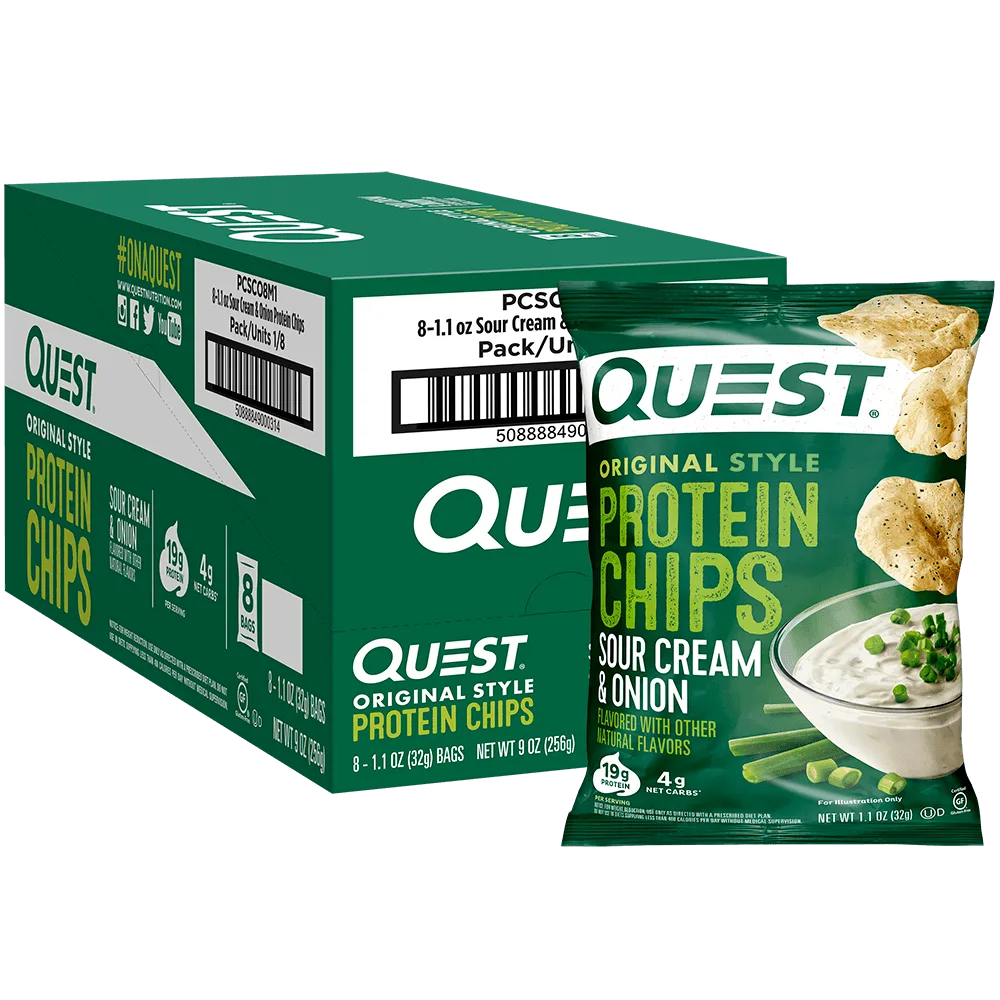
Let’s be honest — if a snack doesn’t taste good, you won’t stick with it. Early protein chips had a reputation for being dry or chalky, but the category has evolved dramatically. Today’s top brands, including Quest, have perfected the crunch. They offer bold flavors like BBQ, Nacho Cheese, Sour Cream & Onion, and Spicy varieties, all with a satisfying, crispy texture that rivals traditional chips.
Many consumers report that once they switch to protein chips, they no longer crave regular potato chips. The combination of protein-induced satiety and great taste makes it a sustainable swap.
Cost and Accessibility
Potato chips are cheap — often $3–4 for a large bag. Protein chips are more expensive per ounce, typically $2–3 per single-serving bag, or about $1.50–2 per bag when bought in bulk or variety packs. However, consider the cost per gram of protein: protein chips deliver protein at about 10–15 cents per gram, while potato chips offer almost none for the same price. For health-conscious snackers, protein chips offer far better nutritional value for the money.
Who Should Choose Protein Chips Over Potato Chips?
Protein chips are ideal for:
- People following low-carb, keto, or high-protein diets
- Fitness enthusiasts needing convenient post-workout protein
- Anyone trying to reduce calorie intake while staying full
- Parents looking for healthier snack options for kids
- Individuals managing blood sugar levels (due to low net carbs)
Potato chips might still have a place at parties or as an occasional treat, but for daily snacking, protein chips clearly win on nutrition.
Conclusion: Make the Smart Swap
When comparing protein chips vs potato chips, the evidence is clear: protein chips offer superior nutrition, more satiety, and better support for your health and fitness goals. They deliver 10x the protein, far fewer carbs, and cleaner ingredients — all while satisfying that crunchy snack craving.
Ready to upgrade your snack game? Explore the BBQ Original Style Protein Chips or the Variety Pack Tortilla Style Protein Chips at Quest Nutrition and discover how delicious healthy snacking can be.