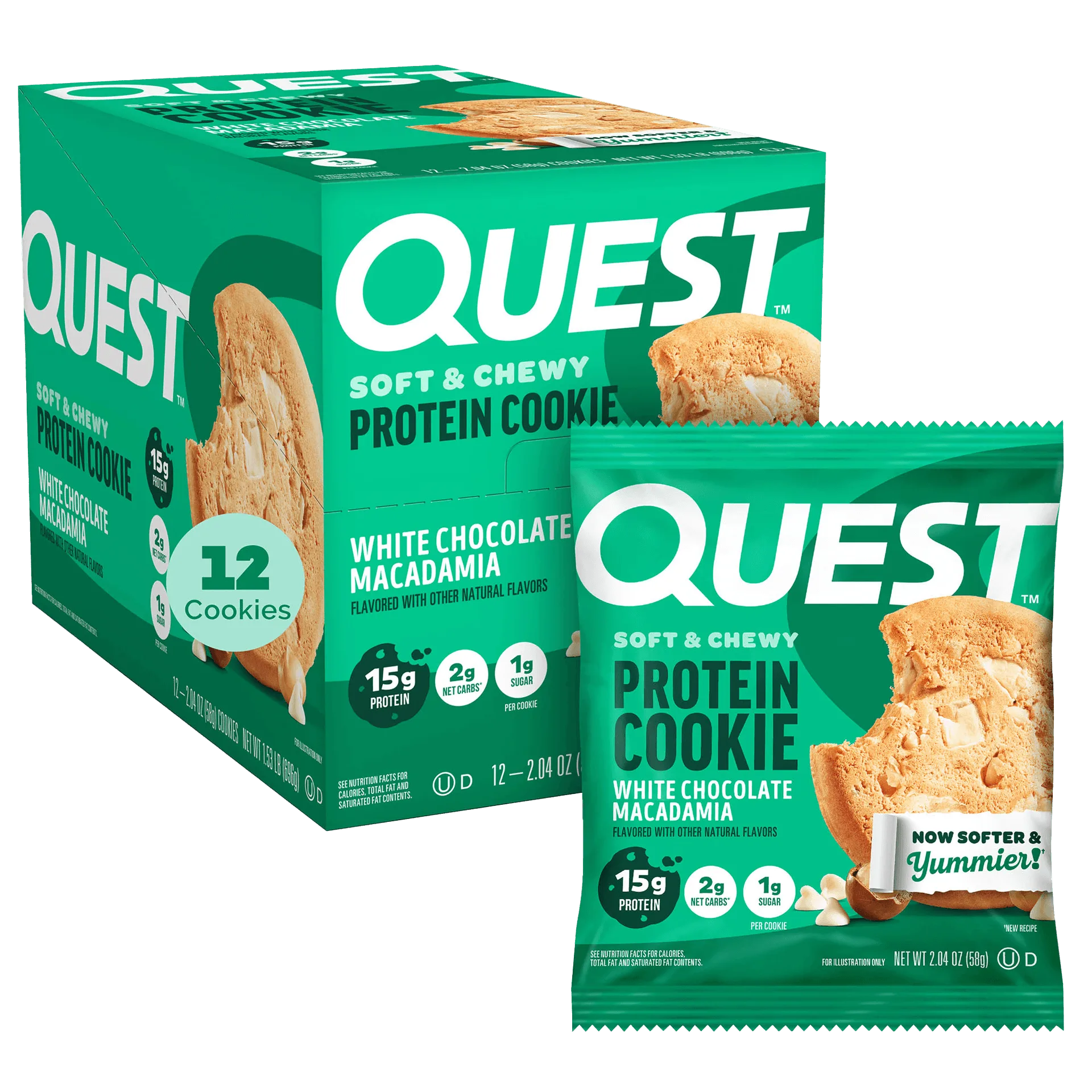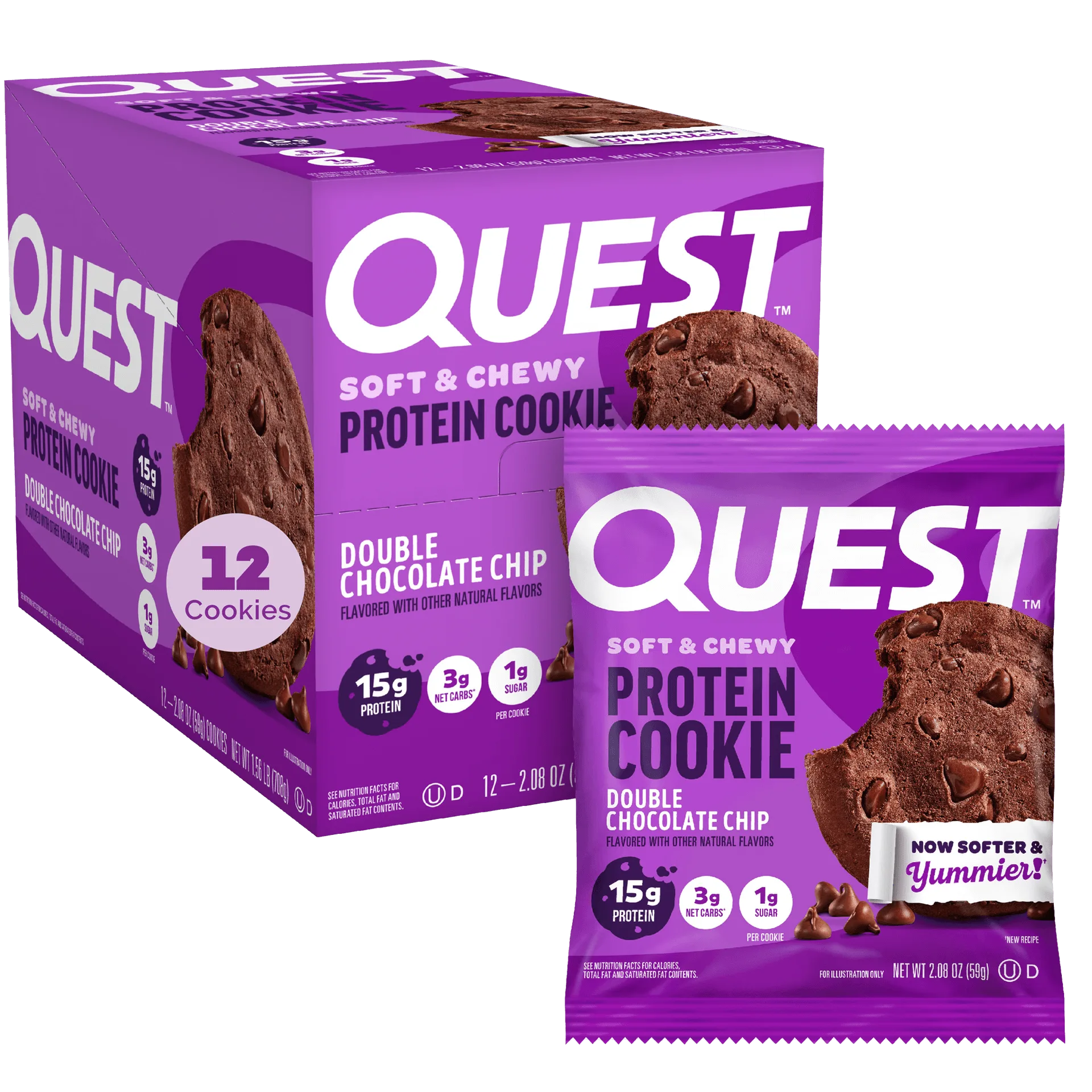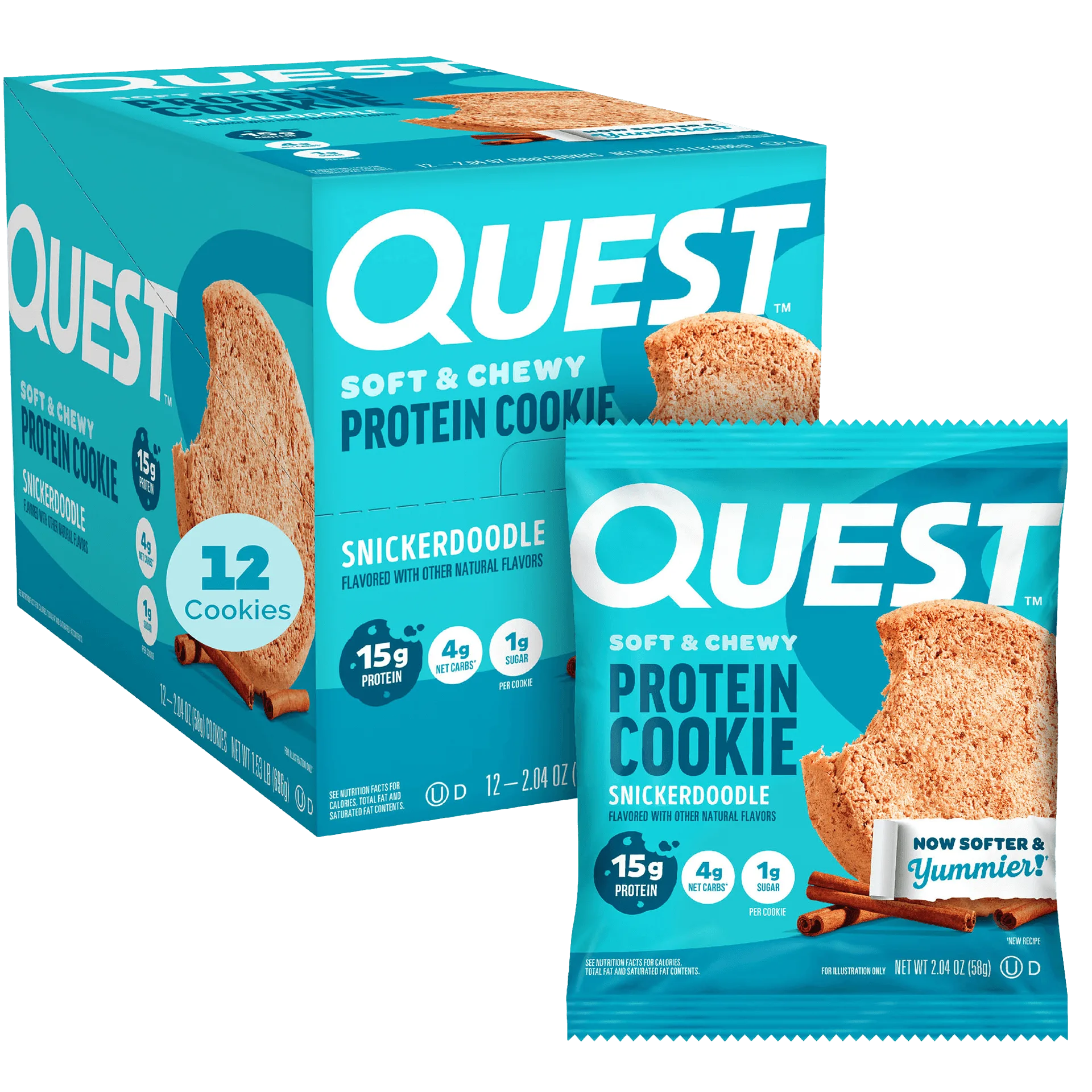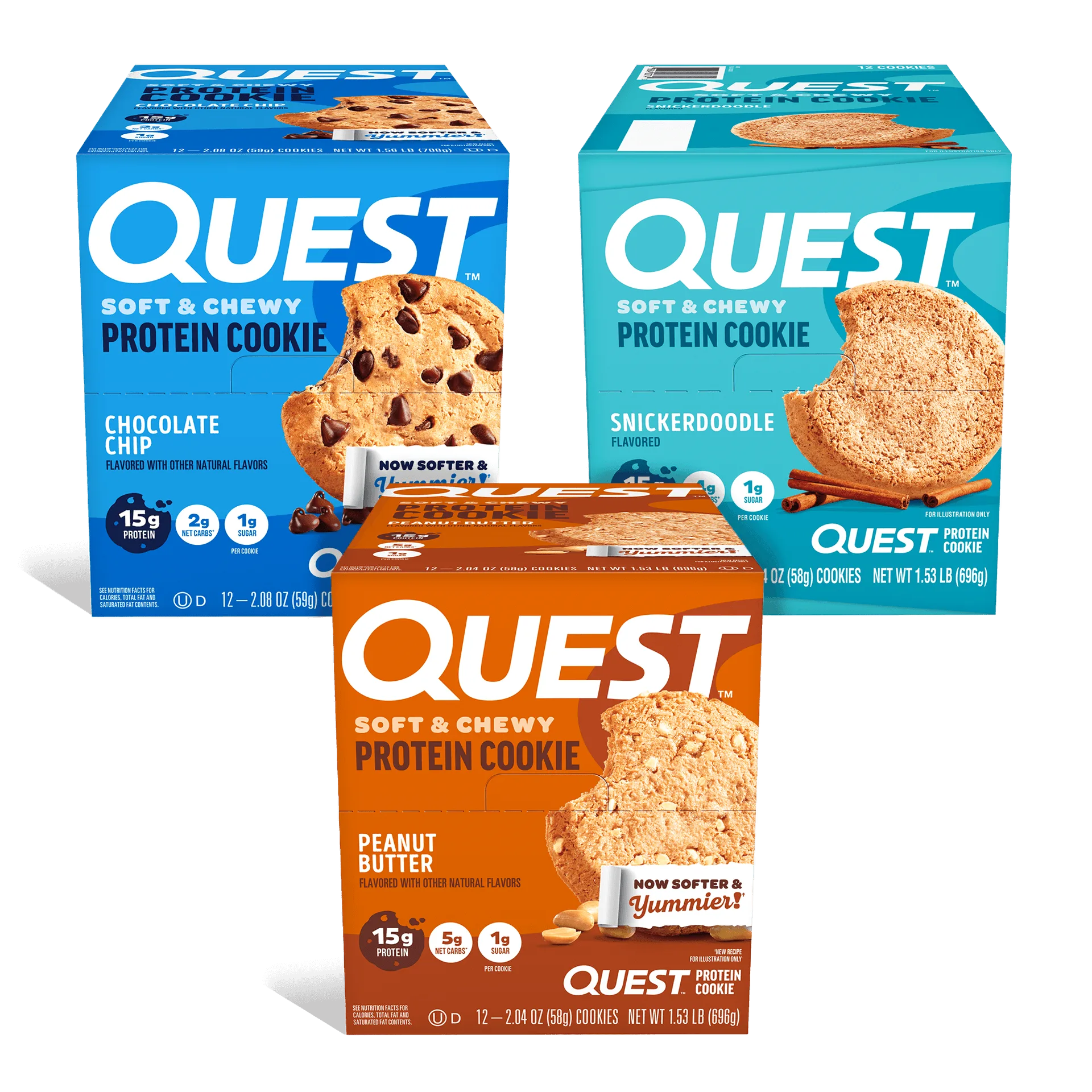
For dessert lovers, few things hit the spot like a warm, chewy cookie. But traditional cookies are often packed with refined sugar, unhealthy fats, and minimal nutrients—leaving you with a sugar crash and cravings for more. Enter protein cookies: a modern twist that promises to satisfy your sweet tooth while supporting your fitness and health goals. But how do they really stack up against the classic versions? In this nutritional breakdown, we'll compare protein cookies vs regular cookies across calories, sugar, protein, fiber, and overall health impact.
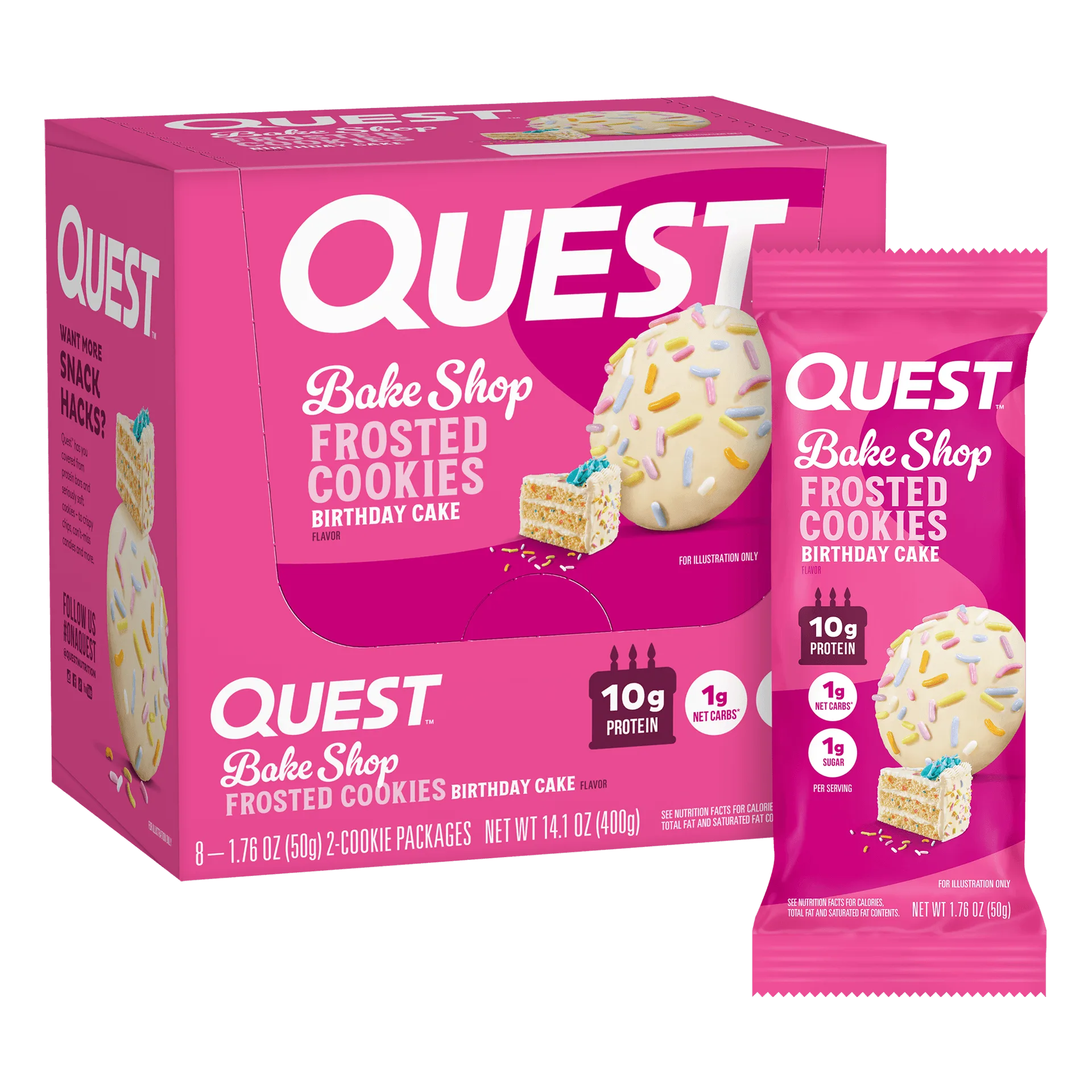
Whether you're tracking macros, trying to lose weight, or simply looking for a smarter dessert option, understanding the differences can help you make informed choices. We'll also highlight some of the best high-protein cookie options available, including the https://questnutritionshop.com/products/frosted-cookies-birthday-cake-twin-pack-38331Frosted Cookies Birthday Cake Twin Pack, which offers a deliciously indulgent taste with a fraction of the sugar.
Calorie Comparison: Are Protein Cookies Lower in Calories?
When comparing protein cookies vs regular cookies, calories are often the first metric people check. A typical store-bought chocolate chip cookie (about 30–40 grams) contains roughly 150–200 calories, with most of those coming from refined flour and sugar. In contrast, a high-protein cookie of similar size usually falls in the 180–220 calorie range—slightly higher on average. But here's the catch: protein cookies are far more satiating, meaning you're likely to eat fewer of them and feel fuller longer.
The calorie density of protein cookies comes from ingredients like whey or plant protein isolates, healthy fats (e.g., almond butter, coconut oil), and fiber-rich sweeteners like erythritol or stevia. While regular cookies rely on empty calories, protein cookies pack more nutrition per bite. So even if the calorie count is similar, the metabolic impact is very different—making protein cookies a smarter choice for weight management.
- Tip: Always check the serving size—some protein cookies are larger and may have more calories per cookie than regular ones.
Sugar Content: The Biggest Difference
Sugar is where regular cookies fall short. A single regular cookie can contain 10–15 grams of added sugar, often from high-fructose corn syrup or white sugar. Over a few cookies, that adds up quickly—contributing to blood sugar spikes, energy crashes, and long-term health risks. Protein cookies, on the other hand, typically use sugar alcohols (like erythritol) or natural sweeteners (like monk fruit) to achieve sweetness with minimal impact on blood glucose.
For example, the Frosted Cookies Birthday Cake Twin Pack delivers a sweet, celebratory flavor with only 2 grams of sugar per serving—compared to 12–15 grams in a similar-sized regular frosted cookie. This dramatic reduction makes protein cookies a game-changer for anyone managing diabetes, insulin resistance, or simply trying to cut back on added sugars without sacrificing taste.
- Look for cookies sweetened with allulose, erythritol, or stevia—these have minimal effect on blood sugar.
Protein and Fiber: Where Protein Cookies Shine
The most obvious advantage of protein cookies is their protein content. While a regular cookie offers 1–2 grams of protein (mostly from flour and eggs), a high-protein cookie typically delivers 12–20 grams per serving. This protein boost supports muscle repair, satiety, and metabolic health. For athletes, busy professionals, or anyone looking to increase their daily protein intake, swapping a regular cookie for a protein cookie is an easy win.
Fiber is another area where protein cookies excel. Many protein cookies incorporate soluble corn fiber, chicory root fiber, or oat fiber to improve texture and digestive health. Regular cookies often contain zero grams of fiber. The Frosted Cookies Birthday Cake Twin Pack, for instance, provides 9 grams of fiber per serving—helping you feel full and supporting gut health. Combine that with 20 grams of protein, and you have a dessert that actually contributes to your daily nutrition goals.
- Pair your protein cookie with a glass of milk or a protein shake for an even more balanced snack.
Ingredients and Additives: What's Inside Matters
Beyond macros, the ingredient list tells a deeper story. Regular cookies often contain bleached flour, hydrogenated oils, artificial flavors, and preservatives. These ingredients are linked to inflammation and poor metabolic health. Protein cookies, especially those from reputable brands like Quest, prioritize clean ingredients: whey protein isolate, almond flour, natural flavors, and non-GMO sweeteners.
That said, not all protein cookies are created equal. Some may contain sugar alcohols that cause digestive discomfort in sensitive individuals. It's important to read labels and choose products with transparent ingredient lists. The Frosted Cookies Birthday Cake Twin Pack, for example, uses a blend of soluble corn fiber and erythritol, which are well-tolerated by most people and provide a satisfying sweetness without the side effects.
- Avoid cookies with maltitol or high amounts of sugar alcohols—they can cause bloating and gas.
Taste and Texture: Can Protein Cookies Compete?
Taste is subjective, but modern protein cookies have come a long way. Early versions were dry, chalky, and dense. Today's high-protein cookies are soft, chewy, and available in indulgent flavors like birthday cake, chocolate chip, and peanut butter. The Frosted Cookies Birthday Cake Twin Pack is a prime example—it features a soft cookie base topped with a creamy frosting, mimicking the experience of a traditional frosted cookie without the sugar overload.
Regular cookies still win on pure melt-in-your-mouth buttery richness, but protein cookies offer a unique advantage: they satisfy cravings while aligning with health goals. Many people find that after a few days of eating protein cookies, regular cookies taste overwhelmingly sweet and leave them feeling sluggish. If you're transitioning to a healthier lifestyle, protein cookies can be a bridge that keeps dessert enjoyable.
- Try warming your protein cookie in the microwave for 10–15 seconds—it enhances the texture and flavor.
Choosing between protein cookies and regular cookies doesn't have to be an all-or-nothing decision. For everyday snacking, post-workout treats, or late-night cravings, high-protein cookies offer a smarter nutritional profile with more protein, more fiber, and far less sugar. If you're ready to upgrade your dessert game, the Frosted Cookies Birthday Cake Twin Pack is a delicious place to start—giving you the taste you love with the macros you need.