Meal replacement has become a go-to strategy for busy professionals, fitness enthusiasts, and anyone looking to stay on track with their nutrition goals. Whether you're rushing between meetings, squeezing in a workout, or simply want a convenient option that won't derail your diet, the choice often comes down to two popular forms: protein shakes and protein bars. Both offer a quick source of high-quality protein, but they differ significantly in texture, portability, satiety, and how they fit into a balanced meal replacement plan.
In this article, we'll break down the pros and cons of protein shakes versus protein bars for meal replacement. We'll compare factors like nutritional profile, convenience, fullness factor, and cost, so you can decide which option works best for your daily routine. By the end, you'll have a clear understanding of when to reach for a shake and when a bar might be the smarter choice.
Nutritional Profile: Shakes vs. Bars for Complete Meal Replacement
A true meal replacement should provide a balanced mix of protein, carbohydrates, healthy fats, fiber, and essential vitamins and minerals. Protein shakes, especially those made from whey or plant-based protein powder, typically deliver 20-30 grams of protein per serving with minimal carbs and fat unless you add extras. Many shakes are fortified with micronutrients like calcium, vitamin D, and B vitamins, making them a solid foundation for a meal replacement when blended with fruits, greens, or healthy oils.
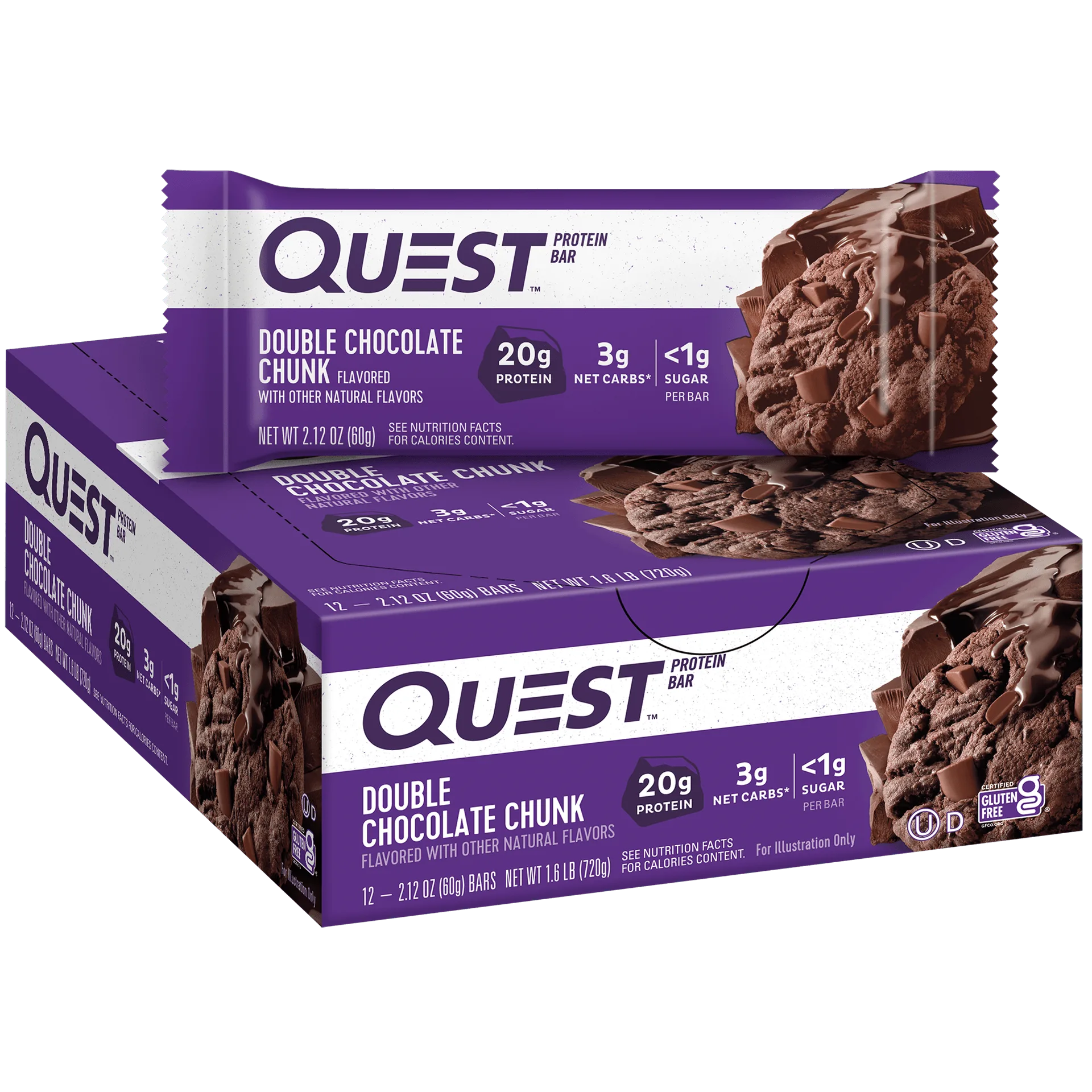
Protein bars, on the other hand, often include more fiber and complex carbohydrates from oats, nuts, or seeds. A bar like the https://questnutritionshop.com/products/oatmeal-chocolate-chip-protein-bars-38274Oatmeal Chocolate Chip Protein Bars provides a hearty texture and around 15-20 grams of protein, plus dietary fiber to support digestion and sustained energy. However, some bars can be higher in sugar alcohols or added sugars, so it's important to read labels. For a complete meal replacement, a shake may offer more flexibility to customize macros, while a bar offers a pre-portioned, grab-and-go solution.
- Check the protein-to-calorie ratio: Aim for at least 15g protein per 200 calories for a satisfying meal replacement.
Convenience and Portability: Which Wins for On-the-Go?
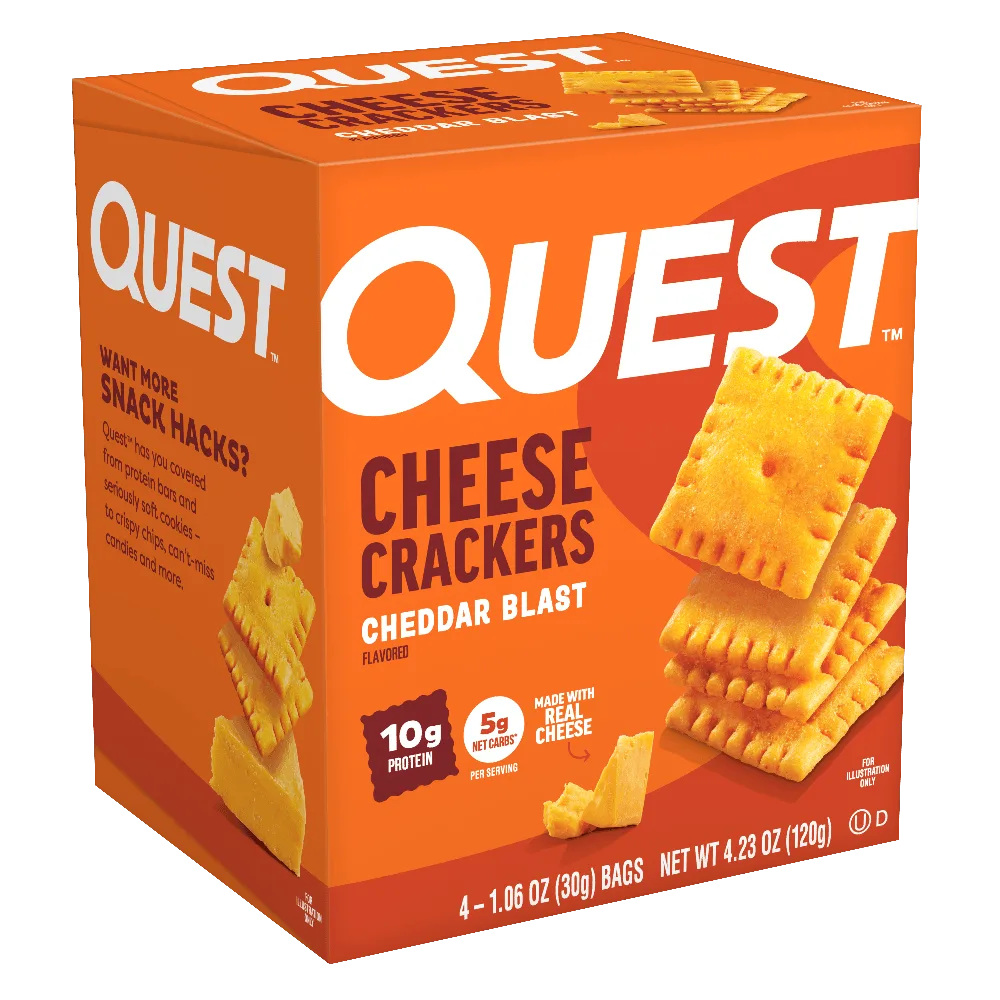
When you're sprinting out the door or traveling, convenience is king. Protein bars are undeniably the most portable option — no mixing, no shaker bottle, no refrigeration needed. You can toss a bar in your bag, purse, or gym locker and eat it straight from the wrapper. The https://questnutritionshop.com/products/cheddar-blast-cheese-crackers-38316Cheddar Blast Cheese Crackers, while not a bar, offer a similar grab-and-go experience for a savory snack, but for a true meal replacement, a bar like the Oatmeal Chocolate Chip Protein Bars provides a satisfying, mess-free solution.
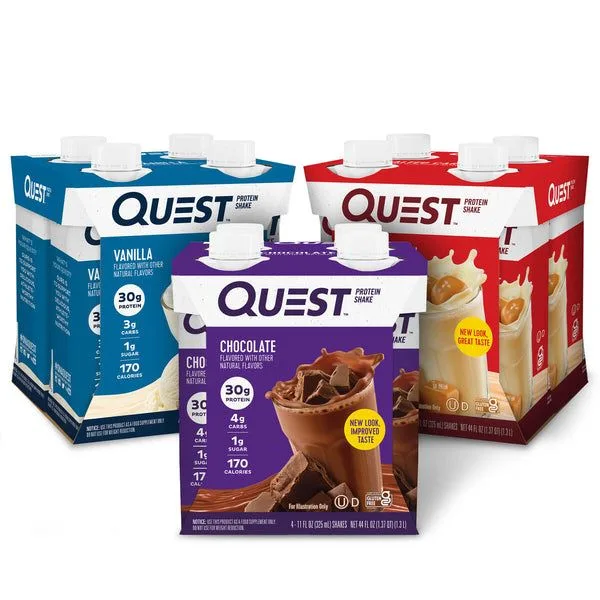
Protein shakes require a bit more prep: you need a shaker bottle or blender, liquid (water, milk, or a dairy alternative), and sometimes additional ingredients to make it a complete meal. However, ready-to-drink options like the Chocolate Protein Shakes eliminate that hassle, offering a pre-mixed, shelf-stable alternative that's almost as convenient as a bar. For ultimate portability, bars win for simplicity, but shakes (especially ready-to-drink) are close behind.
Satiety and Fullness: Which Keeps You Fuller Longer?
Satiety is a critical factor in meal replacement — you want to feel satisfied until your next meal, not hungry an hour later. Protein shakes are liquid, which means they leave the stomach more quickly than solid food. However, when blended with fiber-rich ingredients like spinach, chia seeds, or avocado, a shake can become more satiating. The high protein content also triggers appetite-regulating hormones, helping you feel full despite the liquid form.
Protein bars, being solid and often chewy, require more chewing and take longer to digest, which can enhance feelings of fullness. The combination of protein, fiber, and healthy fats in a bar like the Oatmeal Chocolate Chip Protein Bars provides a sustained release of energy. Many people find that a bar keeps them satisfied for 3-4 hours, compared to a shake that might last 2-3 hours. If you're someone who needs to feel 'something' in your stomach, a bar may be the better choice for meal replacement.
- For longer-lasting fullness, choose a bar with at least 5g of fiber and 15g of protein.
Cost and Versatility: Which Offers Better Value?
Cost per serving is an important consideration, especially if you plan to use meal replacements regularly. Protein powder, such as the Cinnamon Crunch Protein Powder, can be purchased in bulk and yields many servings at a lower cost per shake compared to individual bars. A single scoop of powder costs roughly $1-2, while a premium protein bar can range from $2.50 to $4. This makes shakes a more budget-friendly option for daily use.
However, bars offer unmatched versatility in terms of portability and no-prep convenience. They also come in a wide variety of flavors and textures, from crunchy to chewy to coated. For those who dislike the taste or texture of shakes, bars provide a more enjoyable experience. Additionally, bars can double as a post-workout snack or a dessert alternative, adding to their value. Ultimately, the best choice depends on your budget and lifestyle.
When to Choose a Shake vs. a Bar for Meal Replacement
There's no one-size-fits-all answer, but here are some guidelines. Choose a protein shake when you want a customizable, lower-calorie meal replacement that you can blend with greens, fruits, or healthy fats. Shakes are ideal post-workout because they're quickly absorbed, and they work well for breakfast when you're in a hurry but have access to a blender or shaker.
Reach for a protein bar when you need something that fits in your pocket, doesn't require any prep, and will keep you full for several hours. Bars are perfect for travel, long meetings, or as a lunch replacement when you're out and about. For a balanced approach, you could even alternate: use a shake on days you have a few extra minutes, and a bar on your busiest days.
- Try pairing a protein bar with a piece of fruit for a more complete meal replacement.
Both protein shakes and protein bars have their place in a well-rounded meal replacement strategy. Shakes offer customization and cost savings, while bars provide unbeatable convenience and satiety. The key is to choose high-quality options that align with your nutritional needs. For a delicious, filling meal replacement that's ready when you are, explore the Oatmeal Chocolate Chip Protein Bars from Quest Nutrition — they're packed with protein and fiber to keep you energized and satisfied.