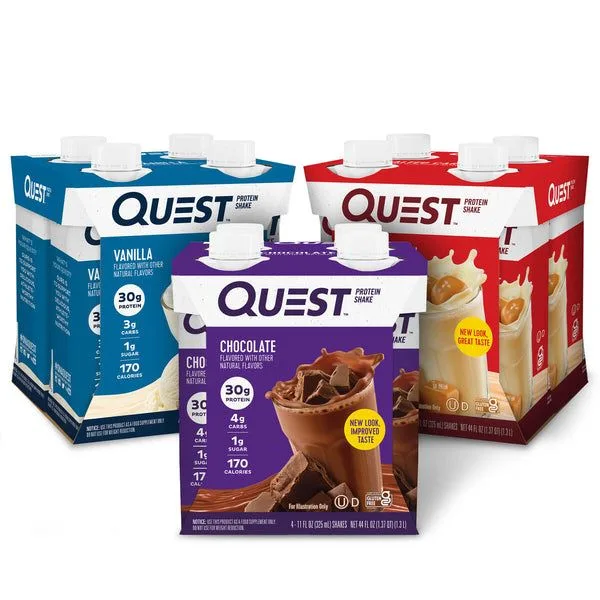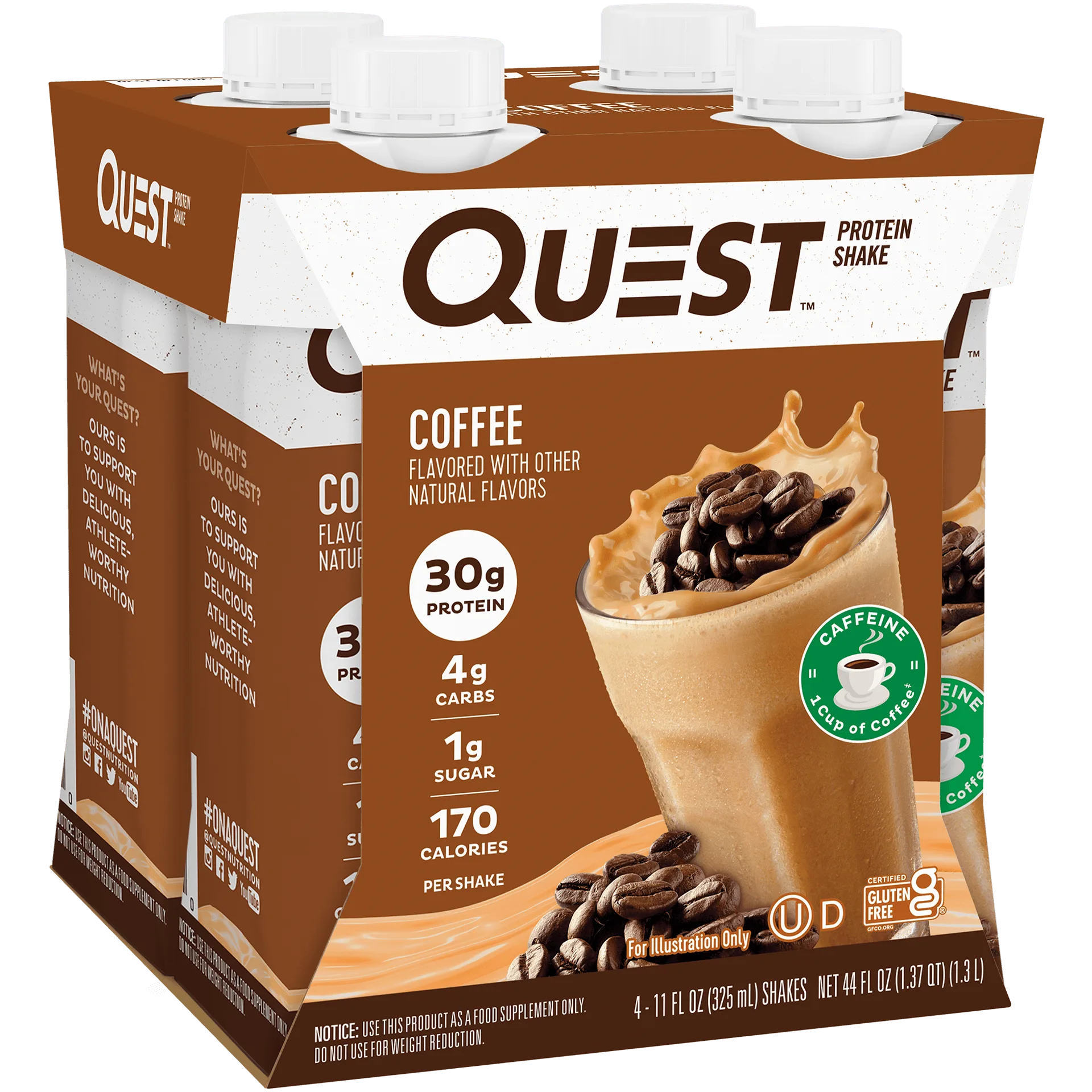
When you’re trying to hit your daily protein goals without breaking the bank, the choice between ready-to-drink protein shakes and traditional protein powder can feel overwhelming. Both options deliver high-quality nutrition, but their price tags and convenience factors differ significantly. In this article, we’ll break down the cost per serving, hidden expenses, and value-added benefits of each format so you can make an informed decision for your budget and lifestyle.
We’ll also highlight some of the most popular products from Quest Nutrition—like the https://questnutritionshop.com/products/chocolate-45g-protein-milkshake-38318Chocolate 45g Protein Milkshake and https://questnutritionshop.com/products/peanut-butter-protein-powder-38349Peanut Butter Protein Powder—to give you real-world examples of what you’re paying for. Whether you’re a gym regular, a busy professional, or a parent on the go, understanding the true cost of your protein can save you hundreds of dollars a year.
Breaking Down the Cost Per Gram of Protein
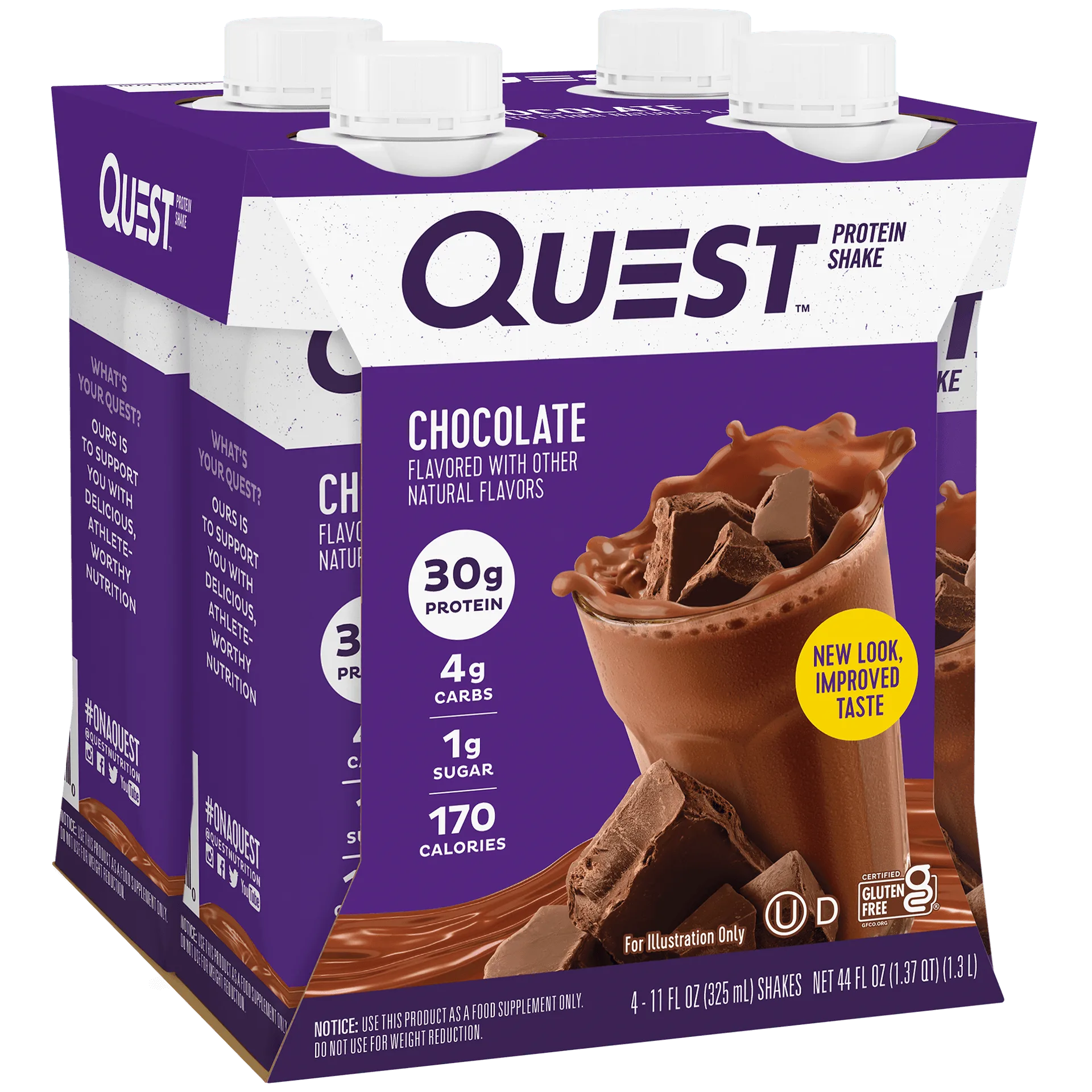
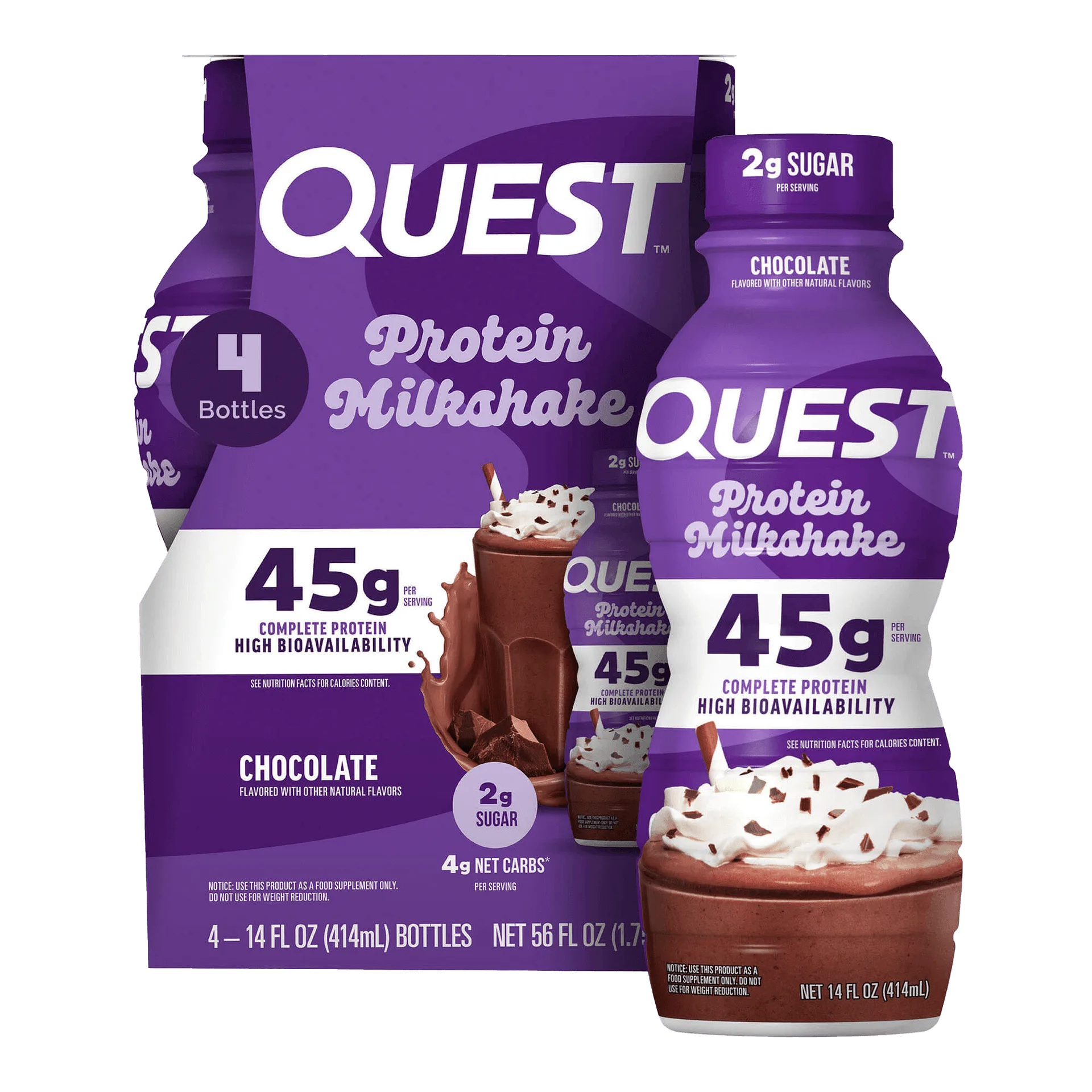
The most straightforward way to compare protein shakes and protein powder is by calculating the cost per gram of protein. A typical 12-pack of ready-to-drink shakes—such as the Chocolate 45g Protein Milkshake—retails for around $30 to $40, which works out to roughly $2.50 to $3.33 per bottle. Each bottle provides 45 grams of protein, putting the cost per gram at about 5.5 to 7.4 cents.
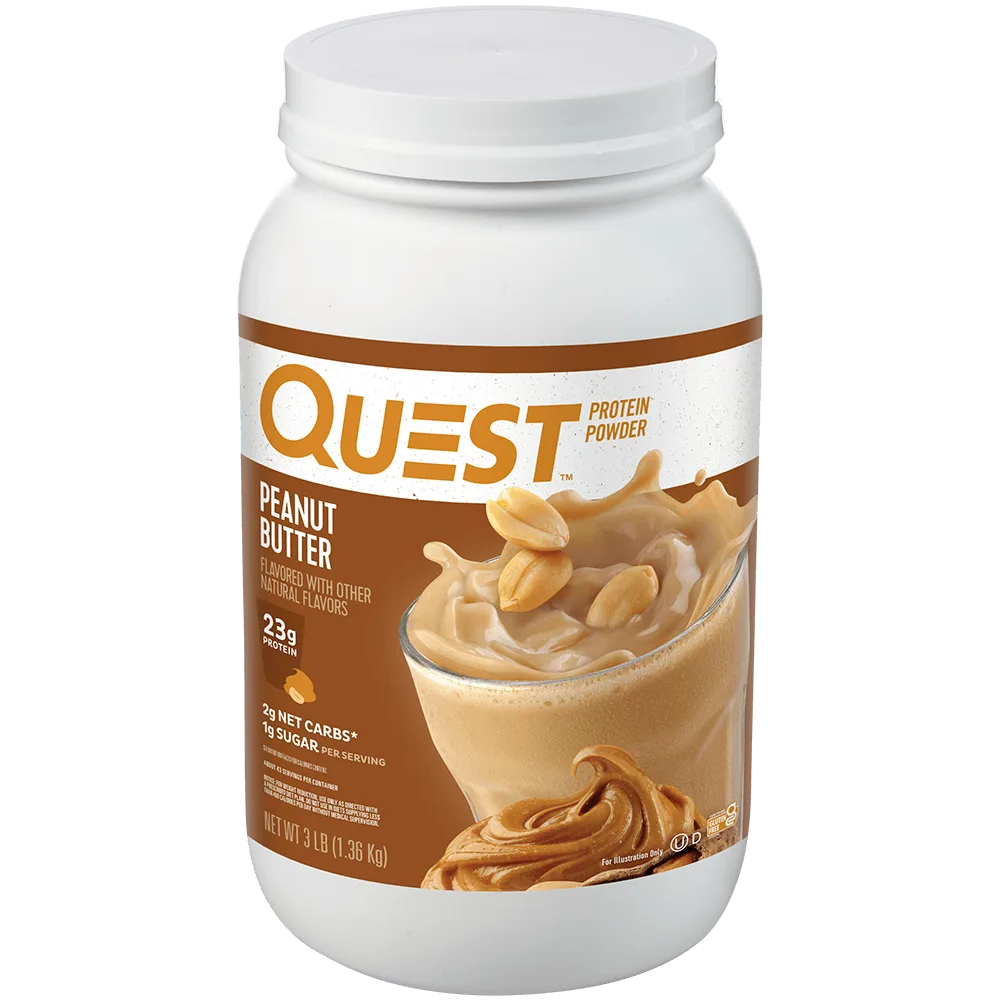
On the other hand, a 2-pound tub of protein powder—like Peanut Butter Protein Powder—usually costs between $25 and $35 and contains approximately 28 to 30 servings (depending on scoop size). With 25 grams of protein per serving, the cost per gram drops to roughly 3.6 to 5.0 cents. That’s a savings of 30% to 50% compared to shakes, making powder the clear winner on a pure cost-per-gram basis.
- Tip: Always check the label for actual protein grams per serving—some powders have smaller scoop sizes that can skew the math.
Convenience vs. Cost: The Trade-Off
While protein powder offers better bulk pricing, ready-to-drink shakes win on convenience. No measuring, no shaking, no cleanup—just grab and go. For people with hectic schedules, the extra cost of a shake like the Chocolate 45g Protein Milkshake may be worth the time saved. You don’t need a shaker bottle, water, or milk; you can stash one in your bag and drink it anywhere.
However, if you’re willing to invest a few extra minutes each day, protein powder can be mixed into smoothies, oatmeal, or even baked goods. Quest’s Peanut Butter Protein Powder blends easily and adds flavor to recipes without the artificial aftertaste. Over a month, using powder could save you $20 to $40 compared to buying shakes exclusively.
- Consider your daily routine: if you’re always on the move, shakes may reduce friction; if you have time to prep, powder stretches your budget further.
Hidden Costs: Storage, Waste, and Add-ons
Protein shakes come in single-serving bottles that are recyclable but bulky to store. If you buy in bulk, you’ll need pantry or fridge space for 12 to 24 bottles. They also have a longer shelf life but can be heavy to carry home from the store. Protein powder, by contrast, takes up less space and generates less packaging waste per serving—a plus for eco-conscious consumers.
Another hidden cost is spoilage. Once you open a tub of powder, it’s best used within 30 to 60 days. If you don’t consume protein daily, you might risk clumping or staleness. Shakes are sealed individually, so you only open what you need. For infrequent users, shakes may actually be more cost-effective because you waste less product.
- If you travel often, single-serve shakes eliminate the need to carry a scoop and shaker—just toss a bottle in your bag.
Nutritional Profile and Ingredient Quality
Both formats can provide complete, high-quality protein, but ingredient lists vary. Ready-to-drink shakes often contain stabilizers, gums, and preservatives to maintain texture and shelf life. Quest’s Chocolate 45g Protein Milkshake uses milk protein isolate and natural flavors, with 1 gram of sugar and 3 grams of net carbs—ideal for low-carb or keto diets.
Protein powder typically has fewer additives because you mix it yourself. Quest’s Peanut Butter Protein Powder is made from a blend of whey and casein, providing both fast- and slow-digesting proteins. It contains 25 grams of protein, 2 grams of net carbs, and no added sugar. For those who prioritize clean labels, powder often edges out shakes—but both can fit into a balanced diet.
- Check for artificial sweeteners: many powders use sucralose or stevia; shakes may use similar or additional sugar alcohols.
Which Option Fits Your Daily Routine Best?
If you work out at a gym with a shaker bottle station or have a blender at home, protein powder is the obvious budget champion. A single tub of Peanut Butter Protein Powder can last a month or more, and you can customize the consistency and flavor by adding milk, nut butter, or fruit. It’s also versatile for recipes like protein pancakes or energy balls.
On the other hand, if you’re constantly commuting, traveling, or need a post-workout fix without any prep, the convenience of a shake justifies the premium. The Chocolate 45g Protein Milkshake is shelf-stable, ready in seconds, and provides a hefty 45 grams of protein—enough to kickstart recovery after an intense session. Some people even keep a mix of both on hand: powder for home use and shakes for on-the-go.
- Try a hybrid approach: buy a tub of powder for daily use and a few single shakes for travel or emergency snacks.
Ultimately, the most cost-effective choice depends on your lifestyle. Protein powder delivers more protein per dollar and offers recipe flexibility, while ready-to-drink shakes provide unmatched convenience for busy days. If you’re looking to maximize value without sacrificing quality, start with a tub of Peanut Butter Protein Powder from Quest—it’s a versatile, budget-friendly staple that pairs perfectly with your morning coffee or post-workout smoothie.