Mornings are hectic. Between hitting snooze, rushing to get ready, and trying to get out the door on time, breakfast often gets pushed aside. But skipping the first meal of the day can leave you feeling sluggish, hungry, and prone to overeating later. That's where high-protein breakfasts step in to save the day—and your energy levels.
For years, the debate has raged on: protein shakes vs. protein powder for quick breakfasts. Both promise to deliver a fast, filling, and nutritious start, but they differ in convenience, preparation, and versatility. In this article, we'll break down the pros and cons of each, so you can decide which one deserves a spot in your morning routine.
What’s the Difference Between Protein Shakes and Protein Powder?
At first glance, protein shakes and protein powder might seem interchangeable, but they serve different purposes. Protein powder is a dry, concentrated source of protein (usually whey, casein, or plant-based) that you mix with liquid—like water, milk, or a milk alternative—to create a shake. It requires a shaker bottle or blender, plus a few seconds of shaking or blending.
Protein shakes, on the other hand, are ready-to-drink (RTD) beverages. They come pre-mixed and bottled, requiring no preparation beyond opening the container. Many RTD shakes also include added vitamins, minerals, and fiber, making them a complete meal replacement option. The key difference is convenience: protein powder gives you flexibility, while protein shakes offer instant gratification.
Convenience: Which One Wins for Busy Mornings?
When you’re running late, every second counts. Protein shakes are the undisputed champion of convenience. You can grab a bottle from the fridge or pantry, toss it in your bag, and drink it on the go. No measuring, no mixing, no cleanup. For those mornings when you barely have time to brush your teeth, a pre-made shake is a lifesaver.
Protein powder requires a bit more effort: you need to scoop, pour, shake or blend, and then wash your shaker or blender. However, many people find this routine takes less than two minutes. Some powders also come in single-serve packets that simplify the process. If you can spare two minutes, powder offers more control over your macros and flavor intensity.
- Tip: Keep a few ready-to-drink shakes in your work bag for emergency breakfasts.
Nutritional Comparison: Protein, Calories, and Ingredients
Both protein shakes and protein powder can deliver 20–30 grams of protein per serving, but the nutritional profiles vary. Many RTD shakes are formulated as meal replacements, meaning they contain balanced carbs, fats, and fiber to keep you full for longer. For example, a typical protein shake might have 200–250 calories, 25g protein, 10g carbs, and 5g fat.
Protein powder, when mixed with water or unsweetened milk, can be lower in calories and carbs—often around 100–150 calories per scoop. This makes it ideal for those who want a pure protein boost without extra fillers. However, if you add milk, fruit, or nut butter, the calorie count rises quickly. The choice depends on whether you want a complete breakfast or just a protein supplement.
- Check the ingredient list: some RTD shakes contain gums, artificial sweeteners, or preservatives; powder often has fewer additives.
Taste and Texture: What to Expect
Taste is subjective, but there are general trends. Ready-to-drink protein shakes tend to have a smooth, consistent texture because they are homogenized during production. Flavors like chocolate, vanilla, and strawberry are common, and they often taste more like a milkshake than a workout supplement. Many people find them more palatable straight out of the bottle.
Protein powder can vary widely in taste and texture depending on the brand and type. Whey protein usually mixes well and has a creamy mouthfeel, while plant-based powders can be grainier. The advantage of powder is customization: you can blend it with coffee, oatmeal, or pancake batter to create varied breakfasts. For a quick, no-fuss option, pre-made shakes are hard to beat.
Cost and Value: Which Is More Budget-Friendly?
Cost is a major factor for many people. Per serving, protein powder is generally more affordable than RTD shakes. A tub of powder can cost $0.80–$1.50 per serving, while a single bottle of ready-to-drink shake often runs $2.50–$4.00. Over a month, that difference adds up—especially if you're replacing breakfast daily.
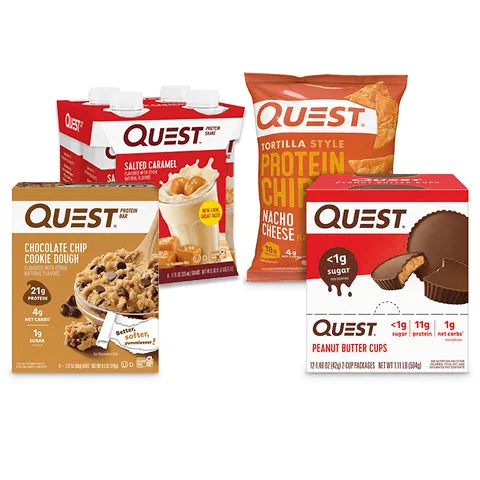
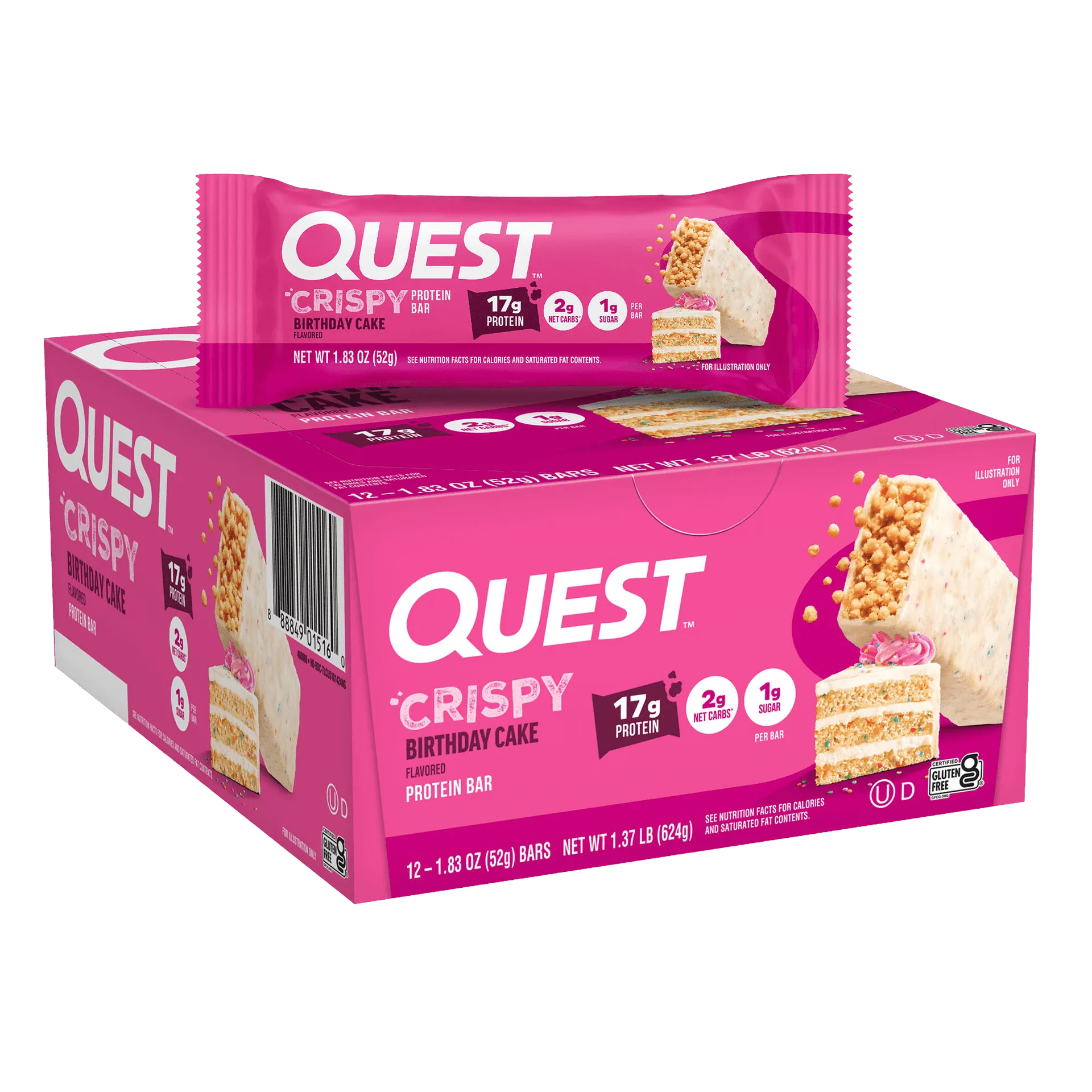
However, RTD shakes offer convenience that powder can't match. If you frequently eat breakfast on the go, the extra cost may be worth it to save time and avoid skipping meals. Some brands also sell variety packs or bundles that reduce the per-serving price. For example, a bundle of protein chips and shakes can be a smart investment for busy weeks.
- Consider buying in bulk or subscribing to save on both powder and RTD options.
Which One Should You Choose for Quick Breakfasts?
The answer depends on your lifestyle and priorities. If you are always in a rush and need something you can drink in the car or at your desk, ready-to-drink protein shakes are the way to go. They eliminate all prep time and cleanup, and they often double as a meal replacement with balanced nutrition.
If you prefer flexibility, lower cost, or the ability to cook with protein, stick with protein powder. You can mix it into smoothies, oatmeal, or even baked goods. For the best of both worlds, keep a few RTD shakes on hand for emergencies and use powder for your regular routine. Experiment with different flavors and brands to find what you love.
Ultimately, both protein shakes and protein powder can help you start your day with a protein-packed breakfast that fuels your body and mind. If convenience is your top priority, try a ready-to-drink shake like https://questnutritionshop.com/products/lemon-cake-protein-bars-38284Lemon Cake Protein Bars for a sweet, satisfying morning boost. For those who enjoy customizing their breakfast, protein powder offers endless possibilities. Whichever you choose, making protein a part of your morning routine is a smart move for your health.