When you're trying to hit your protein targets while still enjoying a tasty spread, the choice between traditional nut butters and high-protein spreads can feel tricky. Both can be part of a healthy diet, but they serve different purposes depending on your fitness goals. In this guide, we'll break down the key differences—from macros to taste—so you can decide which one earns a spot in your pantry.
If you've ever searched for a nut butter alternative that packs more protein per bite, you've probably come across brands like Grenade. Alongside their iconic bars such as the Peanut Nutter Protein Bar, Grenade also offers a dedicated line of protein spreads designed for those who want a creamy, indulgent spread without the extra fat and sugar. Whether you're bulking, cutting, or just maintaining, understanding what's in your jar matters.
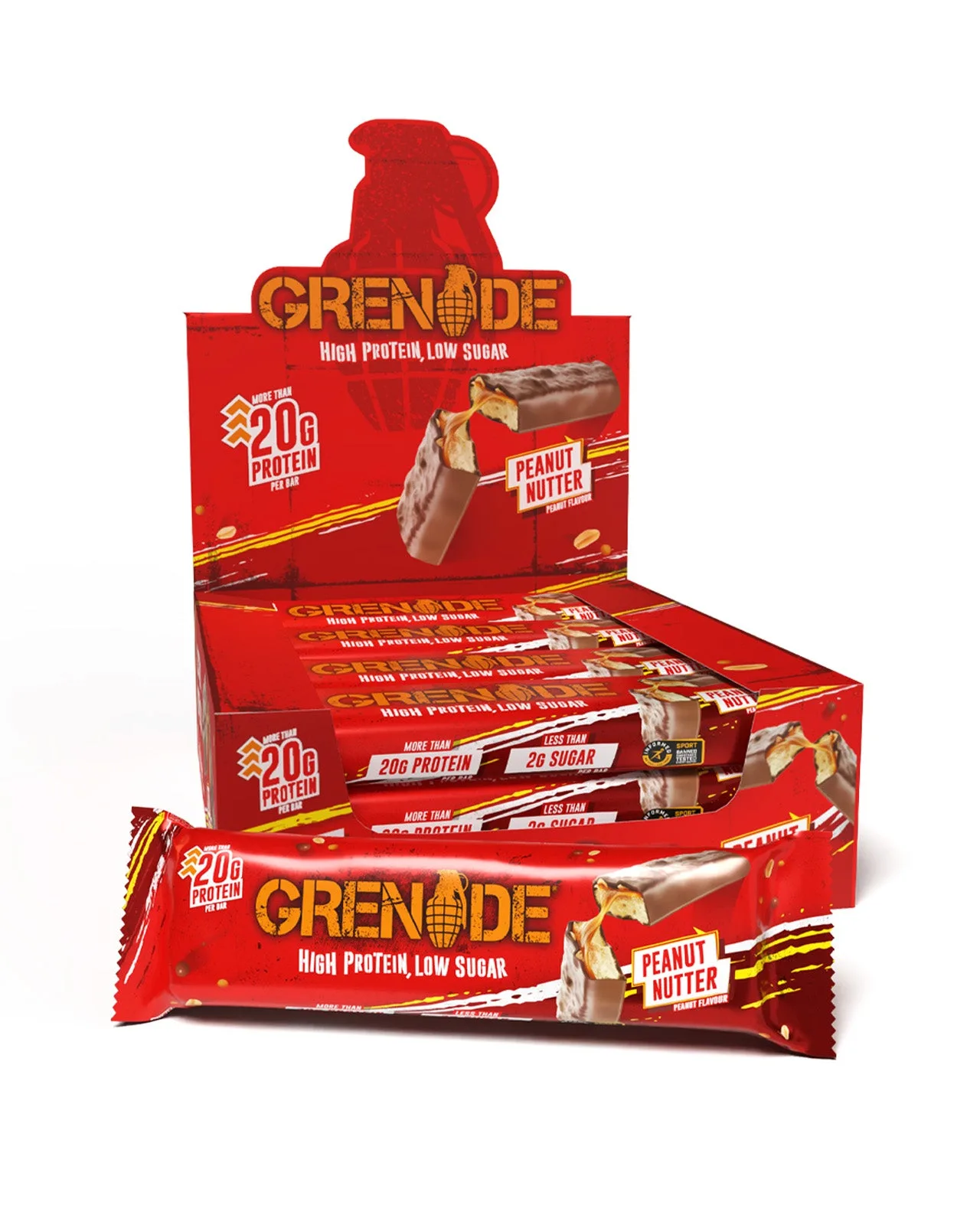
Peanut Nutter Protein Bar
Nutritional Showdown: Protein vs Fats
A standard two-tablespoon serving of peanut butter delivers roughly 190 calories, 16 grams of fat, and 7 grams of protein. That same serving of a high-protein spread like Grenade Protein Spread typically provides about 100 calories, 5 grams of fat, and 15 grams of protein, with minimal sugar. The difference is significant: you get more than double the protein for nearly half the calories, making protein spreads a clear win if your goal is to increase protein intake without blowing your calorie budget.
On the other hand, nut butters bring healthy unsaturated fats that support hormone function and long-lasting satiety. If your training volume is high or you're in a maintenance phase, those extra fats can be beneficial. For a true high protein spread comparison, look at the ingredient list: protein spreads often rely on whey or milk protein isolate and low-calorie sweeteners, while nut butters are simply ground nuts with maybe a pinch of salt.
- Tip: If you're tracking macros, a protein spread can help you get more protein without the extra fat and calories. Just check the label for added sugars or artificial sweeteners.
Taste and Texture: What to Expect
Nut butters have a natural, savory-sweet flavour with a texture that ranges from smooth and creamy to crunchy and oily. If you grew up on peanut butter, that familiar taste is hard to beat. Protein spreads, like Grenade Protein Spread, are often smoother and come in dessert-inspired flavours such as chocolate hazelnut or cookie dough. They're designed to mimic indulgence while fitting a macro-friendly diet.
That said, protein spreads can taste noticeably different from real nut butter—some people find the sweetness too artificial or the protein aftertaste distracting. If you're sensitive to sweeteners like sucralose, a simple nut butter might be the better choice. For a best protein spread for athletes who want a quick post-workout treat with zero prep, the sweet taste can be a welcome reward.
- For a more natural taste, stick with nut butter. For a dessert-like treat that still fuels your muscles, try a high-protein spread.
Best Use Cases: Pre-Workout, Post-Workout, and Snacks
Nut butters shine as pre-workout fuel because the healthy fats provide steady, sustained energy, especially for longer training sessions. Spread a tablespoon on whole-wheat toast about an hour before you hit the gym, and you'll feel the difference. Post-workout, however, you want fast-digesting protein to kickstart recovery—that's where a protein spread steps in. A spoonful of Grenade Protein Spread after training delivers quick amino acids without the bloat of a full meal.
For everyday snacking, both have merit. Nut butter pairs brilliantly with apples, celery, or rice cakes, while protein spreads work well on high-protein pancakes or straight from the jar when you're in a rush. And let's not forget pre-made options: a Cookies and Cream Protein Shake alongside a protein spread makes for a nearly complete recovery shake. Ultimately, the best choice depends on your schedule and how strictly you're counting macros.
- Spread nut butter on toast as a pre-workout fuel, then reach for a protein spread after your session to support muscle repair and keep cravings in check.
Which One Supports Your Goals Better?
If your primary goal is muscle gain, the higher protein density of a spread like Grenade Protein Spread makes it the healthier spread for muscle gain. You can more easily hit your daily protein target without excess calories, leaving room for other nutrient-dense foods. For weight loss, the calorie saving is even more compelling: swapping two tablespoons of peanut butter for a protein spread can save up to 90 calories per serving, which adds up over a week.
That said, nut butters provide essential fatty acids that support overall health, especially for athletes with higher calorie needs. A good strategy is to use both: keep natural peanut or almond butter for meals and snacks where you want a more traditional taste, and use a protein spread when you need a pure protein boost—like after a workout or as a late-night snack to aid recovery. The best protein spread for your goals is the one that fits your total daily intake.
- If you're on a strict cut, consider swapping your morning peanut butter toast for a protein spread to save calories while keeping protein levels high.
There's no outright winner in the protein spreads vs peanut butter debate—it's about timing and priorities. For pure protein efficiency and low calorie density, a high protein spread like Grenade Protein Spread is tough to beat. For natural flavour and healthy fats, nut butters remain a staple. Use both strategically based on your training phase, and you'll get the best of both worlds.