A pry bar is one of the most versatile tools in any toolbox, essential for demolition, rescue, and tactical operations. Whether you're a professional contractor, a first responder, or a DIY enthusiast, understanding the different types, sizes, and uses of pry bars can make all the difference in efficiency and safety. This guide will walk you through everything you need to know to select the right pry bar for your specific tasks.
From the classic crowbar to specialized breaching tools, each design serves a unique purpose. We'll explore the materials, shapes, and features that set them apart, and provide practical advice on how to choose the right one for your needs.
Types of Pry Bars
Pry bars come in various shapes and sizes, each engineered for specific applications. The most common types include the crowbar, wrecking bar, and pry bar. The crowbar, with its curved end and flattened tip, is ideal for heavy demolition work. Wrecking bars feature a gooseneck curve that provides extra leverage for pulling nails and prying apart materials. Standard pry bars, often with a straight or slightly curved design, are more versatile for general tasks.
For tactical and rescue operations, specialized pry bars like the JTC CLAW BREACHING TOOL are designed to deliver maximum force in tight spaces. These tools often feature multiple functions, such as a claw for pulling and a flat edge for prying, making them indispensable for emergency entry. When choosing a pry bar, consider the primary tasks you'll be performing to match the tool to the job.

JTC CLAW BREACHING TOOL
- Crowbars: best for heavy demolition and leverage
- Wrecking bars: ideal for nail pulling and framing work
- Tactical pry bars: designed for breaching and rescue operations
Pry Bar Sizes and Materials
Pry bars range from compact 12-inch models to heavy-duty 60-inch versions. The size you need depends on the scale of your projects. Smaller pry bars are perfect for detailed work and tight spaces, while longer bars provide more leverage for stubborn materials. For most general tasks, a 24-inch or 36-inch pry bar offers a good balance of portability and power.
Material is equally important. Traditional pry bars are made from forged steel, which offers durability and strength. However, for tactical professionals who need to carry their tools, titanium pry bars are a game-changer. They provide comparable strength at a fraction of the weight, reducing fatigue during extended operations. The Titanium Prybar (Straight) is an excellent example of a lightweight yet robust option for those who prioritize mobility without sacrificing performance.
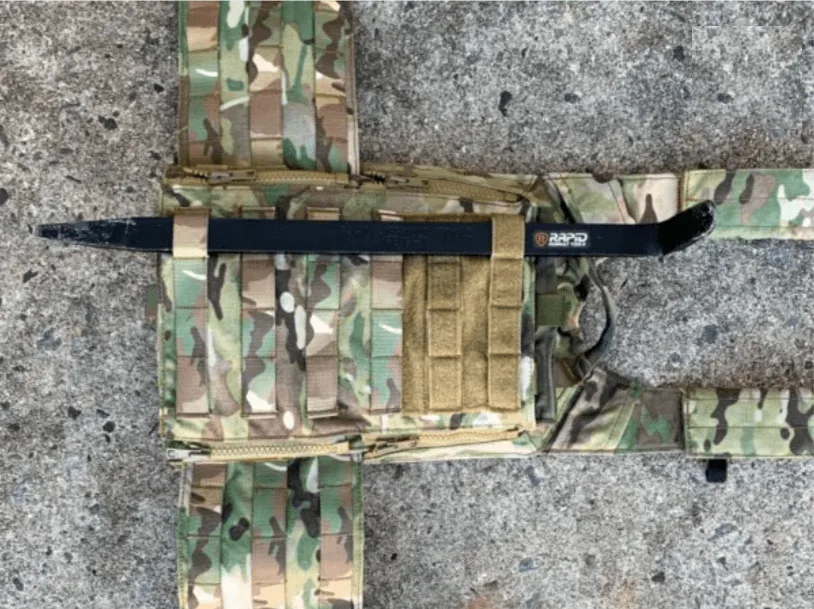
Titanium Prybar (Straight)
- Consider the weight: titanium is lighter but more expensive
- Length affects leverage: longer bars give more power
- Choose a material that balances durability and portability
How to Choose the Right Pry Bar
When selecting a pry bar, start by assessing your typical tasks. If you're involved in construction or demolition, a heavy-duty steel bar with a curved end will serve you well. For emergency response or tactical entry, look for a compact, multi-functional tool that can be easily carried on a vest or belt. The JTC CLAW BREACHING TOOL is a prime example of a purpose-built tool that combines a claw and prying edge for rapid entry.
Another consideration is the handle grip. A comfortable, non-slip grip reduces hand fatigue and improves control, especially during prolonged use. Some pry bars feature ergonomic handles or rubberized grips, which can be beneficial in wet or oily conditions. Finally, think about storage and accessibility. If you need a pry bar for your vehicle or go-bag, a shorter, lighter model like the Titanium Prybar (Straight) is more practical than a full-size steel bar.
- Match the pry bar to your primary tasks
- Look for ergonomic handles for comfort and safety
- Consider portability if you need to carry it with you
Pry Bar Uses in Tactical and Rescue Operations
In tactical and rescue scenarios, pry bars are essential for forced entry, breaching, and extraction. They are used to open doors, windows, and crates, or to move heavy debris. The ability to quickly and efficiently gain access can be critical in life-saving situations. A reliable pry bar can mean the difference between a successful rescue and a failed mission.
For professionals in these fields, investing in a high-quality pry bar is non-negotiable. The JTC CLAW BREACHING TOOL is designed specifically for such operations, offering a compact yet powerful solution that can be deployed rapidly. Its claw feature allows for pulling and twisting, while the flat edge provides prying force. When your work demands the best, choose a tool that won't let you down.
- Use pry bars for forced entry and breaching
- Select a tool that offers multiple functions for versatility
- Regularly inspect your pry bar for damage to ensure reliability
Choosing the right pry bar is about understanding your needs and matching the tool to the task. Whether you're a professional in construction or a first responder in the field, having a reliable pry bar can make all the difference. For those who require the best in tactical breaching, consider the JTC CLAW BREACHING TOOL, a versatile and durable option that delivers when it matters most.