Start with your dog's size, not the price
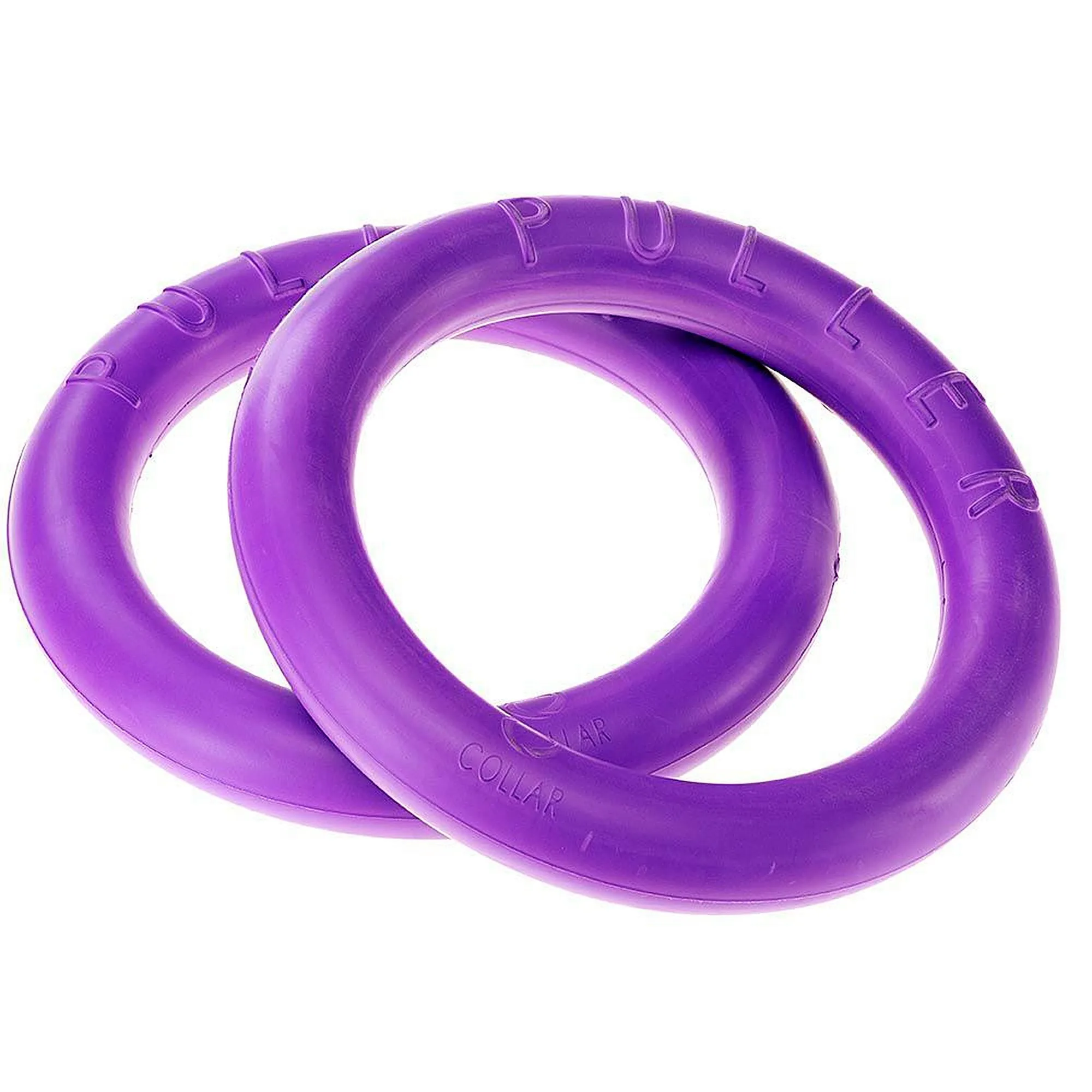
The PULLER system is a set of two floating rings designed for interactive dog training. It supports running, jumping, and pulling exercises that build strength, resistance, and agility. But before you pick a model, the most important decision is matching the ring size to your dog's body. Ferplast offers three main sizes—Micro, Midi, and Standard—and each is intended for a different weight range.
Choosing the right size matters for both comfort and safety. A ring that's too large can be awkward for a small dog to grip; one that's too small may not be suitable for a large dog's jaw. The good news is that all PULLER models share the same core design and material, so your choice comes down to fit and the type of exercise you plan to do.
PULLER models at a glance
-
PULLER MICRO: The PULLER MICRO is ideal for very small-sized dogs and comes in a set of two rings. If you have a Chihuahua, Yorkie, or other toy breed, the Micro gives you a ring they can actually grip and carry during running and jumping games.
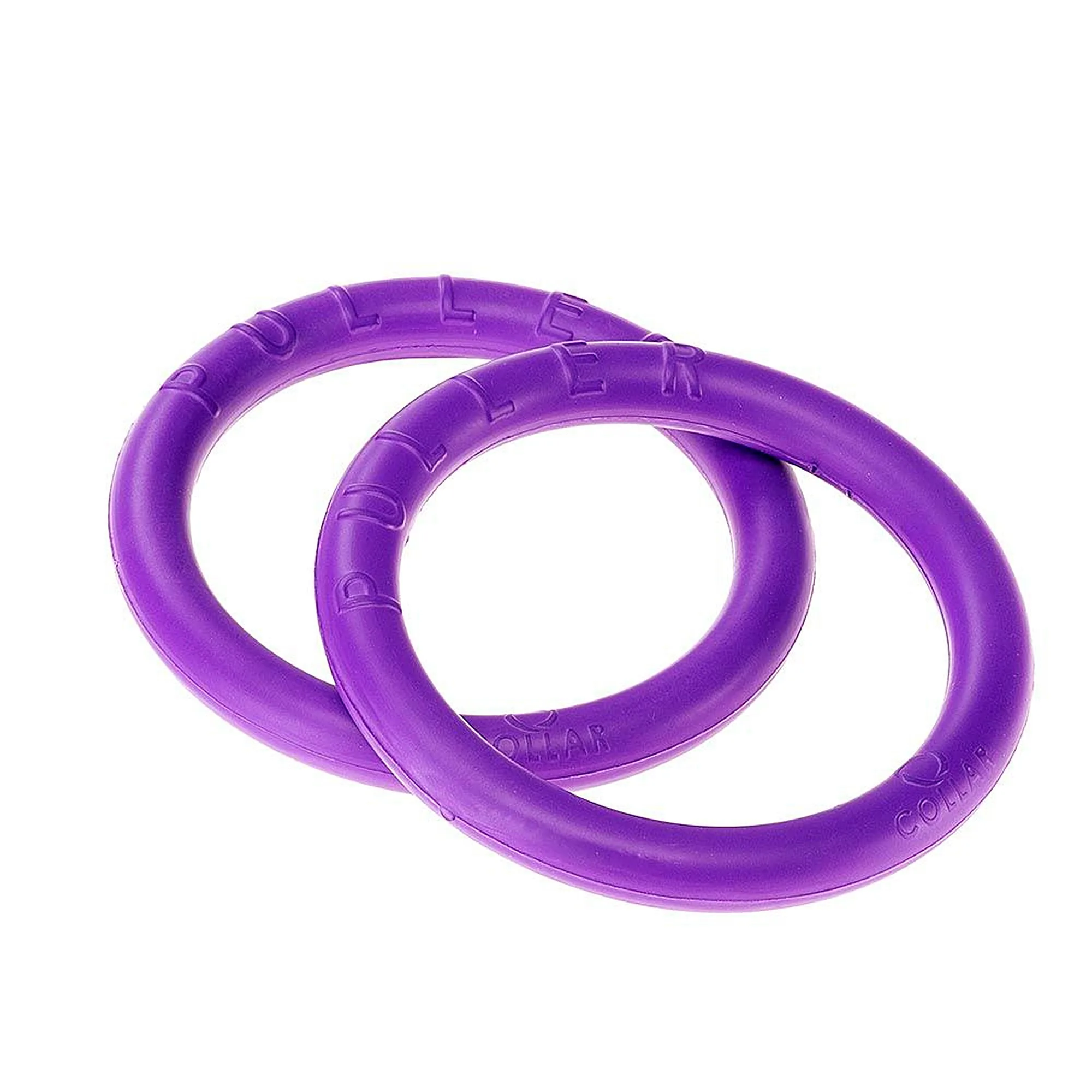
PULLER MICRO
-
PULLER MIDI: The PULLER MIDI is designed for small and medium-sized dogs, with the same two-ring system. For dogs like Cocker Spaniels or Beagles, the Midi offers a middle ground between manageability and enough surface area for tugging and fetching.
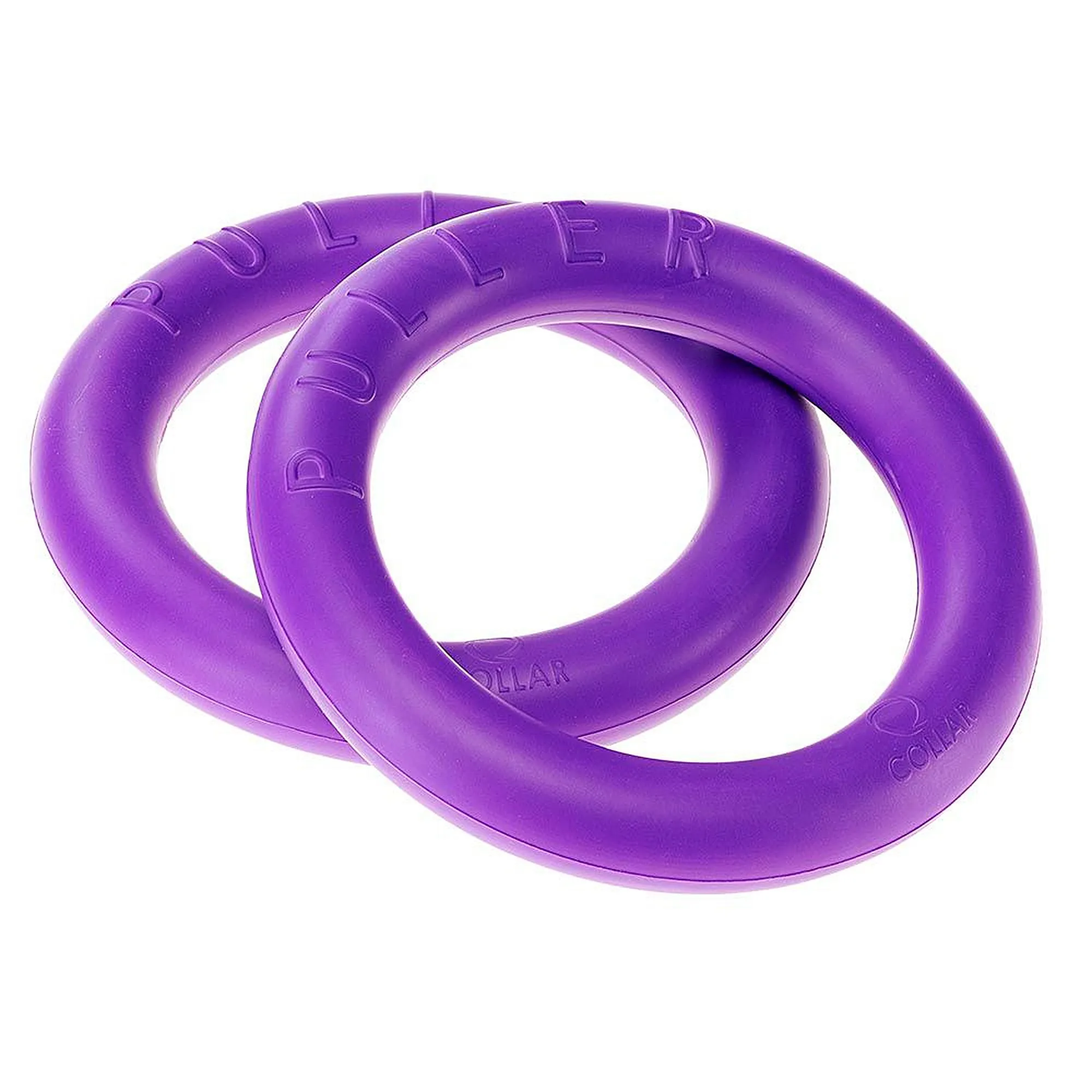
PULLER MIDI
-
PULLER STANDARD: The PULLER STANDARD is built for medium and large-sized dogs, also supplied as a pair of rings. Larger breeds like Labradors or German Shepherds need a bigger target to chase and grip, and the Standard provides that without being overly heavy.
What the rings are made of—and what that means for training
All PULLER rings are made from a non-toxic compound polymer that is resistant yet light. This is a key feature: the material is designed not to damage your dog's teeth, and it floats in water, making it useful for water retrieval if your dog enjoys swimming. The rings are also odourless, which helps keep them appealing during play.
Because the material is light, even the larger models remain easy for your dog to carry. That said, the PULLER is not a chew toy. If your dog is a heavy chewer, you'll need to supervise sessions and check the rings regularly for damage, replacing them if they show wear.
How to choose between Micro, Midi, and Standard
- Weigh your dog, then match the model: The catalog doesn't specify exact weight ranges, but the guidance is clear: Micro for very small dogs, Midi for small to medium, and Standard for medium to large. If your dog is on the border, consider their jaw width and how easily they can pick up the ring.
- Think about the exercises you'll do: Running and jumping require a ring that's easy to catch mid-air. Pulling exercises need a ring that gives your dog a good grip. For a small dog doing fast sprints, the Micro's lighter weight helps. For a larger dog doing strength work, the Standard offers more surface to tug.
- Consider the two-ring system: Every PULLER set includes two rings. This isn't just a spare—it's a training tool. If your dog doesn't want to give the first ring back, you show the second one. This exchange technique keeps the game moving and reinforces retrieval behaviour.
Practical tips for using your PULLER rings
Start with a simple running game: throw one ring, let your dog chase and bring it back. If they hesitate to return it, show the second ring to encourage the exchange. Once your dog understands the pattern, you can add jumping—toss the ring so your dog leaps to catch it—or pulling, where you hold one ring and let your dog tug the other.
Always check the rings before and after use. The catalog advises to 'check and substitute if damaged.' Because the rings are not chew toys, inspect for punctures or tears, especially if your dog is an aggressive player. Replace worn rings to keep training safe.
What the catalog doesn't tell you
The product information confirms the material, the two-ring design, and the intended size ranges, but it doesn't specify exact ring dimensions or weight limits for each model. If you're between sizes, you may need to estimate based on your dog's breed and jaw size. Also, the catalog doesn't list specific care instructions beyond checking for damage—so use common sense: rinse with water if dirty and store away from direct sunlight to preserve the polymer.