What you are building in Pulsar 2849
Pulsar 2849 is a Euro-style game about exploring space, claiming pulsars, and discovering technologies that help you build energy-distribution infrastructure on a cosmic scale. You are not fighting a single opponent; you are racing to assemble the most efficient network of claims and upgrades.
The central mechanism is dice drafting. Dice are used to purchase actions, and players choose their dice from a communal pool. That means every turn is a small trade-off: which die do you take, what action does it buy, and what does it leave for the next player?
There are many paths to victory, so you can blaze your own trail to a bright future. For a first game, the challenge is not finding the one correct path but choosing a coherent one and sticking with it long enough to see how the pieces connect.
The product at a glance
-
Pulsar 2849: Euro-style game about exploring space, claiming pulsars, and discovering technologies to build energy-distribution infrastructure. This tells you the game is about network building and efficiency, not direct conflict, so your first-round choices should support long-term infrastructure.
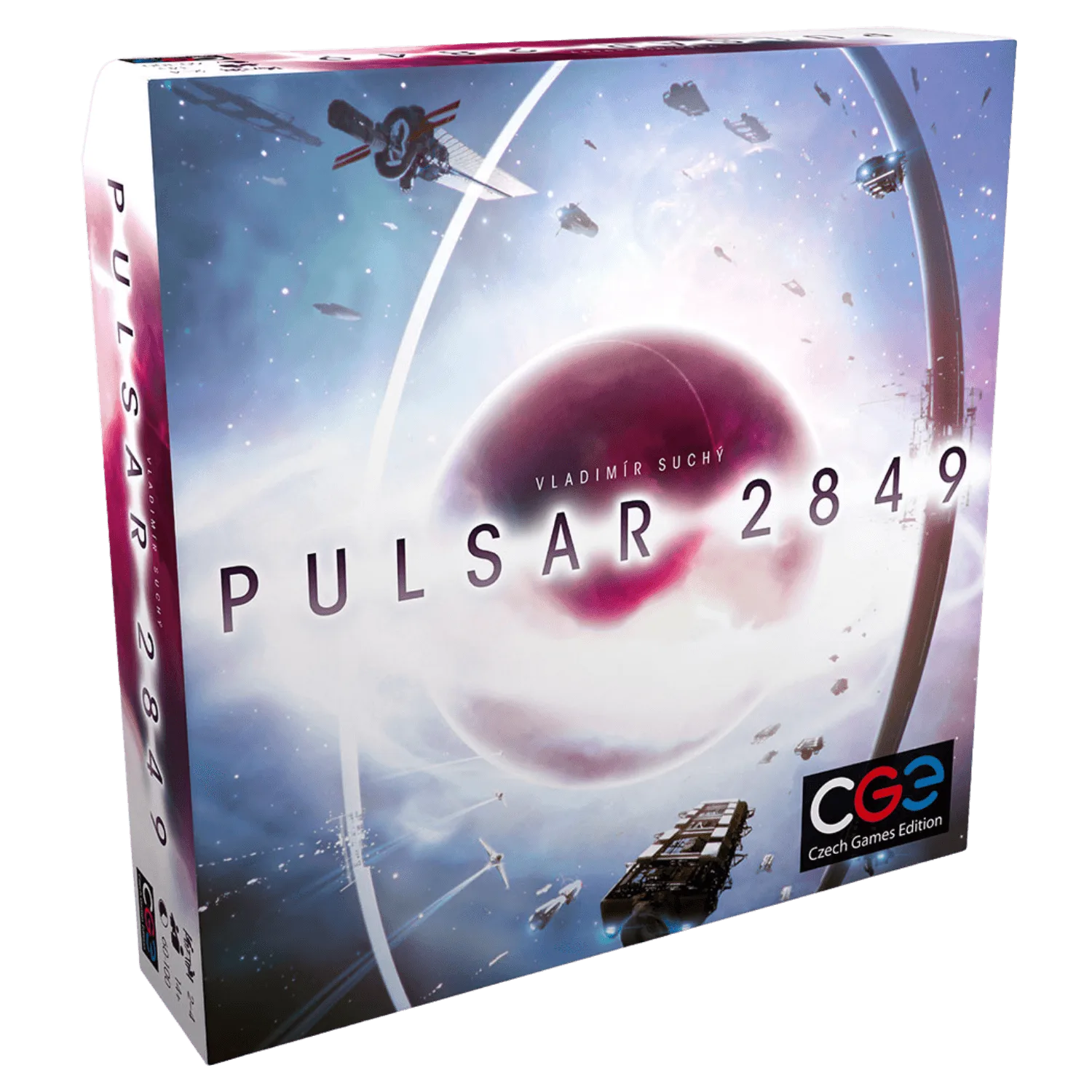
Pulsar 2849
-
Pulsar 2849: Dice are used to purchase actions, and players choose their dice from a communal pool. The communal pool is the heart of turn order and action selection; understanding it is the key to a smooth first round.
-
Pulsar 2849: There are many paths to victory, so you can blaze your own trail to a bright future. You do not need to copy a single dominant strategy; pick a path that matches the dice and technologies available to you.
Setting up without second-guessing every component
The supplied product information does not include a component list or a step-by-step setup sequence, so this guide cannot give you a verified setup checklist. What it can do is help you approach setup with the right priorities.
Start by identifying the shared board and the communal dice pool, because those are the elements the game's core mechanism depends on. Then sort the technology tiles and any player components so that everyone can see what is available. If your copy includes a setup diagram or reference card, follow that rather than improvising.
If you are unsure about a specific setup detail, treat the rulebook as the authority. The goal of this guide is to help you understand why the setup matters, not to replace the official instructions.
How dice drafting shapes your first round
Because dice are chosen from a communal pool, the first round is less about executing a grand plan and more about setting yourself up to execute one later. Each die you take buys an action, and the dice you leave behind become options for other players.
A useful beginner habit is to look at the pool before you look at your own plans. Ask which dice are likely to be taken quickly and which actions you can afford to delay. If a die supports a core action for your chosen path, take it; if it only supports a side idea, let it go.
Do not try to do everything in round one. The game explicitly offers many paths to victory, so your first round should clarify which path you are on rather than commit you to all of them.
First-round checkpoints for a smoother start
Use these checkpoints to make your opening decisions deliberately. They are general strategy prompts, not rules from the manufacturer.
- Name your path before you draft: Decide whether you are leaning toward claiming pulsars, discovering technologies, or building infrastructure. You can change later, but a clear starting intention makes die choices easier.
- Watch the communal pool, not just your own board: Since dice are chosen from a shared pool, the die you leave behind is a gift to the next player. Take the die that most directly advances your chosen path.
- Prefer flexible dice early: In the first round, a die that keeps multiple options open is often better than one that locks you into a single action you are not ready to use.
- Do not overcommit to technologies you cannot support: Technologies help you build energy-distribution infrastructure, but they are only useful if you can connect them to your other choices. Take them when they fit your path, not just because they are available.
What the supplied information does not cover
This guide does not include exact setup steps, player counts, play time, or component quantities, because those details are not present in the supplied product record. It also does not confirm any specific technology effects or scoring values.
That absence is not a judgment about the game; it simply means you should rely on the rulebook for procedural details. Use this article to build a mental model of the dice-drafting core, then let the official rules fill in the specifics.