Welcoming a new puppy into your home is an exciting journey filled with cuddles, playtime, and a whole lot of learning. One of the most critical aspects of puppy care is nutrition. During the first year of life, puppies grow rapidly, and their dietary needs are distinct from adult dogs. Understanding what to feed your puppy can set the foundation for a healthy and happy life.
This guide focuses on three powerhouse ingredients often found in high-quality puppy foods: turkey, pumpkin, and spinach. We'll explore their nutritional benefits, how they support your puppy's development, and what to look for when choosing a puppy food that includes these ingredients.
Why Puppy Nutrition Matters
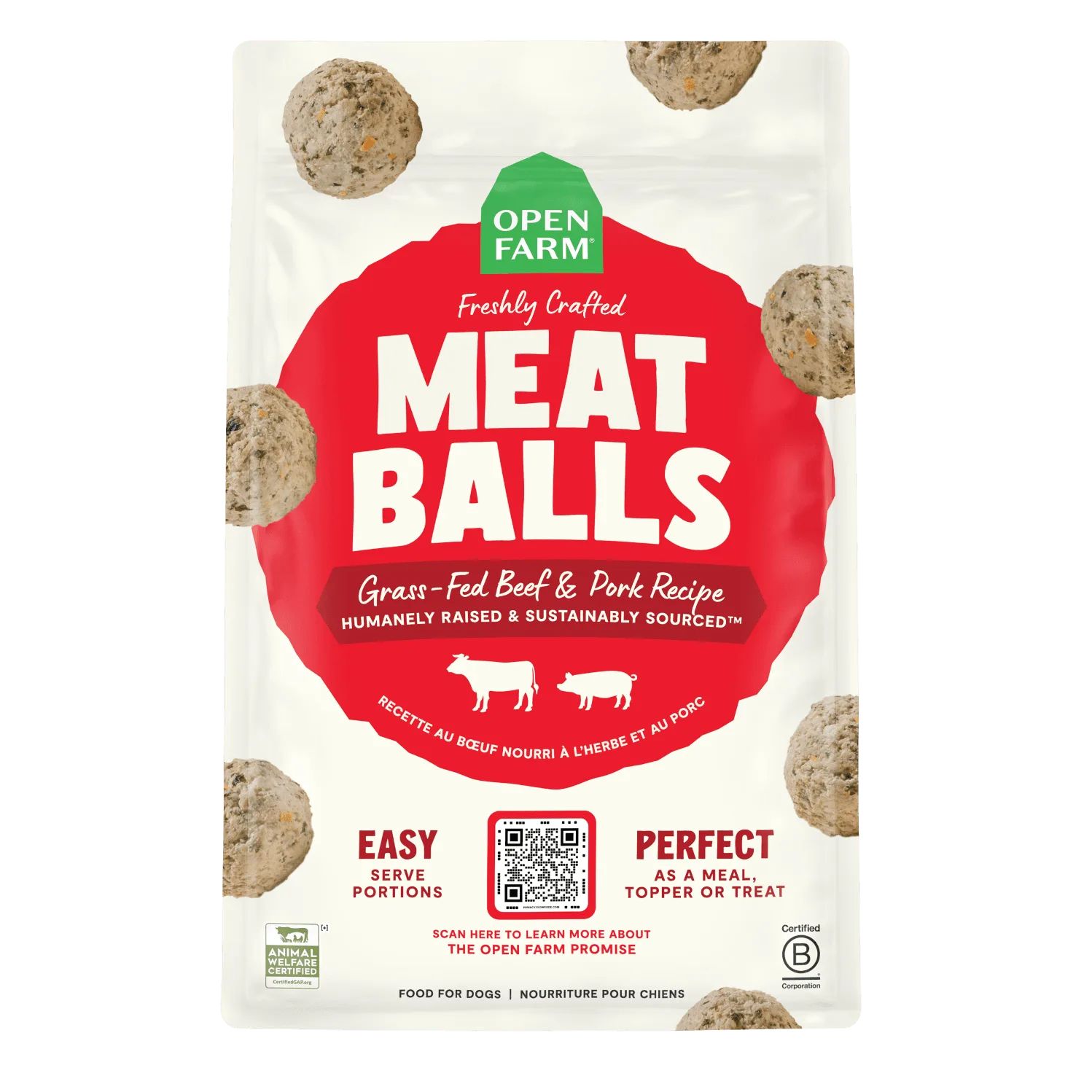
Puppies have higher energy requirements than adult dogs because they are growing, developing muscles, bones, and organs. Their diet must provide the right balance of protein, fats, carbohydrates, vitamins, and minerals. Protein is especially important as it supplies the building blocks for tissues and supports a strong immune system.
Feeding your puppy a complete and balanced diet is not just about preventing deficiencies; it's about optimizing growth. A well-nourished puppy is more likely to have healthy skin and coat, strong teeth and bones, and a robust immune system. Moreover, good nutrition can help prevent obesity and related health issues later in life.
- Puppies need about twice the calories per pound than adult dogs.
- Look for foods that meet AAFCO nutritional standards for growth.
- Always transition to a new food gradually over 7-10 days to avoid digestive upset.
Turkey: A Lean Protein Powerhouse
Turkey is an excellent source of high-quality protein for puppies. It is lean, meaning it provides essential amino acids without excessive fat, which is perfect for growing pups who need muscle development without extra calories. Turkey also contains B vitamins, including niacin and B6, which support energy metabolism and brain function.
When choosing a puppy food with turkey, consider the ingredient list. Whole turkey or deboned turkey is preferable to by-products. For example, Free Range Chicken Dry Food with Carrot & Chicory offers a similar poultry-based protein source, but if you specifically want turkey, check the label for 'turkey' as the first ingredient. Alternatively, you can incorporate cooked, plain turkey into your puppy's diet as an occasional treat, ensuring it is boneless and unseasoned.
Pumpkin: A Digestive Superfood
Pumpkin is a fantastic addition to a puppy's diet, primarily due to its high fiber content. It helps regulate digestion, which is crucial for puppies who often have sensitive stomachs. The soluble fiber in pumpkin can help firm up loose stools, while also aiding in preventing constipation. Additionally, pumpkin is rich in vitamins A, C, and E, as well as beta-carotene, which supports vision and immune health.
Pumpkin is also low in calories, making it a great filler for puppies who are prone to overeating. You can feed your puppy plain canned pumpkin (not pumpkin pie filling) or add a spoonful to their regular food. Some puppy foods incorporate pumpkin as an ingredient, providing these benefits in every meal. Always introduce pumpkin gradually to avoid digestive upset.
Spinach: Nutrient-Dense Greens
Spinach is a leafy green that packs a nutritional punch. It is loaded with iron, which is essential for healthy blood and oxygen transport, and it provides calcium for strong bones and teeth. Spinach also contains antioxidants like lutein and zeaxanthin, which support eye health, and vitamin K, which aids in blood clotting.
While spinach is beneficial, it should be given in moderation. Spinach contains oxalic acid, which can interfere with calcium absorption and may contribute to kidney stones in some dogs. However, when included in commercial dog foods, the amounts are carefully balanced to be safe. If you're adding spinach to your puppy's meals, chop it finely and cook it lightly to reduce oxalates. Always consult your vet if you have concerns.
Choosing the Right Puppy Food
When selecting a puppy food, look for a statement from the Association of American Feed Control Officials (AAFCO) indicating that the food is complete and balanced for growth. This ensures the food meets minimum nutritional requirements. Additionally, consider the ingredient quality and the source of protein.
For example, the Cod & Haddock Dry Food with Kale & Chickpeas offers an alternative protein source for puppies who may have poultry sensitivities, while still providing essential nutrients. If you're looking for a food that includes turkey, pumpkin, and spinach, you may need to check specialty brands or consult your veterinarian for recommendations. Remember that every puppy is unique, and their dietary needs may vary based on breed, size, and activity level.
- Check the guaranteed analysis for protein and fat content appropriate for puppies.
- Avoid artificial colors, flavors, and preservatives.
- Consider your puppy's specific needs (e.g., sensitive stomach, allergies).
Supplementing with Treats and Chews
Treats are an important part of training and bonding, but they should not make up more than 10% of your puppy's daily caloric intake. Opt for healthy, natural treats that complement their diet. For example, the Treat Bone is a long-lasting chew that can help with teething and promote dental health, while also providing a satisfying snack.
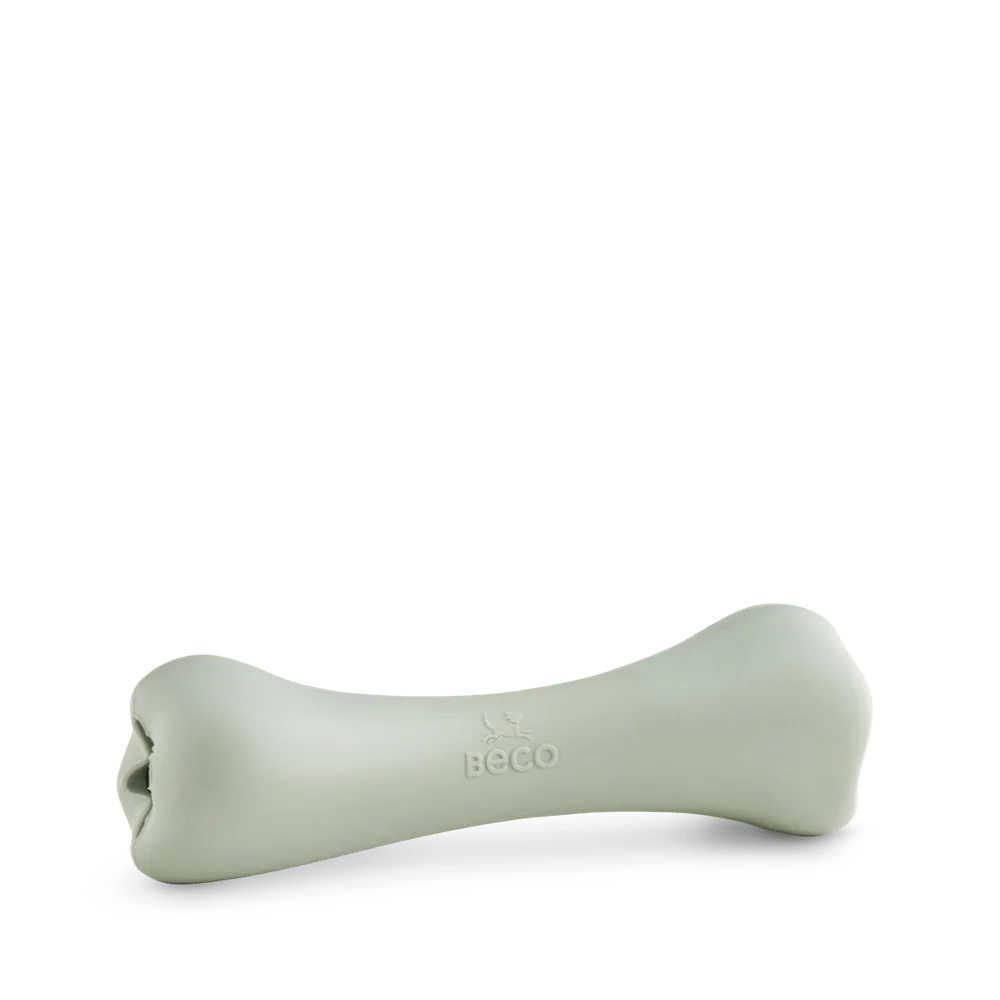
Treat Bone
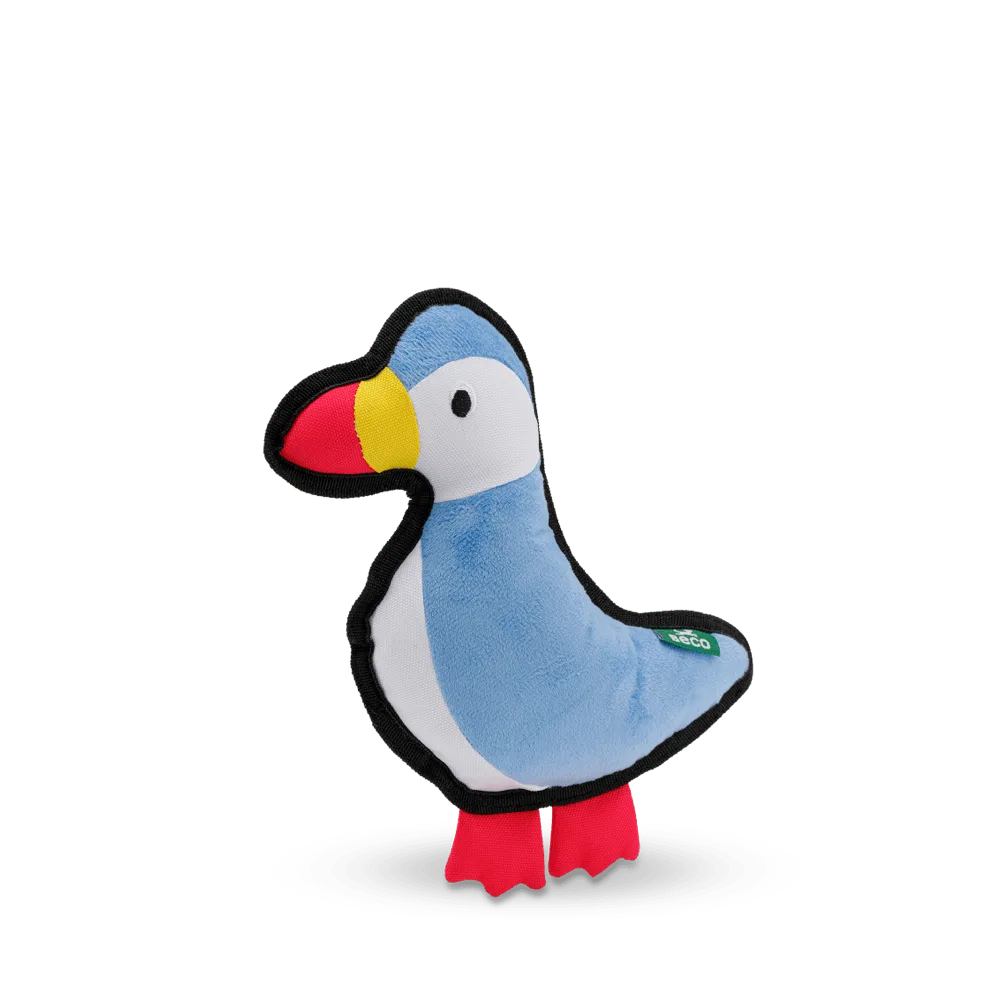
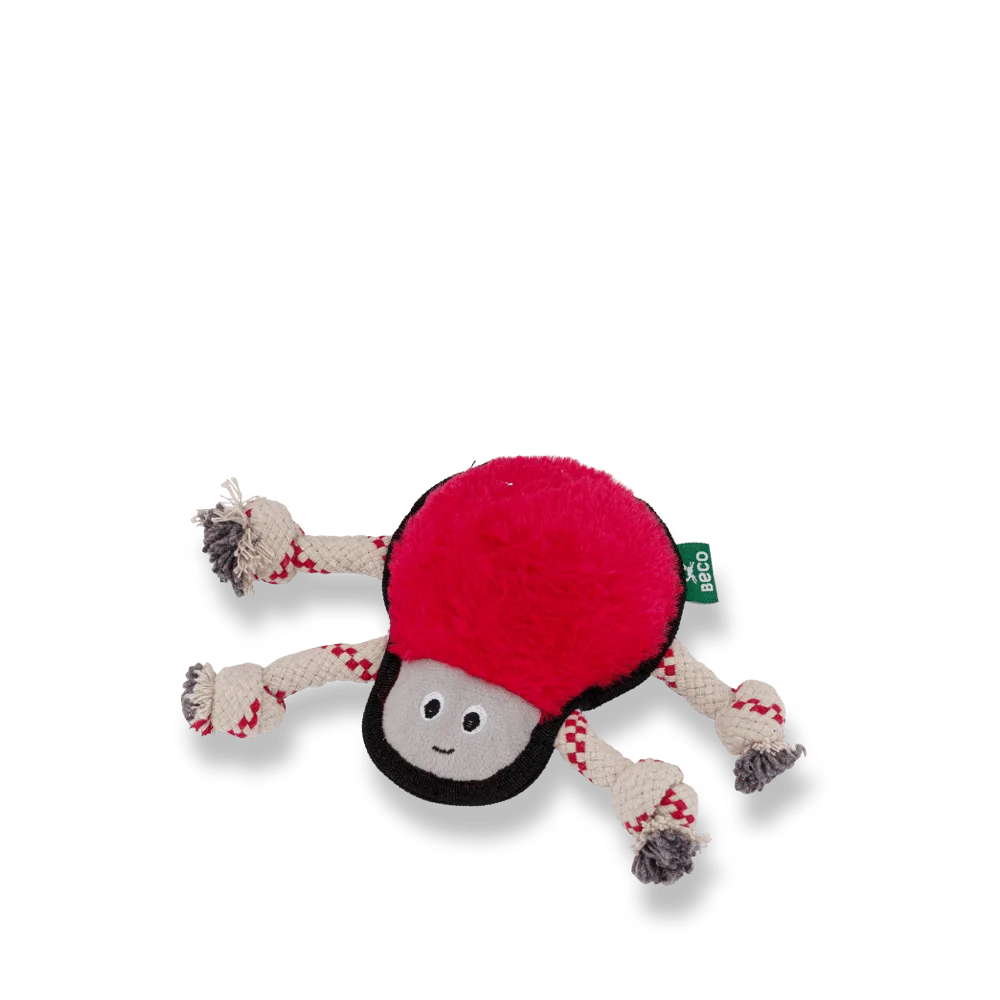
When using treats, always supervise your puppy to prevent choking hazards. Additionally, consider interactive toys like the Plush Spider Dog Toy or the Plush Puffin Dog Toy to keep your puppy engaged and mentally stimulated, which is also part of overall well-being.
Common Mistakes to Avoid
One common mistake is overfeeding, which can lead to rapid growth and skeletal issues. Follow the feeding guidelines on the food package, but adjust based on your puppy's body condition. Another mistake is giving too many treats, which can unbalance the diet.
Also, avoid feeding your puppy human foods that are toxic, such as chocolate, grapes, onions, and xylitol. Always research before offering any new food. If you're ever unsure, consult your veterinarian.
Understanding your puppy's nutritional needs is key to raising a healthy, happy dog. Turkey, pumpkin, and spinach offer excellent benefits when included appropriately in their diet. Always choose high-quality puppy food and consult your vet for personalized advice. With the right nutrition, your puppy will thrive and grow into a strong adult.