Quick Answer
Choose puppy pee pad training if you live in an apartment, work long hours, or face extreme weather; choose outdoor training if you have a yard and a consistent schedule. Many owners combine both: pads for backup and outdoor trips for routine. Whichever you pick, consistency matters more than the method.
How Pee Pad Training Works
Pee pad training uses an absorbent pad placed in a designated spot indoors. You take your puppy to the pad on a schedule, reward success, and gradually move the pad closer to the door if you plan to transition outside. The main advantage is that it works regardless of weather, time of day, or whether you have a yard. The trade-off is that you must clean or replace pads regularly, and some puppies learn to prefer the pad over grass.
How Outdoor Training Works
Outdoor training means taking your puppy to the same spot outside every few hours, starting first thing in the morning and after meals, naps, and play. It teaches the puppy to eliminate on grass or pavement from the start. The main advantage is that you skip the indoor pad habit entirely. The trade-off is that it requires access to a safe outdoor spot and a schedule that lets you get there every two to four hours during the early weeks.
Setting a Potty Training Schedule Puppy Owners Can Keep
A potty training schedule puppy owners can actually follow is the backbone of either method. For puppies under six months, plan a trip every two to four hours during the day, plus one or two nighttime trips. Feed on a regular schedule, take the puppy out or to the pad within 15 minutes of eating, and always go to the same spot. Keep a simple log for the first two weeks so you can spot patterns and adjust. If you work away from home, a mid-day visit from a walker or a pad setup for the hours you are gone keeps accidents from becoming habit.
Apartment and Small-Space Considerations
House training a puppy in an apartment adds stairs, elevators, and shared hallways to every potty trip. That friction is why many apartment owners start with pads and transition outside later. If you go that route, place the pad away from the puppy's sleeping and eating areas, and use a pad with enough layers to hold a full bladder without leaking. A waterproof blanket under or near the pad area can protect rugs and furniture during the learning period. When you do transition outside, move the pad one step closer to the door every few days, then place it just outside, then remove it.
What to Look For in Pee Pads
Not all pads are equal. Look for a pad with multiple layers and an absorbent gel core, because that is what turns liquid into a contained gel instead of a puddle. Weight is a useful signal: heavier pads generally contain more material. A pad that holds more than three cups of liquid gives you a buffer for overnight or long workdays. Lightly scented pads can help with odor, but if your puppy is a chewer, supervise pad use or choose a pad you can secure. Leak proof pee pad layers matter most on carpet, hardwood, and in crates.
When to Mix Methods
A hybrid approach works well for many households: outdoor trips as the main routine, with a pad available for overnight, bad weather, or travel. The risk is confusion if the pad stays out all the time and the puppy is never taken outside. Keep the pad in one fixed spot and treat it as a backup, not a second bathroom. If you travel or visit family, a pad in the car or guest room prevents accidents and keeps the routine recognizable.
Trade-Offs at a Glance
- Pee pad training: Works in any weather, no yard needed, and fits long workdays. Requires buying and replacing pads, and some puppies prefer the pad over grass. Best for apartments, night shifts, and extreme weather.
- Outdoor training: Skips the indoor pad habit and uses grass or pavement from day one. Requires a safe outdoor spot and trips every two to four hours early on. Best for yard access and predictable schedules.
- Hybrid approach: Outdoor trips as the main routine with a pad for overnight, travel, or bad weather. Risk of confusion if the pad stays out permanently. Keep the pad in one spot and treat it as backup.
Product Facts to Compare
- Mr. Peanut’s Premium Absorbent Gel Pee Pads 23"X23", 6 Layers of Lightly Scented Protection: Mr. Peanut's Premium Absorbent Gel Pee Pads 23"X23" have 6 layers and a gel core, with each pad containing a full 2oz of material and gel. They are lightly scented and tested to contain and quickly dry more than 3 cups of liquid. The 3-cup capacity and gel core give you a buffer for overnight or long workdays, and the 6 layers are what keep liquid from reaching your floor.
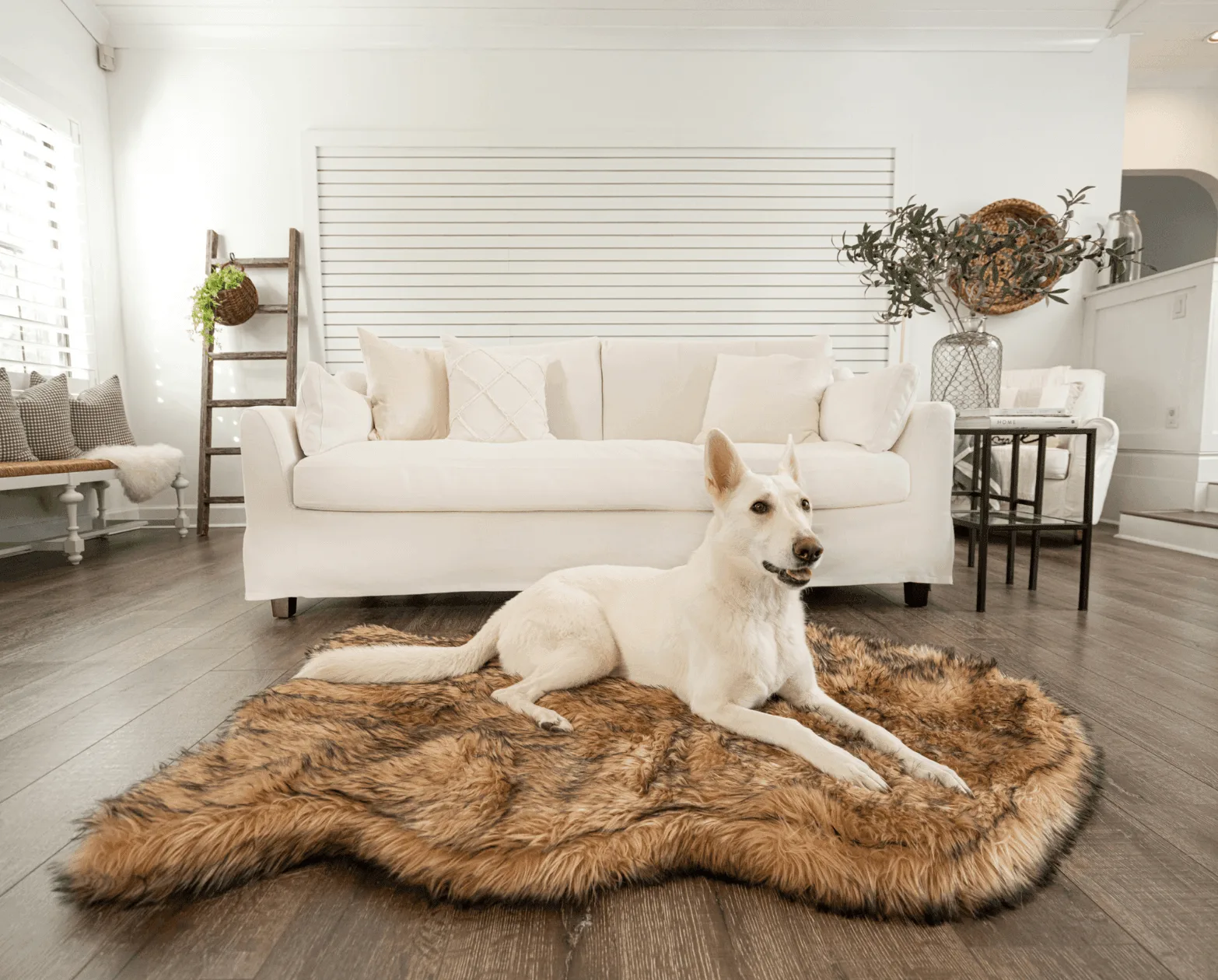
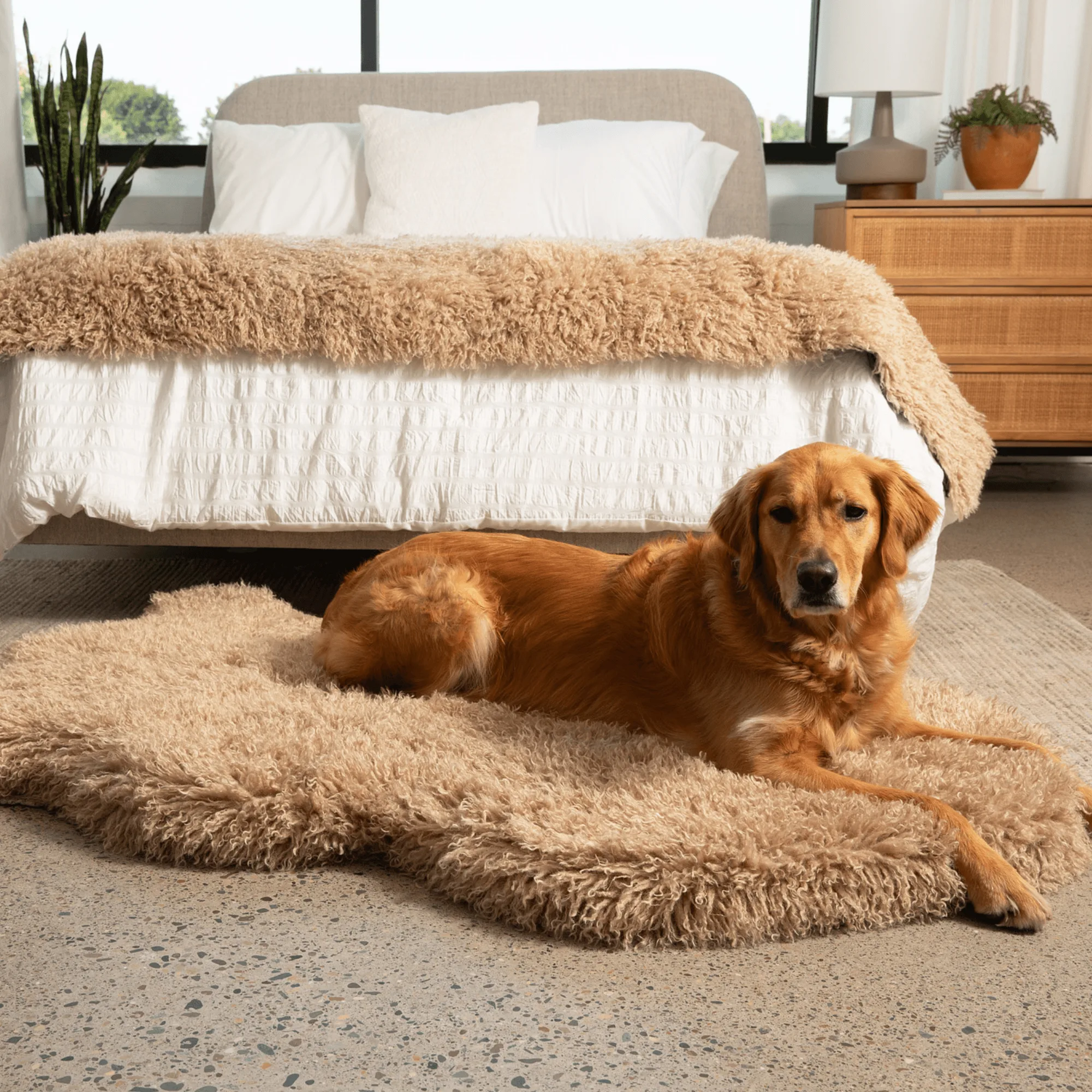
- PupProtector™ Waterproof Throw Blanket - Brown Faux Cowhide: The PupProtector Waterproof Throw Blanket is a patent pending, machine washable, waterproof blanket designed to protect furniture, car seats, and dog beds from hair, dirt, spills, and scratching. Placed under or near the pad area, it protects rugs and furniture during the learning period and doubles as a car or couch cover for travel.
Which Method Fits Your Home?
Best for
- Apartment dwellers without easy yard access
- Owners who work long or irregular hours
- Regions with extreme heat, cold, or rain
- Puppies not yet fully vaccinated who must limit outdoor exposure
Not for
- Owners with a fenced yard and a consistent daily schedule
- Puppies who already eliminate reliably outside
- Households unwilling to manage pad replacement and cleanup