Quick Answer
Choose pure saffron by looking for long, deep red threads with orange tips, a strong honey-like aroma, and a slow, even color release in liquid. Avoid broken, pale, or powdery batches that may be adulterated.
Why Saffron Purity Matters for Cooking and Value
Pure saffron is expensive because each thread is hand-harvested from Crocus sativus flowers. A single pound requires over 70,000 blossoms. That cost means adulteration is common: cheaper fillers like safflower, turmeric, or dyed corn silk are mixed in to cut corners.
Using impure saffron ruins both flavor and color. You pay for something that does not deliver the floral, honey-like taste or golden hue that makes saffron special. Knowing how to spot the real thing saves money and ensures your dishes turn out as intended.
Trade-Off: Whole Threads vs. Powdered Saffron
Whole threads are the safest choice for verifying purity. You can see the characteristic trumpet shape, deep red color, and lighter orange tips. Powder is much easier to adulterate because ground spices and dyes are hard to detect by eye.
The trade-off is convenience. Powder releases flavor instantly, while threads need a brief soak in warm water or broth to unlock their full potential. For most cooking, threads are worth the extra minute because you can trust what you are getting.
How to Choose Pure Saffron: Decision Rules
- Check the appearance: Look for long, deep red threads with a slight trumpet shape and lighter orange or yellow tips. Avoid uniform red color, broken bits, or powder—these often hide adulteration.
- Smell test: Real saffron has a distinct sweet, hay-like, almost honey aroma. If it smells metallic, musty, or like turmeric, it is likely adulterated.
- Water test: Drop a few threads into warm water. Pure saffron releases color slowly, turning the water a clear golden yellow. If the water turns red or orange immediately, or if the threads bleed color unevenly, fillers or dyes are present. Do this test at home before cooking with a new batch.
- Check the origin and grade: Iran produces the majority of the world's saffron and is known for high quality. Look for a grade like "Sargol" (red tips only) or "Pushal" (red plus some yellow style) on the label. Avoid vague origins or no grade information.
- Beware of very low prices: If the price is dramatically lower than market average, the saffron is almost certainly cut with cheaper ingredients. Real saffron is expensive for a reason. Compare prices across reputable sellers to gauge a realistic range.
Saffron Product Facts
-
Pure Saffron: Natural Developments – the Treasure Pure Saffron. These threads are picked from a rare purple flower, delicate and precious. A pinch easily changes an ordinary dish into a magical taste. This product offers whole threads, so you can visually inspect their shape and color before use, giving you confidence in purity and potency.
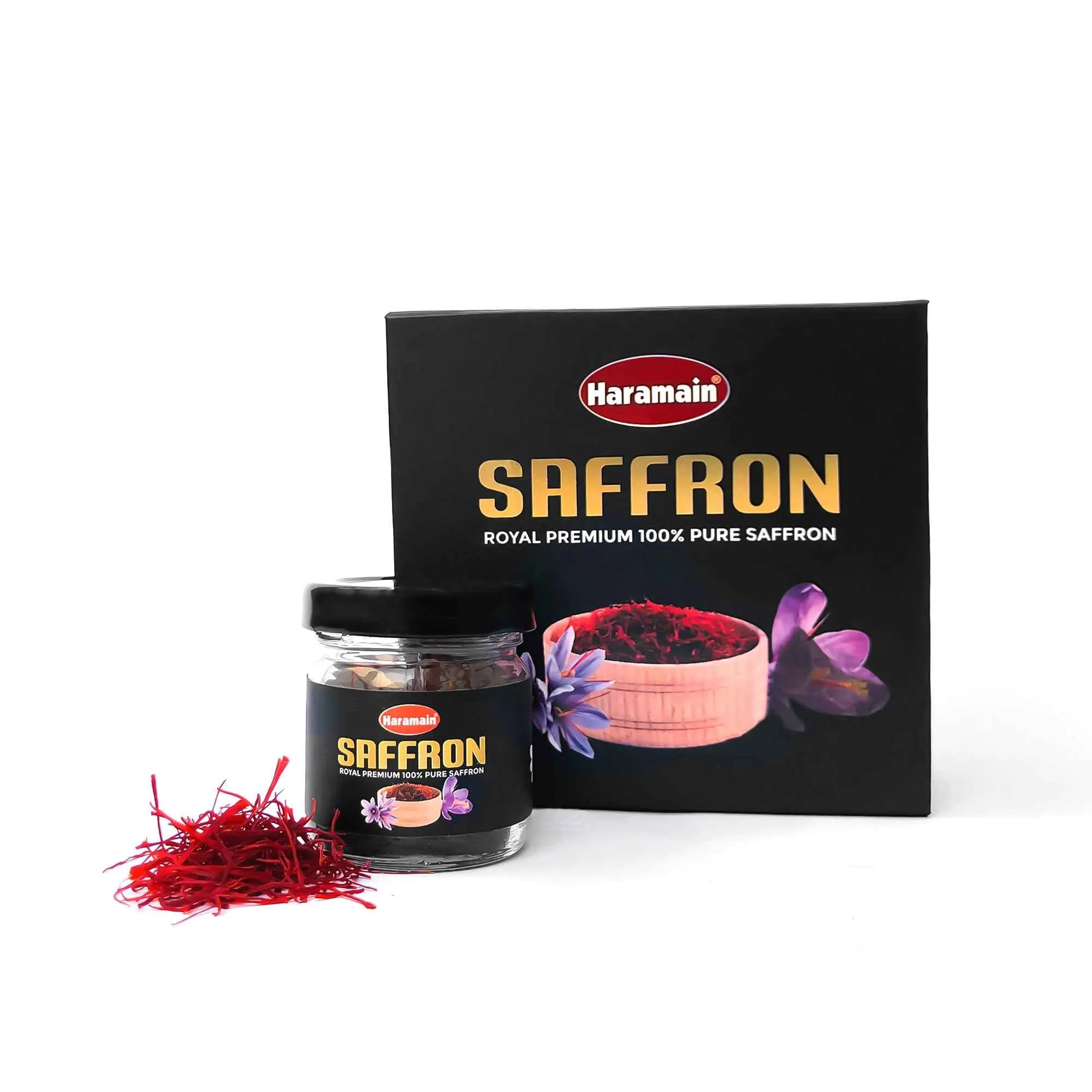
Pure Saffron
Who Should Buy Pure Saffron Threads
Best for
- Home cooks who want authentic flavor and color in dishes like paella, risotto, or Persian rice
- Anyone who values ingredient transparency and wants to verify purity visually
Not ideal for
- Bakers or cooks who need instant color release without steeping (consider high-quality powdered saffron from a trusted source)
- Budget shoppers who cannot justify the premium price for whole threads