Quick answer
Choose Pure Sidr/Berry Honey when you want a single, richly flavored jar that works for everyday spooning, tea, and drizzling, and buy the weight that matches how often you actually use honey. If you only sweeten drinks occasionally, a smaller jar keeps the honey fresher and lowers the upfront cost.
What pure Sidr/Berry honey tastes like and why the name matters
Sidr honey comes from the Sidr tree, and the flavor is typically described as deep, malty, and less sharp than lighter floral honeys. The 'berry' in this product name signals a berry-like character on top of that base, so expect a darker, fuller profile rather than a delicate, neutral sweetness. Taste is the main reason to pay more for Sidr-type honey: it holds its own on toast or with cheese instead of disappearing into the background.
Because flavor varies with harvest and region, treat any taste description as a starting point, not a guarantee. If you are sensitive to strong honey flavors, taste a small amount plain before you commit the jar to a recipe.
Everyday Sidr honey uses that justify a larger jar
Sidr honey is at its best where its flavor can show: stirred into hot tea after the water has cooled slightly, spooned over yogurt or oatmeal, drizzled on warm bread, or paired with cheese and fruit. It also works as a glaze for roasted vegetables or a finishing drizzle on baked goods. These uses consume honey steadily, which is why a larger jar makes sense for regular cooks.
For baking, strong honey can overpower delicate recipes, so use it where the honey is meant to be tasted. For cold drinks and dressings, whisk it with a little warm water first so it blends evenly.
The trade-off: price, jar size, and how fast you use honey
A premium Sidr jar costs more per gram than supermarket honey, and the catalog price for this product reflects that positioning. The practical question is not whether it is expensive but whether you will use it before it deteriorates in flavor. Honey keeps well, but it does darken and lose aroma over long periods, especially in a warm kitchen.
Buying a larger weight lowers the cost per serving only if you use honey several times a week. If you use it rarely, the savings disappear because the last portion sits unused. Match the jar to your habit, not to the discount.
Decision rules for buying a Sidr honey jar
- Match jar size to weekly use: If you use honey most days in tea, yogurt, or cooking, choose the larger weight. If you use it a few times a month, choose the smallest weight available. Estimate your weekly spoons before comparing prices per jar.
- Judge value by cost per serving: Divide the jar price by the number of servings you realistically expect. A larger jar is only better value if you will finish it while the flavor is still fresh.
- Buy for flavor first, not for the label: Choose Sidr/Berry honey when you want a darker, fuller honey for eating plain or pairing with cheese. If you mainly need a neutral sweetener for baking, a lighter honey will do the job for less.
- Check the option before checkout: Confirm the weight option you selected matches the jar you intend to buy, since the product is priced by weight and the price changes with the size. Recheck the weight in your cart before paying.
Product facts
-
Pure Sidr/Berry Honey: Pure Sidr/Berry Honey is sold by weight, with a catalog price of USD 377.37 against a comparison price of USD 599.00. Because the option is weight-based, you can choose the jar size that fits your usage instead of paying for more honey than you will finish.
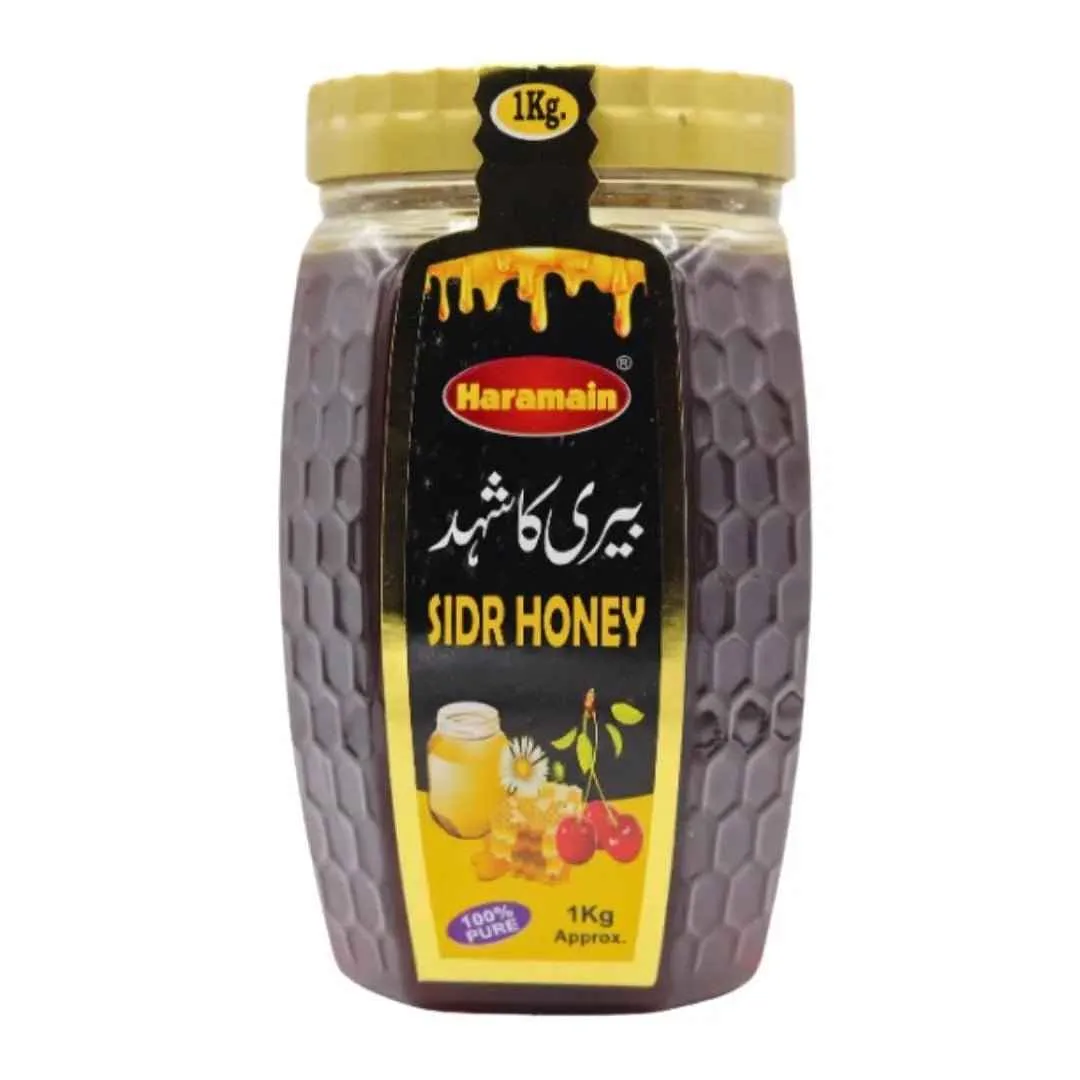
Pure Sidr/Berry Honey
Who should buy this jar
Best for
- Regular honey users who want one flavorful jar for tea, toast, and yogurt
- Shoppers looking for a darker, fuller honey to serve with cheese or fruit
- Buyers who prefer to choose a jar size by weight
Not for
- Occasional users who will not finish a large jar before the flavor fades
- Bakers who need a neutral, inexpensive sweetener in volume
- Shoppers who want a delicate, light floral honey