Quick answer
Keep puzzles in good condition by handling pieces with clean, dry hands, storing them fully assembled or in a sealed bag inside the original box, and cleaning only with a soft dry cloth or a gentle vacuum on low suction. Avoid water, heat, and direct sunlight. A five-minute routine after each session prevents most wear.
A jigsaw puzzle can last for decades if you treat it like any other paper product: keep it dry, keep it flat, and keep it away from sunlight. Most damage happens not during solving but during storage and handling between sessions.
This guide walks through a simple puzzle maintenance routine, from the first sort to long-term storage. It applies to any brand, though some Clementoni puzzles have specific features worth knowing about.
Why puzzle maintenance matters more than you think
Puzzle pieces are made from recycled cardboard with a printed paper layer on top. That layer is vulnerable to moisture, oils from your hands, and friction. Once the image layer lifts or delaminates, the piece is difficult to repair and the fit becomes loose.
Dust and grit are the silent enemies. They work their way into the die-cut edges and act like sandpaper every time you connect two pieces. Over time, that abrasion rounds the tabs and makes the puzzle feel sloppy.
- Handle pieces with clean, dry hands; avoid lotions or greasy snacks while puzzling.
- Work on a smooth, clean surface like a puzzle mat or a dedicated table.
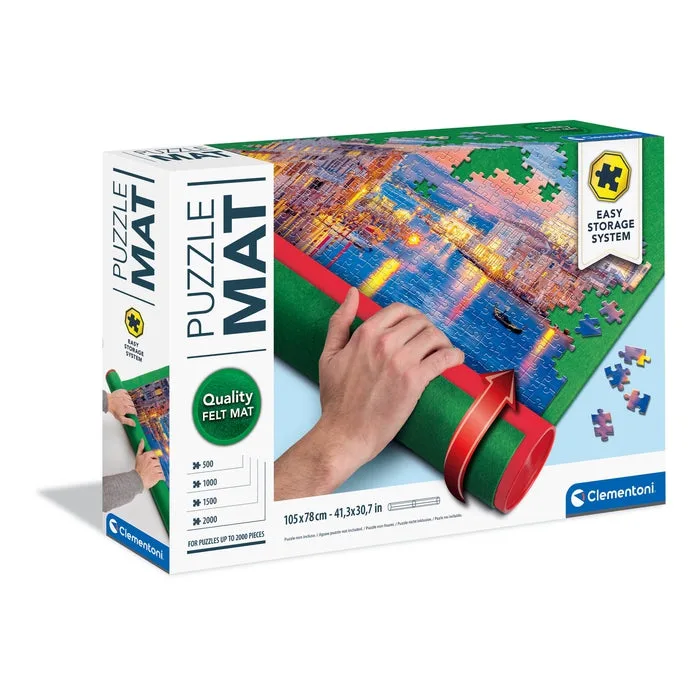
puzzle mat
- Keep drinks in a lidded cup and away from the puzzle area.
Step 1: Clean pieces safely before and after assembly
Start with a dry soft cloth or a clean makeup brush to wipe dust from the puzzle surface. For deeper cleaning between the pieces, place them in a colander or a mesh bag and gently shake to dislodge debris. Never submerge pieces in water or use household cleaners; moisture swells the cardboard and lifts the print.
If you need to remove sticky residue, lightly dab with a barely damp cloth and dry immediately with a hair dryer on the cool setting. Check that no piece feels cool or damp before storing.
- Use a vacuum with a brush attachment on the lowest suction to clean a completed puzzle.
- Do not use alcohol, acetone, or abrasive sponges on printed puzzle surfaces.
- Test any cleaning method on a single edge piece first.
Step 2: Store puzzles so pieces stay flat and together
The original box is usually the best storage container because it protects from light and dust. Place pieces in a resealable bag inside the box, press out excess air, and store the box flat or upright on a shelf. Avoid stacking heavy objects on top, which can warp pieces.
If you keep a puzzle assembled, slide it onto a puzzle mat or a stiff board and store it horizontally. For long-term storage, break the puzzle into sections and stack them gently; do not force pieces together.
- Label the bag with the puzzle name and piece count if you own many puzzles.
- Keep storage areas dry; avoid basements, attics, and damp garages.
- Use acid-free tissue paper between stacked puzzles if you store them assembled.
Step 3: Protect puzzles from light, heat, and pests
Direct sunlight fades printed colors within months. Store puzzles in a closed cabinet or a box, and if you display a completed puzzle, keep it out of direct sun. Heat above normal room temperature can soften the glue and cause pieces to warp, so avoid radiators and hot cars.
Silverfish and other insects eat paper and glue. Keep storage areas clean, and consider a cedar block or silica gel packet in the cupboard. Check stored puzzles once a year for tiny holes or frass.
- Rotate displayed puzzles away from windows every few months.
- Use a dehumidifier in damp climates to keep relative humidity between 30% and 50%.
- Inspect stored puzzles for insect damage before each new solve.
Step 4: Handle completed puzzles with care
When you need to move a completed puzzle, slide a stiff board or a puzzle mat underneath rather than lifting by the edges. Support the whole surface with both hands. If you plan to glue and frame the puzzle, use a dedicated puzzle glue and follow the instructions; gluing makes the puzzle permanent and prevents future disassembly.
For puzzles you want to solve again, avoid gluing. Instead, disassemble from the center outward, placing pieces directly into the storage bag. This reduces bending and keeps the box organized.
- Never lift a large puzzle by one corner; the weight will crack the interlocking tabs.
- Use a puzzle mat with a roll-up tube for temporary storage during a long solve.
- If a piece bends, place it under a heavy book for a day to flatten it.
Your 5-step puzzle maintenance routine
- Clean hands and surface: Wash and dry your hands before every session. Wipe the table with a dry cloth to remove dust and crumbs. Checkpoint: if your hands feel oily, wash again before touching pieces.
- Sort and assemble on a clean mat: Use a puzzle mat or a smooth board to keep pieces off rough surfaces. Sort pieces by color or edge, but avoid tossing them into piles that bend tabs. Mistake to avoid: sorting on a carpet, which traps dust and can snag pieces.
- Clean the completed puzzle gently: After finishing, vacuum the surface with a brush attachment on low suction, or wipe with a dry microfiber cloth. Do not use water or cleaners. Checkpoint: hold the cloth up to the light; if you see dust, repeat.
- Disassemble and bag pieces: Take the puzzle apart from the center outward. Place pieces in a resealable bag, press out air, and put the bag inside the original box. Mistake to avoid: forcing pieces apart, which can tear the paper layer.
- Store flat in a dry, dark place: Keep boxes on a shelf away from sunlight, heat sources, and damp. Stack no more than three boxes high to prevent crushing. Next step: set a yearly reminder to inspect stored puzzles for pests or moisture.
Clementoni puzzles and care notes
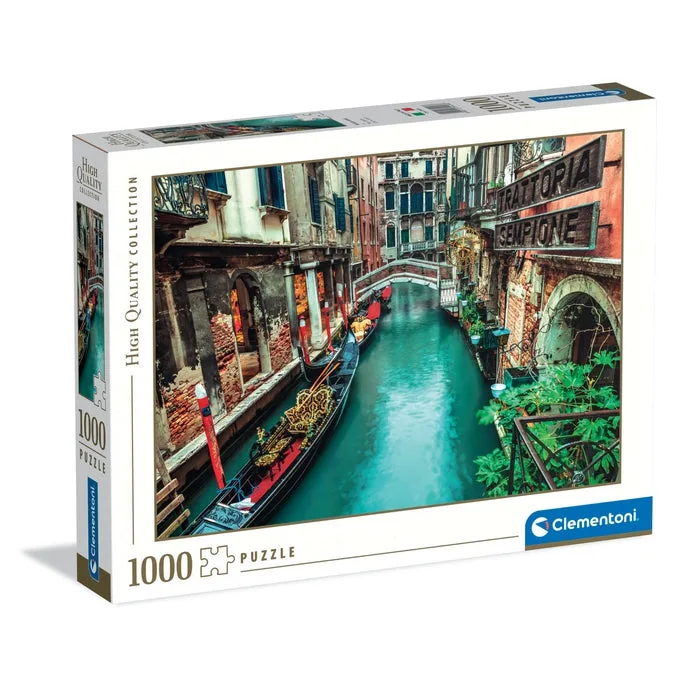
- Venice Canal - 1000 pezzi: 1000-piece adult puzzle, completed size 70 x 50 cm, made in Italy using recycled materials. A standard 1000-piece size fits most puzzle mats and boards, and the recycled cardboard benefits from dry storage to prevent warping.
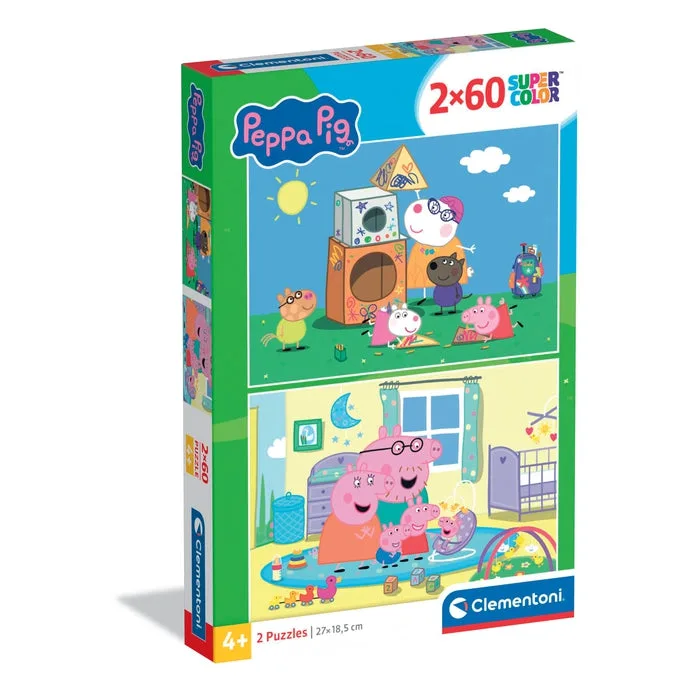
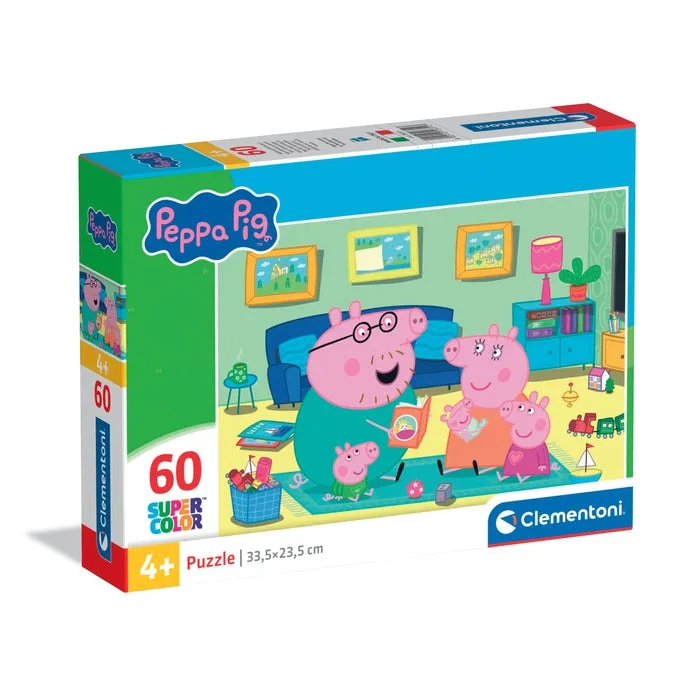
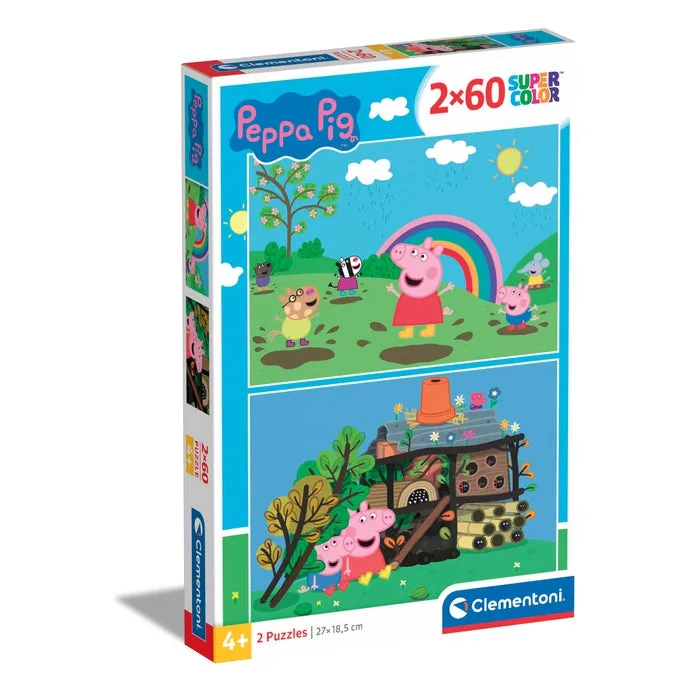
- https://clementonijgz.com/products/peppa-pig-60-pezzi-4-981ea433e7b0b85045f0b197-1566236https://clementonijgz.com/products/peppa-pig-60-pezzi-5-f414742a416a68f5584b1163-1566279PEPPA PIG - 60 pezzi: Two 60-piece children's puzzles, each completed size 27 x 19 cm, designed to develop observation and manual skills. Smaller pieces and frequent handling by kids make these puzzles more prone to bending and loss; a resealable bag and flat storage are essential.
- KPOP DEMON HUNTERS - 500 pezzi: 500-piece creative puzzle, suggested for ages over 10 years. The 500-piece count is a good middle ground for storage: it fits in the original box without much compression, reducing wear on the pieces.
Puzzle maintenance is mostly about small habits: clean hands, a dry cloth, and smart storage. Do these consistently and your puzzles will stay tight, bright, and ready for the next solve, whether it is a 60-piece Peppa Pig set or a 1000-piece Venice Canal.