What makes chai kadak
Kadak chai is about strength you can taste: a bold, malty body that stands up to milk and spice without turning thin. The leaf you start with matters as much as the method. Pyaalee Black Assam Tea is described as a strong, full-bodied blend with a rich malty flavour, vibrant colour and invigorating aroma, which makes it a sensible starting point for a kadak cup.
The supplied product information does not include a manufacturer brewing recipe, so the guidance below is a practical framework rather than a fixed instruction. Use it to find your own repeatable cup.
A repeatable kadak chai method
This sequence keeps the variables few so you can adjust one thing at a time.
- Measure the leaf: Start with a generous spoonful of Pyaalee Black Assam Tea per cup. Because the blend is described as full-bodied, begin stronger than you would for a delicate tea and adjust down if it turns bitter.
- Bring water to a rolling boil: Use fresh water and let it reach a full boil before adding the leaves. A rolling boil helps extract the colour and malty character the blend is known for.
- Add the tea and simmer briefly: Add the leaves, reduce to a gentle simmer and let them open for a few minutes. Watch the liquor darken; that colour is your first checkpoint.
- Add milk and return to a simmer: Pour in your milk of choice and bring the mixture back to a gentle simmer. Keep the heat low enough that it does not boil over.
- Simmer until the colour deepens: Let the milk and tea simmer together until the mixture takes on a rich, even colour. This is the stage that builds the kadak character.
- Strain and taste: Strain into your cup and taste before adding sugar. If the cup feels weak, simmer a little longer next time; if it feels harsh, use slightly less leaf or a shorter simmer.
Leaf-to-water ratio and milk method
There is no single correct ratio, but a starting point helps you dial in your own. The key is to treat the first cup as a baseline, not a final recipe.
- Start with a strong base: Use more leaf than you would for a light black tea. A common starting point is one heaped teaspoon per cup of water, then adjust after tasting.
- Keep water and milk separate until the tea is ready: Boil the water with the leaves first, then add milk. This gives the leaf a chance to release its colour and malt before the milk softens the cup.
- Simmer, do not hard-boil, once milk is added: A gentle simmer keeps the milk from scorching and lets the flavours marry. Hard boiling can make the cup taste flat.
- Adjust one variable at a time: If the cup is too weak, increase the leaf or the simmer time. If it is too strong or bitter, reduce the leaf first, then the simmer time.
What Pyaalee Black Assam Tea brings to the cup
-
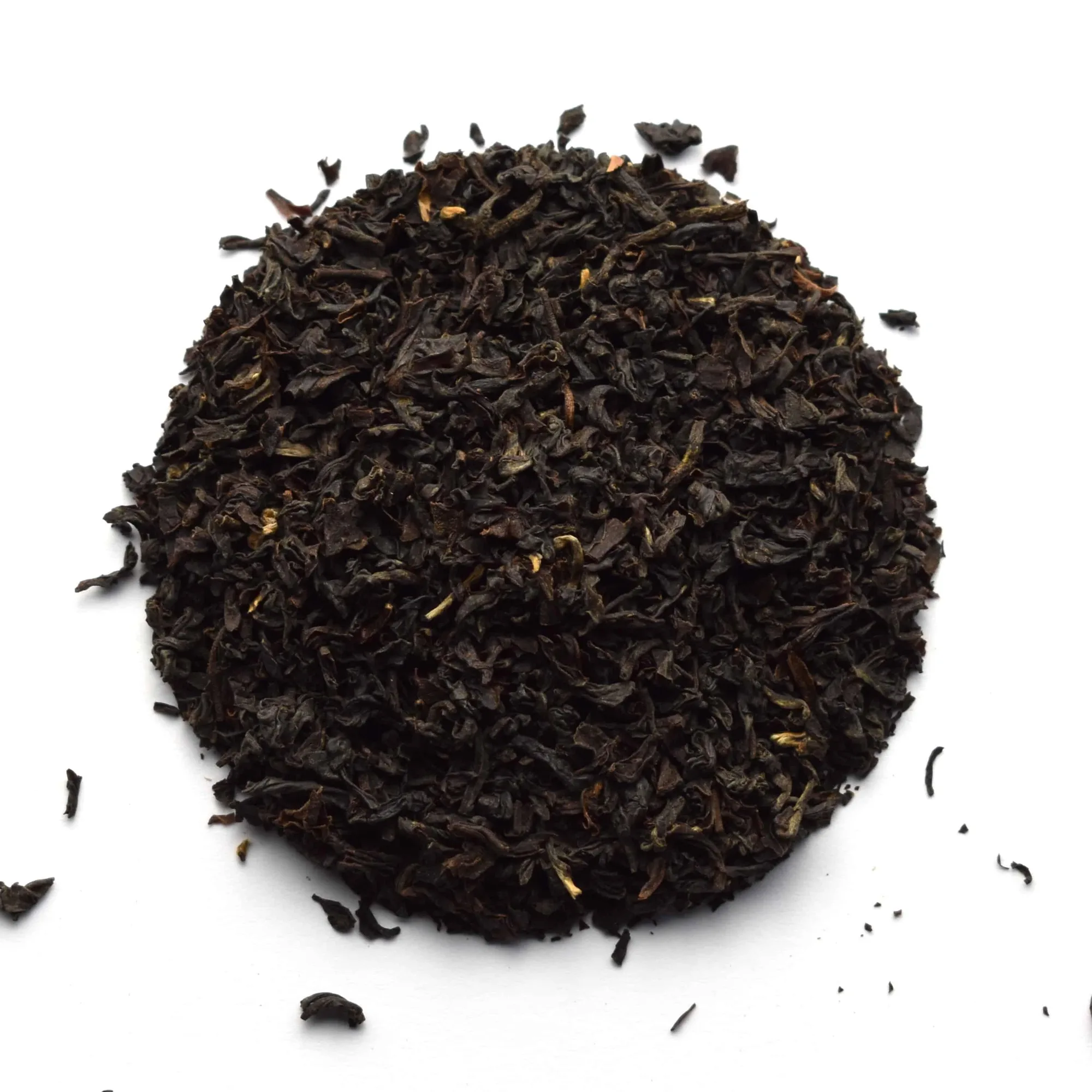
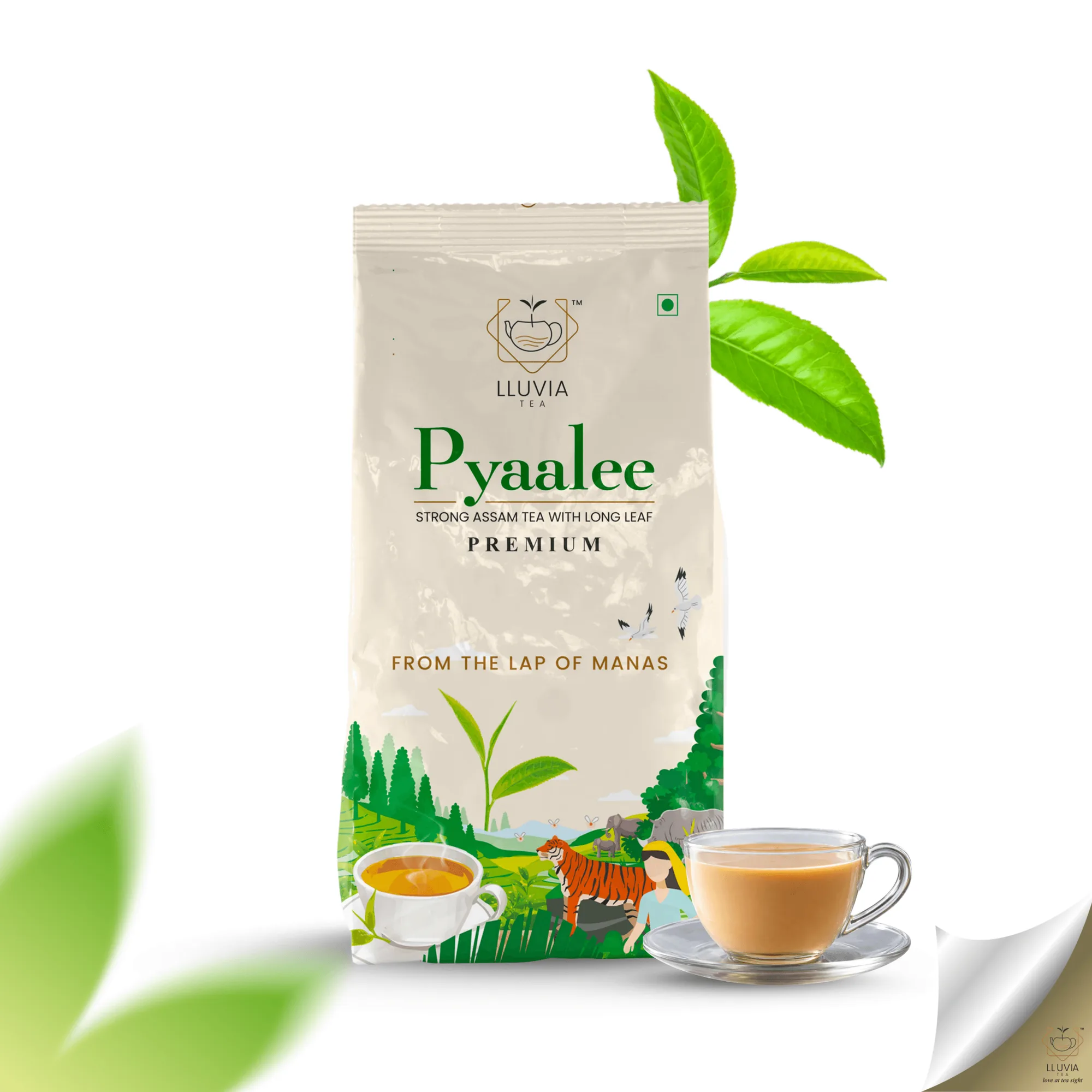
Pyaalee Black Assam Tea for Strong Kadak Chai | LLuvia Tea | 100g-1kg: Described as a strong, full-bodied blend with a rich malty flavour, vibrant colour and invigorating aroma. These are the qualities that make a chai taste kadak rather than thin, so they are the checkpoints to look for as you brew.
Pyaalee Black Assam Tea for Strong Kadak Chai | LLuvia Tea | 100g-1kg
-
Pyaalee Black Assam Tea for Strong Kadak Chai | LLuvia Tea | 100g-1kg: Available in 250 GM, 500 GM and 1 KG sizes. Choose a size that matches how often you brew; a smaller pack keeps the leaf fresher if you drink chai occasionally.
-
Pyaalee Black Assam Tea for Strong Kadak Chai | LLuvia Tea | 100g-1kg: Sourced from the tea gardens of Assam and described as an everyday classic. Assam teas are known for malt and body, which is why this blend is suited to milk-based chai rather than light sipping.
Checkpoints for a strong cup
You do not need a timer to brew kadak chai well, but you do need to watch the cup. The first checkpoint is colour: the liquor should turn a deep, vibrant red-brown before you add milk. The second is aroma: the malty note should be clear when you lean over the pan. The third is texture: after milk is added, the chai should feel full in the mouth, not watery.
If any checkpoint is missing, adjust the next brew rather than the current one. Strong chai is easier to repeat when you change only one thing at a time.
Storing the leaf between brews
The supplied product information does not include a specific storage instruction, so keep the leaf in a cool, dry place away from strong smells and moisture. Reseal the pack tightly after each use. If you buy the 1 KG size, consider transferring a portion to a smaller airtight container so the main pack is opened less often.