Quick Take
QR code stickers provide an easy bridge between physical items and digital experiences. For any campaign that needs instant interaction, choose a durable, waterproof sticker to keep the QR code readable outdoors. Pair the sticker with clear calls to action for the best results.
QR code stickers have moved from novelty to a core tool in modern marketing, letting consumers scan a design and instantly reach a website, video, or coupon. This utility is especially valuable when the sticker lands on items people handle daily, like water bottles or laptops.
Beyond simple scans, sticker technology integration is driving new interactive trends, such as real‑time analytics, location‑based content, and gamified experiences. Brands that adopt these features can turn a static surface into a dynamic touchpoint.
What are QR code stickers and how do they work?
A QR code sticker is a printed adhesive label that contains a matrix barcode. When scanned with a smartphone camera, the code redirects the user to a predefined digital destination, such as a landing page or social profile. The sticker itself can be any shape or design, but the QR pattern must remain clear and undistorted.
How can businesses use QR code stickers for marketing?
Businesses can place QR code stickers on product packaging, storefront windows, event passes, or promotional swag. Each scan provides data on user location, time, and device, enabling marketers to measure campaign reach and adjust messaging in real time. Pair the QR code with a compelling offer—like a discount or exclusive video—to boost conversion rates.
- Add a short URL behind the QR for easy fallback.
- Test the code on the actual sticker material before mass printing.
What durability considerations should I keep in mind for outdoor QR code stickers?
Outdoor exposure demands stickers that resist water, UV light, and temperature changes. A faded or warped QR pattern will fail to scan, negating the utility of the sticker. Choose waterproof vinyl with a UV‑laminated coating to protect the code and maintain readability over time.
- Check the printed QR size—at least 1 inch square for reliable scanning.
- Apply the sticker on a clean, smooth surface to avoid air bubbles that can distort the code.
FAQ Summary
Key Takeaway
QR code stickers turn ordinary surfaces into interactive touchpoints, driving measurable digital engagement. Prioritize durability to keep the code functional.
Implementation Tip
Print QR codes on waterproof, UV‑laminated stickers and test scans on the final material before full production. Avoid scanning issues caused by fading or warping.
Next Steps
Integrate QR scans with analytics tools to track performance and refine your campaign messaging. Use data to optimize future sticker placements.
Product Examples that Meet QR Code Durability Needs
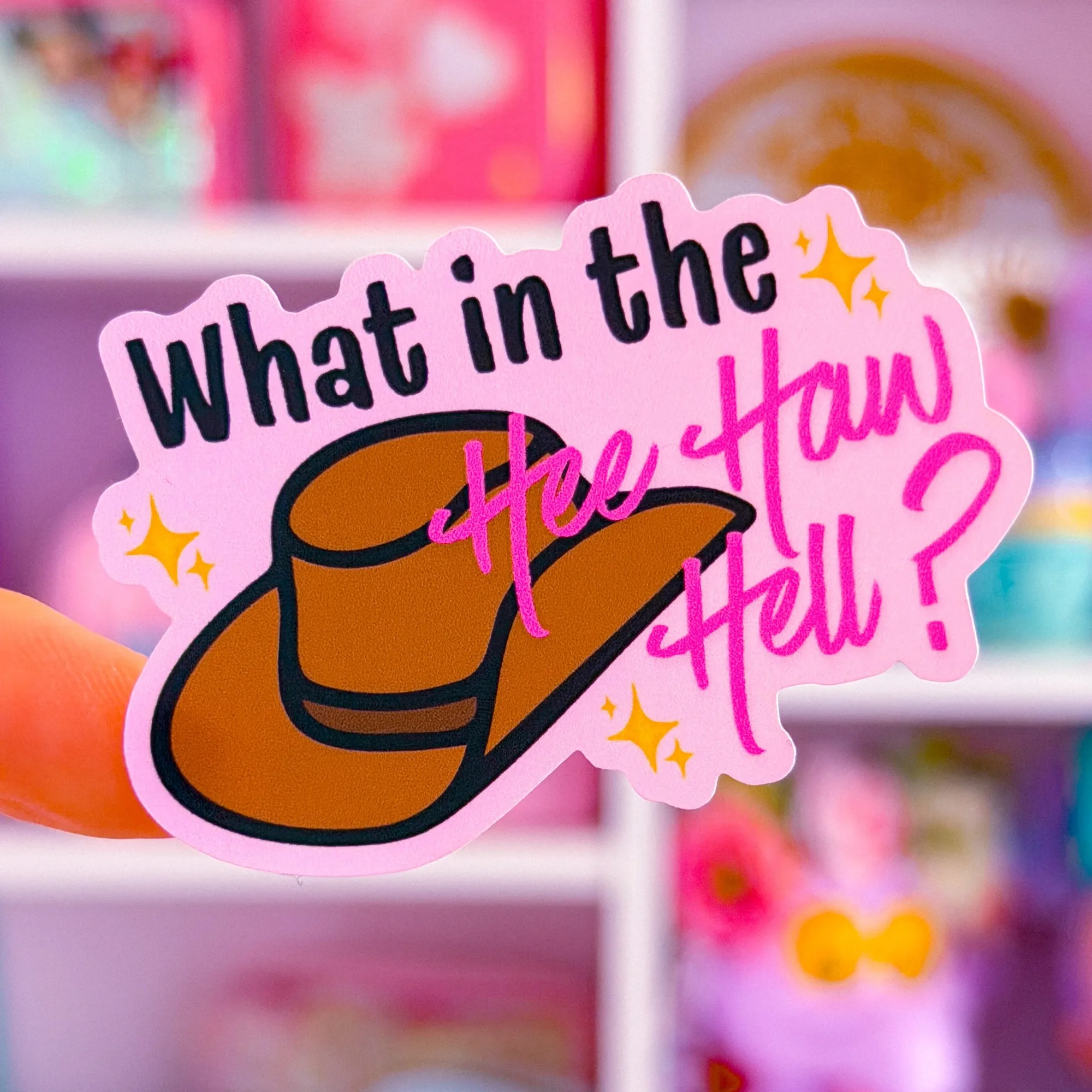
- Waterproof Sticker - What In The HEE HAW: Durable, waterproof vinyl sticker approx. 2" tall or wide; protected with UV laminate; heavy‑duty yet flexible for use on water bottles, planners, laptops. The UV laminate shields the QR pattern from sun fading, while the waterproof vinyl ensures the code stays readable after rain or spills.
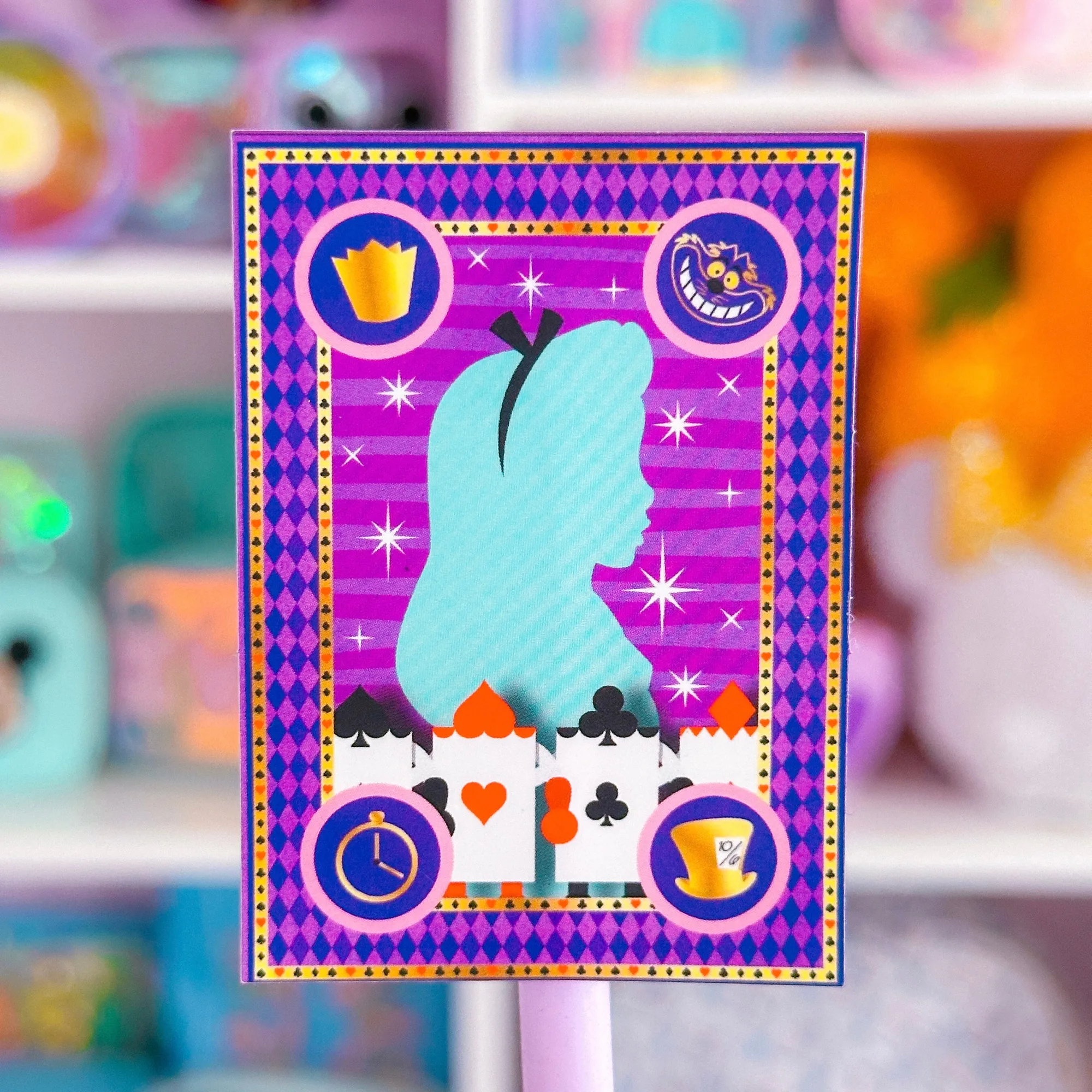
- Waterproof Sticker - (Alice In Wonderland) Book Cover: Vinyl/clear sticker approx. 2" x 2.8"; UV laminate; heavy‑duty yet flexible; suitable for water bottles, planner covers, laptops, and other curved surfaces. A clear backing lets the QR code stand out against any background, and the flexible material conforms to curves without distorting the code.
As QR code stickers continue to blend physical branding with digital interaction, choosing the right material and design ensures your campaigns stay readable, engaging, and effective across any environment.