When it comes to slipping into your shoes quickly and effortlessly, two popular options dominate the market: quick-release laces and Velcro straps. Both promise convenience, but they work in very different ways. Whether you're a busy parent, an athlete, or someone with mobility challenges, choosing the right system can save you time and frustration.
In this comparison, we'll break down the key differences between quick-release laces and Velcro, covering ease of use, durability, fit, style, and versatility. By the end, you'll know which option is best for your easy on/off footwear needs.
How Quick-Release Laces Work
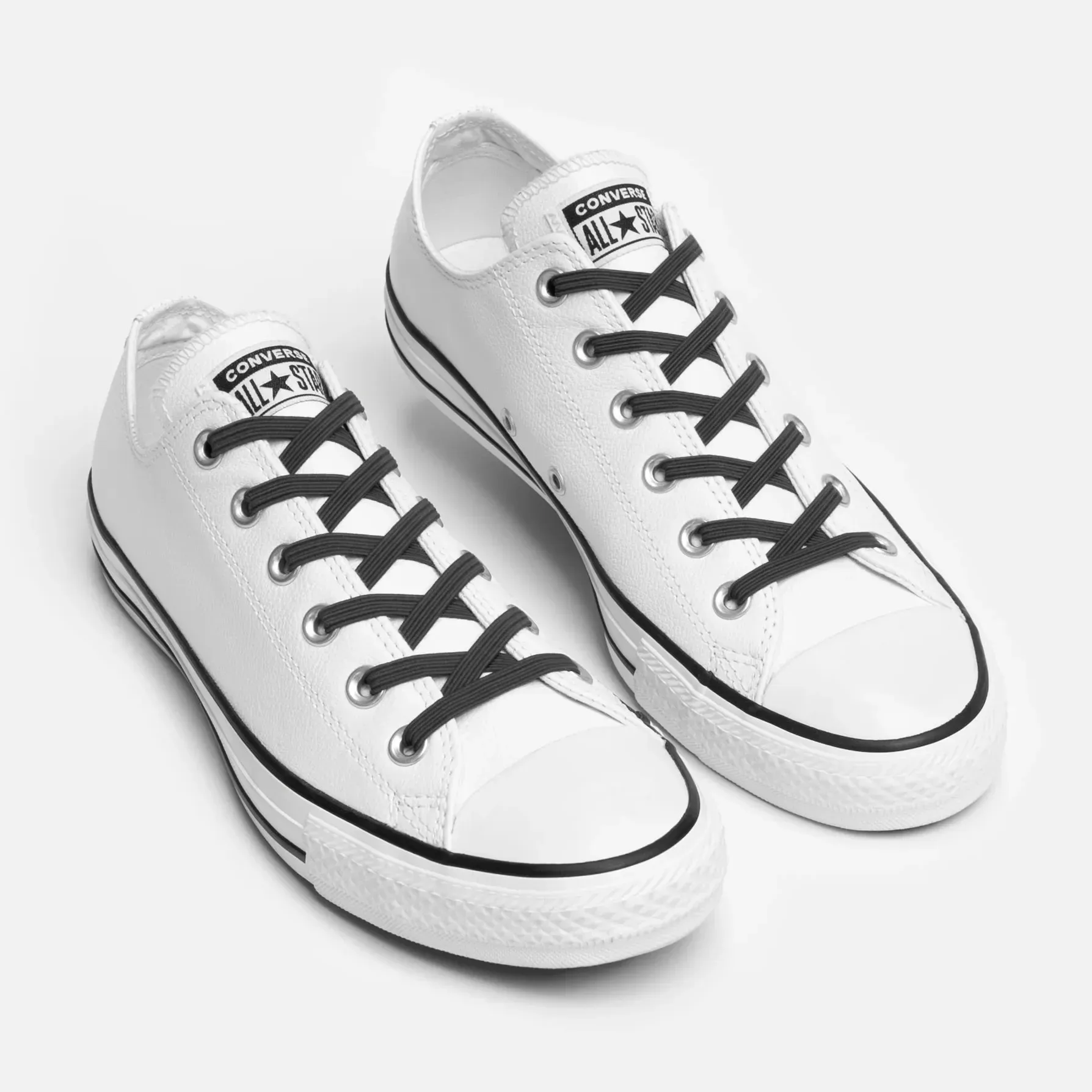
Quick-release laces, also known as no-tie laces, use a spring-loaded mechanism or a locking toggle to secure your shoes. Once installed, you simply pull the laces to tighten and push a button or release a tab to loosen. This system eliminates the need to tie and untie knots every time you put on or take off your shoes.
Brands like Xpand Laces offer innovative designs such as the https://stylecraft.store/products/original-no-tie-lacing-system-48948Original No Tie Lacing System, which combines elastic cords with a locking mechanism for a snug, customized fit. These laces are compatible with most sneakers, casual shoes, and even some dress shoes, making them a versatile choice for everyday wear.
- Easy to adjust tension on the go
- No knots to untie—just pull or release
- Works with a wide variety of shoe types
How Velcro Straps Work
Velcro straps use hook-and-loop fasteners to secure your footwear. They are commonly found on children's shoes, orthopedic footwear, and some casual sneakers. To put them on, you simply press the strap down; to remove, you peel it apart. This system is incredibly straightforward and requires no fine motor skills.
Velcro is often praised for its simplicity and speed. However, it can wear out over time—the hooks can become clogged with lint or lose their grip, leading to a less secure fit. Replacement is possible but may not be as easy as swapping out laces.
- No tying required—just press and go
- Ideal for children and those with limited dexterity
- Can lose grip after repeated use or exposure to dirt
Ease of Use: Which One Is Faster?
Both systems are designed for speed, but they differ in the user experience. Velcro offers the fastest possible on/off—simply pull the strap and press. Quick-release laces require a small extra step: you may need to pull the toggle to tighten or press a button to release. However, once adjusted, quick-release laces allow you to slip your foot in and out without touching the mechanism at all.
For people who need to change shoes frequently throughout the day—such as healthcare workers or travelers—quick-release laces offer a balance of speed and adjustability. Velcro is marginally faster initially but may require re-adjustment if the strap loosens over time.
- Velcro: fastest initial application, but may loosen
- Quick-release laces: slightly slower first use, but consistent fit
Fit and Comfort: Which Provides Better Support?
A secure fit is crucial for comfort and injury prevention. Quick-release laces distribute tension evenly across the top of your foot, similar to traditional laces. This allows for a customized fit that can be tightened or loosened in specific zones. Many athletes prefer this because it reduces pressure points and improves stability.
Velcro straps, on the other hand, apply pressure only where the strap crosses. This can create uneven tension and may not accommodate different foot shapes as well. For high-impact activities like running or hiking, quick-release laces generally offer superior support and a more locked-in feel.
Durability and Maintenance
Durability is a key factor, especially if you wear your shoes daily. Quick-release laces are typically made from elastic cords with a metal or plastic locking mechanism. They are built to last for months or even years, and if a lace breaks, you can replace just the lace without buying new shoes. The Original No Tie Lacing System is known for its robust construction and resistance to fraying.
Velcro straps can lose their grip over time, especially if exposed to dirt, sand, or moisture. The hook side can become clogged, reducing adhesion. While you can clean Velcro with a brush, it eventually wears out and may need to be replaced—sometimes requiring professional repair if sewn into the shoe.
- Quick-release laces: longer lifespan, easy replacement
- Velcro: shorter lifespan, harder to replace if integrated
Style and Versatility
Style matters, and both systems have their aesthetic pros and cons. Quick-release laces come in various colors and materials, allowing you to personalize your shoes. They look sleek and modern, blending well with casual and athletic footwear. Some designs even mimic traditional laces for a more classic appearance.
Velcro straps are often associated with children's shoes or orthopedic styles, which may not appeal to everyone. However, some fashion-forward brands have started using Velcro in minimalist designs. Still, for most adults, quick-release laces offer a more versatile and stylish option that works across different settings.
Who Should Choose Quick-Release Laces?
Quick-release laces are ideal for athletes, runners, hikers, and anyone who values a secure, adjustable fit without the hassle of tying. They are also great for people with arthritis or limited hand mobility, as they require minimal fine motor skills. If you wear different types of shoes—from sneakers to boots—a universal system like the Original No Tie Lacing System can simplify your routine.
Additionally, parents can benefit from installing quick-release laces on their children's shoes, making mornings smoother. They are also a favorite among travelers who need to slip through airport security quickly.
Who Should Choose Velcro?
Velcro is best for very young children who are still learning to put on shoes, as well as for individuals with severe dexterity issues. It is also a practical choice for certain medical or orthopedic shoes where a simple, one-strap closure is required. If you need the absolute fastest on/off and don't mind replacing straps occasionally, Velcro can work well.
However, for most active adults, Velcro may not provide the support or longevity needed for daily wear. It tends to be less adjustable and can feel less secure during physical activity.
The Verdict: Which One Is Better?
After comparing ease of use, fit, durability, and style, quick-release laces come out ahead for most people. They offer a superior combination of convenience, adjustability, and long-term value. While Velcro is simpler in theory, its limitations in fit and durability make it less suitable for everyday adult footwear.
If you're ready to upgrade your shoes with a reliable, no-tie solution, consider trying the Original No Tie Lacing System. It's compatible with most lace-up shoes and provides a secure, customized fit every time.
For effortless on/off footwear that doesn't sacrifice fit or style, quick-release laces are the clear winner. Whether you're an athlete, a busy parent, or someone seeking convenience, upgrading to a no-tie system can transform your daily routine. Explore the Original No Tie Lacing System today and experience the difference for yourself.