Quick answer
Many quilting myths are harmless, but some cost you real money in wasted thread, ruined fabric, and hours of rework. The biggest offenders involve thread weight, fabric cutting, and longarm quilting shortcuts. Test advice on a small practice piece before applying it to a whole quilt, and trust the specifications on the products you buy.
Quilting advice is everywhere, and not all of it is good. Some myths get passed down because they sound logical, but they lead to skipped steps, wasted supplies, and frustration. As a beginner, it is hard to tell the difference between a helpful tip and a costly mistake.
This article debunks some of the most common quilting misconceptions using only the facts we can verify. You will learn which advice to ignore, what to do instead, and how to make better use of your thread, fabric, and time.
Thread myths that cost you money
One persistent myth is that all polyester thread is cheap and unreliable. In reality, quality polyester thread like So Fine! #50 is lint-free, smooth, and blends well. It is designed for quilting and sewing, and it can also be used as bobbin thread. The weight and ply matter far more than the fiber alone. A 50 wt. 3-ply thread is a workhorse for many quilting tasks.
Another myth is that you must match thread weight to fabric weight exactly. While that is a useful guideline, it is not a hard rule. A 50 wt. thread works well for piecing and quilting on a wide range of fabrics. The key is to test your thread on a scrap of your actual fabric to check tension and appearance before committing to the whole quilt.
- Buy thread in cones for large projects and spools for smaller ones to avoid leftovers.
- Store thread away from direct sunlight and dust to keep it clean and strong.
Fabric cutting myths that waste fabric
A common misconception is that you need expensive, specialized tools to cut fabric accurately. While good tools help, the real key is a sharp blade and a steady technique. A dull rotary cutter blade drags and skips, which can distort fabric and force you to recut pieces. Changing your blade regularly saves fabric in the long run.
Another myth is that you should always cut multiple layers at once to save time. That works for some projects, but if your layers shift, you get inaccurate cuts and wasted fabric. For beginners, cutting fewer layers at a time often leads to better results. You can always stack more layers once your accuracy improves.
- Replace your rotary cutter blade at the first sign of skipping or tearing.
- Use a cutting mat that is large enough to support the whole piece you are cutting.
Longarm quilting myths that slow you down
Many quilters believe that longarm quilting requires perfect tension right out of the gate. In truth, tension needs adjustment for different threads, fabrics, and batting. Even experienced longarm quilters check tension on a practice piece before starting a quilt. Skipping this step is a fast track to puckers and thread breaks.
Another myth is that you must quilt every square inch to make a quilt durable. Over-quilting can make a quilt stiff and can waste thread. The right amount of quilting depends on the batting you use and how the quilt will be used. Follow the batting manufacturer's recommendations for quilting distance, and let the design guide your stitching.
- Always test tension on a scrap quilt sandwich before quilting your project.
- Choose a quilting design that complements the piecing rather than covering it up.
Beginner quilting myths that hold you back
Beginners often hear that they must buy every tool before starting their first quilt. That is simply not true. You can make a beautiful quilt with a basic sewing machine, a rotary cutter, a ruler, and quality thread. Adding tools as you need them keeps your budget in check and helps you appreciate each tool's purpose.
Another myth is that you must be perfect from the start. Quilting is a skill built over time. Every quilter has seams that do not line up and points that get cut off. The important thing is to finish projects and learn from them. Perfectionism stops more quilts than lack of skill ever will.
- Start with a small project like a baby quilt or table runner to build confidence.
- Join a class or online course to learn techniques without trial and error.
Myth verdicts: what to believe and what to ignore
- Myth: All polyester thread is low quality: So Fine! #50 is a #50/3 lint-free, smooth polyester thread recommended for quilting and sewing. It can also be used as bobbin thread. Verdict: False. Quality polyester thread is a reliable choice for many quilting tasks.
- Myth: You must cut many layers at once to save time: Cutting multiple layers can cause shifting and inaccurate cuts, which wastes fabric. For beginners, cutting fewer layers often yields better accuracy. Verdict: Misleading. Accuracy matters more than speed when you are learning.
- Myth: Longarm quilting requires perfect tension immediately: Tension needs adjustment for different threads, fabrics, and batting. Testing on a practice piece is a standard step, not a sign of failure. Verdict: False. Always test tension before quilting your project.
- Myth: You need every tool before you start: You can begin quilting with a basic sewing machine, rotary cutter, ruler, and quality thread. Add tools as your skills grow. Verdict: False. Start simple and expand your toolkit as needed.
Products that help you avoid myth-based mistakes
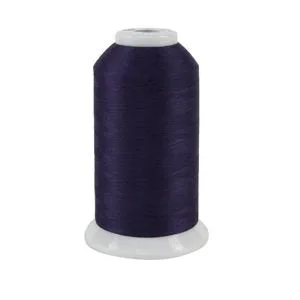
- So Fine! Thread #439 Amethyst: So Fine! #50 is a #50/3 lint-free and extra smooth all purpose polyester thread. Each cone has 3,280 yards. Excellent for sewing, serger, bobbin thread and quilting. A large cone means fewer interruptions and less waste from empty bobbins. The lint-free quality keeps your machine cleaner.
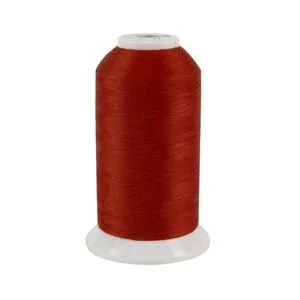
- So Fine! Thread #410 Charcoal: So Fine! #50 is a #50/3 lint-free and extra smooth all purpose polyester thread. Each cone has 3,280 yards. Excellent for sewing, serger, bobbin thread and quilting. Charcoal blends with many dark fabrics, making it a versatile choice for quilting and piecing without constant thread changes.
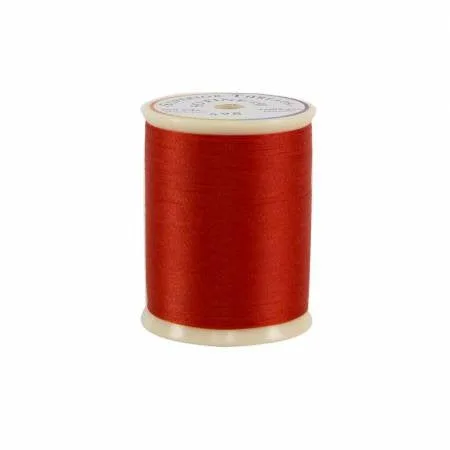
- https://piecenquiltcr.com/products/so-fine-thread-498-indian-paintbrush-spool-856c48cba55c60651c841ccf-1385309So Fine! Thread #498 Indian Paintbrush - Spool: So Fine! #50 is a #50/3 lint-free and extra smooth all purpose polyester thread. Each spool has 550 yards. Excellent for sewing, serger, bobbin thread and quilting. A spool is ideal for smaller projects or for trying a new color without committing to a full cone.
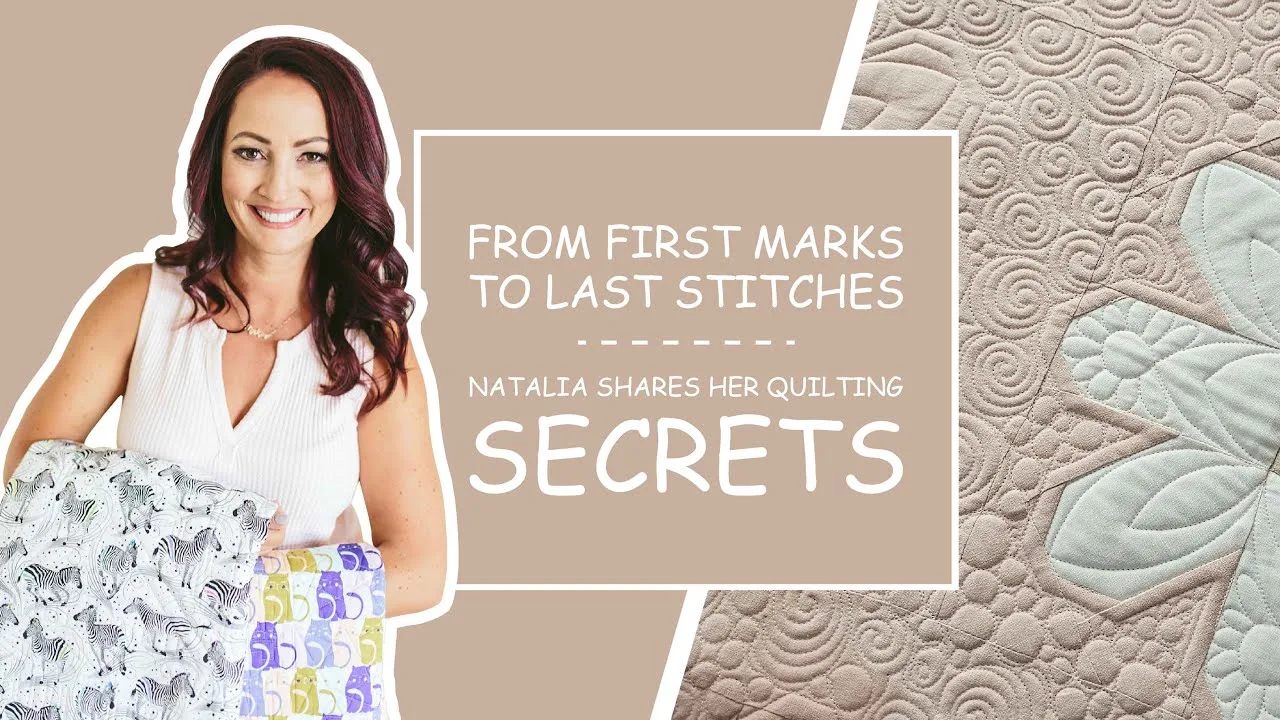
- From First Marks to Last Stitches - Natalia Shares Her Quilting Secrets: In this PNQ Academy video, Natalia shares how she brings this adorable baby quilt to life using ghost blocks and fun ruler quilting - a simple yet effective technique to add awesome details. From selecting and marking just the right motifs to finishing her last stitches, Natalia guides you through the entire quilting process. Seeing a project from start to finish helps you separate useful techniques from myths and apply them correctly.
Quilting myths can be costly, but they are easy to avoid once you know the facts. Test advice on a small scale, trust product specifications, and focus on finishing projects rather than chasing perfection. Your thread, fabric, and time will thank you.