Quick Answer
If you see coolant drips, a sweet smell, or the temperature gauge climbing, stop driving and pressure-test the system before replacing parts. Replace hoses as a set once they are swollen, cracked, or oil-soaked, and replace the radiator when the tank, core, or seams leak rather than patching a single hose. Most cooling failures are preventable with a pressure test, fresh coolant, and correct hose clamps.
A cooling system rarely fails without warning. The warning is usually a slow drip, a slightly higher gauge reading, or a faint sweet smell you notice at a stoplight. Ignoring those signals turns a cheap hose replacement into a head gasket job.
This guide separates what you are seeing from what is actually causing it, then tells you the corrective action and the point where you should stop and hand the job to a shop. It follows the same diagnostic approach we use when customers call about overheating after a track day or a long summer commute.
Coolant Hose Leak Symptoms You Should Not Ignore
The classic coolant hose leak symptom is a puddle under the front of the car, but the more useful clues are on the hose itself. Squeeze the upper and lower radiator hoses when the engine is cold. A healthy hose feels firm and springs back. A hose that feels spongy, has a bulge near the clamp, or leaves black residue on your fingers is already failing internally.
Look for white or green crust around the hose ends, the water pump, and the thermostat housing. That crust is dried coolant, and it marks the exact leak point. A sweet syrupy smell with no visible puddle often means a pinhole leak that only opens under pressure and temperature.
- Check hoses cold, never with the system pressurized.
- Crust at a clamp is a leak, even if the hose looks fine.
- Oil-soaked hoses fail early; fix the oil leak first.
Overheating Diagnosis: Separate the Symptom From the Cause
Overheating is a symptom, not a diagnosis. If the gauge rises at idle but drops when you drive, the fan circuit or fan relay is the likely cause. If it rises only at highway speed, a restricted radiator or a collapsing lower hose is more likely. If it rises quickly from cold, suspect a stuck thermostat or air trapped in the system after a recent repair.
A pressure test is the fastest way to separate a leak from a flow problem. Pressurize the system cold and watch the gauge. A steady drop with no visible leak points to an internal leak or a failed head gasket. A holding gauge with overheating points to flow, air, or fan operation.
- Overheats at idle: check fans and fan relays first.
- Overheats at speed: check radiator restriction and lower hose collapse.
- Overheats from cold: check thermostat and bleed the system.
Radiator Replacement Tips: When Repair Is Not the Answer
Plastic-tank radiators fail at the crimp seam where the tank meets the core. Once that seam weeps, no clamp or sealant fixes it for long. The same applies to a core with bent or corroded fins, or a radiator that has been run with plain water and now has scale blocking the tubes. In those cases, replacement is cheaper than a second tow.
Match the replacement to how you use the car. A daily driver with a stock engine needs a clean, correctly sealed radiator and fresh hoses. A car that sees track time or sustained high load benefits from an upgraded radiator with more core capacity, but only if the fan shroud and airflow path are also in good shape. An upgraded radiator behind a missing shroud still overheats.
- Replace the radiator cap with the radiator; a weak cap lowers boiling point.
- Use the correct coolant type and mix ratio for your climate.
- Bleed air from the highest point until the fans cycle with a steady gauge.
Cooling System Maintenance That Prevents Repeat Failures
Coolant degrades. Its corrosion inhibitors wear out before the fluid looks dirty, which is why a drain and fill on a reasonable interval matters more than topping off. Topping off with water dilutes the mix and lowers both freeze and boil protection, so use premixed coolant or the correct ratio of concentrate.
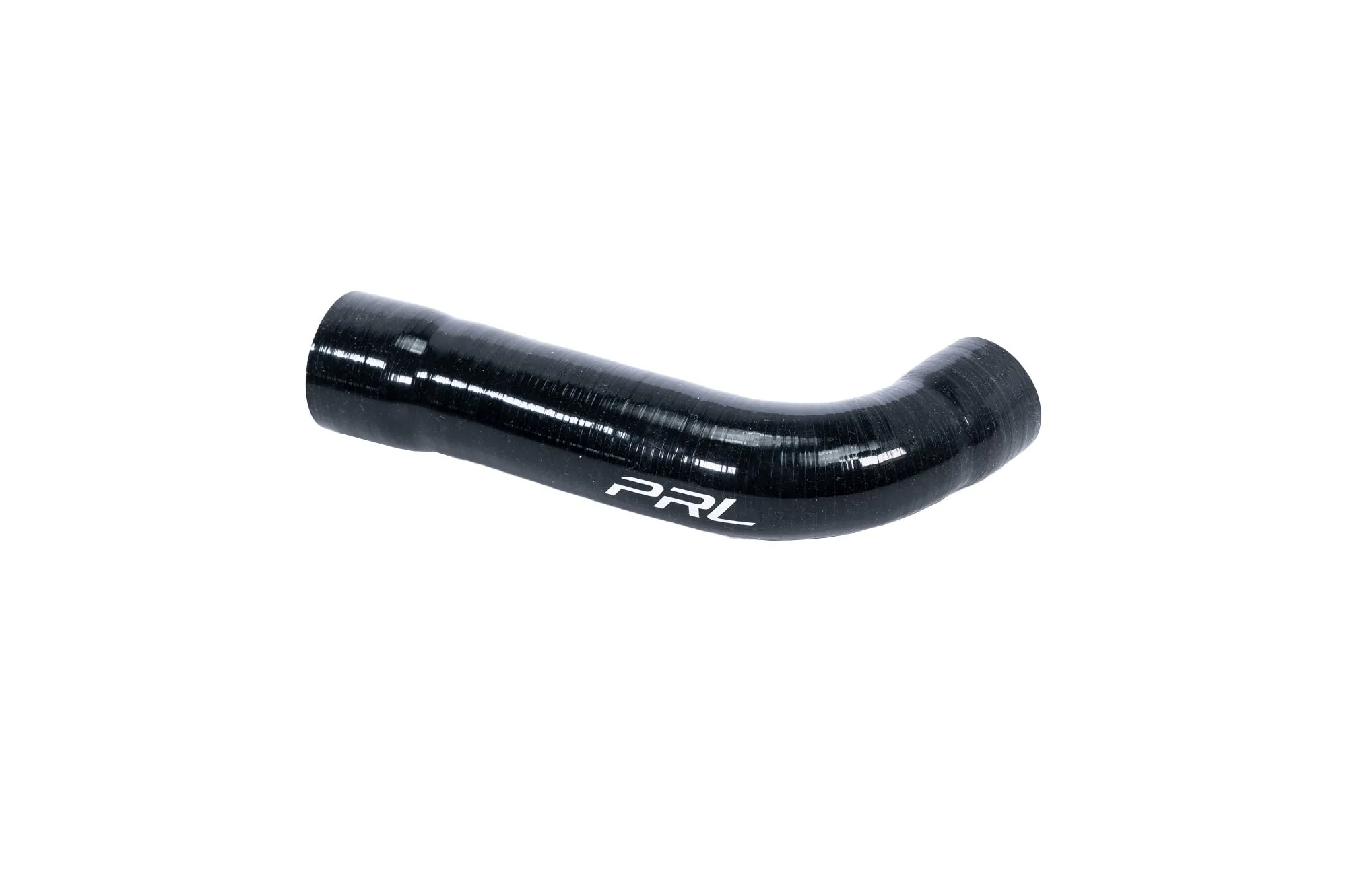
Replace hoses as a set, including the small bypass and heater hoses. A new upper hose next to a 15-year-old lower hose just moves the failure point. Use constant-tension or correct worm-gear clamps, and do not overtighten, because overtightening cuts the hose and creates the leak you were trying to prevent.
- Replace hoses and clamps together, not one at a time.
- Do not mix coolant chemistries; flush if the type is unknown.
- Recheck clamps and level after the first full heat cycle.
Cooling Problem Diagnosis Chart
- Coolant puddle under the front of the car: Pressure-test the system cold and inspect hose ends, the water pump weep hole, and radiator tank seams for crust or dye. If the leak is at a hose or clamp, replace the hose set and clamps. If it is at a plastic tank seam, replace the radiator.
- Gauge climbs at idle but drops while driving: Verify the cooling fan runs when the engine reaches temperature. Check the fan relay, fuse, and coolant temperature sensor signal. Stop here and fix the fan circuit before replacing the radiator. A working radiator with no airflow still overheats.
- Gauge climbs at highway speed: Inspect the lower hose for collapse and check the radiator core for restricted or corroded tubes. A cold pressure test can also reveal a weak cap. Replace the lower hose and radiator cap first. If restriction remains, replace the radiator rather than flushing repeatedly.
- Overheats quickly from cold with no visible leak: Suspect a stuck thermostat or trapped air. Bleed the system at the highest point and confirm the thermostat opens. If bleeding and a thermostat do not fix it, and the pressure test drops with no external leak, stop and have a shop check for a head gasket failure.
- Hose feels spongy, bulged, or oil-soaked: Replace the hose even if it is not leaking yet. Oil contamination breaks down rubber from the inside. Fix the oil leak source at the same time, or the new hose will fail the same way.
Parts That Support a Cooling System Repair
- 2021+ Acura TLX 2.0T Intercooler Install Kit: Fits all 2021+ Acura TLX 2.0T and requires modification of the bumper beam for proper clearance; no ECU calibration is required. If you are already removing the front bumper for radiator or intercooler work on a TLX 2.0T, this kit adapts the factory charge piping and saves a second teardown. The bumper beam modification is a real cutting step, so plan for it rather than discovering it mid-job.
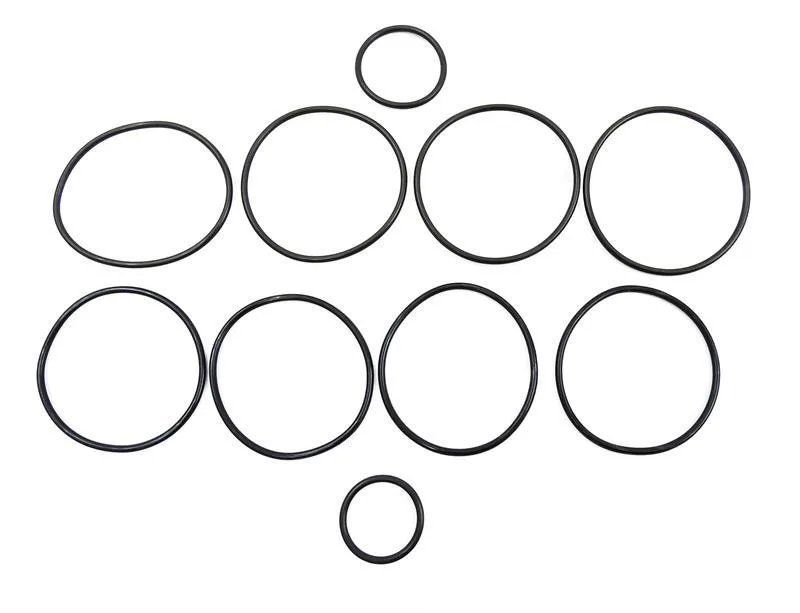
- RBC Intake Manifold Adapter O-Ring Set: Fits all 2006-2015 Civic Si with an RBC intake manifold and includes ten O-rings in several sizes for both sides of the adapter. Coolant and intake jobs on swapped or modified Hondas often expose old seals. Having the correct O-ring sizes on hand prevents a leak that looks like a cooling problem but is actually a sealing problem.
Cooling failures are almost always predictable. Pressure-test before you buy parts, replace hoses as a set, and replace the radiator when the tank or core is compromised instead of chasing a leak with sealant. If the pressure test drops with no external leak, stop and get a professional diagnosis before you damage the engine.