Two tools, two different watering problems
A rain gauge and a heavy duty planter bag are both garden watering tools, but they solve opposite ends of the same problem. The rain gauge answers how much water your garden has already received, so you can decide whether to water at all. The planter bag answers where and how water moves through the soil, so roots get drainage instead of sitting wet.
If you are trying to work out how much to water plants, start with measurement. If your plants are struggling with soggy soil or you want a movable growing container, start with drainage and capacity. Most gardeners eventually need both, but the right first purchase depends on which problem is actually costing you plants.
What each tool actually changes in your garden
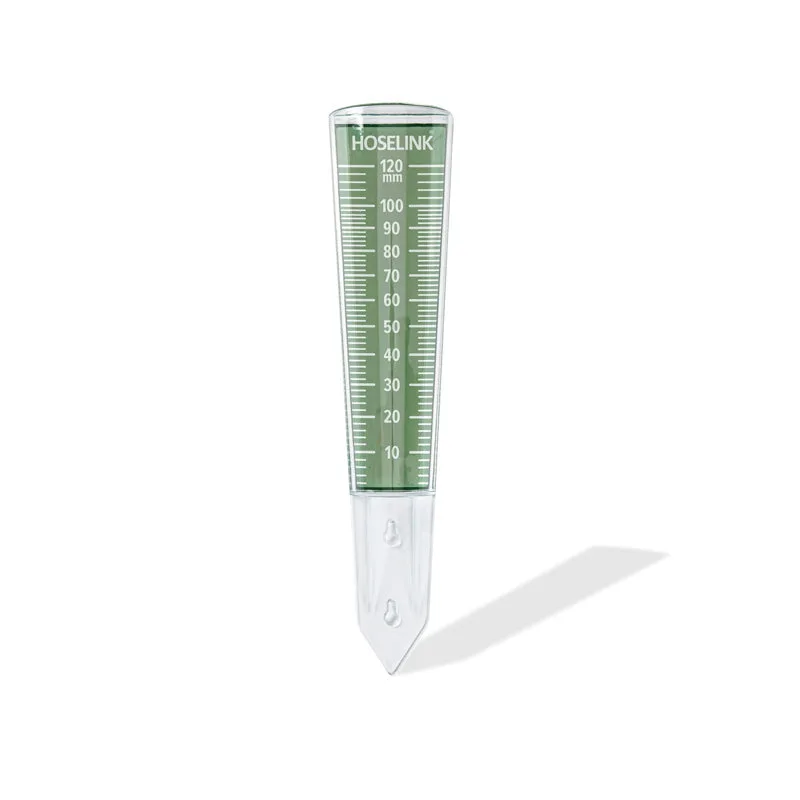
- Rain gauge: measure before you water: Hoselink's 120mm Rain Gauge is designed to show exactly how much rain your property has received, so you can better decide when to water the garden. It spikes into the ground or mounts on a fence post with screws included, and needs open space around it to collect rainfall more accurately.
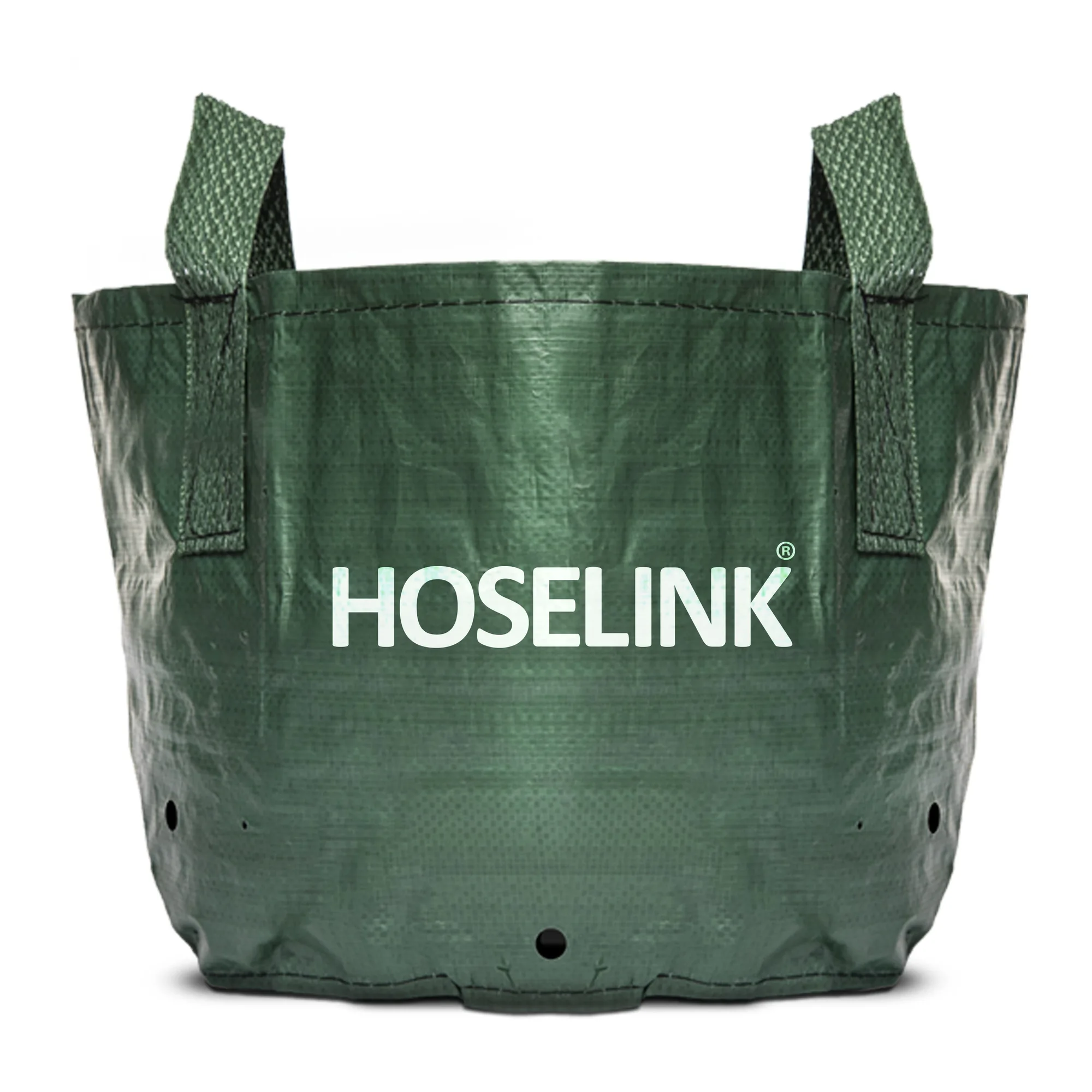
- Heavy duty planter bag: control drainage and capacity: The Heavy Duty Planter Bag is made from durable woven high-density polyethylene with plenty of water drainage holes for use as a planter, encouraging a healthier root system. It works as a grow bag, a plant pot alternative or a carrier for garden waste.
When a rain gauge is the better buy
Buy the rain gauge first if your watering decisions are guesswork. It is a low-cost way to replace assumptions with a reading, and it suits gardeners who want to know how much rain has fallen before dragging out the hose. It is also a practical teaching tool for kids, since measuring rainfall can inspire curiosity about the world.
The trade-off is that a rain gauge only tells you about rainfall. It does not measure soil moisture, and the supplied information does not include calibration or frost guidance. Mount it where it has open space around it, as the supplied instructions specify, and treat the reading as one input rather than a complete irrigation plan.
Rain Gauge: the supplied specifics
-
Rain Gauge: 120mm Rain Gauge with two mounting options: spike into the ground or install onto a fence post (screws included). The mounting choice lets you place it where it has open space around it, which the supplied instructions say improves rainfall collection accuracy.
Rain Gauge
-
Rain Gauge: The gauge is intended to help you determine exactly how much rain your property has received so you can better decide when to water the garden. This is the core decision it supports: whether to water at all, rather than how much to apply.
When a heavy duty planter bag is the better buy
Choose the planter bag first if your plants are sitting in soggy soil, if you want to grow in containers without committing to heavy pots, or if you need a second use for garden waste. The woven high-density polyethylene is non-toxic and BPA free, and the bags can be used indoors or outdoors.
The practical advantage is control. You can roll the sides down to make a shallow pot or leave them up for full capacity, and the heavy-duty handles make the bag easy to carry around the garden. That portability matters when you want to move a plant to suit its growing conditions, as gardener Peter Vouthas describes doing with herbs near the back door.
The trade-off is that a planter bag is not a measuring tool. It will not tell you when to water, and the supplied information does not include a soil mix recipe or a watering schedule. Its job is to give excess water somewhere to go through the drainage holes.
Heavy Duty Planter Bag: sizes and drainage
-
Heavy Duty Planter Bag: Available in 25L (34cm diameter base x 28cm high), 45L (38cm diameter base x 40cm high) and 100L (51cm diameter base x 50cm high). Capacity and footprint determine whether the bag suits a windowsill herb, a patio tomato or a larger garden plant.
Heavy Duty Planter Bag
-
Heavy Duty Planter Bag: Plenty of water drainage holes encourage a healthier root system when used as a planter. Drainage is the feature that separates a planter bag from a sealed pot, and it is the reason to choose one if wet roots are your problem.
-
Heavy Duty Planter Bag: Heavy-duty handles allow easy transportation around the garden, and the bag can be folded away for storage with minimal space. Portability and storage matter if you garden in a small space or move plants to chase the best growing conditions.
How to decide between them
Use these decision rules rather than buying both at once. Each points to the tool that solves the constraint you actually have.
- You keep watering and then it rains: Start with the rain gauge. Measuring rainfall is the missing information behind the guesswork.
- Your container plants look overwatered: Start with the planter bag. Drainage holes and a breathable woven material address water sitting around roots.
- You want to grow tomatoes or herbs in a movable container: The planter bag is the growing tool. Choose 25L for herbs, 45L or 100L for larger plants, based on the supplied dimensions.
- You want to teach children about weather: The rain gauge is the supplied option for measuring rainfall and inspiring curiosity.
- You need to carry compost or garden waste: The planter bag doubles as a carrier, which the supplied information describes as one of its uses.
What the supplied information does not settle
Neither product record includes a full irrigation schedule, soil moisture guidance or climate tolerance ratings. The rain gauge record does not state a frost rating or calibration procedure, and the planter bag record does not specify a recommended soil mix or a lifespan in years. Treat both as practical tools with clear jobs rather than complete watering systems.
If you need to know how much to water plants, the rain gauge gives you the rainfall side of the equation. The planter bag gives you the drainage side. Together they cover more ground than either alone, but the supplied evidence does not claim they replace a moisture meter or local advice.