Quick answer
Raised wheel fitment on a lifted truck usually fails for one of three reasons: too much backspacing, too little offset change, or a tire that is wider than the lift was designed for. Measure your current clearance at full steering lock, then choose a wheel with less backspacing and a slightly more negative offset before you trim anything.
Why does my lifted truck rub after adding raised wheels?
Rubbing after a wheel change is almost always a clearance problem, not a lift problem. A raised wheel moves the tire outward and changes the arc it travels through when you steer. If the new wheel has more backspacing than the old one, the tire moves closer to the suspension and frame. If it has less backspacing, the tire swings wider and can catch the fender or bumper at full lock. Check clearance at full left and right lock, not just straight ahead, because the tightest point is usually at the front or rear corner of the tire.
How do I measure lifted truck wheel clearance correctly?
Park on level ground and turn the wheels to full lock in both directions. Measure the shortest distance between the tire sidewall and the nearest suspension or body component, then repeat with the suspension compressed on one side. Anything under about half an inch at full lock is too tight for off-road use because tire sidewalls flex and move under load. Write down the three tightest measurements: front bumper or valance, rear inner fender, and upper control arm or sway bar link.
What offset and backspacing should I run on a lifted truck?
There is no single number that works for every lift, but the relationship is consistent. Less backspacing pushes the wheel outward and increases track width, which helps tire-to-suspension clearance but increases load on wheel bearings and can cause fender contact. More backspacing tucks the wheel inward and can cause rubbing on control arms or brake lines. Start with the offset your lift manufacturer recommends, then adjust one step at a time. If you are already rubbing the suspension, reduce backspacing slightly. If you are rubbing the fender, increase it or add a small lift spacer.
Can I fix raised wheel rubbing without cutting my truck?
Yes, in many cases. The least invasive fixes are adjusting caster, trimming plastic liners, or adding a small body lift. Caster adjustment can move the tire forward or backward in the wheel well and is often overlooked. If rubbing is minor and only on plastic, a heat gun and a careful push can reshape the liner. If rubbing is on metal or on the body seam, trimming or a different wheel offset is the safer answer. Never clearance a tire by letting it rub; it will damage the tire and the truck.
Do raised wheels change my truck's alignment or handling?
They can. Moving the wheel outward increases the scrub radius, which changes steering feel and can make the truck wander or follow road grooves. A wider track also increases leverage on ball joints, wheel bearings, and tie rod ends. After any wheel change on a lifted truck, get an alignment and check torque on lug nuts and suspension fasteners after the first 50 to 100 miles. If steering feels vague or the truck pulls, the offset change is usually the cause.
Raised wheel fitment FAQ
What is the most common raised wheel fitment mistake?
Buying wheels by bolt pattern and diameter only, without checking backspacing against the current setup. Compare backspacing and offset to your existing wheels before ordering.
How much clearance do I need at full lock?
Aim for at least half an inch between the tire and any fixed component at full steering lock with the suspension loaded. Measure at full lock, not straight ahead.
Will a smaller wheel diameter fix rubbing?
Not by itself. Diameter changes the tire height, but rubbing is usually caused by width, backspacing, and offset. Fix the offset and backspacing first, then adjust diameter if needed.
When should I stop adjusting and change the wheel?
If you are trimming metal, adding spacers, or still rubbing after alignment and caster adjustment, the wheel specs do not match the lift. Choose a wheel with the correct offset and backspacing for your lift rather than forcing the current one to fit.
Method wheels that solve common raised fitment problems
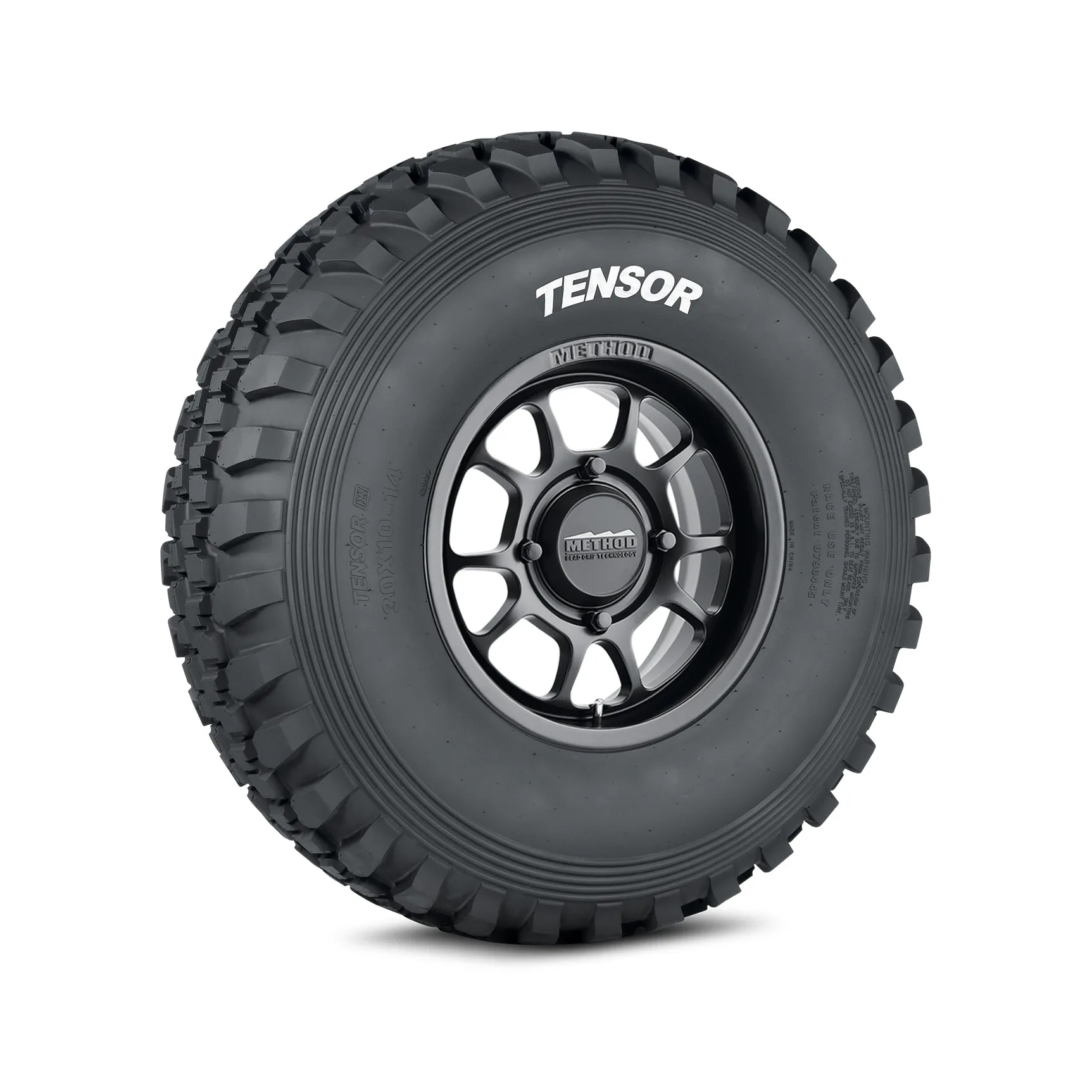
- 409 Bead Grip® | Matte Black + Tensor DS: The 409 Bead Grip® UTV Wheel is paired with a Tensor Tire DS and shipped professionally mounted as a combo. A pre-mounted combo removes the guesswork of matching wheel width to tire size, which is a common source of rubbing on lifted UTVs and trucks.
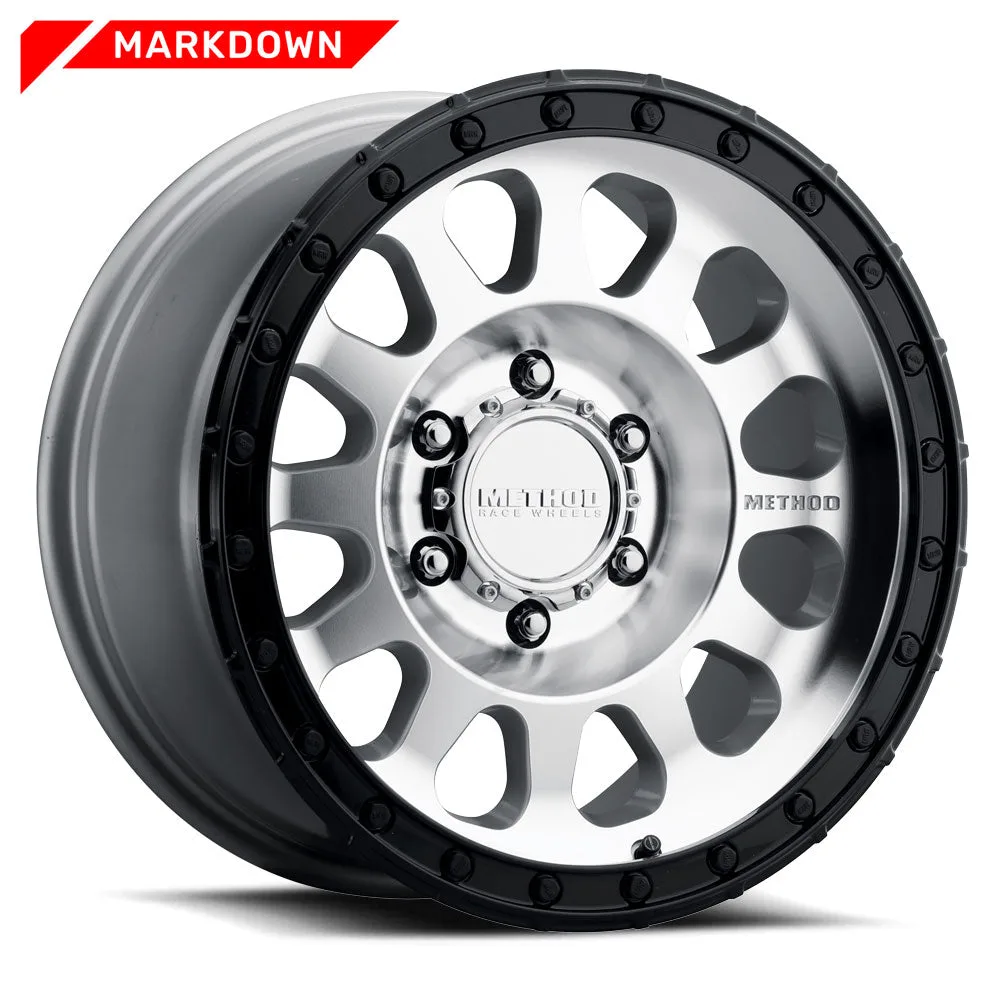
- 315 - Markdown | Machined - Gloss Black Lip: The 315 Machined - Gloss Black Lip is a standard wheel with selectable size, bolt pattern, and offset or spacing. Choosing the offset at purchase lets you dial in backspacing for your specific lift instead of adding spacers later.
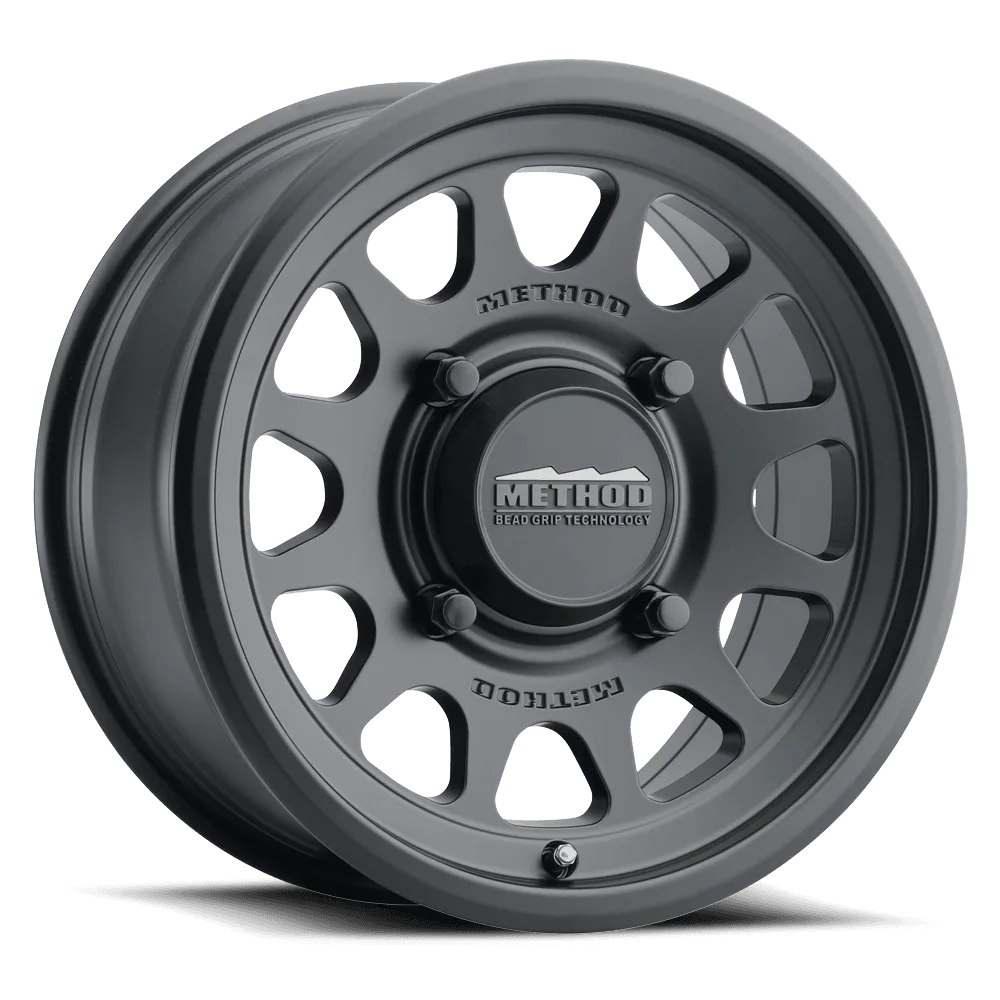
- 414 | UTV Bead Grip® | Matte Black: The 414 UTV Bead Grip® wheel is available in numerous offsets and sizes for trail riding to sand dunes. Multiple offset options give you a way to move the tire inboard or outboard to clear suspension and fenders without changing the lift.