Quick answer
Start with one simple Rami Code puzzle, let your child copy the pattern by hand, then introduce the coding cards only when they can solve three puzzles without help. Keep sessions short and stop while it is still fun.
Why Rami Code works for early logic
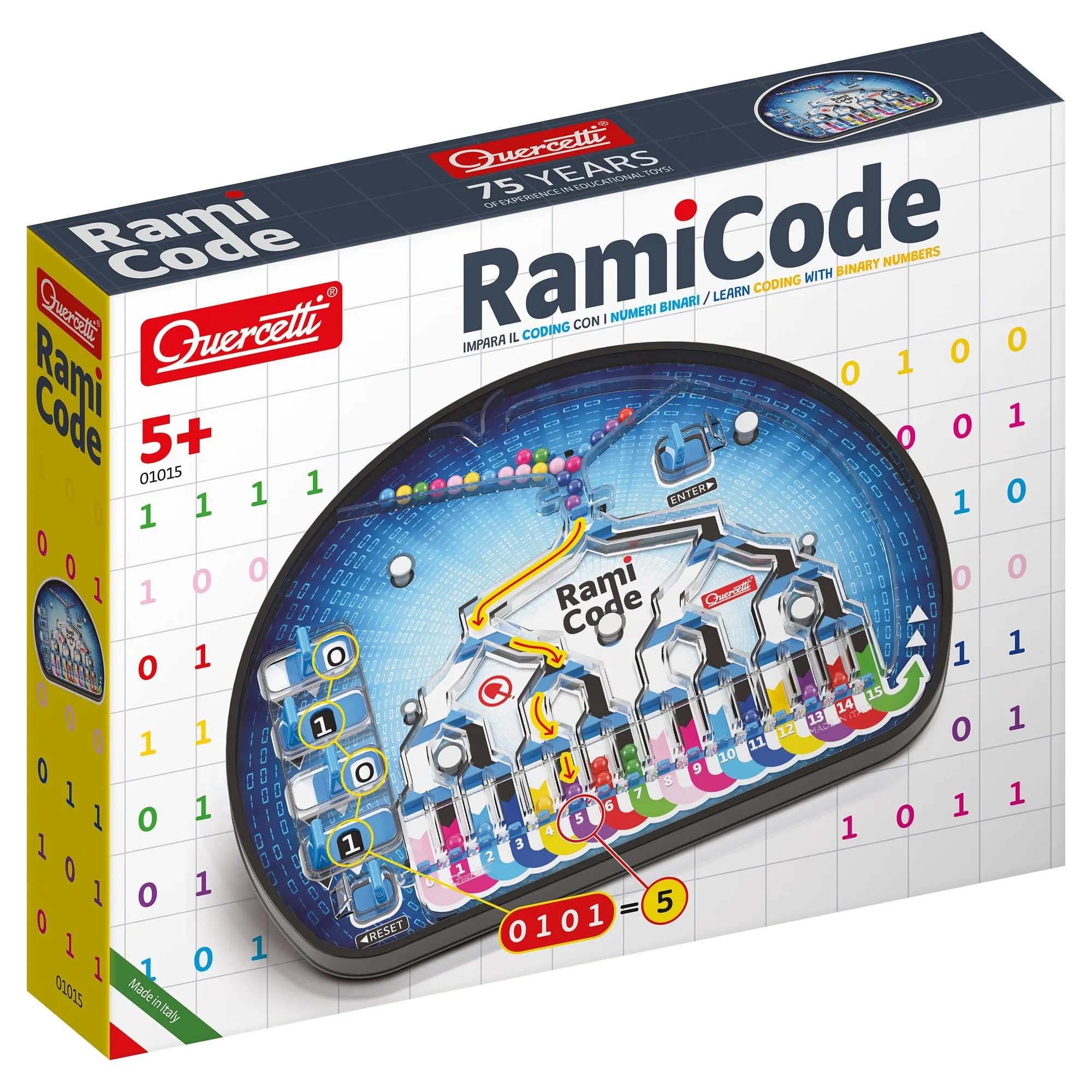
Rami Code builds on the original Rami, a toy with 40 years of success and multiple international awards for educational value. The new version adds a first coding experience: children arrange colored pegs to match a pattern, then use sequence cards to plan the order of moves. That progression—copy, then plan—is what makes it useful for early logic skills.
For preschoolers, the key is not the word 'coding' but the habit of breaking a task into steps. Rami Code makes those steps physical and visible, so you can see exactly where a child gets stuck.
What to expect from the first sessions
Most 4-year-olds can copy a simple two-color pattern within a few minutes, but they may not yet plan a sequence of three or more moves. That is normal. The coding cards are a tool for later, not a requirement for the first week.
If your child loses interest after one puzzle, put it away. Rami Code rewards short, repeated practice more than long sessions.
How to play Rami Code with your preschooler
- Set up one puzzle card and the matching pegs: Choose a card with only two colors and place the pegs in a small bowl. Sit side by side, not across the table, so your child can see your hands. Common mistake: starting with a card that has four or more colors. That overloads working memory before the child understands the goal.
- Copy the pattern together, one peg at a time: Point to the first empty hole on the card, say the color, and let your child pick the peg and place it. Do not correct a wrong color immediately; wait until the row is finished. Checkpoint: if your child places three pegs correctly in a row, move to the next step. If not, repeat this step with the same card tomorrow.
- Introduce the coding cards as a plan, not a test: Show one coding card and place it next to the puzzle. Say, 'This card tells us the order.' Point to the first symbol, then help your child find the matching peg and place it. Do only one card per session at first. Common mistake: treating the coding card as a speed challenge. The goal is to follow the sequence, not to finish fast.
- Let your child explain the steps back to you: After finishing a puzzle, ask, 'What did you do first?' and 'What came next?' Accept any answer that shows order, even if the words are not precise. Checkpoint: if your child can describe two steps in order, they are ready for a three-color puzzle.
- Stop while it is still fun: End the session after two or three puzzles, or sooner if your child starts guessing randomly. Put the game away and do something else. Common mistake: pushing for one more puzzle to 'finish the set.' That turns a logic game into a chore.
Product facts
-
Rami Code: Rami Code is the new version of Rami, a toy that celebrates 40 years of success and has won best educational toy awards in multiple international competitions. The long track record and award recognition suggest the play pattern is well tested, so you can trust it to hold a child's attention across many short sessions.
Rami Code