Quick Answer
Choose a rashguard when you'll be in the water or sweating hard, because its fabric is engineered to hold up wet and block UV. Choose a long sleeve tee for dry beach days, casual wear, and everyday coverage where breathable cotton comfort matters more than water performance. If you only buy one, match it to your main activity, not the label.
What Actually Blocks UV: Fabric, Not the Name
Sun protection comes down to how tightly a fabric is woven, what it's made of, and whether it stays opaque when wet. A rashguard is built for water: the knit is dense and often rated with a UPF number, so it keeps blocking UV even soaked. A regular long sleeve tee, especially a soft cotton one, can protect well when dry but may lose coverage as it stretches or clings wet.
That's why the honest answer isn't 'rashguard always wins.' A dry cotton tee on a shaded patio is fine. The gap shows up when you're paddling out, swimming, or sweating through a long afternoon.
Wet Performance and Dry Comfort Diverge
Rashguards are typically made from synthetic blends that dry fast and resist sagging, which is why surfers wear them under boards or alone. They stay put through paddling and don't soak up water weight. The trade-off is that some people find the snug fit and synthetic feel less comfortable for lounging.
Long sleeve tees, by contrast, breathe and feel familiar. A medium-weight cotton tee is comfortable for hours of walking, eating, and sitting. But cotton holds water, dries slowly, and can feel heavy once wet, so it's a poor match for extended time in the surf.
How UPF Ratings and Coverage Differ
A UPF rating tells you how much UV passes through the fabric. Rashguards often carry a stated UPF, which gives you a concrete number to compare. Many everyday long sleeve tees don't list UPF at all, so you're estimating based on fabric weight and color.
If a tee has no UPF claim, treat it as unrated and layer or limit exposure accordingly. Darker, denser fabrics generally block more than thin, light ones, but without a rating you can't assume a specific level of protection.
Fit Changes Everything in the Water
A rashguard should fit close to the body without cutting in. If it's loose, it rides up and balloons when you paddle, exposing your lower back to the sun. If it's too tight, it restricts shoulder rotation. Look for flat seams and stretch that moves with you.
A long sleeve tee can be worn relaxed, which is comfortable on land but risky in the water because loose fabric shifts and lets UV reach skin. For swimming, size down or choose a trimmer cut; for dry use, your normal size is fine.
Trade-offs to Weigh Before You Buy
- Water time vs. dry lounging: Rashguards hold UV protection and shape when wet; cotton tees get heavy and cling. Pick rashguard for surf and swim, tee for dry beach days.
- Rated protection vs. no rating: A stated UPF gives you a number to trust; unrated tees leave you estimating. If sun exposure is high, favor a top with a UPF claim.
- Snug performance vs. relaxed comfort: Close fit stays put in the water; loose fit feels better on land but shifts and exposes skin. Size down for water use, keep your normal size for dry wear.
Catalog Examples That Show the Difference
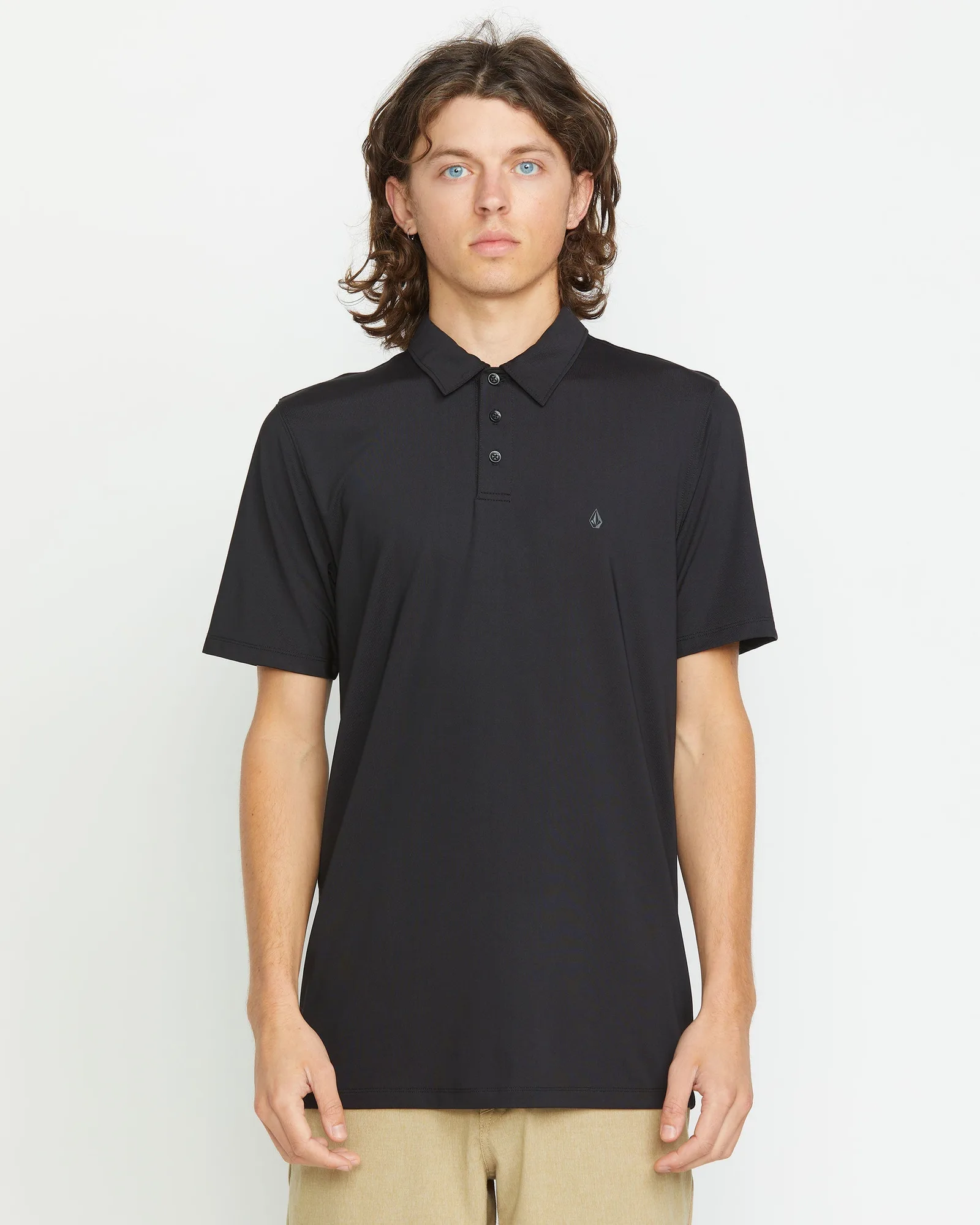
- Men's Hazard Pro Polo Short Sleeve Shirt: The Hazard Pro Polo uses V.Co-Tech Quick Dry yarns and carries UPF 30+ protection with an antimicrobial finish. A quick-dry, rated top handles sweat and spray better than unrated cotton, making it a strong crossover for active beach days.
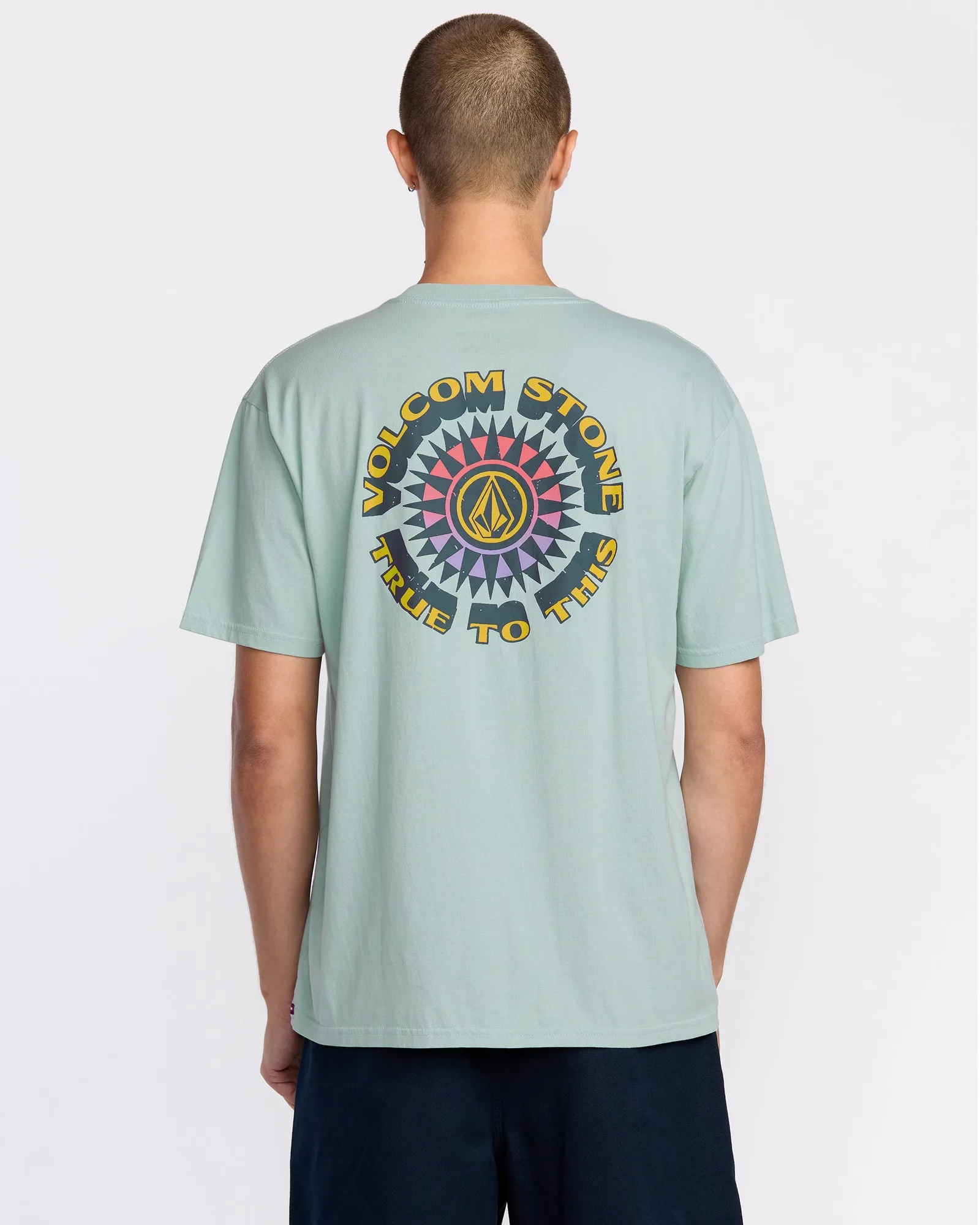
- Men's Daylighter Short Sleeve Tee: The Daylighter Short Sleeve Tee is medium-weight 100% ring spun cotton with organic content and a classic fit. Comfortable and breathable for dry wear, but cotton isn't built for long water exposure, so it's a land-first choice.
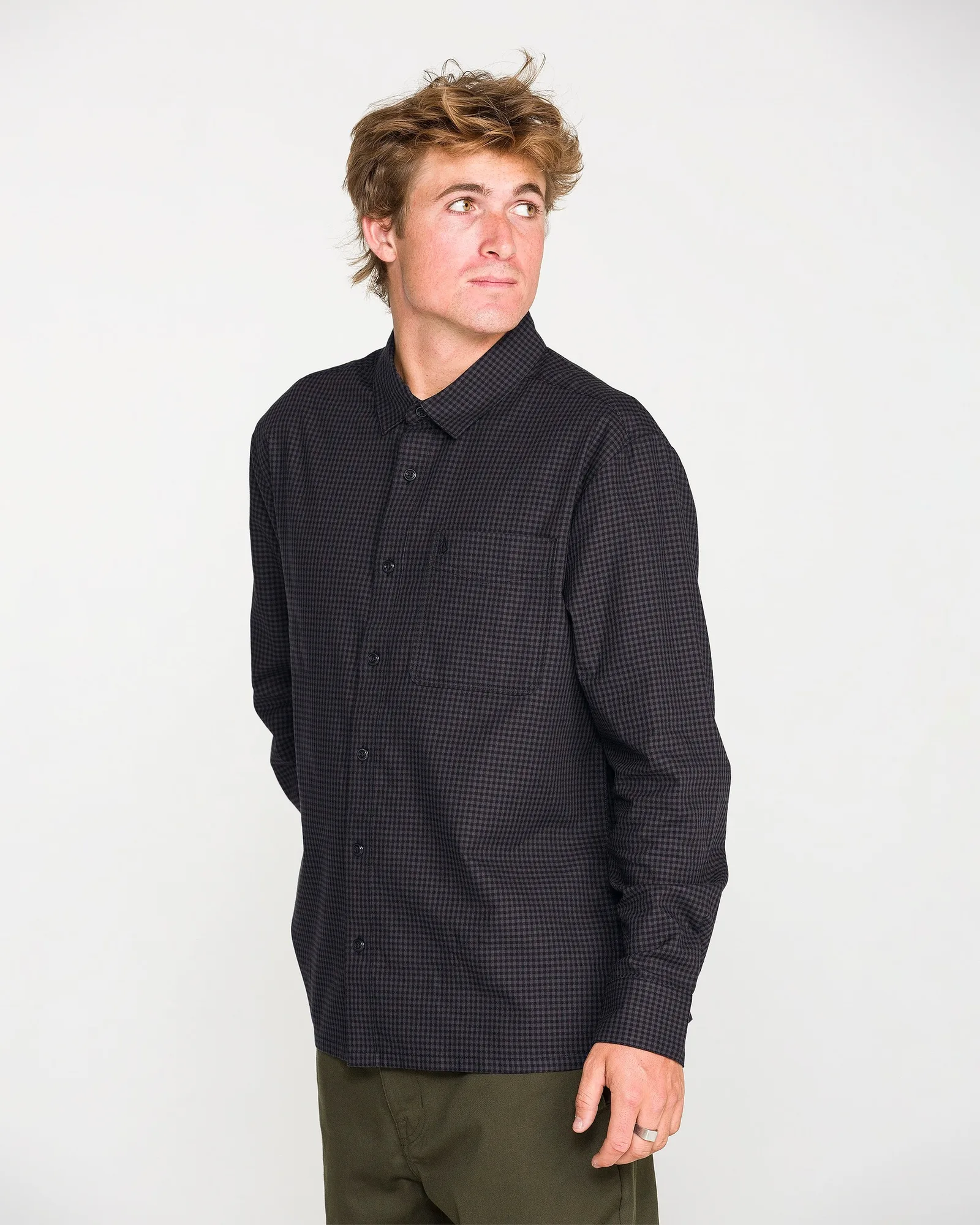
- Men's Glasnow Long Sleeve Shirt: The Glasnow Long Sleeve Shirt is garment washed for softness with a boxy fit and an oversized chest pocket. A relaxed long sleeve shirt gives arm coverage for shade-to-sun days, but the loose cut is not ideal for swimming.
Which Should You Choose?
Best for
- Surfers, swimmers, and anyone spending extended time in the water
- Hot, sweaty activities where quick-dry fabric and a UPF rating matter
- People who want a fitted top that stays in place while paddling
Not for
- Casual dry wear where breathable cotton comfort is the priority
- Anyone who dislikes a close, synthetic fit for lounging
- Shaded, low-exposure settings where an unrated tee is sufficient