Two Fruity Teas, Two Different Bases
Raspberry and Paradiso Peach both deliver fruit-forward flavor, but they start from different ingredient lists. Raspberry includes green tea, raspberry pieces, and natural flavour, so it brings a tea base along with the fruit. Paradiso Peach combines hibiscus, rose hip, apples, orange peel, and natural flavor for a peach-focused blend with no green tea listed. That difference shapes everything from the flavor you taste to how you might serve each one.
The catalog describes Raspberry as refreshing with green tea notes, and Paradiso Peach as tasting like fresh juicy peaches with a summer-blend character. Neither product record includes brewing instructions, caffeine content, or storage guidance, so this comparison sticks to what the labels confirm and flags where you will need to decide for yourself.
What Each Blend Is Made Of
-
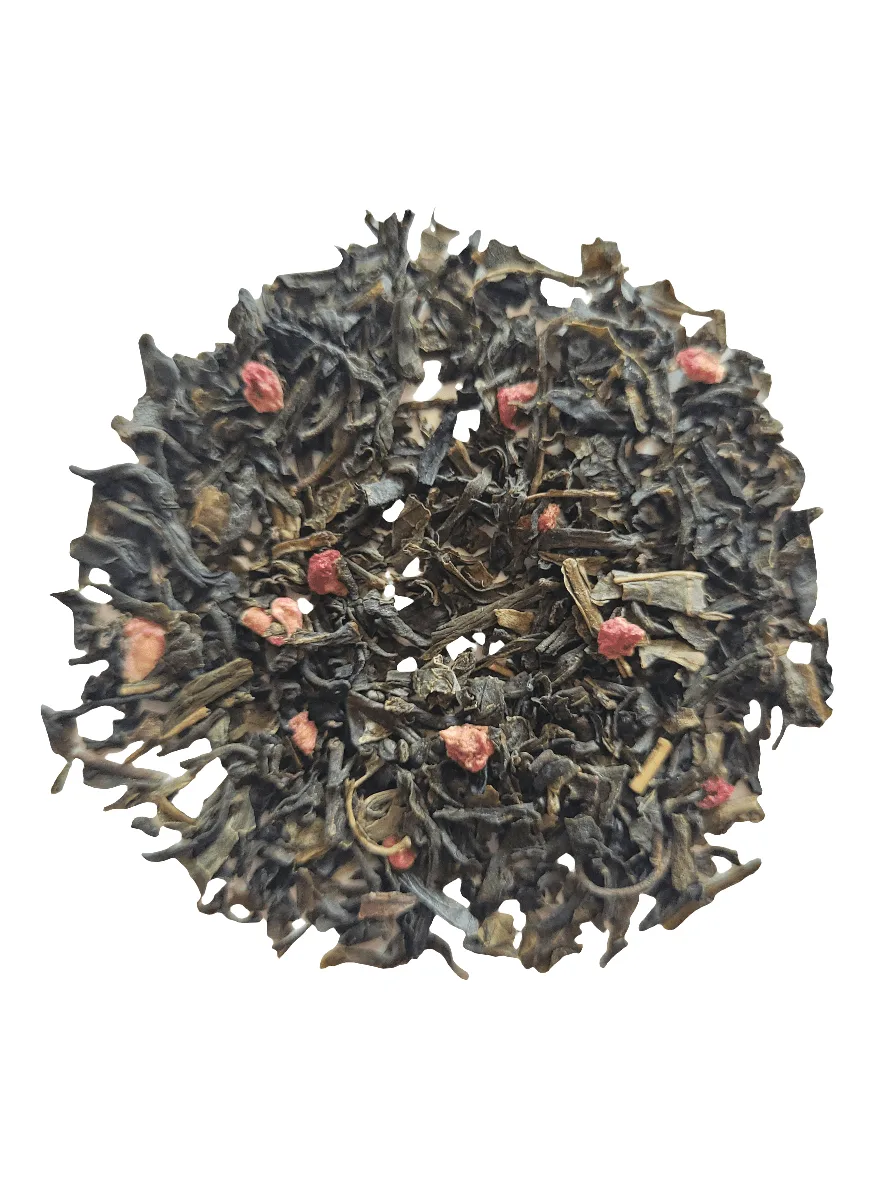
Raspberry: Ingredients: green tea, raspberry pieces, natural flavour. Flavour notes: raspberry, green tea. The green tea base means Raspberry is not just fruit flavor—it carries tea character that will influence how you brew and when you drink it.
Raspberry
-
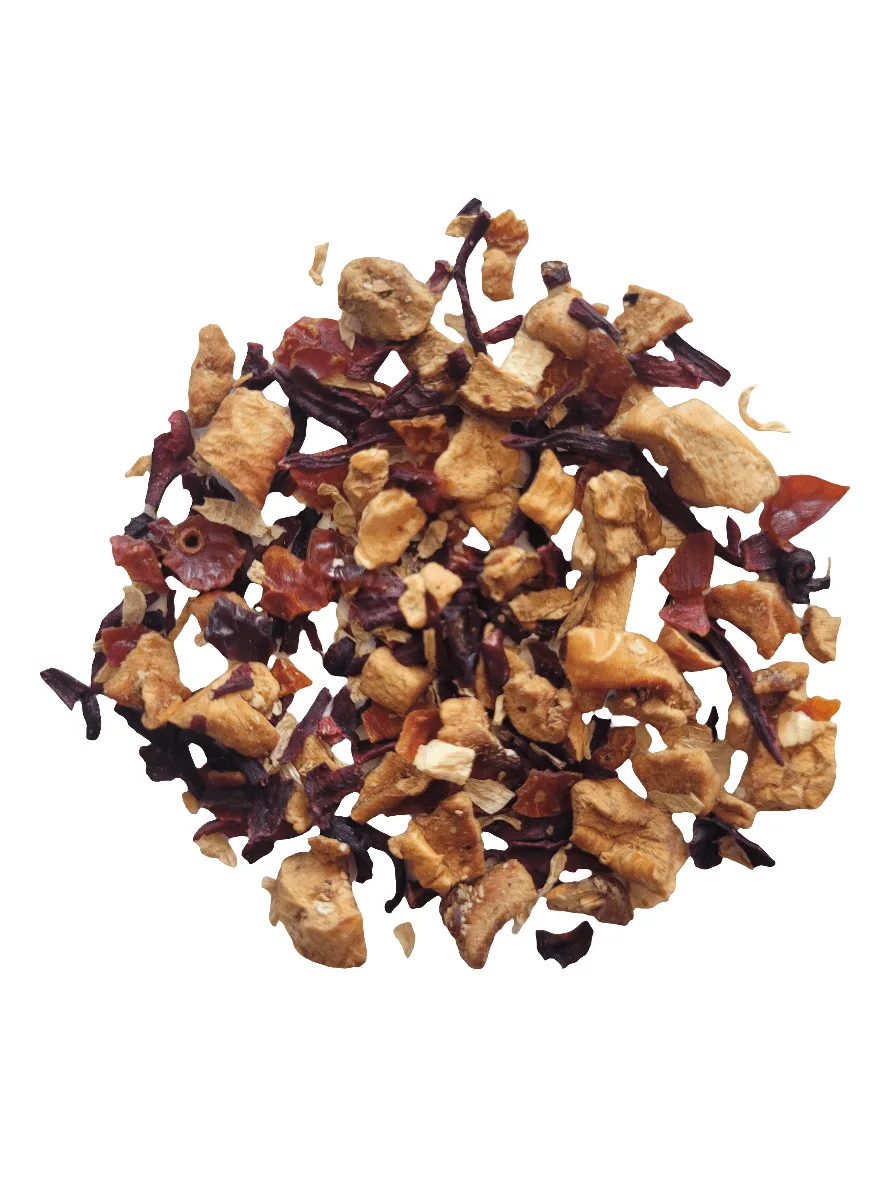
Paradiso Peach: Ingredients: hibiscus, rose hip, apples, orange peel, natural flavor. Flavour notes: peach. Hibiscus and rose hip are the leading ingredients, so expect a tart, fruity structure around the peach rather than a green-tea base.
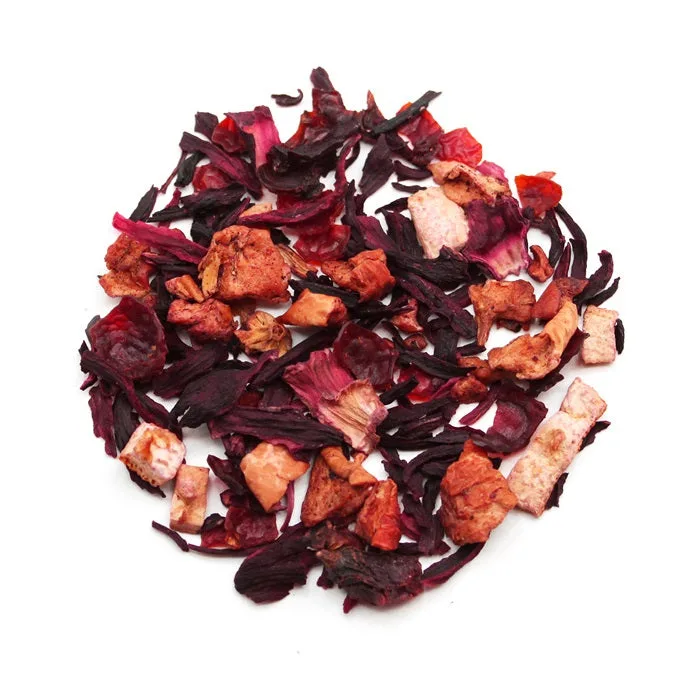
Paradiso Peach
Flavor: Tart Raspberry vs Juicy Peach
Raspberry leads with a refreshing raspberry note backed by green tea. The raspberry pieces and natural flavour supply the fruit, while the green tea adds a lightly grassy or savory edge that keeps the cup from tasting like candy. If you enjoy fruit teas that still taste like tea, this is the more tea-forward option.
Paradiso Peach leans on peach as its named flavor, supported by hibiscus, rose hip, apples, and orange peel. Those ingredients commonly contribute tartness, body, and citrus-like brightness, so the peach reads as part of a layered fruit blend rather than a single-note syrup. The catalog calls it a perfect summer blend, which fits its juicy peach description.
Raspberry vs Paradiso Peach at a Glance
- Base and character: Raspberry contains green tea, so it has a tea base. Paradiso Peach contains hibiscus, rose hip, apples, and orange peel with no green tea listed.
- Named flavor: Raspberry highlights raspberry with green tea notes. Paradiso Peach highlights peach.
- Ingredient complexity: Raspberry lists three ingredients: green tea, raspberry pieces, natural flavour. Paradiso Peach lists five: hibiscus, rose hip, apples, orange peel, natural flavor.
- Sizes available: Both come in 50g and 500g options, so you can try a small amount or stock up.
- Catalog price: Raspberry is listed at USD 6.71 (comparison price USD 8.95). Paradiso Peach is listed at USD 6.35 (comparison price USD 8.95).
Hot or Iced: Which Fruity Tea Works Better?
Because the catalog does not include brewing instructions for either blend, you will need to experiment to find your preferred strength and temperature. That said, the ingredient lists offer useful clues. Paradiso Peach's hibiscus and rose hip base is the kind of fruit-forward combination that many drinkers enjoy over ice, and its summer-blend description makes it a natural candidate for a cold cup. Raspberry's green tea base may appeal to drinkers who want a fruit tea that still tastes like tea, whether served hot or chilled.
For iced raspberry tea, start with a small batch and adjust the amount of leaf to your taste rather than following a fixed recipe. The same approach applies to Paradiso Peach. Neither product record confirms a specific water temperature, steep time, or leaf-to-water ratio, so treat any general fruit-tea guidance as a starting point, not a manufacturer instruction.
How to Choose Between Them
- Choose Raspberry if you want a tea base: The green tea in Raspberry gives it a tea-forward character that Paradiso Peach does not list. If you like fruity teas that still taste like tea, start here.
- Choose Paradiso Peach if you want a tart, peach-led blend: Hibiscus, rose hip, apples, and orange peel build a layered fruit profile around peach. If you prefer a juicy, summer-style cup without green tea, this is the closer match.
- Try both in 50g: Both teas come in a 50g size, which lets you compare flavors before committing to the 500g option.
- Check the price difference: At catalog prices, Paradiso Peach is USD 6.35 and Raspberry is USD 6.71. The gap is small, so flavor preference should drive the decision more than price.
What the Catalog Does Not Tell You
The supplied product records do not include caffeine content, allergen statements, storage instructions, or steeping directions for either tea. Raspberry lists green tea as an ingredient, but the catalog does not state how much caffeine the finished cup contains. Paradiso Peach lists hibiscus, rose hip, apples, orange peel, and natural flavor, but the record does not confirm whether it is caffeine-free. If caffeine matters to you, treat these as open questions rather than assuming either way.
Likewise, neither record provides a shelf life or storage recommendation. The absence of that information in the catalog is not proof that the packaging lacks it—check the product label when your tea arrives. For now, the ingredients and flavor notes are the most reliable guide to what each cup will taste like.