Quick answer
Choose SILK if you want soft, abstract quarter-circle motifs that form flowing patterns when combined. Choose STIXX if you prefer a sharper diamond-cut look with more graphic contrast. Both are modular 4-piece sets, so the real decision is pattern style, not function.
Design language: abstract curves vs diamond-cut geometry
SILK's structure is abstract and reminiscent of airy fabrics. Its two visible quarter-circles only reveal their effect when you assemble several pieces: depending on the arrangement, they create either an even repeat or a free fantasy pattern. That makes SILK the more organic, softer option.
STIXX was created with French designer René Barba and carries his signature diamond-cut look. The design plays with the contrast of jagged, sharp edges and rounded, soft forms, giving it a more dynamic and graphic presence. If you want the divider to read as a strong accent, STIXX is the more assertive choice.
Flexibility and arrangement: both are modular, but they reward different layouts
Both sets are modular and intended for flexible, open arrangements. SILK's quarter-circles work best when you repeat them in a regular rapport or deliberately break the pattern for a free-form look. STIXX's diamond-cut shapes create stronger visual rhythm, so aligning them in rows or clusters emphasizes their geometric character.
Neither product record specifies dimensions or mounting method, so check those details on the product page before planning a large wall composition. The sets are decorative elements, not structural room dividers.
Color options and price context
Both SILK and STIXX are available with a FARBE (color) option, so you can coordinate the set with your room. The catalog lists SILK at USD 12.57 (comparison price USD 19.95) and STIXX at USD 14.96 (comparison price USD 19.95). Prices can change, so confirm current pricing before ordering.
If budget is the deciding factor, SILK is the lower-priced set in the catalog. If the diamond-cut design is what you want, STIXX costs a little more but offers a distinctly different look.
Key trade-offs to decide
- Pattern style: SILK gives you abstract, airy quarter-circles that read as soft and organic. STIXX gives you a diamond-cut geometric look that reads as sharp and dynamic. Pick the pattern that matches the room's existing lines: curves for calm, angles for energy.
- Arrangement flexibility: SILK works equally well as an even repeat or a free fantasy pattern. STIXX's strong geometry benefits from deliberate alignment or clustering to emphasize its rhythm. If you like rearranging often, SILK is more forgiving; if you prefer a fixed graphic statement, STIXX delivers it.
- Budget and color: SILK is listed at USD 12.57 and STIXX at USD 14.96 in the catalog, both with a FARBE option. Confirm current prices and available colors before ordering. Choose STIXX only if the diamond-cut design justifies the higher catalog price for you.
Product facts at a glance
-
Raumteiler Dekoelement SILK 4er-Set: SILK's structure is abstract and reminiscent of airy fabrics, with two quarter-circles that form linear motifs when assembled. You can create either a regular repeat or a free fantasy pattern, making SILK the more adaptable choice for soft, flowing arrangements.
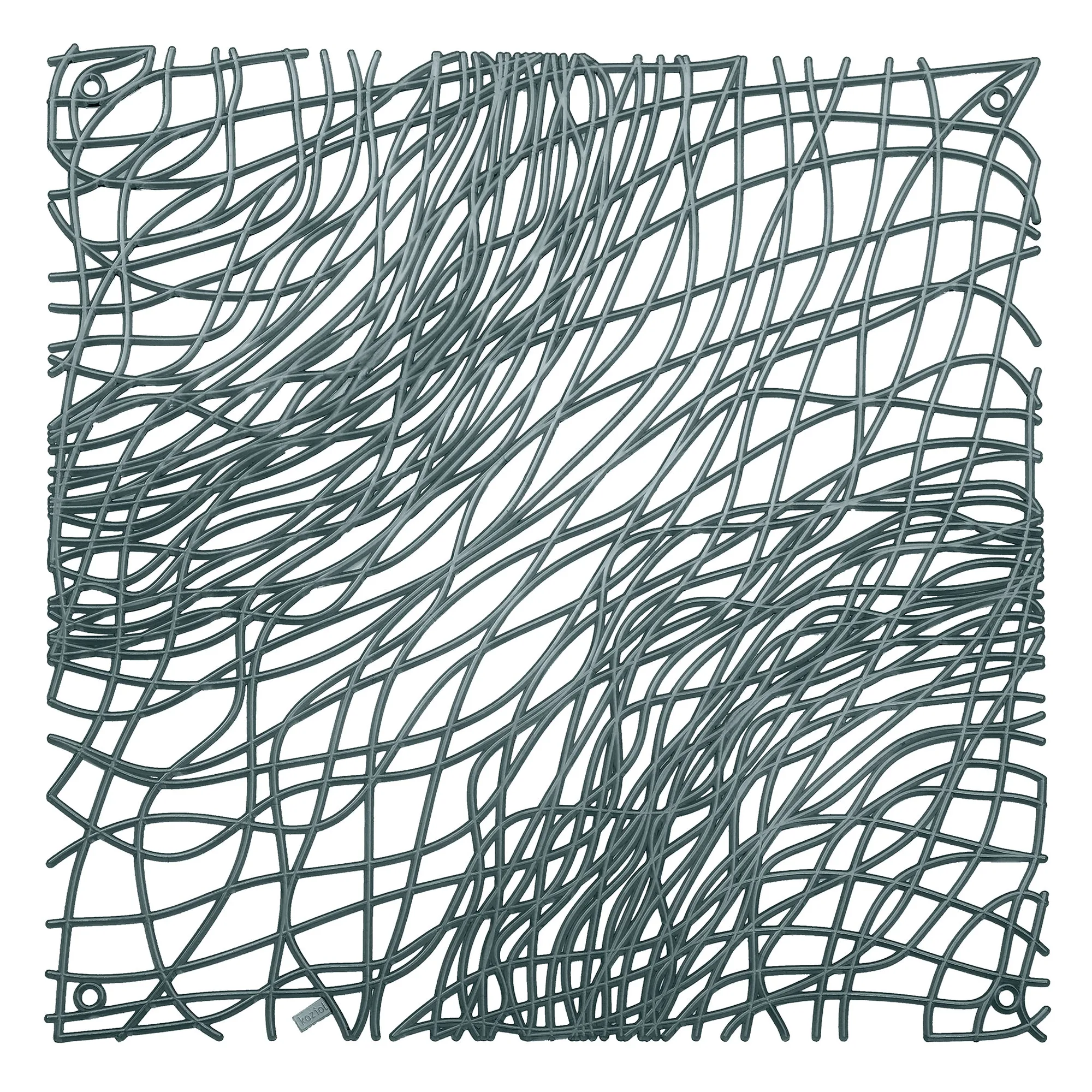
Raumteiler Dekoelement SILK 4er-Set
-
Raumteiler Dekoelement STIXX 4er-Set: STIXX was designed in collaboration with René Barba and features his signature diamond-cut look, combining jagged edges with rounded forms. The result is a more graphic, high-contrast accent that suits rooms where the divider should stand out as a focal point.
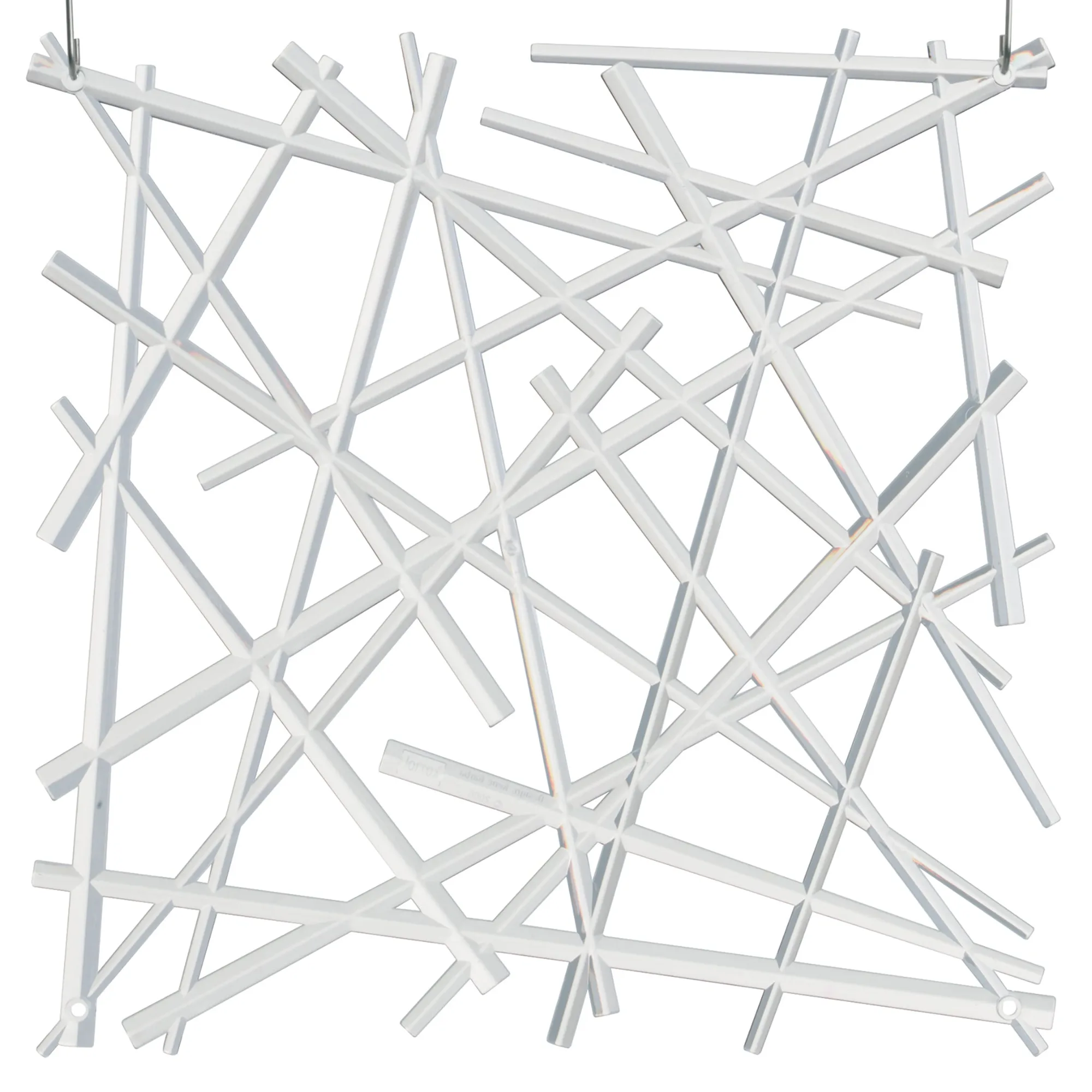
Raumteiler Dekoelement STIXX 4er-Set
Which set fits your space?
Best for
- Rooms with soft, curved or textile-heavy decor where a gentle accent is wanted
- People who enjoy rearranging decorative elements into different patterns
- Shoppers looking for the lower-priced 4-piece set in the catalog
Not for
- Spaces that need a bold, sharp geometric focal point (choose STIXX instead)
- Anyone expecting a structural room divider rather than a decorative element
- Buyers who need confirmed dimensions or mounting details before purchase without checking the product page