Quick answer
Choose the XL Balanced Interconnect if both your source and preamplifier have true balanced XLR connections and your priority is the lowest noise and best common-mode rejection over longer runs. Choose the OPUS Phono Interconnect if you are running a top-tier turntable and need a cable tailored to extremely low-level phono signals. Neither is universally better; the right pick depends on your components and the signal you are carrying.
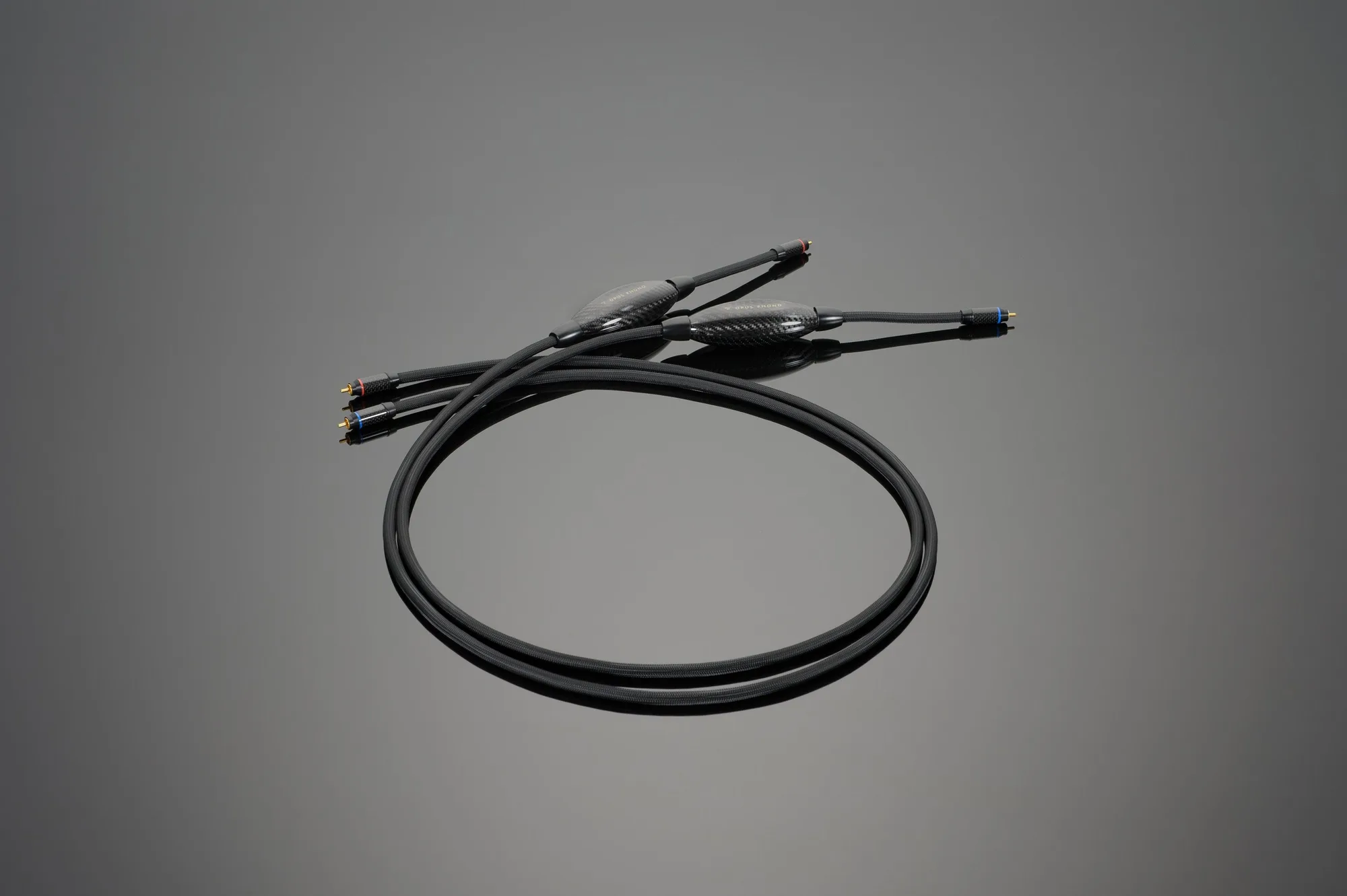
OPUS Phono Interconnect
If your source and preamp both offer XLR outputs, you may wonder whether balanced is worth the extra cost and bulk. If you run a high-end turntable, you may be weighing a dedicated phono cable against a standard RCA interconnect. The answer is not "XLR always wins" or "RCA is fine for everything." It depends on what signal you are moving and what your components expect.
This comparison looks at two Transparent Audio interconnects that sit at different points in the catalog: the OPUS Phono Interconnect and the XL Balanced Interconnect. They are not direct substitutes for one another, and that is the point. Understanding why they exist helps you spend money where it actually changes what you hear.
What RCA and XLR actually do differently
An RCA interconnect carries an unbalanced signal: one conductor for the audio and a shield that also serves as the ground return. An XLR balanced interconnect carries the signal on two conductors with opposite polarity plus a ground, and the receiving end subtracts the two. That subtraction cancels noise that both conductors pick up along the way, which is why balanced cables are preferred for long runs and electrically noisy environments.
The practical difference is not that XLR sounds inherently better. It is that balanced transmission rejects interference and avoids ground-loop problems more effectively. In a short run between well-matched components, a good RCA cable can be perfectly transparent. In a long run near power supplies or digital gear, balanced usually wins on noise floor.
- Check whether your components are truly balanced internally, not just XLR-equipped on the outside.
- Keep unbalanced RCA runs short where possible; balanced XLR is more forgiving of distance.
Where the OPUS Phono Interconnect fits
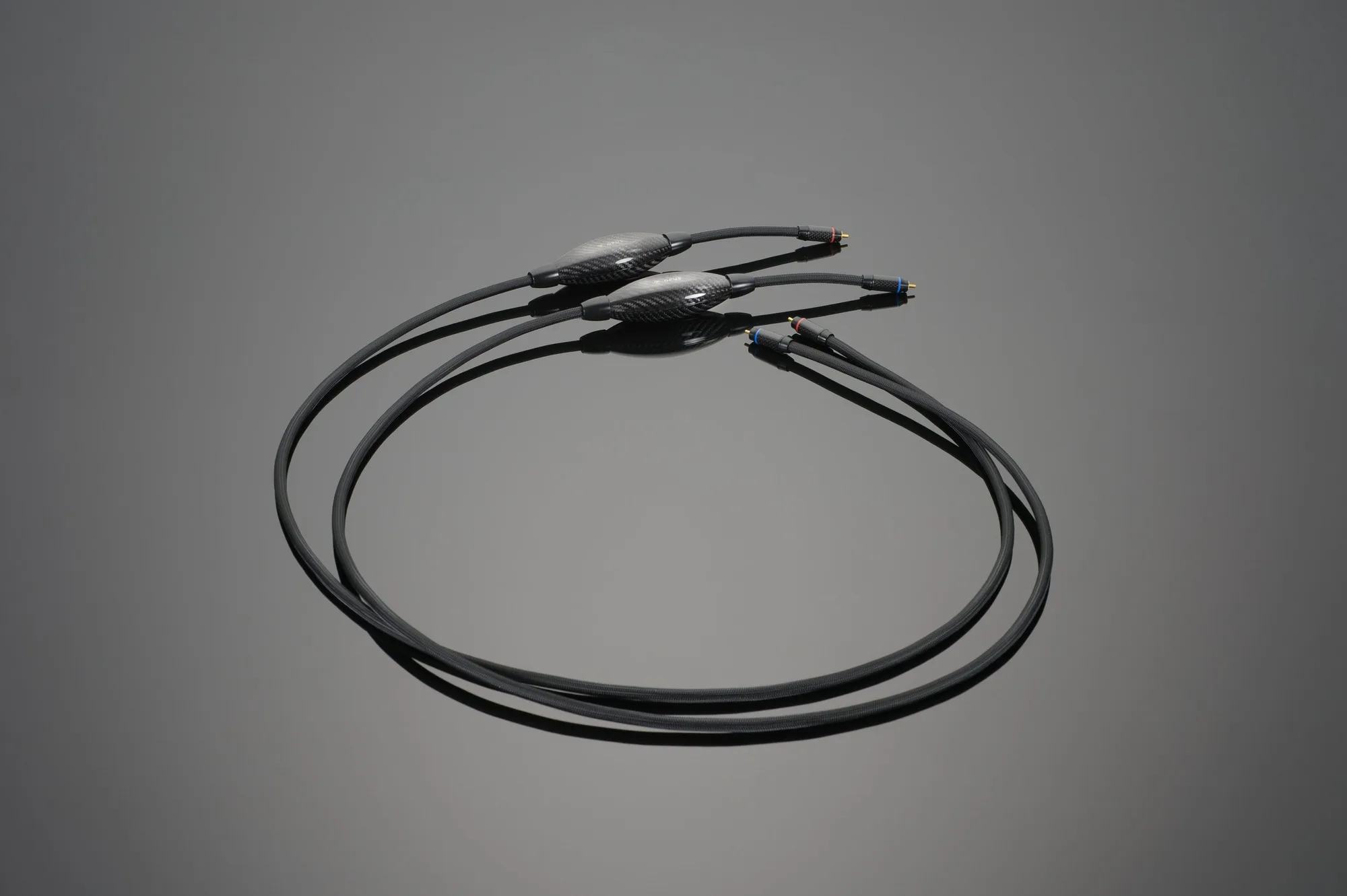
The OPUS Phono Interconnect is built for phono duty. According to Transparent Audio, it uses the same cable, connectors, and vibration-damped carbon fiber network housings as the OPUS RCA Interconnect, and is designed to complement the special needs of delicate, extremely low-level phono signals. That matters because a moving-coil or moving-magnet cartridge produces a signal far smaller than a line-level source, so shielding and mechanical stability are critical.
Transparent positions OPUS Phono as an addition to a well-established Connoisseur Level system with a top-of-the-line phonograph setup. If you have already invested in a serious turntable, arm, and phono stage, this cable is intended to preserve that investment rather than become the weak link.
- Use a dedicated phono cable for turntable-to-phono-stage runs; do not substitute a line-level cable.
- Keep the phono cable away from power cords and power supplies to reduce hum pickup.
Where the XL Balanced Interconnect fits
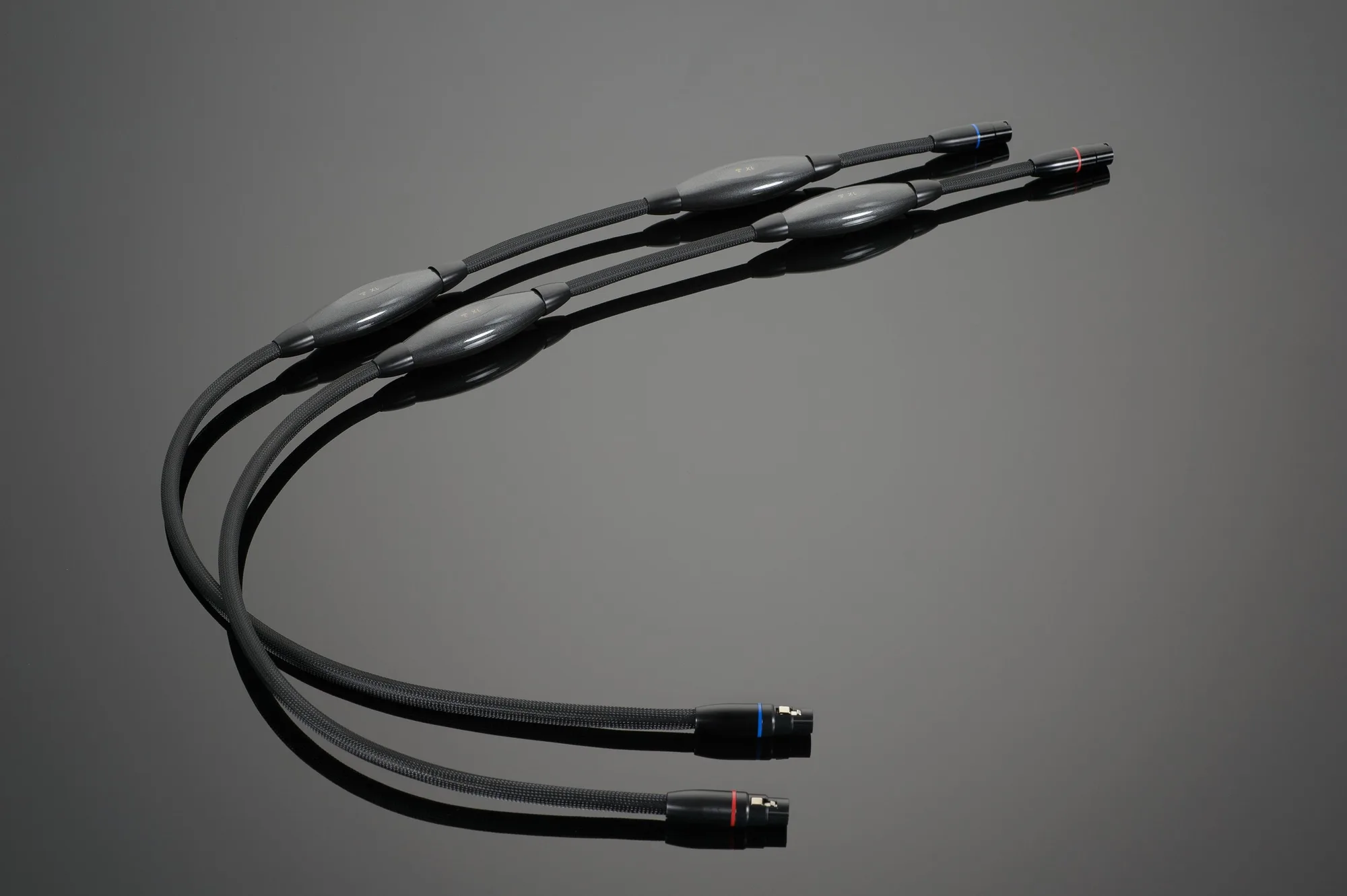
The XL Balanced Interconnect is designed for high-resolution, fully differentially balanced source components and preamplifiers. Transparent describes it as a great addition to a well-established Connoisseur Level music or film system with balanced components, freeing a superior system to deliver unexpected levels of musical involvement. In other words, it assumes you already have balanced gear and want to exploit it.
Because XL Balanced is a line-level interconnect, it is the natural choice between a balanced DAC, streamer, or phono stage and a balanced preamplifier. It is not a phono cable. If your turntable feeds a phono stage over RCA, the XL Balanced belongs after the phono stage, not before it.
- Confirm your preamp and source both use true differential balanced XLR connections before buying.
- Use XL Balanced for line-level runs; use a phono-specific cable for the turntable side.
The trade-off: cost, complexity, and system level
The OPUS Phono Interconnect and XL Balanced Interconnect sit at different price and system levels. OPUS is positioned for a top-of-the-line analog front end, while XL Balanced is aimed at a well-established balanced system. The trade-off is not simply price; it is whether your system has the resolution and the balanced topology to reveal what each cable is designed to preserve.
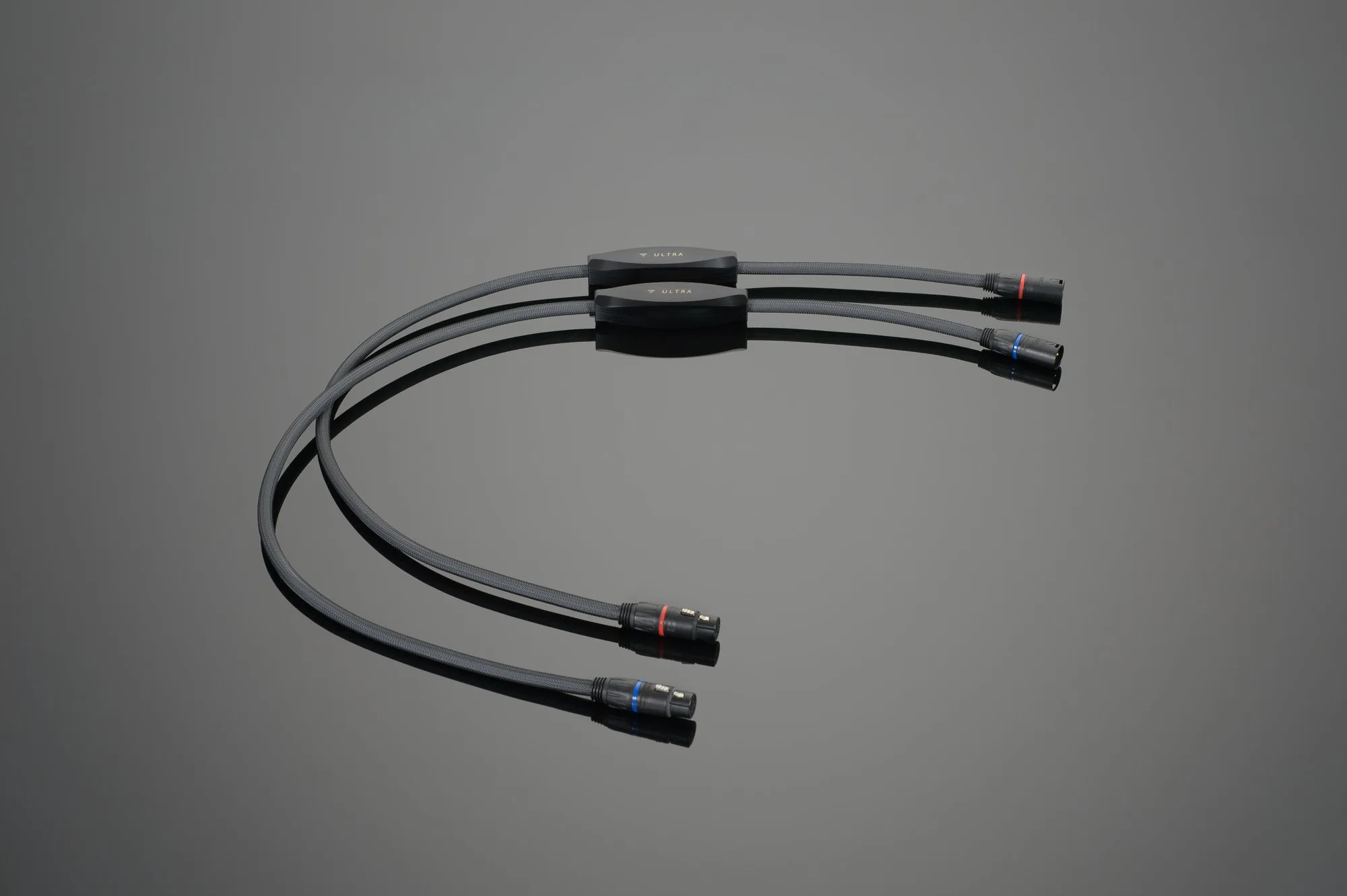
If you are running a modest system, neither cable is the right first upgrade. The PLUS Balanced Interconnect is a more sensible starting point for an Upgraded Better music or film system, and the ULTRA Balanced Interconnect targets Upgraded Premium systems with fuller tonality and dynamics. Match the cable tier to the rest of the chain.
- Spend on cables after the source, amplification, and speakers are settled.
- If your system is not fully balanced, a balanced cable cannot create a balanced signal path.
Trade-offs at a glance
- OPUS Phono Interconnect: Purpose-built for extremely low-level phono signals, sharing cable, connectors, and vibration-damped carbon fiber network housings with the OPUS RCA Interconnect. Choose it if your turntable and phono stage are already top-tier and you need a phono-specific cable.
- XL Balanced Interconnect: Designed for high-resolution fully differentially balanced source components and preamplifiers in well-established Connoisseur Level systems. Choose it if both ends are truly balanced and you want the noise rejection of XLR for line-level runs.
- PLUS and ULTRA Balanced Interconnects: PLUS targets Upgraded Better systems with more powerful and refined dynamics; ULTRA targets Upgraded Premium systems with fuller tonality, limitless dynamics, and 3-dimensional space. Choose one of these if your balanced system is not yet at Connoisseur level, so you do not overspend on cable.
Product facts
- OPUS Phono Interconnect: Crafted from the same cable, connectors, and vibration-damped carbon fiber network housings as the OPUS RCA Interconnect, and designed for the special needs of delicate, extremely low-level phono signals. A dedicated phono cable protects the tiny cartridge signal from noise and vibration before it reaches the phono stage, where it is most vulnerable.
- XL Balanced Interconnect: Designed for high-resolution fully differentially balanced source components and preamplifiers, and intended for well-established Connoisseur Level music or film systems with balanced components. It only delivers its design benefit when both ends of the connection are genuinely balanced, so check your component specs first.
- PLUS Balanced Interconnect: A great addition to any Upgraded Better music or film system, working with other AUTHENTIC Transparent System Companions to provide more powerful and refined dynamics and space. It gives balanced-connection owners a lower-cost entry point when the rest of the system is not yet at Connoisseur level.
- ULTRA Balanced Interconnect: A great addition to any Upgraded Premium music or film system, working with other LIFELIKE Transparent System Companions to provide fuller tonality, limitless dynamics, and 3-dimensional space. It sits between PLUS and XL in system ambition, so it is worth considering if your balanced system is a step above entry level but not yet fully built out.
Which should you choose?
Best for
- A top-tier turntable setup feeding a dedicated phono stage, where the OPUS Phono Interconnect matches the rest of a Connoisseur Level analog front end.
- A fully balanced line-level system where the XL Balanced Interconnect connects a balanced source to a balanced preamplifier over a longer or noisier run.
- A balanced system that is not yet at Connoisseur level, where PLUS or ULTRA Balanced Interconnects match the current build.
Not for
- A system where only one component has XLR connections, since a balanced cable cannot create a balanced signal path on its own.
- A turntable-to-phono-stage connection using the XL Balanced Interconnect, because it is a line-level cable, not a phono cable.
- Entry-level systems where the cable budget would be better spent on the source, amplification, or speakers first.
The RCA vs XLR question is really a question about your system, not about which connector is superior. If you run a serious turntable, the OPUS Phono Interconnect is the purpose-built choice for the delicate signal before the phono stage. If you run genuinely balanced line-level components, the XL Balanced Interconnect is designed to exploit that topology. Match the cable to the job and to the level of the system around it, and the upgrade will make sense.