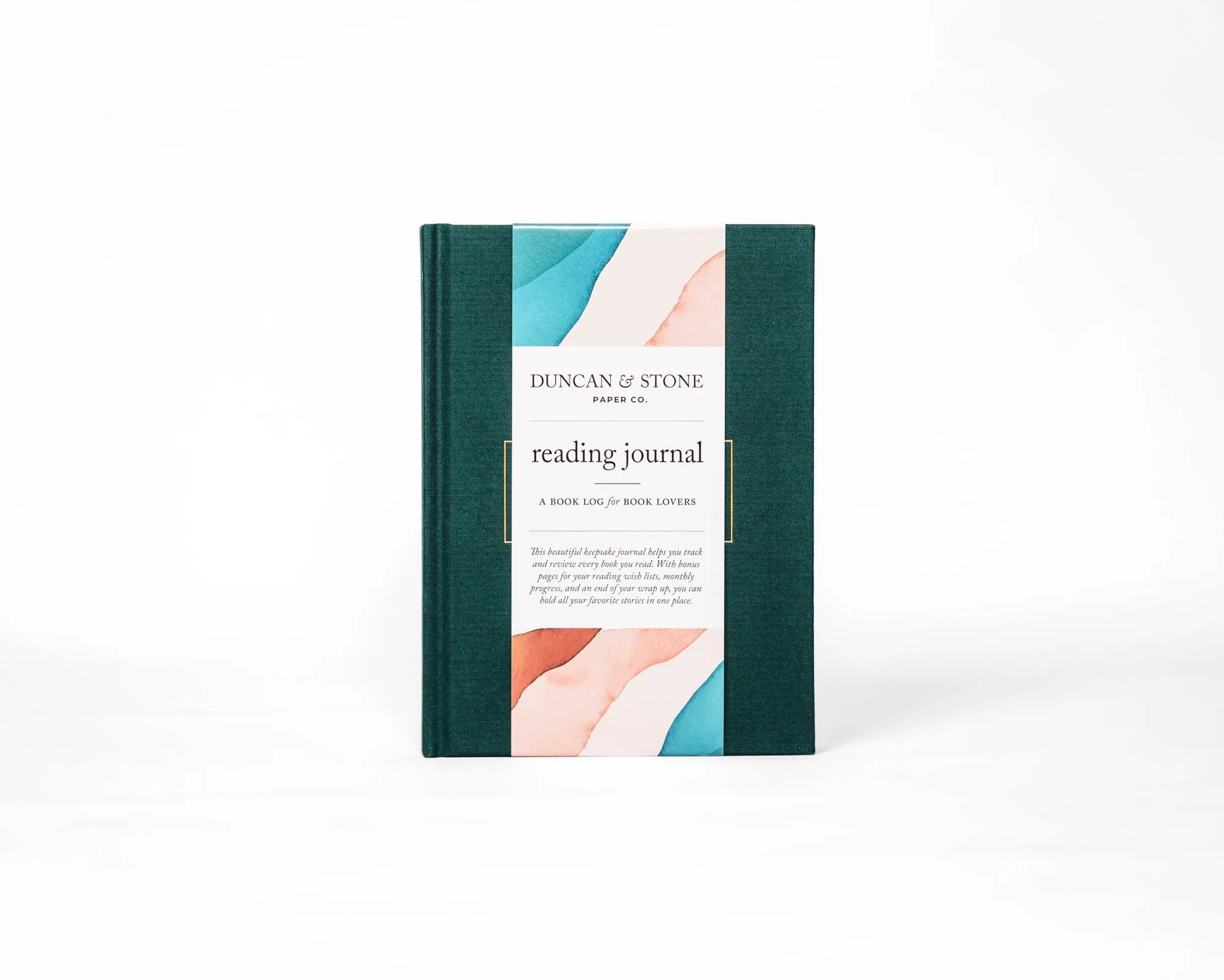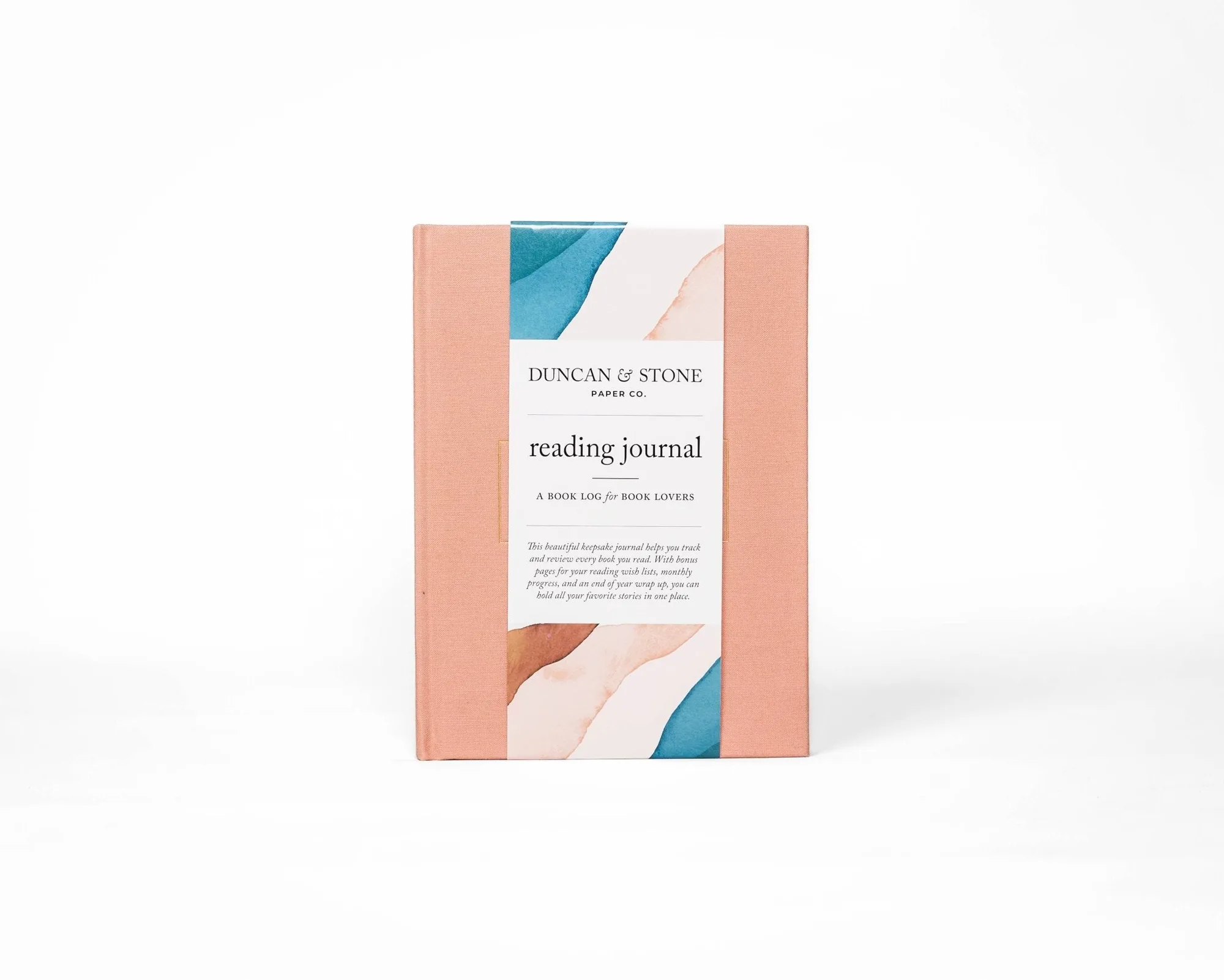
For book lovers, keeping track of what you’ve read and capturing your thoughts is a rewarding habit. But how you do it can vary: some prefer the tactile experience of a physical https://duncanandstones.com/products/reading-journal-261238reading journal, while others enjoy the public, interactive nature of a book review blog. Both methods have unique strengths, and the right choice depends on your goals, personality, and lifestyle.
In this comparison, we’ll explore the key differences between a reading journal and a book review blog, helping you decide which—or perhaps both—fits your bookish journey best. Whether you’re a casual reader or a dedicated bibliophile, understanding these options will enhance how you document and share your literary adventures.
What Is a Reading Journal?
A reading journal is a personal, often paper-based log where you record books you’ve read, along with notes, reflections, ratings, and favorite quotes. It’s a private space for your thoughts, free from algorithms or audience expectations. Many readers use it to track reading goals, list books to read, or jot down impressions immediately after finishing a chapter.
Our Reading Journal is designed specifically for this purpose, with dedicated pages for book details, reviews, and reading lists. It offers a structured yet flexible format that encourages consistent tracking. You can customize it with stickers, doodles, or your own prompts, making it a creative keepsake of your reading life.
- Private and introspective: no pressure to perform for an audience.
- Tangible and portable: no need for Wi-Fi or batteries.
- Encourages deeper reflection through handwriting and slow thinking.
What Is a Book Review Blog?
A book review blog is an online platform where you publish your thoughts on books for others to read. It can be a personal blog or part of a larger community. Blogs allow you to share recommendations, join discussions, and connect with fellow readers worldwide. They often include ratings, summaries, and spoiler-free reviews.
Blogging requires regular posting, engaging with comments, and sometimes promoting your content on social media. It’s a more public commitment, but it can be incredibly rewarding if you enjoy building a community and influencing others’ reading choices.
- Public and interactive: engage with a community of readers.
- Searchable and shareable: your reviews can help others discover books.
- Opportunity to develop writing skills and personal brand.
Key Differences at a Glance
To help you decide, here’s a quick comparison of the main aspects of each method.
- Privacy: Reading journal is private; blog is public.
- Effort: Journaling is low-pressure; blogging requires consistent content creation.
- Purpose: Journal is for personal reflection; blog is for sharing and discussion.
- Format: Physical book vs. digital platform.
- Longevity: Journal lasts as a physical keepsake; blog can be archived online.
Which One Should You Choose?
Your choice depends on your primary motivation. If you want a quiet, personal record of your reading journey without any external pressure, a reading journal is ideal. It’s perfect for introverts, those who love handwriting, and anyone who wants a beautiful keepsake to look back on. Our Reading Journal offers a lovely, structured way to start.
On the other hand, if you thrive on interaction and want to share your passion with the world, a book review blog might be more fulfilling. Blogging can also help you refine your opinions and connect with authors and publishers. Many book lovers actually use both: a journal for private notes and a blog for polished reviews.
Can You Use Both?
Absolutely! Many readers combine the two methods. They use a reading journal for initial impressions, quick notes, and tracking stats, then later expand those thoughts into blog posts. This hybrid approach gives you the best of both worlds: the intimacy of a journal and the reach of a blog.
For example, you might jot down raw emotions in your Reading Journal right after finishing a book, then craft a thoughtful review for your blog the next day. This way, you capture authentic feelings while still sharing curated content with your audience.
Ultimately, whether you choose a reading journal, a book review blog, or both, the most important thing is to enjoy the process of documenting your reading life. If you’re leaning toward a personal, tactile experience, explore our Reading Journal to get started on your book tracking journey today.