Quick answer
A reading journal and a recipe book serve different note-taking purposes. Use a reading journal to track books you've read, and a recipe book to save and organize your favorite dishes.
Purpose drives the format
The main difference between a reading journal and a recipe book is their intended use, which shapes how you take notes. A reading journal is designed to record thoughts on books, with space for titles, authors, and reflections. A recipe book, on the other hand, is built for capturing cooking instructions, ingredients, and personal tweaks.
Choosing the wrong one means fighting the layout. A recipe book's blank pages encourage freeform scribbling of measurements and steps, while a reading journal's structured pages prompt you to jot down plot points and ratings. Pick the one that matches your note-taking style.
Design trade-offs
Both journals are hardback and spiral bound, making them durable and easy to lay flat. But their internal pages differ. The reading journal gives each book a single page to note thoughts—great for quick, no-fluff tracking. The recipe book offers blank A5 pages, ideal for messy, splattered notes with room for drawings or clippings.
If you need a guided structure, the reading journal wins. If you prefer total freedom, the recipe book is more flexible. Neither is better overall—it depends on whether you want prompts or a blank canvas.
Verdicts
- Claim: A reading journal and a recipe book are interchangeable for all notes.: Verdict: False. They are designed for different purposes. A reading journal is structured for book tracking, while a recipe book is a blank canvas for cooking notes. Using them interchangeably leads to frustration with mismatched layouts. Match the journal to your activity: reading journal for books, recipe book for cooking.
- Claim: You need multiple journals to cover different note-taking needs.: Verdict: True, if your notes vary widely. A single journal can't serve both book tracking and recipe saving well. Having one for each purpose keeps your notes organized and easy to find. Consider buying both if you regularly read and cook.
- Claim: The recipe book is only for experienced cooks.: Verdict: False. The blank pages and simple design make it suitable for anyone learning to cook or wanting to store family recipes. It's a place to jot down everything from midweek staples to passed-down dishes. It works for beginners and experts alike.
Product facts
-
Good Tuesday: Reading journal: A no-fluff reading journal designed to record your recent reads in a stylishly simple way, with each book getting a single page for your thoughts. This structure helps you quickly capture and recall book details without feeling overwhelmed by too many prompts.
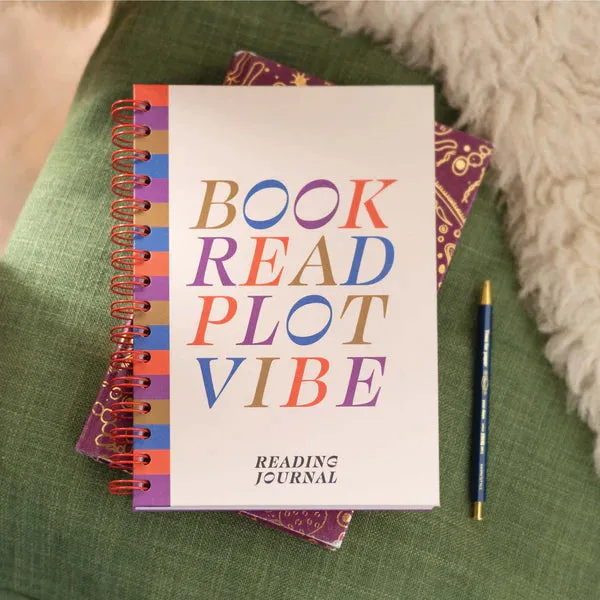
Good Tuesday: Reading journal
-
Good Tuesday: Recipe Book: A hardback, spiral-bound recipe journal with blank A5 pages, ready to be splattered, scribbled in, and filled with flavour. The blank pages give you the freedom to write recipes in your own style, add notes, or paste in cutouts from magazines.
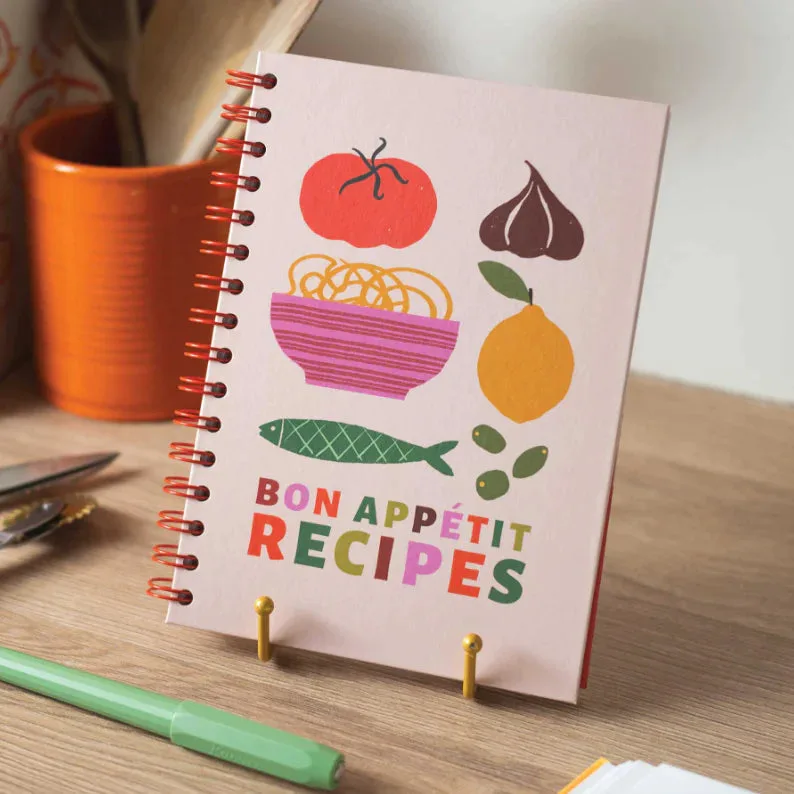
Good Tuesday: Recipe Book