Walking down the supplement aisle can feel overwhelming, especially when you're faced with a wall of probiotic bottles. Labels are packed with scientific terms, big numbers, and tiny print. But learning how to read a probiotic label is the key to choosing a product that actually supports your health goals.
Whether you're new to probiotics or looking to switch brands, this guide will walk you through every section of a typical supplement label. We'll cover CFUs, strain names, expiration dates, storage instructions, and other key details so you can make an informed decision.
Start with the Supplement Facts Panel
The Supplement Facts panel is your go-to source for the most important information. Look for the serving size, which tells you how many capsules, gummies, or scoops to take. Next, check the number of servings per container to calculate how long the product will last.
The panel also lists the probiotic blend or individual strains. Pay attention to the amount of each strain, often listed in colony-forming units (CFUs). A typical dose ranges from 10 billion to 100 billion CFUs, but more isn't always better—your specific needs determine the ideal amount.
- Check the serving size and servings per container first.
- Look for CFU count per serving, not per capsule if different.
- Ensure the product lists specific strains, not just a generic blend.
Decode Strain Names and Their Benefits
Probiotic strains are identified by their genus, species, and strain designation. For example, Lactobacillus acidophilus LA-14 includes the genus (Lactobacillus), species (acidophilus), and strain (LA-14). Each strain has unique benefits, so matching strains to your health goals is crucial.
Some strains support digestion, while others boost immunity or mood. For instance, the Mood Support Probiotic contains specific strains that target mental well-being. Always research or consult a healthcare professional to find strains that align with your needs.
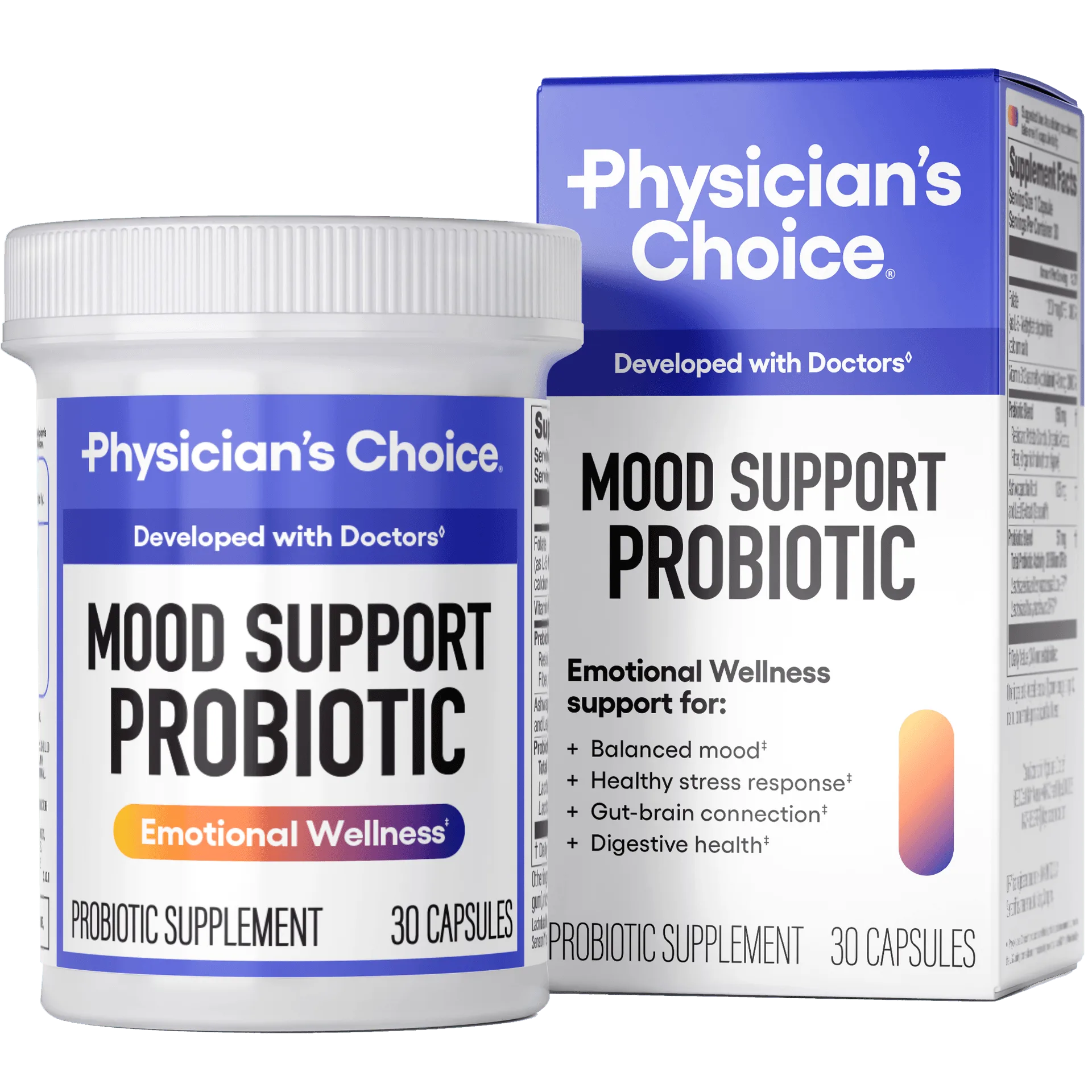
Mood Support Probiotic
Understand CFU Counts and What They Mean
CFU stands for colony-forming units, which indicate the number of live microorganisms in each serving. A higher CFU count doesn't guarantee better results—it depends on the strain and your health condition. For general maintenance, 10–20 billion CFUs may suffice, while therapeutic uses might require 50 billion or more.
Also, consider the product's stability. Some probiotics, like the 100 Billion Probiotic, are formulated to survive stomach acid and deliver high potency. Check if the CFU count is guaranteed through the expiration date, not just at the time of manufacture.

100 Billion Probiotic
- Higher CFU is not always better; choose based on your health goal.
- Look for 'guaranteed through expiration' on the label.
- Start with a lower CFU if you're new to probiotics to avoid bloating.
Check Expiration Dates and Storage Instructions
Probiotics are living organisms, so their viability decreases over time. Always check the expiration date on the bottle. Some products require refrigeration, while others are shelf-stable. Follow storage instructions carefully to maintain potency.
For example, many powdered probiotics like the Easy Mix Fiber - Peach Mango are shelf-stable and easy to mix into drinks. Gummies and capsules also have specific storage needs. Avoid exposing probiotics to heat, moisture, or direct sunlight.
Look for Third-Party Certifications and Additives
Third-party testing seals (e.g., USP, NSF) indicate that the product meets quality standards. Also, scan the ingredient list for unnecessary fillers, artificial colors, or allergens. A clean label often means better absorption and fewer side effects.
Prebiotic fibers like inulin or FOS are sometimes added to feed the probiotics. If you have IBS or sensitivities, check for these ingredients. The https://physiciansdecisions.com/products/fiber-gummies-for-constipation-258352Fiber Gummies For Constipation and other fiber products can complement your probiotic regimen.
- Seek third-party certifications for quality assurance.
- Avoid artificial additives and common allergens if sensitive.
- Consider products with added prebiotics for synergistic benefits.
Reading a probiotic label doesn't have to be confusing. Focus on the CFU count, specific strains, expiration date, and storage instructions. By understanding these key elements, you can select a probiotic that truly supports your digestive health. Ready to find your perfect match? Check out our 100 Billion Probiotic for a high-potency option backed by quality ingredients.