Quick Answer
Realistic dildos are not inherently better than non-realistic ones; the best choice depends on your personal preferences for sensation, aesthetics, and use. Both types can provide satisfying pleasure when made from body-safe materials. Focus on material safety and design features rather than realism alone.
When shopping for a dildo, you'll quickly notice two main categories: realistic and non-realistic. Realistic dildos mimic the look and feel of a penis, while non-realistic ones come in abstract shapes, vibrant colors, and smooth or textured designs. Many myths surround these differences, leading to confusion about which is 'better' or safer. In this article, we separate fact from fiction to help you make an informed choice.
We'll address common misconceptions about material, safety, and pleasure, using only verified product information from our catalog. By the end, you'll know what to look for and how to pick the right toy for your needs.
Myth 1: Realistic Dildos Are Always More Pleasurable
It's easy to assume that realistic dildos provide more pleasure because they mimic a real penis. However, pleasure is subjective and depends on the toy's shape, texture, and how you use it. Non-realistic dildos often feature curves, ridges, or bulbs designed for targeted stimulation, like the https://corepleasure.store/products/lovehoney-glitter-silicone-dildo-6-inch-88835Lovehoney Glitter Silicone Dildo 6 Inch, which has a curved shaft and bulbous tip for precision pleasure.
Realistic toys, like the THRUST Pro Ultra Abbie Realistic Vagina Super Tight Cup (a masturbator, not a dildo), focus on internal texture and tightness. For dildos, realism doesn't guarantee more sensation; it's about what feels good to you. Experiment with different shapes to find what works.
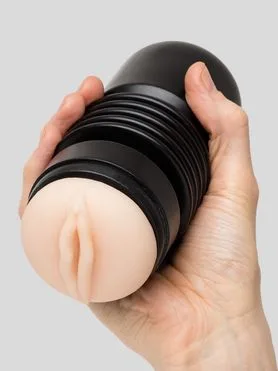
THRUST Pro Ultra Abbie Realistic Vagina Super Tight Cup
- Consider what type of stimulation you enjoy: G-spot, prostate, or general fullness.
- Non-realistic dildos often offer more variety in texture and flexibility.
Myth 2: Realistic Dildos Are Made from Unsafe Materials
Some people worry that realistic dildos use porous or toxic materials to achieve a skin-like feel. While that's true for cheap, low-quality products, many reputable brands use body-safe silicone. For example, the Lovehoney Glitter Silicone Dildo 6 Inch is made of smooth silicone, which is non-porous and easy to clean. Always check the material before buying; silicone, glass, and stainless steel are safe choices.
Non-realistic dildos can also be made from unsafe materials if they're cheap, so the key is to buy from trusted brands and look for '100% silicone' labels. Don't assume realism equals unsafe; it's about the manufacturer's quality standards.
- Always verify material: look for 'silicone' or 'body-safe' on the product page.
- Avoid jelly, rubber, or PVC toys, which may contain phthalates.
Myth 3: Realistic Dildos Are Better for Beginners
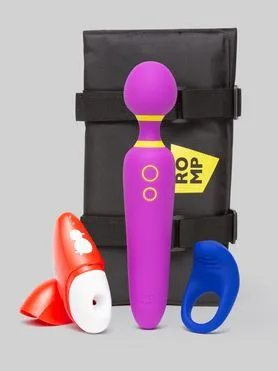
Beginners often think realistic dildos are more approachable, but that's not necessarily true. Realistic dildos can be intimidating due to size and texture. Non-realistic dildos often come in smaller sizes and smoother designs, making them easier to start with. The ROMP Hype Rechargeable G-Spot Vibrator, though a vibrator, shows how a non-realistic design can be ergonomic and beginner-friendly.
For beginners, focus on size and flexibility rather than realism. A smaller, non-realistic dildo with a smooth surface might be more comfortable. As you gain experience, you can explore realistic options if that appeals to you.
- Start with a smaller size (around 5-6 inches) and a gentle curve.
- Use plenty of lubricant to enhance comfort.
Myth 4: Realistic Dildos Are More Hygienic
Hygiene isn't determined by realism but by material and cleaning habits. Both realistic and non-realistic dildos made from non-porous materials like silicone can be thoroughly cleaned with soap and water or a toy cleaner. Porous materials, regardless of appearance, can harbor bacteria. So, choose silicone and clean after every use.
Some realistic dildos have detailed textures that can trap dirt, but proper cleaning solves that. Non-realistic dildos with smooth surfaces are easier to wipe down, but that doesn't make them inherently more hygienic. Always follow care instructions.
- Wash your toy with warm water and mild soap before and after each use.
- Use a dedicated toy cleaner for extra safety.
Myth vs. Verdict
- Myth: Realistic dildos are always more pleasurable.: Pleasure depends on shape, texture, and personal preference, not realism alone. Choose based on what stimulates you, not on looks.
- Myth: Realistic dildos are unsafe.: Safety is about material, not appearance. Silicone is safe in both types. Always check for body-safe materials.
- Myth: Realistic dildos are better for beginners.: Beginners may find non-realistic, smaller toys more comfortable. Start with what feels comfortable, not what looks realistic.
- Myth: Realistic dildos are more hygienic.: Hygiene depends on material and cleaning, not realism. Clean your toy properly regardless of type.
Catalog Facts to Consider
- Lovehoney Glitter Silicone Dildo 6 Inch: The curved shaft and bulbous tip lend themselves to precision-perfect pleasure. This non-realistic dildo offers targeted stimulation, showing that design matters more than realism.
- THRUST Pro Ultra Abbie Realistic Vagina Super Tight Cup: A realistic vagina with velvety soft lips and a super textured canal designed to make you moan. Realism can enhance sensation for some, but it's one of many factors in pleasure.
In the end, the 'better' dildo is the one that meets your needs and preferences. Realistic and non-realistic toys each have their place, and both can provide safe, satisfying pleasure when made from quality materials. Don't let myths dictate your choice; focus on body-safe materials, design features, and what feels good to you.