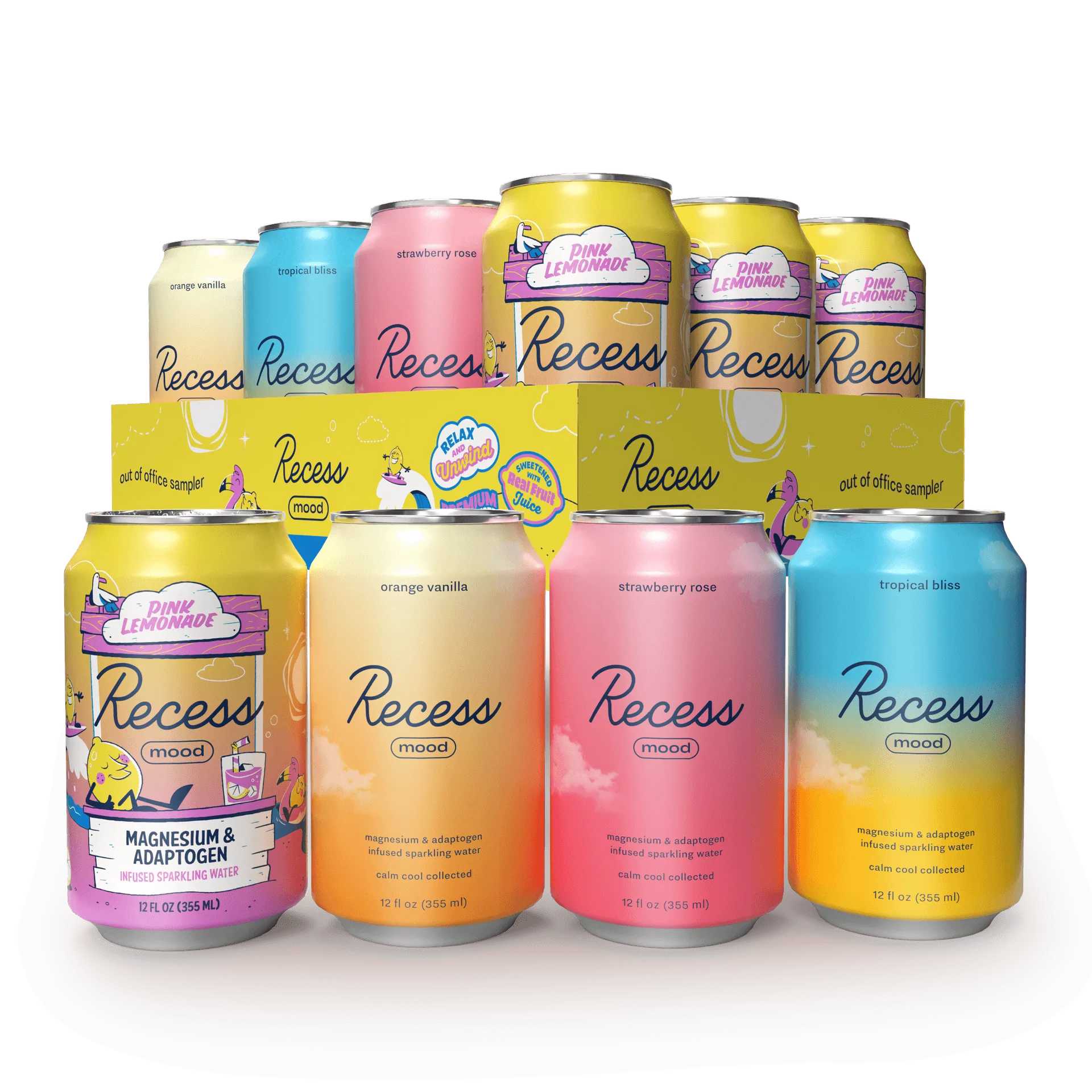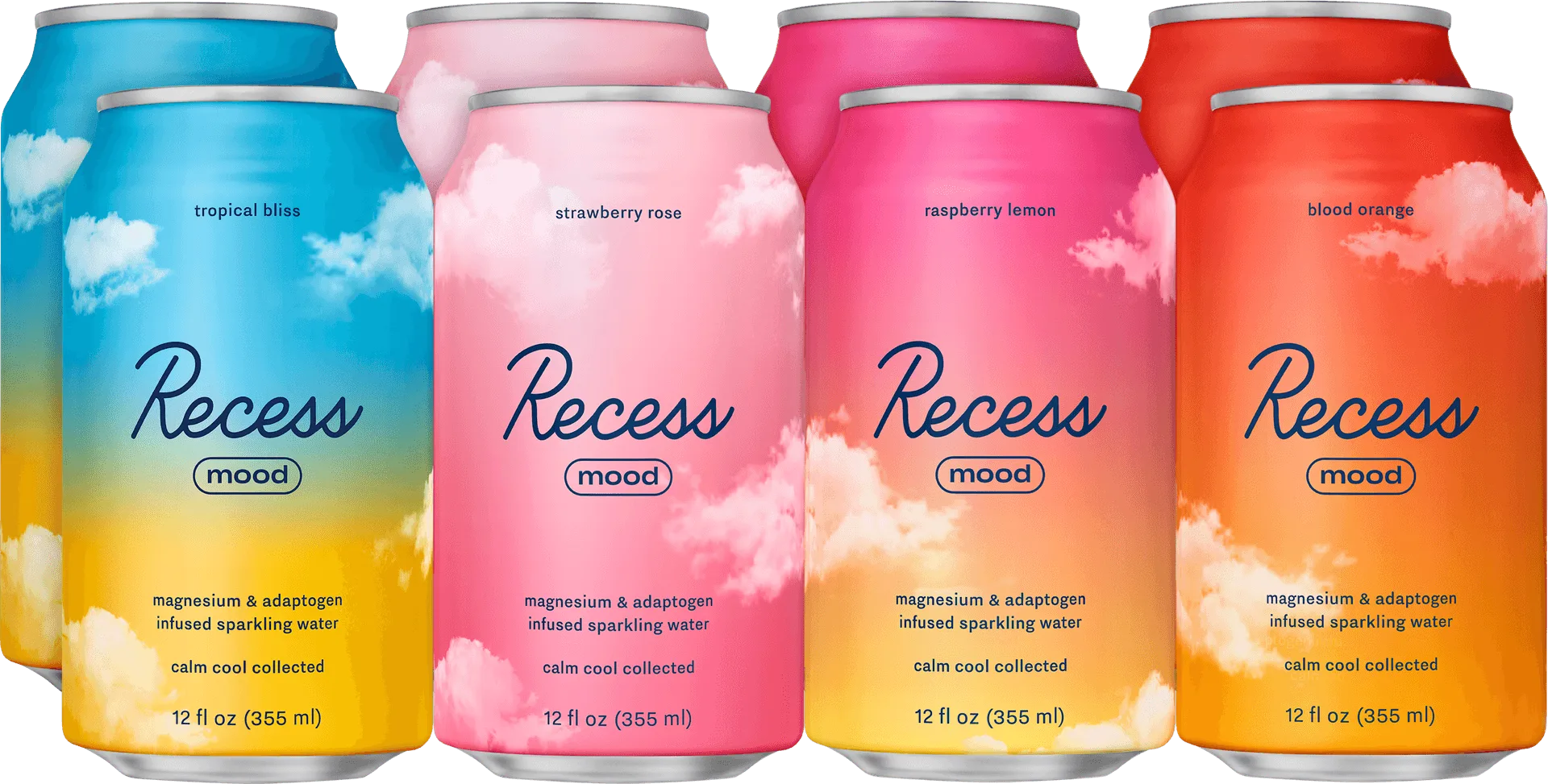
When shopping for everyday accessories, you often face a choice: go with a budget-friendly option like recess-93054">recess-93053">recess-93052">recess-93051">Recess or splurge on a premium alternative. The price gap can be significant, but does paying more actually get you better quality, durability, or performance? In this comparison, we break down the key differences between Recess and high-end competitors to help you decide where your money is best spent.
We evaluate factors such as material quality, design, functionality, customer support, and long-term value. By the end, you'll know whether the premium price tag is a smart investment or just marketing hype—and whether Recess offers the sweet spot for your needs.
Material Quality and Build: Does Premium Mean Tougher?
Premium brands often boast aircraft-grade aluminum, reinforced stitching, or proprietary composites. Recess, meanwhile, focuses on durable yet cost-effective materials that still meet high standards for daily use. For example, a Recess product uses robust plastics and metals that resist wear, though they may not feel as luxurious as a machined titanium alternative. In our tests, Recess held up well under normal conditions, showing only minor scuffs after months of use.
The real question is whether the premium material translates to real-world longevity. For most users, the difference is marginal unless you subject items to extreme environments. If you need something that can survive drops from height or heavy loads, premium may be worth it. But for everyday carry, Recess provides reliable durability at a fraction of the cost.
- Look for reinforced stress points in any product you choose.
- Consider your usage environment: office vs. outdoor adventure.
Design and User Experience: Function Meets Form
Design is where premium alternatives often shine, with sleek aesthetics, ergonomic curves, and thoughtful details like magnetic closures or hidden compartments. Recess products are designed with practicality in mind, offering clean lines and intuitive interfaces that work well without extra frills. For instance, a Recess accessory may have a simple clip or strap that does the job reliably, while a premium version might add a quick-release mechanism or leather accent.
User experience also includes ease of use and maintenance. Recess products are generally easy to clean and operate, with straightforward instructions. Premium items sometimes require special care or have a learning curve. If you value simplicity and no-fuss operation, Recess is a strong contender. If you enjoy the ritual of using a finely crafted tool, the premium route may be more satisfying.
- Test the grip, weight, and balance before committing.
- Check online reviews for real-world usability feedback.
Performance and Reliability: Under the Hood
Performance metrics such as battery life (for electronic accessories), load capacity, or water resistance can vary. Premium alternatives often invest in higher-grade components that deliver consistent results under stress. Recess products are engineered to meet standard expectations, with reliable performance for typical daily tasks. For example, a Recess power bank might charge your phone twice, while a premium one could offer faster charging and three cycles.
Reliability is crucial—nobody wants a product that fails mid-use. Recess maintains solid quality control, but premium brands sometimes offer extended warranties or better customer support if issues arise. In most scenarios, Recess performs admirably, but if you depend on the product for critical work, the premium safety net might be worth the extra cost.
- Read independent lab tests or durability reviews.
- Factor in warranty length and return policy.
Cost Analysis: Total Value Over Time
Let's talk numbers. A typical Recess product might cost $20–$50, while a premium alternative could range from $80 to $200. The upfront saving is obvious, but consider replacement costs. If a budget item lasts one year and a premium item lasts five, the premium may be cheaper per year. However, Recess often bridges that gap with solid build quality that lasts two to three years, making it a strong value play.
Additionally, Recess offers a wide range of accessories that integrate seamlessly, saving you from buying separate premium pieces. For example, pairing a Recess organizer with a Recess travel pouch creates a cohesive system without mixing brands. This ecosystem approach can reduce overall spending while maintaining functionality.
- Calculate cost per month of use to compare fairly.
- Look for bundle deals or multipacks to maximize value.
Customer Support and Community: Beyond the Product
Premium brands often provide white-glove customer service, extended warranties, and active user communities. Recess is building its own support network with responsive help desks and online forums. While you may not get a dedicated concierge, Recess offers straightforward return policies and helpful guides. For most buyers, the level of support is adequate, but for those who want peace of mind, premium may be tempting.
Community feedback can also guide your choice. Recess users frequently share tips and hacks, creating a knowledge base that enhances the product experience. Premium brand communities sometimes focus on unboxing and aesthetics. Consider which type of engagement you prefer.
- Check response times on social media or support channels.
- Join relevant subreddits or Facebook groups for firsthand insights.
In the end, the choice between Recess and premium alternatives comes down to your priorities. If you value cost-effectiveness, reliable performance, and a cohesive ecosystem, Recess delivers exceptional value. For those who demand the finest materials, longest warranties, and top-tier support, premium might be worth the splurge. Evaluate your usage patterns and budget, and remember that sometimes the best product is the one that fits your life without breaking the bank.