Quick answer
For powering a HeroVent ventilator in the field, choose the Ventis Medical HeroVent Rechargeable Battery Pack. For simulation training that needs a reliable 10 amp NiMH battery with smart charging, the NAR Simulation 10 Amp Battery with NiMH Smart Charger is the right fit.
Why dedicated medical device batteries matter
Using a battery that isn't designed for your specific medical device can lead to unexpected shutdowns, reduced run time, or even equipment damage. A rechargeable battery pack built for a specific ventilator or training system ensures the voltage, connector, and charging profile match what the device expects.
Field medics and training coordinators both need reliable power, but the requirements differ. A ventilator battery must support continuous patient care, while a simulation battery needs to endure repeated charge cycles in a classroom or exercise environment.
Rechargeable vs. disposable trade-offs
Rechargeable packs cost more upfront but save money over time if you use the device regularly. They also reduce waste and are easier to keep ready if you have a charging routine. The trade-off is that you need access to a power source for recharging, and the battery capacity can degrade after many cycles.
Disposable batteries are simpler to swap in the field but create ongoing expense and disposal concerns. For mission-critical medical gear, a rechargeable pack with smart charger support is usually the more dependable long-term choice.
How to choose your medical device battery pack
- Match the battery to the device: Only use a battery pack that the device manufacturer specifies. For HeroVent ventilators, the Ventis Medical HeroVent Rechargeable Battery Pack is the intended companion. For simulation gear that uses a 10 amp NiMH battery, the NAR Simulation pack with its smart charger is the correct option.
- Consider the charging ecosystem: If your workflow already includes NiMH smart chargers, the NAR Simulation battery integrates easily. If you need a dedicated charging solution for a ventilator, the HeroVent battery pack is designed for that specific system and may not work with generic chargers. Check whether your existing charger supports the battery chemistry and connector before purchasing.
- Evaluate total cost of ownership: The HeroVent battery pack has a catalog price of USD 334.19 (compared to USD 556.99), while the NAR Simulation battery with charger is USD 473.24 (compared to USD 630.99). The upfront investment is higher for the simulation kit, but if you already have compatible chargers, the battery alone may be more cost-effective. Factor in the number of batteries you need and how often you'll cycle them to determine the best value.
Product facts at a glance
-
Ventis Medical HeroVent Rechargeable Battery Pack: Rechargeable battery pack designed for Ventis Medical HeroVent devices. This ensures the battery physically fits and electrically matches the ventilator, so you avoid compatibility issues during patient care.
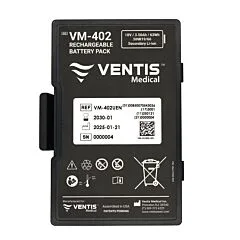
Ventis Medical HeroVent Rechargeable Battery Pack
-
NAR Simulation 10 Amp Battery with NiMH Smart Charger: Includes a 10 amp battery and a NiMH smart charger for simulation training environments. The smart charger manages the charging process to extend battery life, and the 10 amp capacity supports extended training sessions without frequent swaps.
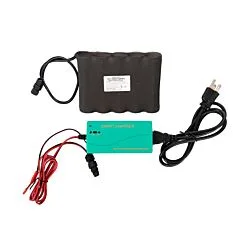
NAR Simulation 10 Amp Battery with NiMH Smart Charger
Who should buy which battery pack
Best for
- Field medics and EMS teams who need a reliable rechargeable power source for a HeroVent ventilator during transport or extended operations.
- Training instructors and simulation coordinators who require a durable 10 amp NiMH battery with smart charger for repeated use in classroom or field exercises.
Not for
- Users who need a battery for a ventilator model other than HeroVent, as compatibility is not guaranteed.
- Situations where a disposable battery is preferred due to lack of recharging access in the field.