Quick answer
Charge your wearable pump battery before it drops to empty, use the charger that came with it, and store the pump at room temperature between sessions. A spare rechargeable battery, like the Lansinoh Rechargeable Battery, keeps you pumping cord-free when your main battery is charging or when you are away from an outlet.
What affects your wearable pump battery's lifespan
Battery lifespan is shaped by how often you drain it fully, how hot it gets while charging, and how long it sits unused at zero percent. Frequent full discharges and charging in a warm car or beside a radiator are the two habits that age a pump battery fastest. If you pump several times a day, expect the battery to need charging more often than someone who pumps once, and plan your charging around those sessions rather than waiting for the pump to shut off mid-pump.
Charging habits that keep sessions predictable
Treat the battery like part of your pumping routine: plug it in after your last session of the day so it is ready for the first one tomorrow. If your pump shows a charge indicator, top it up when it reaches the last bar rather than waiting for a warning light. Keep the charging cable and port dry and free of milk residue, because a dirty port can make the pump seem like it is not holding a charge when the connection is simply poor. When you are traveling, charge fully before you leave and pack the cable where it will not be crushed.
Your charge-and-care routine, step by step
- Charge before the first use: Give a new pump battery a full charge before you pump with it, following the instructions that came with your pump. Charging a new battery only partway can leave you guessing about its real runtime. Checkpoint: note how many sessions a full charge covers so you can plan ahead.
- Top up between sessions, not at empty: Plug in after your last pumping session of the day, or whenever the indicator drops to its last bar. Waiting until the pump shuts off mid-session is the most common mistake and the one that disrupts your schedule most. Checkpoint: if the pump dies during a session, charge it fully before the next one.
- Use the charger that came with the pump: Match the cable and adapter to what your pump specifies, and avoid charging from a laptop or car port if the pump instructions call for a wall outlet. A mismatched charger can slow charging or prevent it entirely. Checkpoint: if the charge light does not come on, try the original cable before assuming the battery is faulty.
- Keep the charging port clean and dry: Wipe the port and cable end with a dry cloth if you see residue, and let everything air-dry before connecting. Moisture in the port is a common cause of intermittent charging. Checkpoint: never charge a pump or battery that is wet.
- Store at room temperature, partly charged: If you will not pump for a while, charge the battery partway rather than leaving it empty or at full, and keep it away from heat and direct sun. Extreme temperatures are harder on a battery than normal daily use. Checkpoint: recharge to full before your next pumping day.
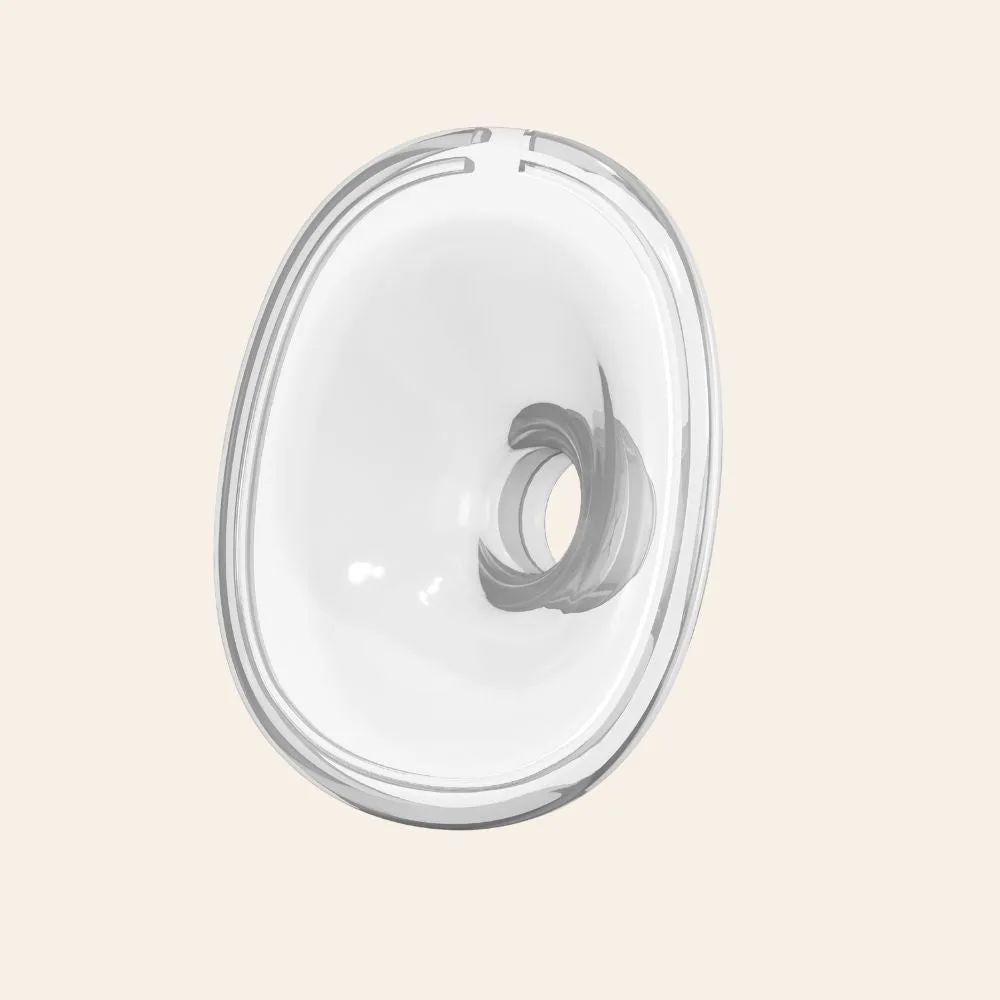
- Replace parts when performance drops: If suction feels weaker even on a full charge, check the pump's replaceable parts before blaming the battery. A worn diaphragm, such as the DiscreetDuo Wearable Pump diaphragm, can reduce performance in a way that looks like a battery problem. Next step: if a new diaphragm does not restore suction, have the battery checked or replace it.
Product facts
- Rechargeable Battery: Rechargeable battery designed for cord-free pumping sessions and compatible with Lansinoh breast pumps. A second battery lets you keep pumping while the other one charges, so a low battery does not end a session.