Quick answer
For most backpackers, a rechargeable camp lantern like the Nite Ize Moonlit Rechargable Micro Lantern is the better default because it saves money on batteries and cuts pack weight. Choose a battery lantern only if you need disposable power for very cold conditions or long trips where you cannot recharge. The right pick depends on trip length, climate, and how much weight you are willing to carry.
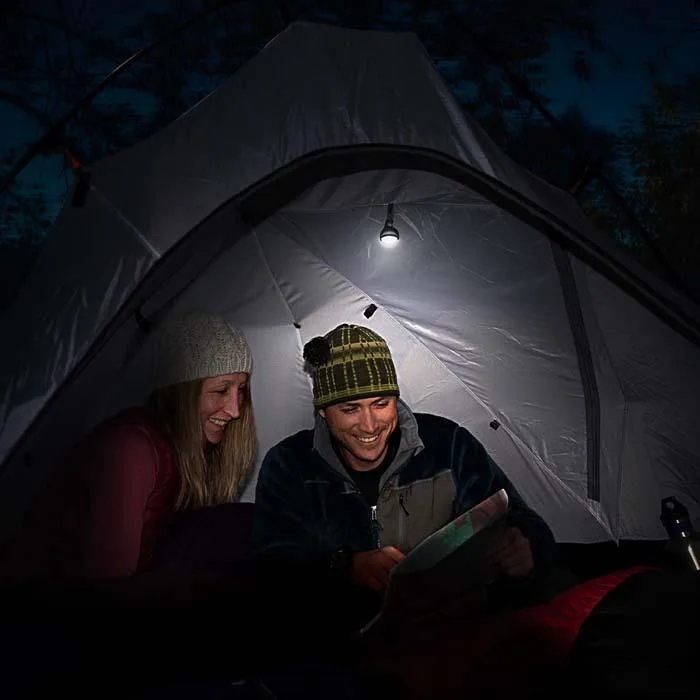
Nite Ize Moonlit Rechargable Micro Lantern
Camp lighting is one of those small decisions that can make or break your evening routine in the backcountry. You want enough light to cook, read, and find your gear without carrying a brick or running out of power at the worst moment. Rechargeable and battery lanterns each solve that problem differently, and the better choice comes down to how you backpack.
This comparison looks at the real trade-offs between rechargeable camp lanterns and battery-powered models, using two actual products from Six Moon Designs to ground the discussion. You will see how weight, cost, reliability, and cold-weather performance differ, so you can pick the lantern that fits your trips instead of guessing.
How rechargeable and battery lanterns differ on the trail
A rechargeable camp lantern has a built-in battery you top up with a USB cable. That means no disposable batteries to buy, pack, or throw away, and the lantern is usually lighter because it does not need a battery compartment or spare cells. The trade-off is that you need a power source, such as a battery bank or a wall outlet, before the next trip.
A battery lantern runs on replaceable cells, often AA or AAA. You can carry spares and swap them in seconds, which is useful in extreme cold where rechargeable batteries lose capacity. The downside is ongoing cost and waste, plus the extra weight of spare batteries. Neither option is universally better; they simply shift the burden between recharging logistics and disposable power.
- Rechargeable: lighter, cheaper over time, but depends on a power source.
- Battery: heavier with spares, but instant power and no charging wait.
- Cold weather: battery lanterns often hold up better below freezing.
Weight and pack space: the ultralight lantern comparison
Weight matters most on long hikes. A rechargeable micro lantern like the Nite Ize Moonlit Rechargable Micro Lantern is built to clip to a zipper or tent loop, so it adds almost nothing to your base weight and takes up little space. You also avoid carrying spare batteries, which can quietly add several ounces to your pack.
Battery lanterns are not always heavy, but the full system is: the lantern plus the cells plus the spares you bring for safety. If you are counting ounces for a thru-hike, that difference adds up over hundreds of miles. For shorter trips where weight is less critical, a battery model can still be a reasonable, low-cost choice.
- Weigh your lantern with batteries included, not just the empty shell.
- A rechargeable lantern eliminates spare-cell weight entirely.
- For weekend trips, the weight difference may not matter much.
Reliability, cold, and charging logistics
Rechargeable lanterns are reliable in moderate conditions, but cold nights can drain their batteries faster and reduce runtime. If you backpack in freezing temperatures, keep the lantern in a pocket near your body until you need it, or bring a battery lantern as a backup. Battery lanterns are less affected by cold and let you swap in fresh cells without waiting for a charge.
Charging logistics also matter. On a multi-day trip, you will need a battery bank or regular access to power. If you already carry a battery bank for your phone and headlamp, adding a rechargeable lantern is easy. If you go off-grid for a week or more, disposable batteries can be simpler because you do not have to ration charging capacity.
- Cold saps rechargeable batteries; keep them warm before use.
- Battery lanterns are easier for very long trips without power.
- If you already carry a power bank, a rechargeable lantern fits right in.
Cost and waste over a season
The upfront price of a rechargeable camp lantern is often higher than a basic battery model, but you stop buying batteries. Over a season of weekend trips, that difference can flip in favor of rechargeable. You also produce less waste, which matters if you care about your impact on the places you visit.
Battery lanterns can be cheaper to start and easier to replace on the road, but disposable cells add up in cost and trash. If you only camp a few nights a year, a battery lantern may be perfectly adequate. If you are out often, rechargeable usually wins on both budget and environmental footprint.
- Track battery spending over one season to see the real cost.
- Rechargeable reduces waste but needs a charging plan.
- Frequent campers usually save money with rechargeable.
Trade-offs at a glance
- Weight: Rechargeable lanterns are typically lighter because they have no spare cells; battery lanterns get heavier once you add backups. Count the full system weight, not just the lantern.
- Reliability in cold: Battery lanterns handle freezing temperatures better; rechargeable batteries lose capacity in the cold. For winter trips, carry a battery backup or keep the rechargeable warm.
- Cost over time: Rechargeable costs more upfront but eliminates repeated battery purchases; battery lanterns are cheaper to start. If you camp often, rechargeable usually saves money.
- Charging vs. swapping: Rechargeable needs a power bank or outlet; battery lanterns need only fresh cells you carry. Match the power plan to your longest trip without resupply.
Two real options from Six Moon Designs
- Nite Ize Moonlit Rechargable Micro Lantern: Clips to zippers, tents, and more for hands-free lighting, with a 360° swiveling body and rapid micro-USB recharging. This is a rechargeable camp lantern that saves battery weight and cost, and the clip makes it easy to light your shelter without holding it.
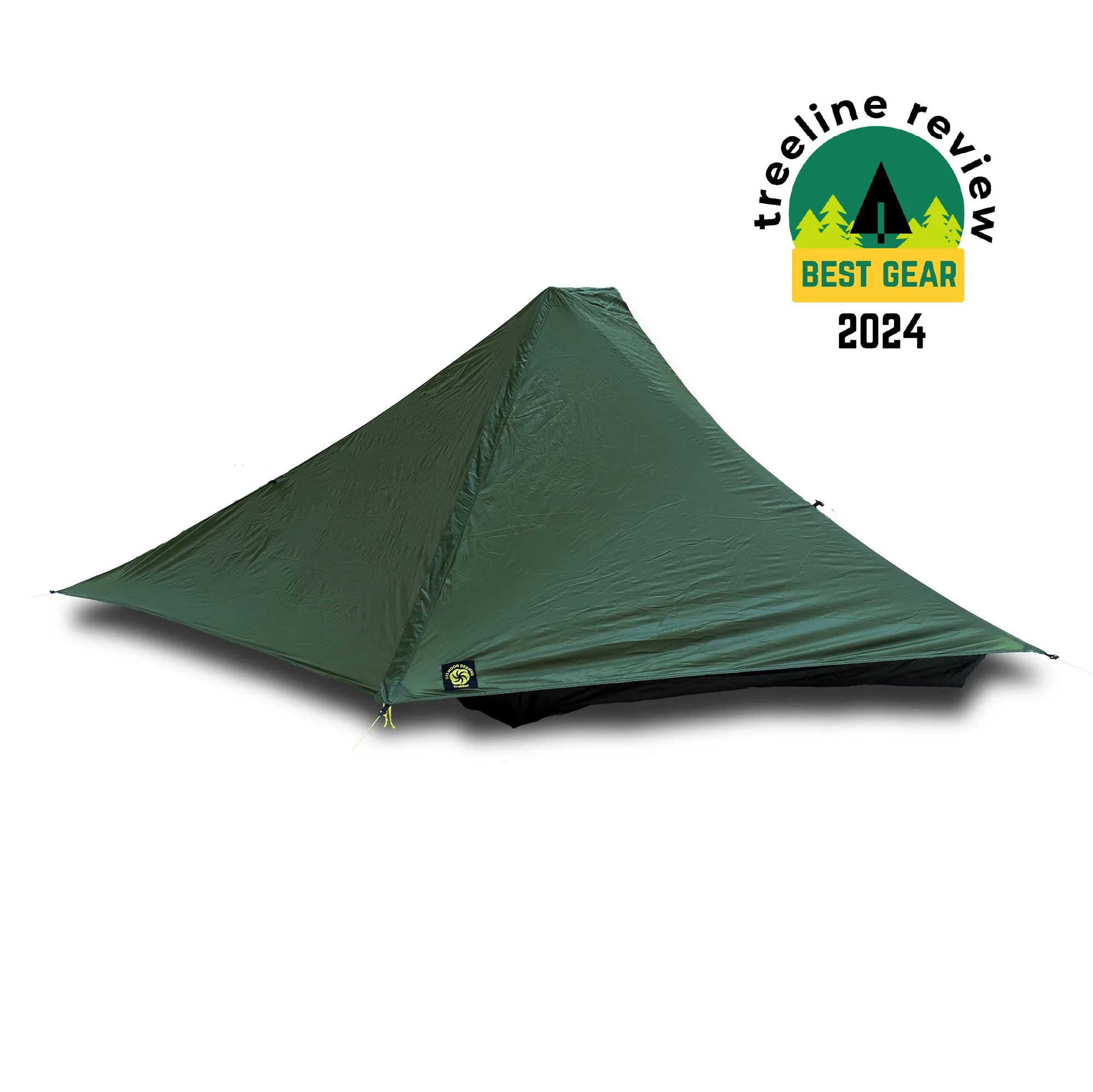
- Skyscape Trekker Backpacking Tent: A 28 oz solo backpacking tent that uses two 45-inch poles and has two side entrances with 8 sq. ft. vestibules each. If you already carry this tent, a clip-on micro lantern hangs neatly from a loop or pole, keeping your lighting setup simple and light.
Which lantern fits your backpacking style?
Best for
- Backpackers who want to cut weight and avoid buying disposable batteries
- Trips where you already carry a battery bank or have regular access to power
- Campers who value hands-free lighting that clips to a tent or pack
Not for
- Winter campers who need reliable power in freezing temperatures without a backup
- Very long off-grid trips where recharging is impossible and spare batteries are easier
- Backpackers who prefer the absolute lowest upfront cost and do not mind disposable cells
For most three-season backpacking, a rechargeable camp lantern like the Nite Ize Moonlit Rechargable Micro Lantern is the lighter, lower-waste choice. Bring a battery lantern only when cold or long off-grid trips make disposable power the safer bet. Pick the one that matches your trips, and your camp lighting will stay simple and reliable.