Quick Answer
Rechargeable fans win for most summer use because they save money on batteries and are better for the environment. Battery-powered fans are a better choice when you need instant power without waiting to charge. For hands-free cooling, a clip-on rechargeable fan offers the best convenience.
When summer heat hits, a portable fan can be a lifesaver. But should you choose a rechargeable fan or one that runs on batteries? Both keep you cool, but they have different strengths and weaknesses. This guide compares them on battery life, convenience, and cost so you can pick the right one for your summer adventures.
We'll look at what matters most: how long the fan lasts, how easy it is to power, and what it costs over time. We'll also share some practical products that show how each type works in real life.
Battery Life and Runtime
Battery life is the biggest difference between rechargeable and battery-powered fans. Rechargeable fans have built-in batteries that you charge with a USB cable. A full charge can last several hours, depending on the fan and the speed setting. You can recharge them hundreds of times, so they last for years.
Battery-powered fans use disposable batteries like AA or AAA. They are easy to replace, but you need to keep a supply on hand. The runtime depends on the battery quality and the fan's power draw. High-quality batteries last longer, but they cost more. Over time, buying batteries adds up, making battery-powered fans more expensive to run.
- Check the fan's battery life rating before you buy. Look for a fan that lasts at least 4-6 hours on a full charge.
- For battery-powered fans, choose high-capacity batteries like lithium or rechargeable AAs to extend runtime.
Convenience and Portability
Rechargeable fans are more convenient because you can charge them anywhere with a USB port. You can plug them into a wall charger, a laptop, or a power bank. That means you can top up the battery before you leave the house and not worry about carrying extra batteries.
Battery-powered fans are convenient in a different way. You can pop in fresh batteries and get instant power, no charging needed. This is helpful when you're away from an outlet for a long time. But you have to remember to bring spare batteries, and they can be heavy.
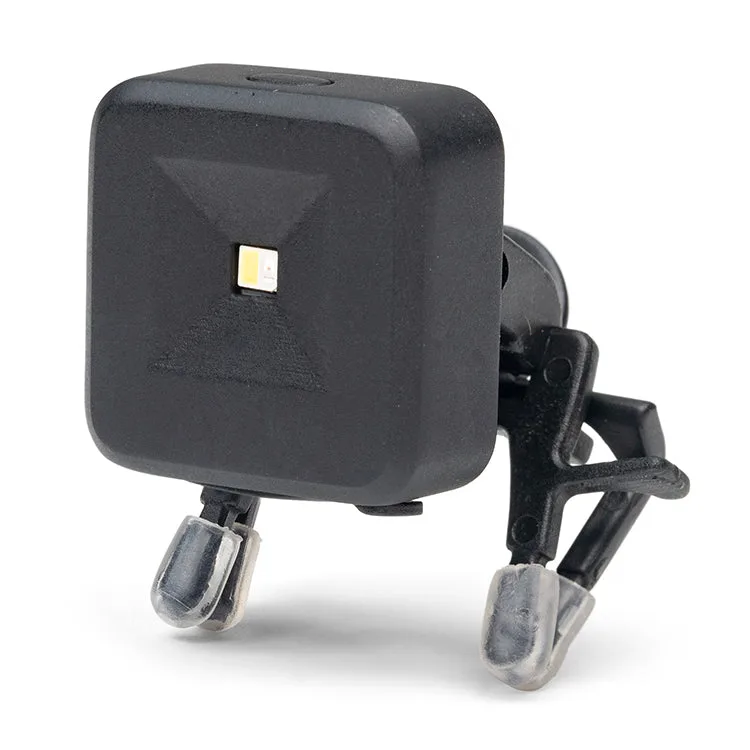
For hands-free use, a clip-on fan is a great option. You can attach it to a stroller, a desk, or a tent pole. The Clip-on Light from Kikkerland is a good example of a clip-on device that offers hands-free illumination, and similar clip-on fans work the same way.
Clip-on Light
- Look for a fan with a clip or stand if you need hands-free cooling.
- Consider a fan with multiple speed settings for more control.
Cost and Environmental Impact
Rechargeable fans have a higher upfront cost, but they save money in the long run. You don't need to buy batteries, and you can charge them using electricity, which is cheaper than buying disposables. They also create less waste, making them a greener choice.
Battery-powered fans are usually cheaper to buy initially, but the cost of batteries adds up. If you use the fan often, you might spend more on batteries in a few months than you would on a rechargeable fan. Disposable batteries also end up in landfills, which is not great for the environment.
If you want to reduce waste, rechargeable fans are the better choice. You can also use rechargeable batteries in a battery-powered fan to cut down on waste, but that adds to the upfront cost.
- Estimate how often you'll use the fan to decide which type is more cost-effective for you.
- If you already have rechargeable batteries, a battery-powered fan might be a good option.
Trade-Offs to Consider
- Upfront cost vs. long-term savings: Rechargeable fans cost more upfront but save money on batteries over time. Battery-powered fans are cheaper initially but cost more in the long run. If you plan to use the fan often, rechargeable is more economical.
- Charging time vs. instant power: Rechargeable fans need time to charge before use. Battery-powered fans provide instant power as long as you have batteries. For spontaneous use, battery-powered is more convenient.
- Environmental impact: Rechargeable fans reduce waste from disposable batteries. Battery-powered fans create more waste unless you use rechargeable batteries. Choose rechargeable for a greener option.
Products That Show the Difference
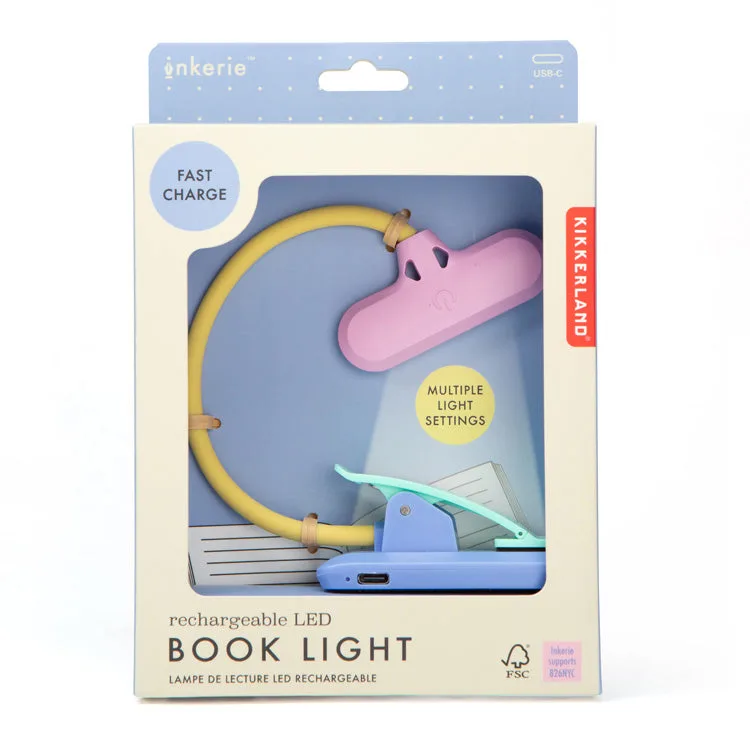
- Inkerie Rechargeable Led Book Light: Colorful book light clips most anywhere and features multiple light settings. Charging cable included. This shows the convenience of a rechargeable device. You can charge it with the included cable and use it anywhere, just like a rechargeable fan.
- Clip-on Light: Clip this rechargeable light onto glasses, hats, or gear for hands-free illumination — day or night. With 3 white and 1 red light setting. This demonstrates the hands-free benefit of a clip-on rechargeable device. A clip-on rechargeable fan offers the same convenience for cooling.
Which Fan Should You Choose?
Best for
- People who want to save money and reduce waste over time
- Those who can plan ahead and charge their fan before heading out
- Campers and travelers who want a compact, all-in-one cooling solution
Not for
- People who need instant cooling without any charging time
- Those who prefer to use batteries they already have on hand
Both rechargeable and battery-powered fans can keep you cool this summer. Rechargeable fans are the better choice for most people because they save money, reduce waste, and offer more convenience. Battery-powered fans are a good backup when you need instant power. Think about how you'll use the fan, and pick the one that fits your summer lifestyle.