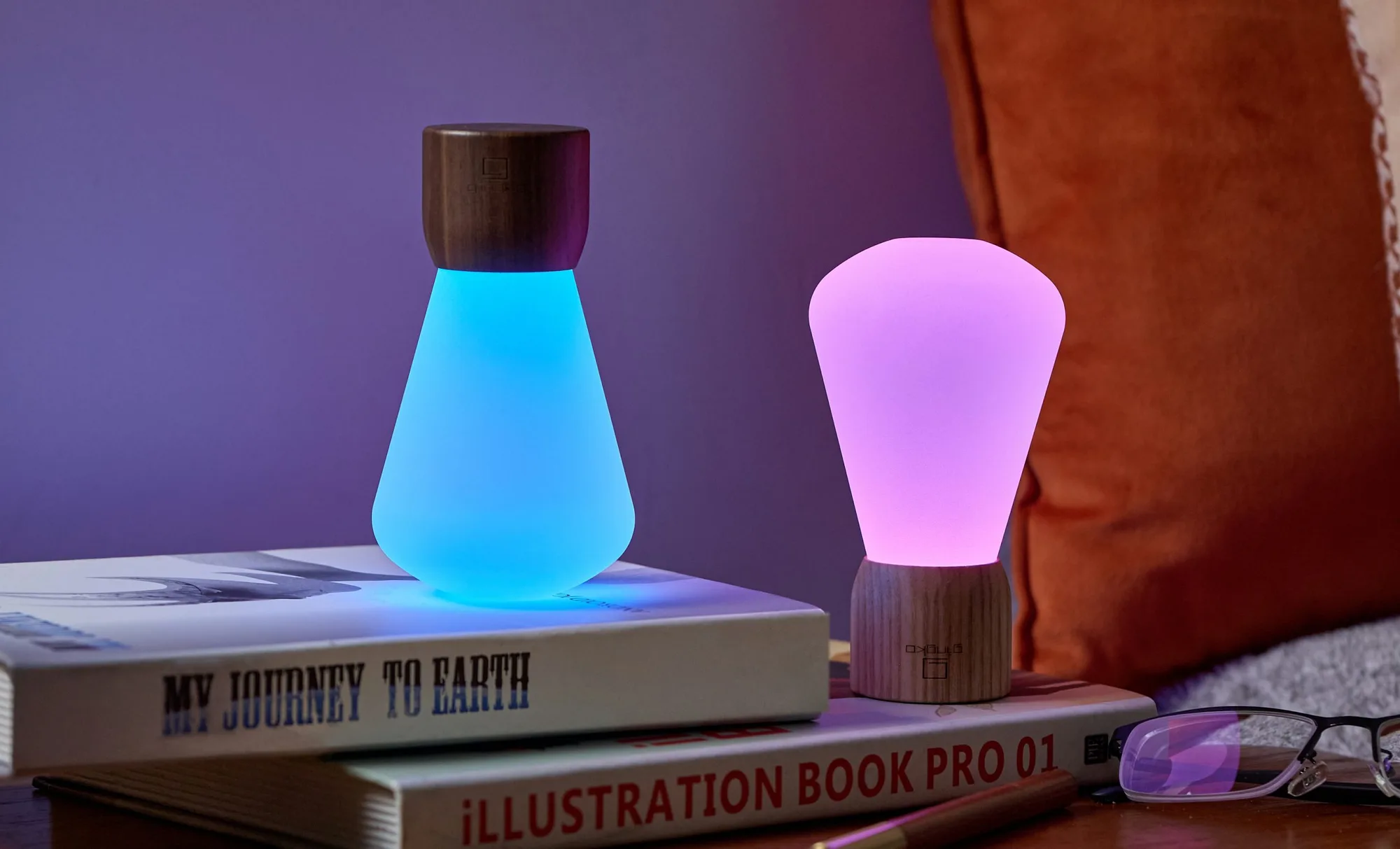
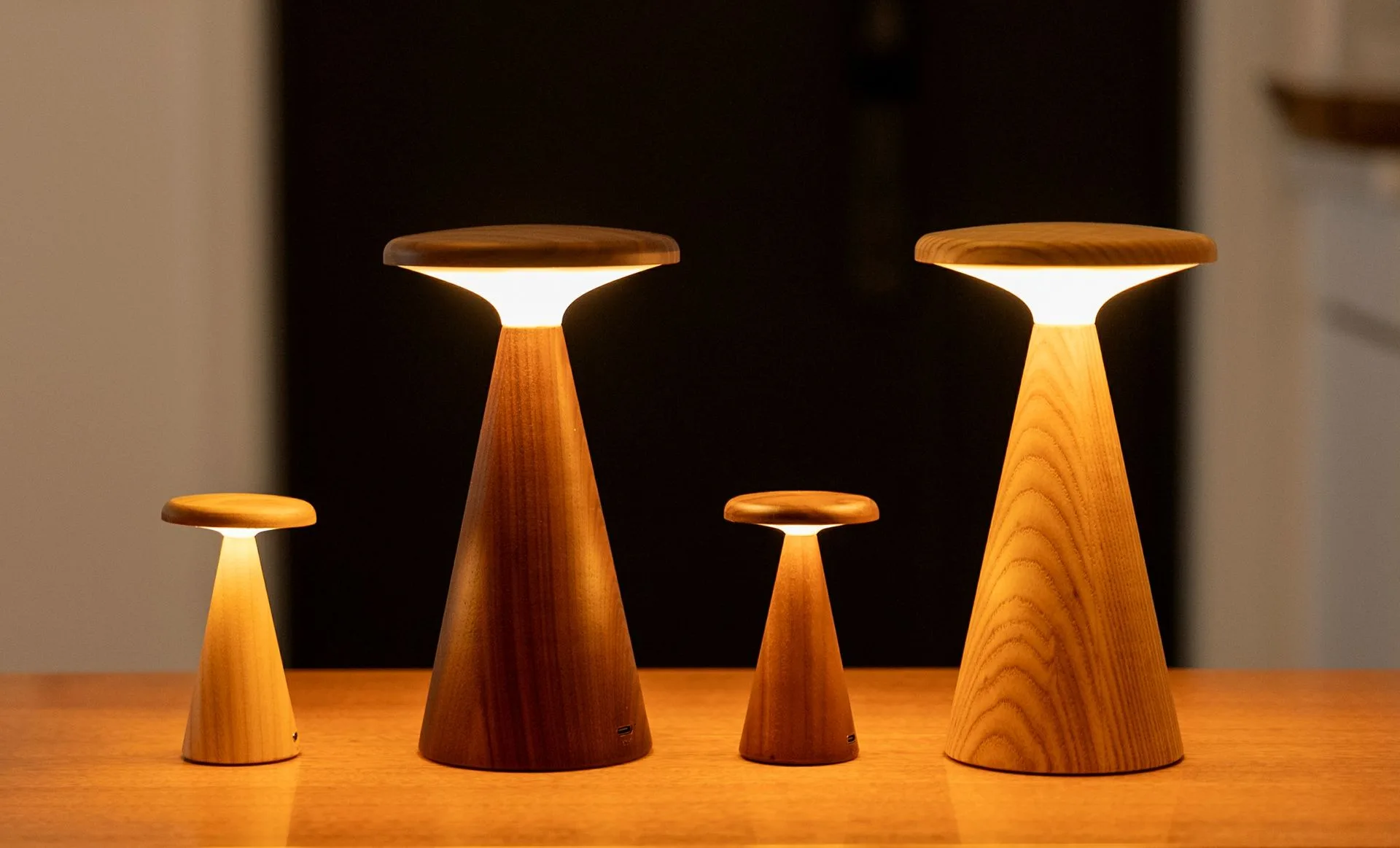
Lighting shapes the mood of every room, and table lamps are among the most versatile tools in interior design. But with the rise of cordless technology, you now face a choice: a traditional plug-in table lamp or a rechargeable, portable one. Both have their strengths, and the right pick depends on your lifestyle, décor, and how you use light day to day.
In this guide, we’ll break down the key differences between rechargeable and traditional table lamps—covering portability, style, maintenance, and more—so you can make an informed decision that brightens your home beautifully.
Portability and Flexibility: The Cordless Advantage
The most obvious difference is the cord. Rechargeable table lamps run on built-in batteries, freeing you from wall outlets. This means you can move them effortlessly from a bedside table to a patio sideboard, or tuck them into a bookshelf for an instant glow. The Melange 8" Rechargeable Accent Lamp and the Carthage Mini Lamp are prime examples of designer cordless options that offer this kind of freedom.
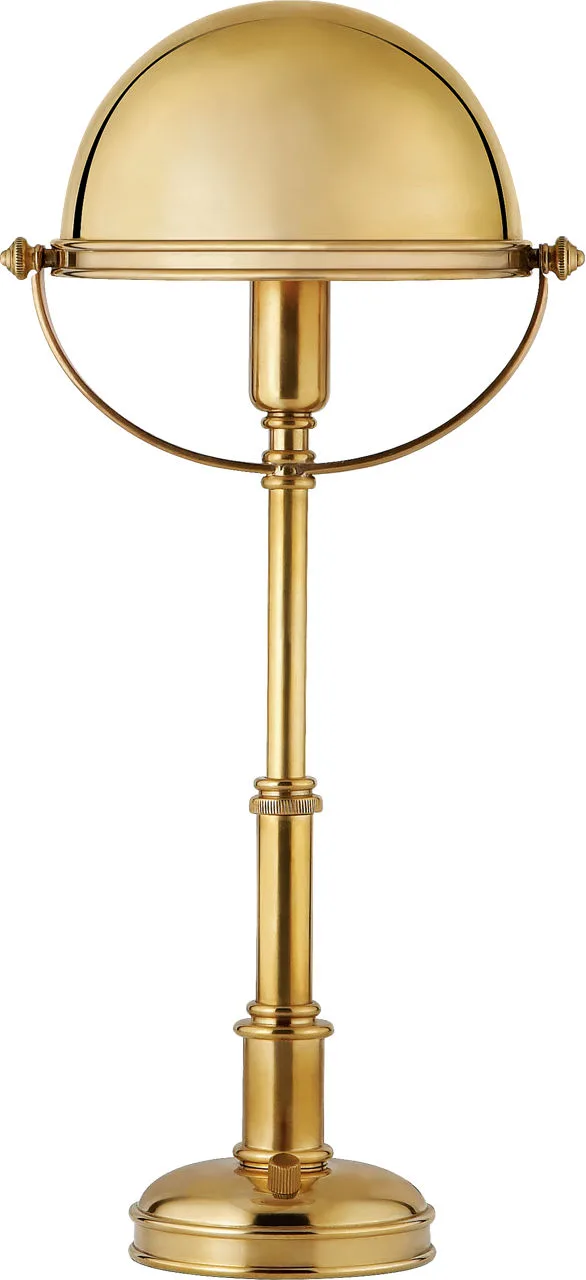
Carthage Mini Lamp
Traditional table lamps, on the other hand, are tethered to an outlet. While this limits placement, it also guarantees consistent power—no need to remember to charge. If your space has well-placed outlets and you rarely rearrange, a plug-in lamp like the Cato Medium Table Lamp offers reliable, uninterrupted illumination.
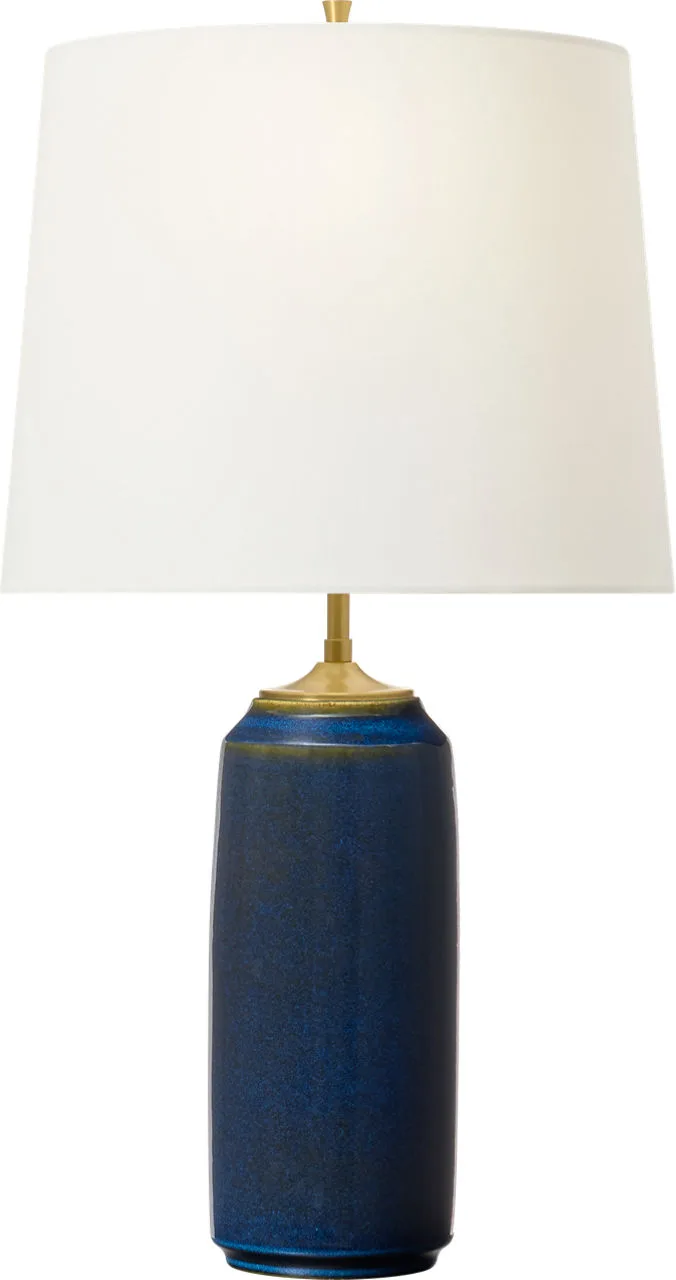
Cato Medium Table Lamp
- Rechargeable lamps are ideal for renters or those who love to rearrange furniture.
- Traditional lamps suit fixed setups like reading corners or desks with nearby outlets.
Style and Design Diversity
Designer lighting is about more than function—it’s a statement. Both rechargeable and traditional lamps come in a wide range of styles, from minimalist to ornate. For a sculptural, modern look, the Sylvie Medium Table Lamp brings a ceramic base and fabric shade that works beautifully as a plug-in fixture. Meanwhile, the Totie Task Lamp offers a sleek, adjustable design for focused work, available in a cordless version.
If you prefer a classic, timeless aesthetic, traditional lamps often have more intricate detailing and larger proportions, like the Cato Medium Table Lamp with its brass accents. Rechargeable lamps tend to be more compact and streamlined, but that doesn’t mean they lack elegance—many designer cordless options feature premium materials and finishes that rival their plug-in counterparts.
- Consider the lamp's base material—ceramic, metal, or glass—to match your décor.
- Rechargeable lamps often have a smaller footprint, perfect for tight spaces.
Maintenance and Longevity
Battery life is a key consideration for rechargeable lamps. Most modern designs offer hours of use per charge, and some include adjustable brightness to extend battery life. The Melange 8" Rechargeable Accent Lamp, for instance, is designed for easy recharging via USB, making it a low-maintenance choice. However, batteries do degrade over time, and eventually, they may need replacement—something to factor into the lamp's lifespan.
Traditional lamps are simpler: just replace the bulb when it burns out. With LED bulbs, that could be years down the line. They also don't require any charging infrastructure, so there's less to worry about in terms of tech failure. If you prefer a 'set it and forget it' approach, a plug-in lamp is hard to beat.
- Check the rechargeable lamp's battery replacement policy before purchasing.
- For traditional lamps, consider energy-efficient LED bulbs to reduce heat and electricity costs.
Lighting Quality and Functionality
When it comes to light output, both types can deliver excellent quality, but there are nuances. Rechargeable lamps often feature integrated LEDs with multiple color temperatures and dimming options, giving you precise control. The Totie Task Lamp, for example, offers adjustable brightness for reading or work, and its cordless design means you can position it exactly where you need it without cord clutter.
Traditional lamps typically accept standard bulbs, allowing you to choose the exact wattage and color temperature. They also tend to have a higher maximum output, making them better for larger spaces or tasks that require bright, focused light. If you need a lamp to illuminate a whole seating area, a plug-in model like the Cato Medium Table Lamp might be more effective.
- Think about the lamp's primary use: ambient glow vs. task lighting.
- Look for dimmable options in both types to adjust mood easily.
Cost and Energy Efficiency
Rechargeable lamps often have a higher upfront cost due to the battery and integrated LED technology. However, they can save money in the long run by reducing electricity consumption and eliminating the need for replacement bulbs. Plus, they're energy-efficient by design, which is a bonus for eco-conscious homeowners.
Traditional lamps are generally more affordable initially, and with LED bulbs, they're also quite efficient. But you'll need to factor in the cost of bulbs over time. If you prefer a designer piece, both options come in premium versions, so the price difference is more about the technology than the brand.
- Calculate the total cost of ownership, including bulbs and battery replacement.
- Rechargeable lamps are great for solar-powered or off-grid setups.
Ultimately, the choice between a rechargeable and traditional table lamp comes down to your priorities. If you value portability, modern convenience, and flexible placement, a designer rechargeable lamp like the Melange 8" Rechargeable Accent Lamp is a fantastic investment. If you prefer timeless reliability and maximum light output, a classic plug-in like the Cato Medium Table Lamp won't disappoint. Explore our collection to find the perfect match for your home.