Choosing a kids table might seem simple, but the shape—rectangular or round—affects how your child uses the space. Whether you're setting up a playroom, a learning corner, or a craft area, the table shape influences seating capacity, traffic flow, and even social interaction. Let's break down the key differences so you can pick the best table for your child's activities and room layout.
Both rectangular and round kids tables have their strengths, and the right choice depends on your priorities. We'll look at space efficiency, seating flexibility, safety, and how each shape supports different types of play and learning. By the end, you'll know exactly which shape fits your home.
Space and Layout Considerations
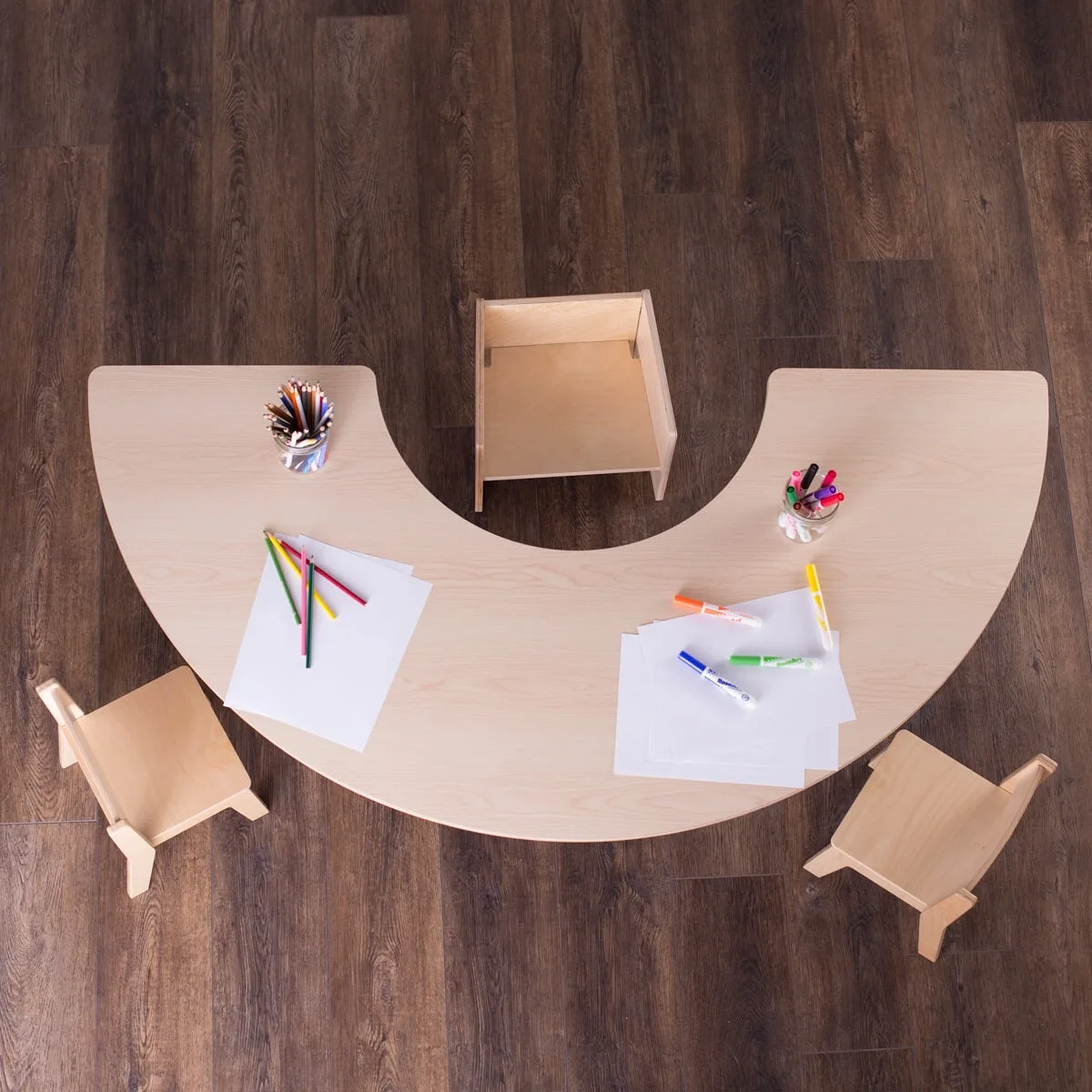
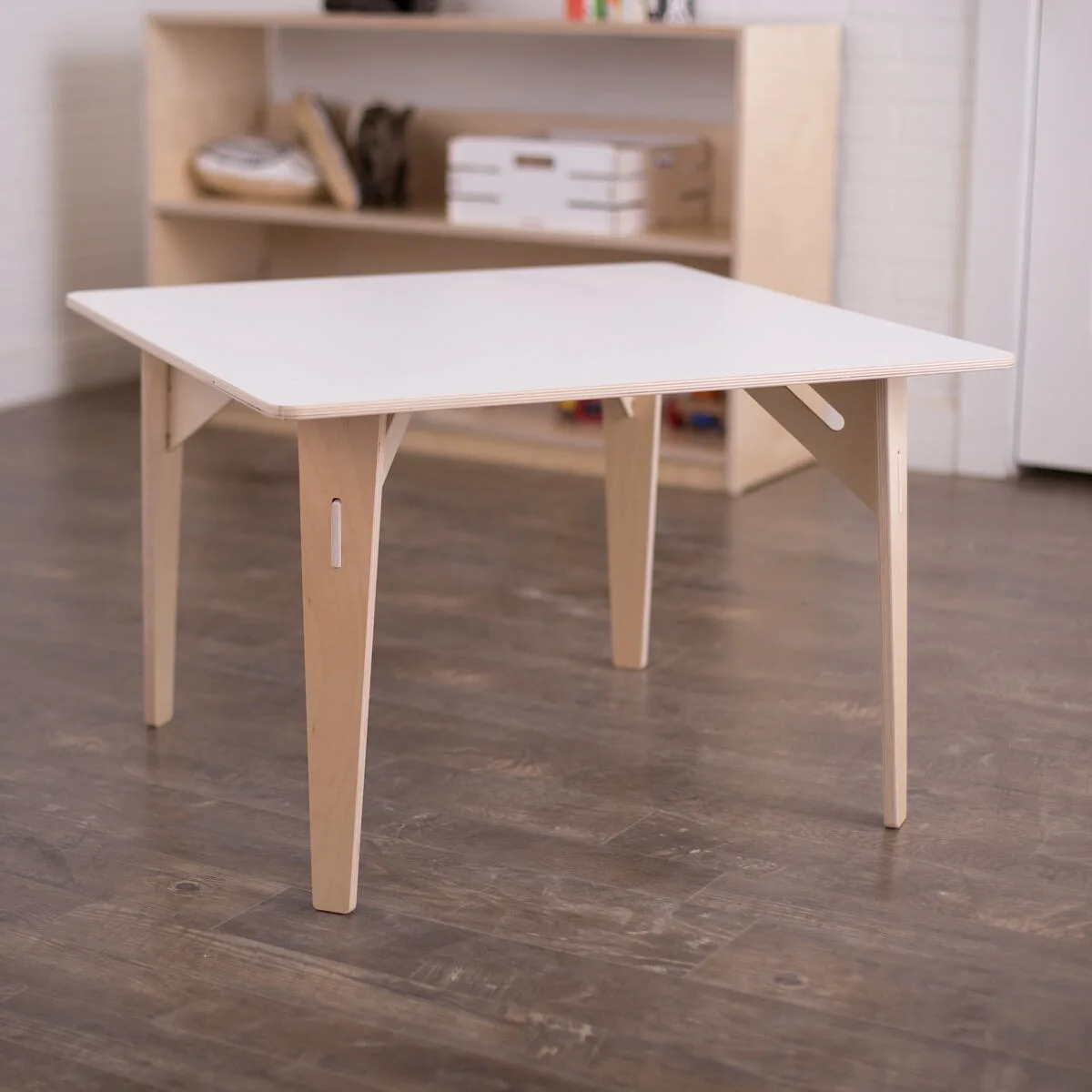
Rectangular kids tables fit neatly against walls or in corners, making them ideal for smaller rooms or shared spaces. They maximize usable surface area in a linear footprint, so you can place them along a wall and still have floor space for other activities. Round tables, on the other hand, require more open floor area because they need clearance all around. They work best in the center of a room or a dedicated play zone where kids can access the table from any side.
If you have a long, narrow room, a rectangular table can anchor one end without blocking walkways. For square or open-concept rooms, a round table creates a natural gathering spot. Measure your space and consider traffic patterns: round tables eliminate sharp corners, which can be a safety plus in high-traffic areas.
- Tip: Leave at least 24 inches of clearance around a round table for chairs and movement.
Seating and Social Interaction
Rectangular tables offer clear seating positions—head, foot, and sides—which can help children learn place settings and turn-taking. They accommodate more kids in a linear arrangement, perfect for group activities like puzzles or board games. However, kids at the ends may feel slightly removed from the conversation. Round tables promote equal interaction because everyone faces the center. There's no head of the table, so all children feel included, which is great for collaborative play or family meals.
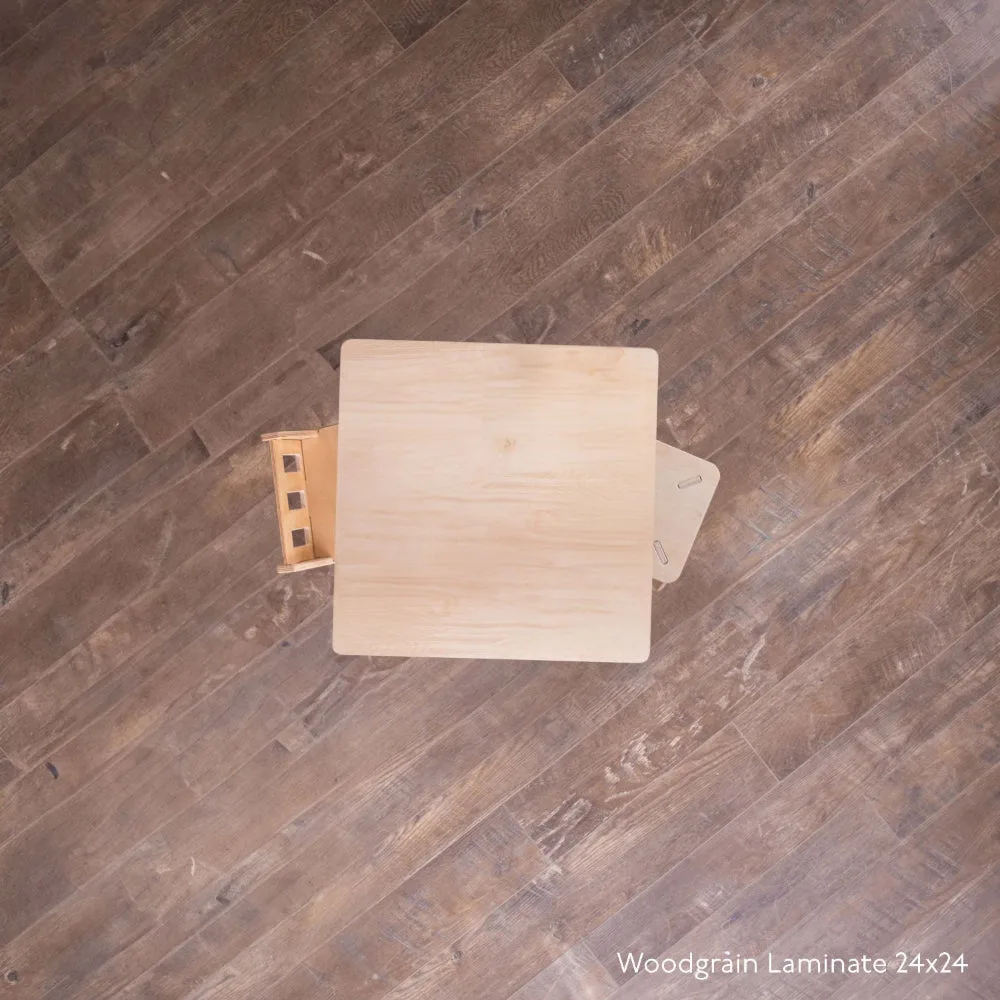
Rectangular tables
For a typical playroom, a round table seating 4–6 kids encourages sharing and eye contact. Rectangular tables can seat more children but may create a 'far end' where a child feels left out. Consider the typical number of kids using the table and whether you value hierarchy or equality in seating.
- Tip: For a learning setup, a rectangular table gives each child their own defined workspace, while a round table is better for group discussions.
Activity Suitability: Play, Crafts, and Learning
Rectangular kids tables are excellent for activities that need separate zones, like coloring on one side and building blocks on the other. They provide a long, uninterrupted surface for train tracks, art projects, or spreading out books. Round tables work well for circle-time activities, sensory bins, or anything that requires passing items around. Their curved edge also makes it easy for small children to reach the center without stretching.
For learning tasks like writing or using a tablet, a rectangular table offers a clear front and back, helping children orient themselves. Round tables can feel less structured, which some kids find distracting. If your child uses the table for homework or focused work, a rectangular shape may be more effective. For open-ended play, a round table encourages creativity without directional cues.
- Tip: Combine a rectangular table with a round rug to define the play area and soften the room.
Safety and Durability
Round tables have no sharp corners, making them inherently safer for toddlers and active preschoolers. Rectangular tables can have rounded corners, but the edges are still more pronounced. If safety is your top concern, especially for younger children, a round table is the clear winner. Both shapes should be sturdy and tip-resistant; look for solid wood construction and wide bases.
Durability depends more on materials than shape. Solid wood tables like those from Sprout Kids—such as the Adjustable Montessori Weaning Chair paired with a matching table—are built to last through multiple children. Avoid particleboard or thin veneers that can chip or warp. A well-made table in either shape will serve your family for years.
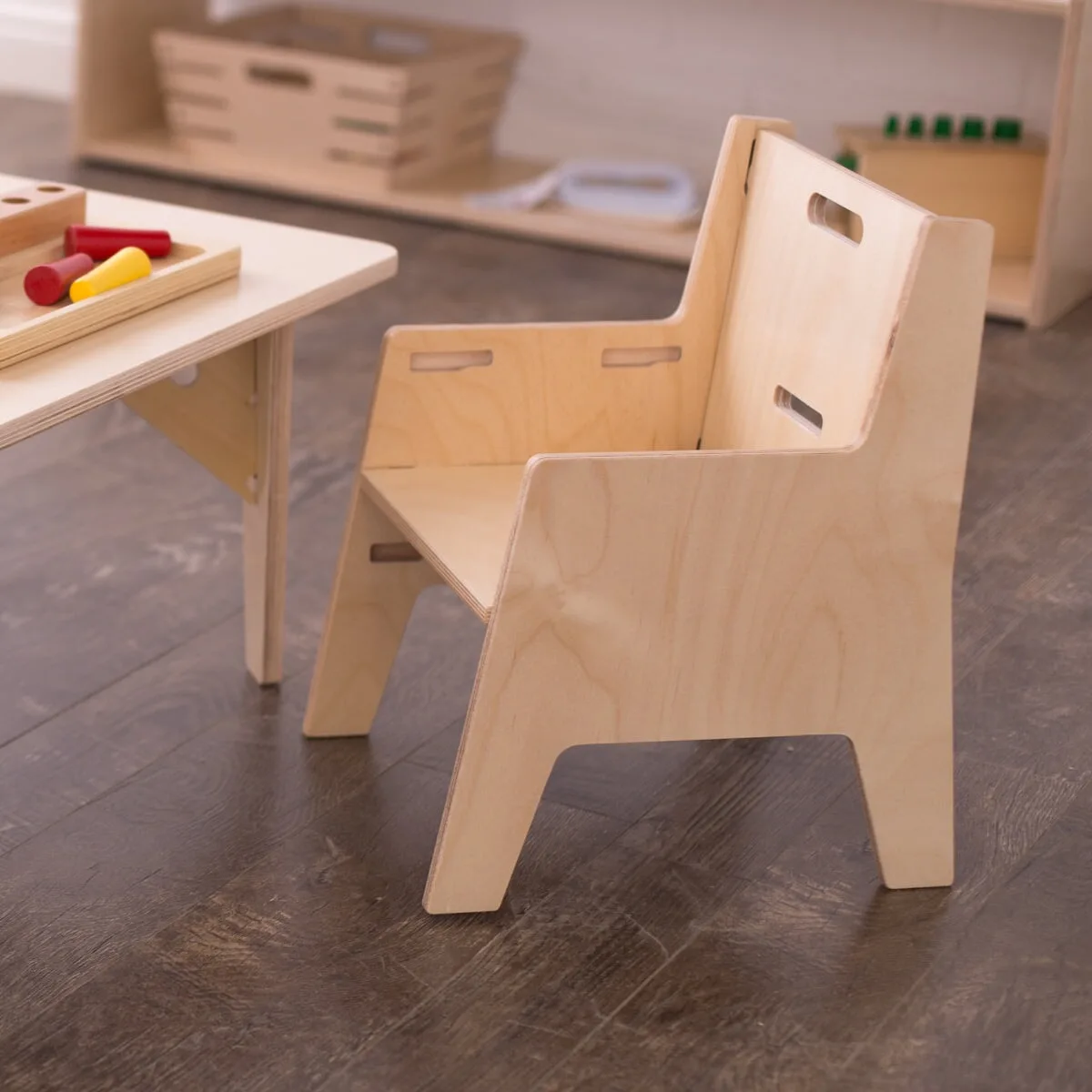
Adjustable Montessori Weaning Chair
- Tip: Check for rounded edges even on rectangular tables; some models offer extra padding or corner guards.
Style and Aesthetic Fit
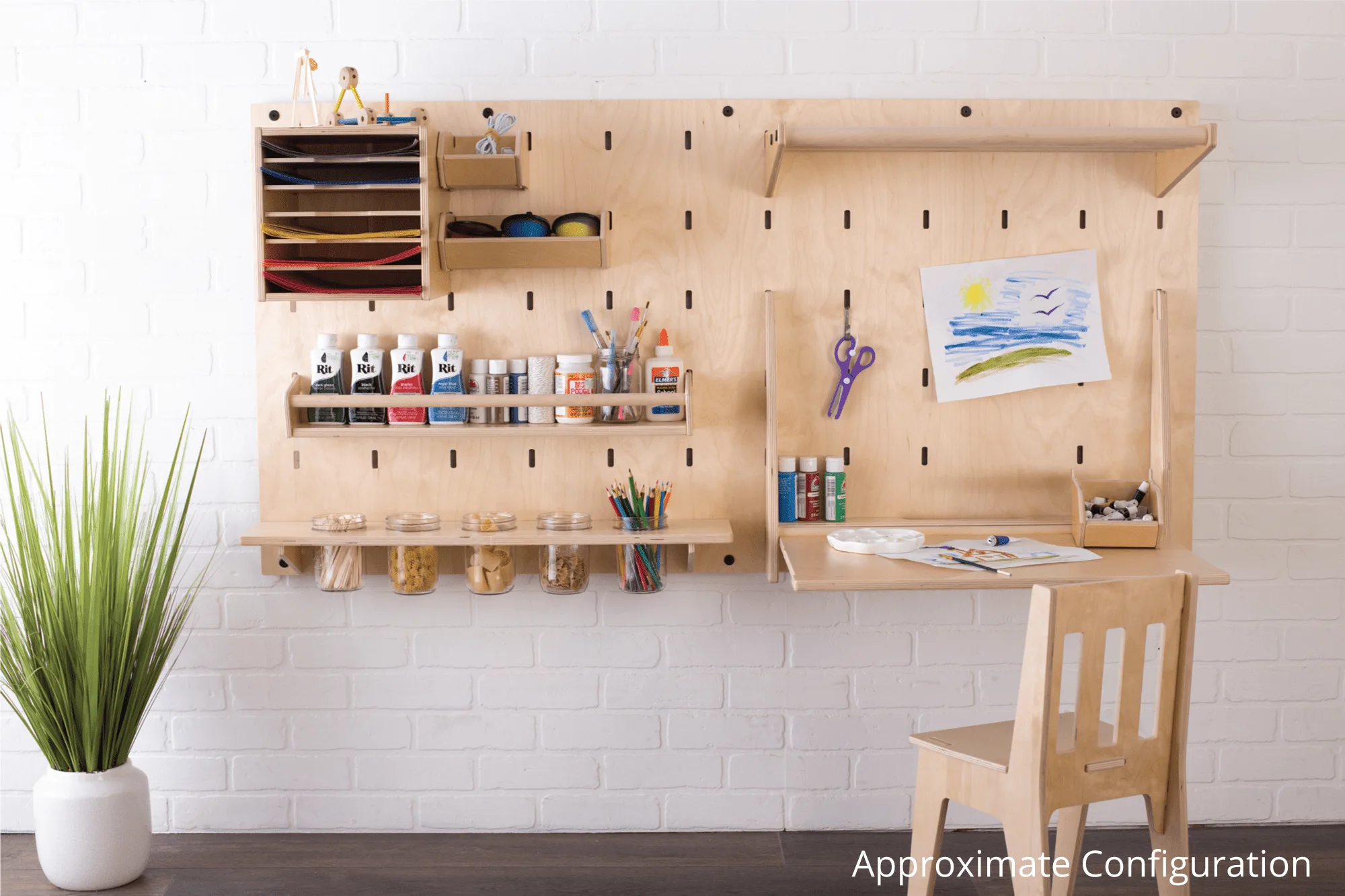
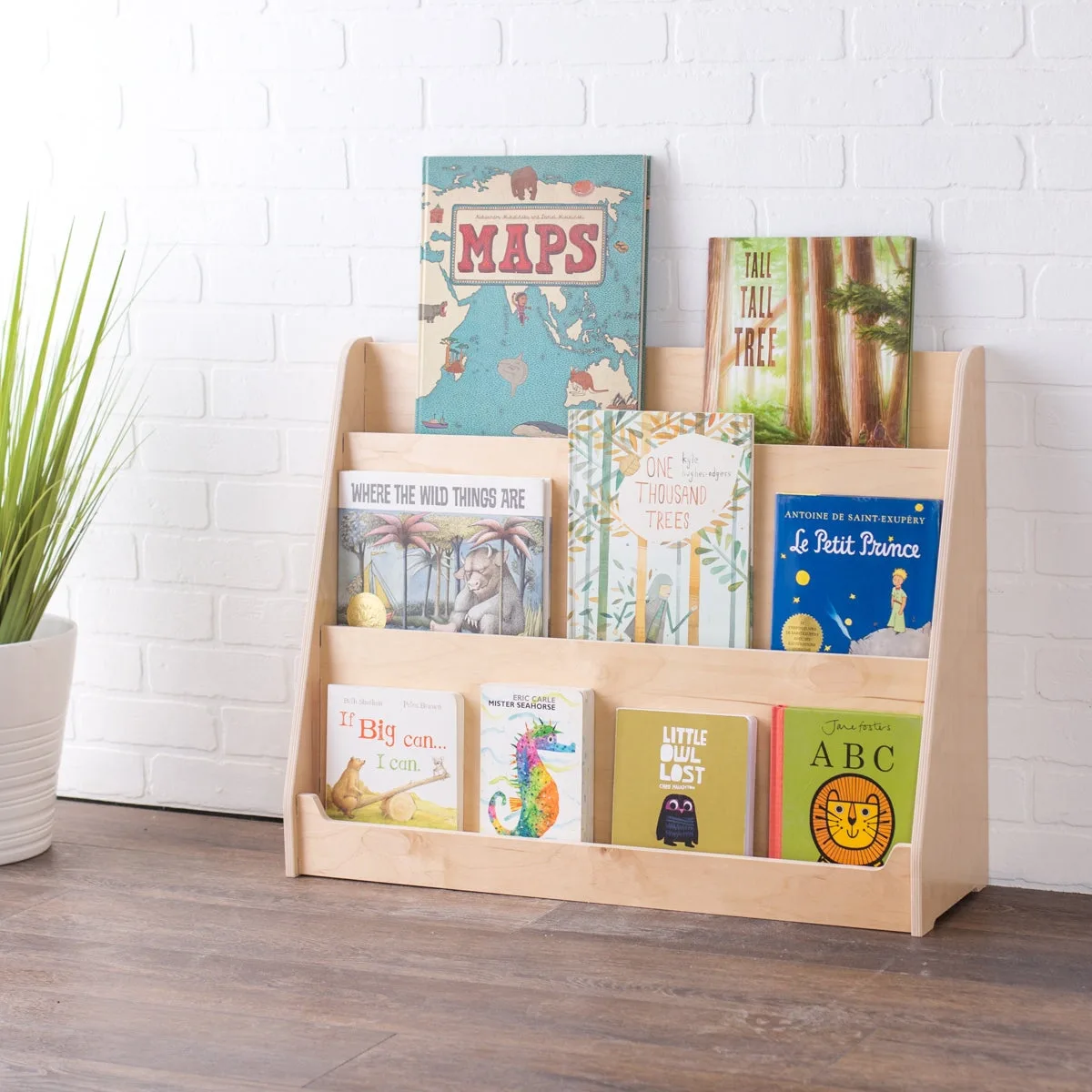
Rectangular tables have a classic, versatile look that suits most decor styles—from modern to farmhouse. They can double as a desk or craft table as your child grows. Round tables feel softer and more playful, often becoming the focal point of a room. They pair beautifully with a Lexico Book Display Shelf or a MakerWall Shelf for a cohesive, child-friendly space.
Consider the overall room design. A rectangular table blends into a linear layout, while a round table adds visual interest and breaks up straight lines. Both shapes are available in natural wood finishes that complement Montessori-inspired or minimalist interiors. Choose the shape that enhances your room's flow and your child's activities.
- Tip: Use a round table in a reading nook with a small chair and a book display for a cozy learning corner.
Ultimately, the best kids table shape depends on your room layout, the number of children using it, and the types of activities you plan. Rectangular tables maximize surface area and work well for structured learning, while round tables foster inclusive play and are safer for little ones. Measure your space, consider your child's age and needs, and choose a high-quality table that will grow with them. Both shapes can be wonderful additions to a child-friendly home.