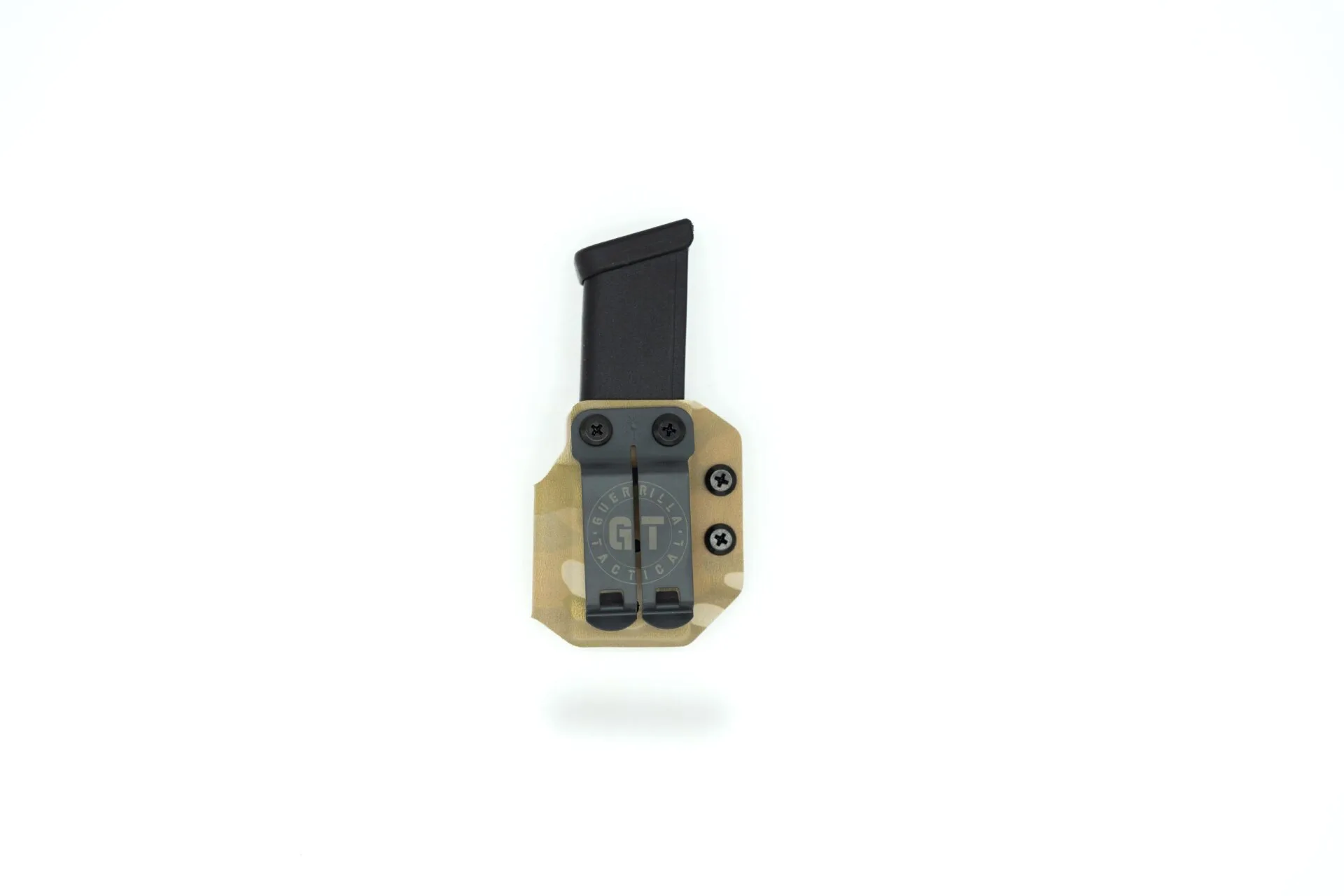
When it comes to self-defense, your pistol's sights are the direct link between your eyes and your target. For decades, iron sights were the only option, but red dot sights have surged in popularity, especially for concealed carry. The question is: which is truly better for self-defense? The answer isn't as simple as you might think, and it depends on your training, your environment, and your personal preferences.
In this article, we'll break down the strengths and weaknesses of both red dot sights and iron sights, covering speed, accuracy, reliability, and the learning curve. We'll also discuss how to train effectively with each, so you can make an informed decision for your defensive setup.
Speed of Target Acquisition
One of the biggest advantages of a red dot sight is speed. When you present your pistol, the red dot appears on the target almost instantly, allowing you to align the dot with the threat without aligning front and rear sights. This is especially beneficial in close-quarters self-defense scenarios where every fraction of a second counts. Studies and anecdotal evidence from competitive shooters show that red dots can shave time off your draw-to-first-shot.
Iron sights, on the other hand, require you to align the front post in the rear notch, which takes more time and focus. While experienced shooters can do this quickly, it's still slower than a red dot for most people. However, iron sights force you to focus on the front sight, which can actually help with sight alignment and trigger control in high-stress situations.
- Red dots are faster for most shooters, especially under stress.
- Iron sights require more visual alignment but can be more intuitive for some.
Accuracy and Precision
Red dot sights offer a single focal plane, meaning you see the dot superimposed on the target. This eliminates the need to align two separate elements, which can reduce errors and improve precision, especially at longer distances. For self-defense, this can be a game-changer if you need to make a precise shot beyond 10 yards.
Iron sights are perfectly accurate in the right hands, but they have a steeper learning curve for consistent accuracy. The human eye naturally wants to focus on the target, not the front sight, which can lead to misalignment. With practice, iron sights can be extremely reliable, but they require more conscious effort to maintain proper sight picture.
- Red dots allow for easier precision at distance.
- Iron sights are accurate but require more practice to master.
Reliability and Durability
Iron sights are virtually indestructible. They have no batteries, no electronics, and no glass to break. They are the gold standard for reliability, which is why they are still standard on many defensive pistols. In a self-defense situation, you can count on iron sights to work every time, even if the gun is dropped or exposed to harsh conditions.
Red dot sights have improved significantly in durability, but they still rely on batteries and electronics. Modern red dots like the Streamlight TLR-7-HLX (though a light, not a sight) are built tough, but battery failure or a cracked lens can render your sight useless. That said, many red dots have long battery life and auto-shutoff features, and some are designed to be left on for years. Still, you must check your battery regularly and consider backup iron sights.
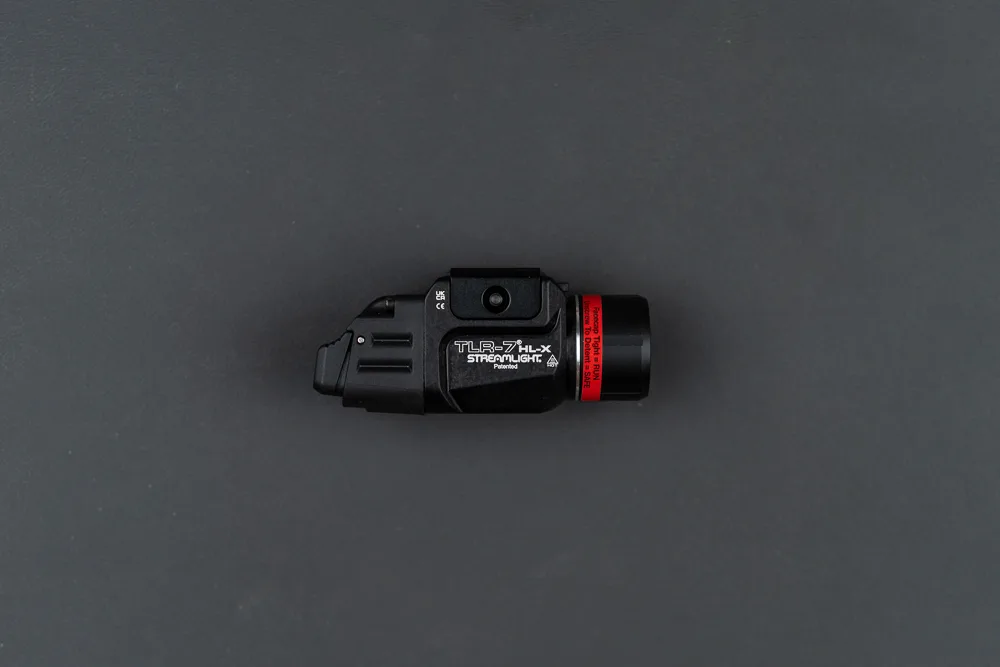
Streamlight TLR-7-HLX
- Iron sights: no batteries, no electronics, extremely reliable.
- Red dots: reliable with proper maintenance, but batteries can die.
Learning Curve and Training
Transitioning from iron sights to a red dot requires training. You need to learn to present the gun so the dot appears, and you must avoid searching for the dot during the draw. This is a skill that takes time and repetition. However, once mastered, the red dot can be faster and more intuitive.
Iron sights are what most shooters learn on, so there is no transition. But to be effective, you need to practice proper sight alignment and trigger control. Both systems require regular training, but red dots may require more initial effort to become proficient.
- Red dot training: focus on presentation and dot acquisition.
- Iron sight training: focus on front sight focus and alignment.
Concealed Carry Considerations
For concealed carry, the red dot adds a bit of bulk and weight to your pistol, which can affect concealment and comfort. However, many holsters are now designed to accommodate red dots, and the benefit of faster target acquisition may outweigh the extra bulk. When choosing a holster for a red dot pistol, look for one with a cutout for the optic, like the Quick Ship - One Shot V2 - IWB, which is designed for optics-ready pistols.
Iron sights are sleek and don't add any bulk, making them easier to conceal in tight clothing. They also don't require any special holster modifications. For those who prioritize minimalism and simplicity, iron sights are a solid choice.
- Red dot pistols may need a holster cutout.
- Iron sights are more concealable and require no special holster.
Making the Right Choice
Ultimately, the best sight for self-defense is the one you train with the most. Both red dots and iron sights have their strengths and weaknesses. If you are willing to invest time in training and want the fastest target acquisition, a red dot is a great choice. If you prefer simplicity and ultimate reliability, stick with iron sights.
Many shooters are now using a combination: a red dot with backup iron sights (cowitness). This way, if your battery dies or the dot fails, you can still use your iron sights. This setup offers the best of both worlds, though it requires a red dot that can co-witness with your irons.
- Consider co-witnessing for backup.
- Train with your chosen system regularly.
In the end, there is no one-size-fits-all answer. Red dot sights offer speed and precision, while iron sights offer simplicity and reliability. Assess your needs, train hard, and choose what works best for you. If you're ready to upgrade your pistol, check out our selection of red dot compatible holsters and other gear to enhance your self-defense setup.