Quick answer
Choose a cap for scalp and face coverage, a band for small joints like knees, a wrap for contoured areas like the back, and a pad for flat surfaces. If you need one device for both knees and back, a wrap offers the most versatility; for targeted facial use, a cap is more practical.
How form factor changes your results
The shape of a wearable red light therapy device determines how well light reaches your target tissue. A cap sits close to the scalp, a band wraps around a limb, a wrap contours to the torso, and a pad lies flat. Each design trades off coverage area, fit stability, and ease of use. For example, a band may slip during movement, while a wrap with adjustable straps stays put on the back. Pads are simple but require you to stay still. None of these devices is inherently better; the right choice depends on your body and routine.
Coverage and target areas
Caps typically cover the head and may extend to the forehead, making them suitable for scalp or facial concerns. Bands are narrow and wrap around a single joint, such as a knee or elbow. Wraps are larger and can cover the lower back or shoulder. Pads are flat and can be placed on any even surface, like the thigh or abdomen. If you need to treat both knees, a single band may require repositioning, while a long wrap could cover both. For back pain, a wrap is often more practical than a pad because it can be secured around the torso.
Fit and stability during use
Fit affects how much light reaches the skin and whether you can move during a session. Caps are usually one-size-fits-most with adjustable straps, but hair thickness can block light. Bands rely on elastic or hook-and-loop closures; they may loosen during exercise. Wraps often have multiple straps and can be worn over clothing, but bulkier designs may limit mobility. Pads are the least secure—they need to be held or laid upon. Consider your activity level: if you plan to move around, a wrap with secure straps is more reliable than a band or pad.
Power, heat, and session time
Most wearable red light therapy devices plug into a wall outlet or use a battery pack. Higher power often means shorter sessions, but can also generate more heat. Caps tend to run cooler because they are further from the skin, while wraps and pads may warm up. Always follow the manufacturer's session time recommendations. If you have sensitive skin, start with shorter sessions. Note that some devices, like the Jet Series Pillow, use far infrared heat rather than red light, which is a different modality. The pillow delivers deep-penetrating heat to the neck and shoulders while keeping the head cool, and it also features photon lights. That makes it a targeted option for neck and shoulder tension, not a general-purpose red light device.
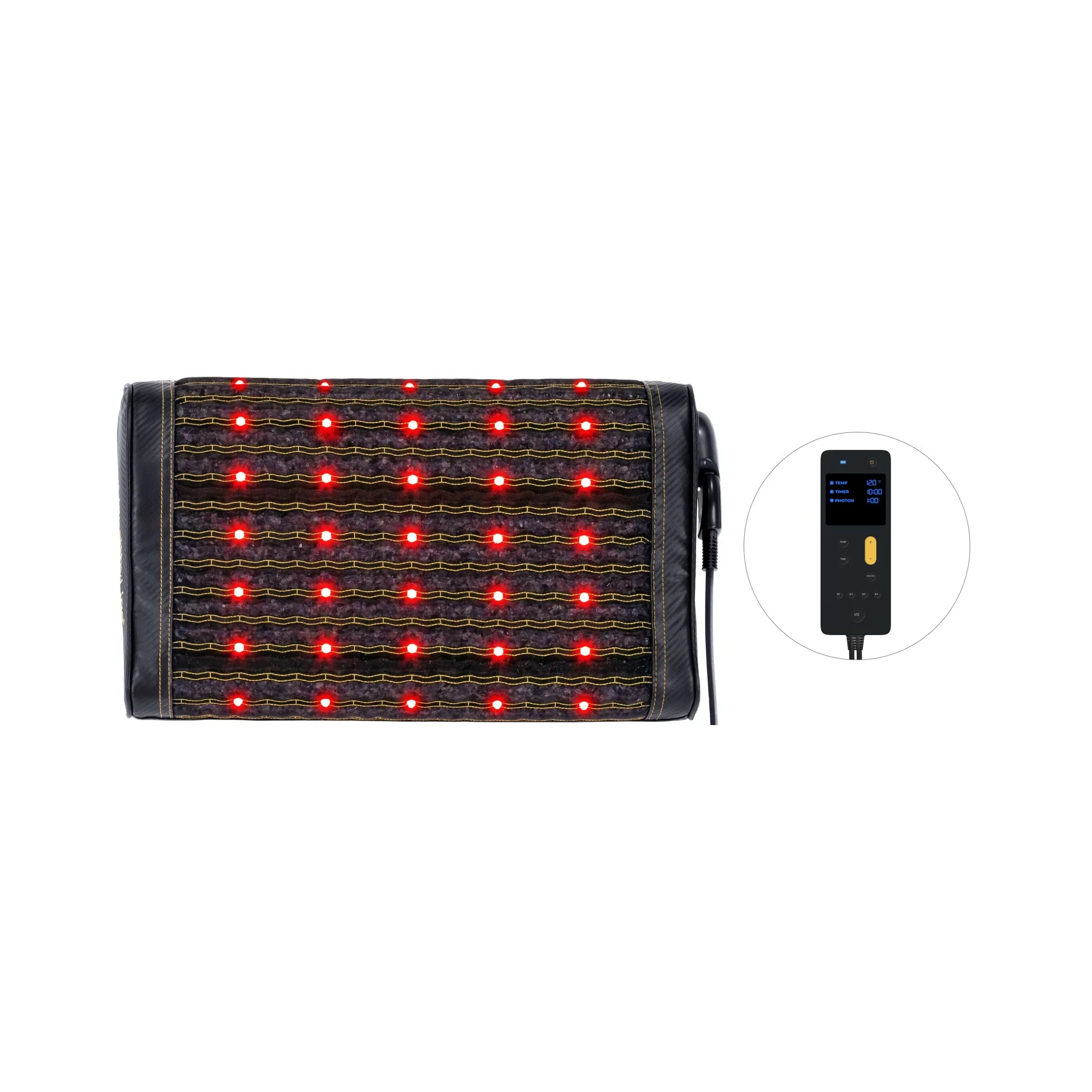
Jet Series Pillow
Key trade-offs at a glance
- Cap: Best for scalp and face, but hair can block light and it may not fit all head sizes securely. Choose a cap if your primary goal is facial or scalp treatment and you can keep it in place.
- Band: Great for knees and elbows due to its narrow, wrap-around design, but it may slip during movement and covers only a small area. A band is ideal for targeted joint relief if you remain mostly stationary.
- Wrap: Covers larger areas like the back and can be secured with straps, but bulkier models may restrict movement and take longer to put on. A wrap is the most versatile for back or multiple joints if you prioritize coverage over speed.
- Pad: Simple to place on flat surfaces and often the most affordable, but it requires you to stay still and does not contour to curved areas. A pad works well for flat areas like the thigh if you can remain stationary during sessions.
Product facts
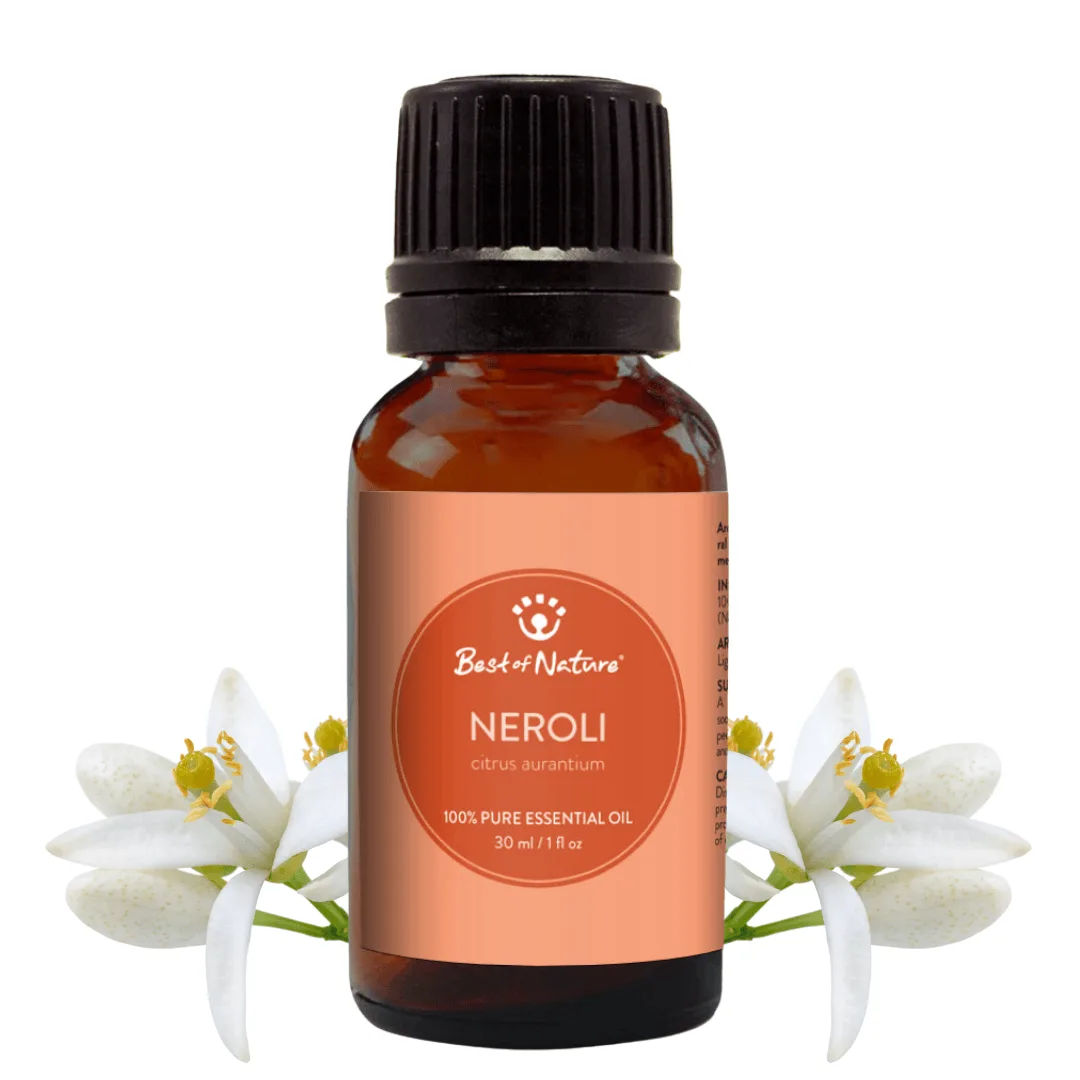
- Best of Nature Neroli Absolute Essential Oil: Neroli oil is distilled from the blossoms of the bitter orange tree. The oil has a unique, lovely floral citrus scent that can calm anxiety, relieve depression, and uplift the spirits. Neroli is a very balancing oil for the skin and hair, and can help control overproduction of sebum when diluted with jojoba. It is one of the best oils for the face as it helps regenerate skin cells. It blends beautifully with rose. If you use a red light cap for facial concerns, pairing it with a calming skincare oil like neroli may support relaxation and skin balance, but avoid applying oils before light therapy unless the device instructions allow it.
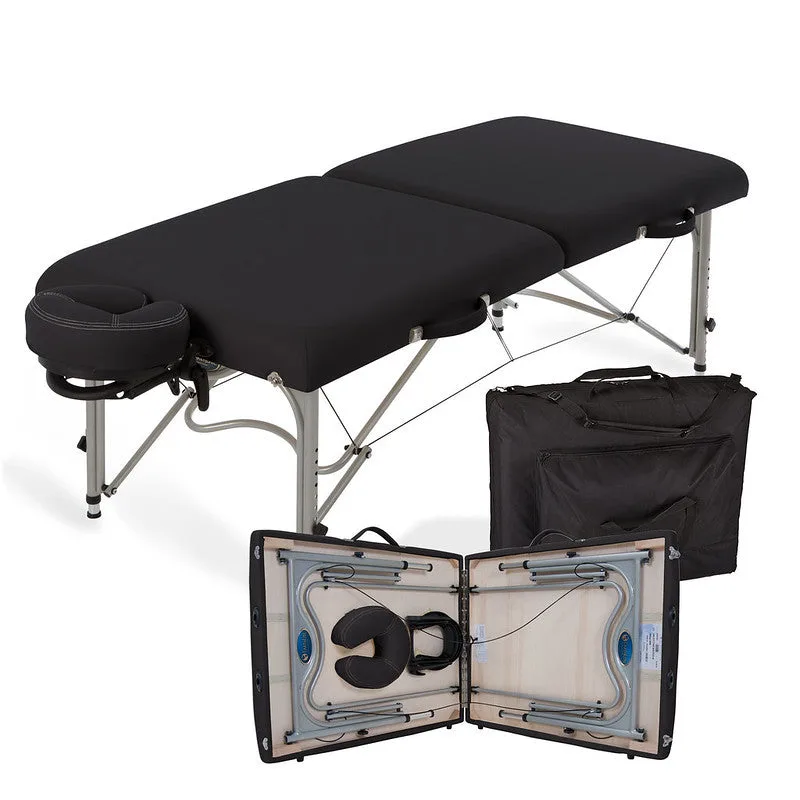
- Earthlite Luna Portable Massage Table Package: The Luna is an innovative Reiki ready aluminum frame with Earthlite's Pro-Lite cushioning system, creating a super-lite, yet comfortable portable table. Add the Shimmy Lok leg brace system and you have arguably the lightest, strongest, most stable and comfortable full sized massage table on the market today. If you are a therapist using red light therapy in your practice, a portable table like the Luna lets you offer treatments on a stable, comfortable surface that is easy to transport between clients.
Which form factor fits your needs?
Best for
- Cap: users targeting scalp or face who want hands-free use
- Band: users with knee or elbow pain who need a portable, targeted option
- Wrap: users needing coverage for back or multiple areas who can accommodate straps
- Pad: users treating flat areas like the thigh who prefer a simple, stationary setup
Not for
- Cap: users with thick hair that may block light or those needing full-body coverage
- Band: users who need to treat large areas or move around during sessions
- Wrap: users who want a quick, low-profile device for small joints
- Pad: users who need to treat contoured areas like the shoulder or knee