Quick Answer
Red light therapy can help stimulate hair follicles and support hair growth when used consistently over several months. For best results, choose a device that delivers the right wavelength and intensity, and use it as directed. If you have significant hair loss or an underlying medical condition, consult a healthcare professional first.
If you're noticing thinning hair or a receding hairline, you're not alone. Many people search for non-invasive ways to support hair growth, and red light therapy has become a popular option. But does it really work? And how do you choose the right device?
Red light therapy, also known as low-level laser therapy (LLLT), uses specific wavelengths of red or near-infrared light to penetrate the scalp. The idea is that this light energy stimulates cellular activity in hair follicles, potentially encouraging growth. While research is ongoing, many users report positive results with consistent use.
How Red Light Therapy Works for Hair
Red light therapy devices emit light at wavelengths typically between 630 and 670 nanometers. This light is absorbed by mitochondria in skin cells, which may increase energy production and improve blood flow to the area. For hair, this could mean healthier follicles and reduced inflammation.
The key is consistency. Most experts recommend using a red light therapy cap or device several times per week for several months to see noticeable changes. It's not a quick fix, but rather a gradual process that requires patience.
- Look for devices with clinical-grade wavelengths (around 650nm) and sufficient power output.
- Check the treatment area to ensure it covers the affected regions of your scalp.
- Follow the manufacturer's recommended usage schedule for best results.
What to Look for in a Red Light Therapy Cap
When shopping for a red light therapy cap, consider the wavelength, power density, and coverage. A cap with more diodes typically provides better coverage and may be more effective. Also, look for a device that is FDA-cleared or has published clinical studies supporting its use for hair growth.
Comfort and convenience matter too. If you're going to use it consistently, choose a device that fits well and fits into your routine. Some caps are cordless and can be worn while doing other tasks, while others require you to sit still.
- Check the number of diodes and their placement for even coverage.
- Consider the battery life and charging time if you opt for a portable cap.
- Read user reviews to gauge real-world effectiveness and comfort.
Setting Realistic Expectations
Red light therapy is not a miracle cure. Results vary from person to person, and it may take 3 to 6 months of consistent use to see visible improvements. In some cases, it may help slow hair loss rather than regrow hair.
If you have a medical condition like alopecia areata or hormonal imbalances, red light therapy alone may not be sufficient. It's important to address underlying causes with a healthcare provider.
- Track your progress with photos to see subtle changes over time.
- Combine red light therapy with a healthy diet and gentle hair care practices.
- Be patient—consistency is key.
Diagnosis: Is Red Light Therapy Right for Your Hair Loss?
- Symptom: You notice gradual thinning, a widening part, or a receding hairline. If you're in the early stages of hair loss, red light therapy may help.
- Likely Cause: Hair loss can be due to genetics, hormonal changes, stress, or nutritional deficiencies. Consider whether red light therapy addresses your specific cause; it may not work for all types.
- Corrective Action: Choose a quality red light therapy cap and use it consistently for several months. Combine with a healthy scalp routine. If you see no improvement after 6 months, or if your hair loss is sudden or patchy, consult a dermatologist.
Products to Support Your Hair Growth Journey
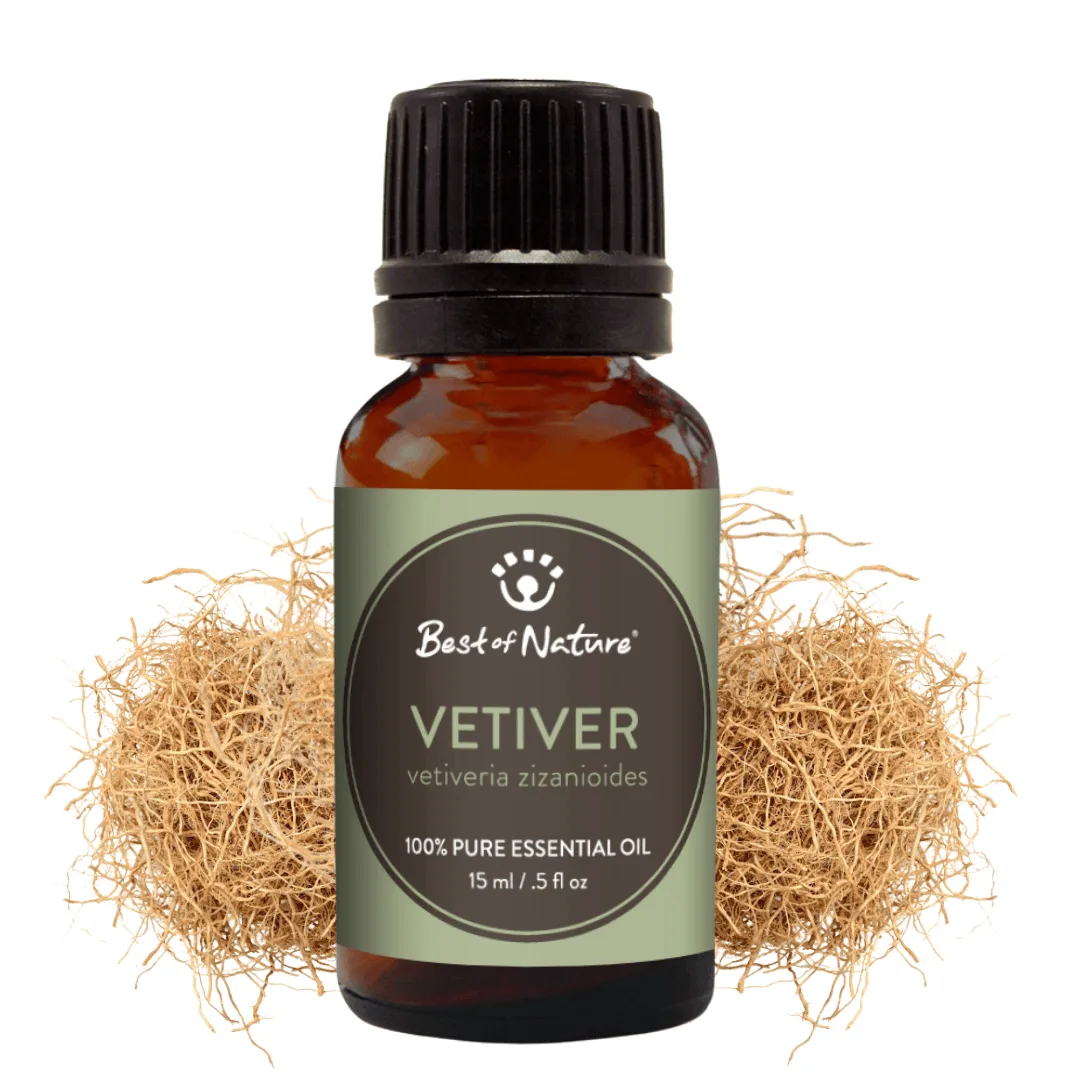
- Best of Nature Vetiver Essential Oil: Vetiver is an amber colored, thick essential oil that has a subtle but sweet, smoky, resin-like smell. It is very grounding, balancing and relaxing, and a 'must have' for relaxing blends. It helps fix other scents as it lingers in the background. While not directly a hair growth treatment, adding a few drops of vetiver oil to a carrier oil and massaging into the scalp can promote relaxation and improve circulation, which may complement your red light therapy routine.
- Therapist's Blend (formerly Budget Blend) Massage & Body Oil: Therapist’s Blend Massage Oil is a thoughtfully crafted blend of natural oils designed to provide smooth glide and nourishment. This lightweight, fast-absorbing formula is ideal for massage, daily moisturizing, and blending with essential oils. A gentle scalp massage with a nourishing oil can help improve blood flow and reduce stress, factors that support a healthy scalp environment for hair growth.
Red light therapy offers a promising, non-invasive option for supporting hair growth, but it requires realistic expectations and commitment. By choosing the right device and using it consistently, you may see gradual improvements over time. If you have concerns about your hair loss, always seek professional advice.