Quick Answer
Red light therapy may help reduce knee pain by promoting cellular repair and decreasing inflammation. It is not a cure-all, but many people find it useful for managing mild to moderate discomfort, especially when combined with other therapies.
What Red Light Therapy Does for Knee Pain
Red light therapy delivers specific wavelengths of light to the skin, which are absorbed by mitochondria in your cells. This process is thought to boost energy production and reduce oxidative stress, potentially easing pain and stiffness in joints like the knee. While research is ongoing, many users report noticeable relief for conditions such as arthritis, tendonitis, and general knee soreness.
When Red Light Therapy Is Not Enough
Red light therapy is generally safe and non-invasive, but it may not address severe structural damage, acute injuries, or advanced arthritis. If your knee pain is sharp, persists after rest, or is accompanied by swelling that does not improve, consult a healthcare professional. For daily maintenance or mild discomfort, however, it can be a valuable addition to your routine.
Diagnosis: Knee Pain and Red Light Therapy
- Symptom: Persistent knee ache or stiffness that worsens after activity or at the end of the day. Red light therapy may help by reducing inflammation and supporting tissue repair.
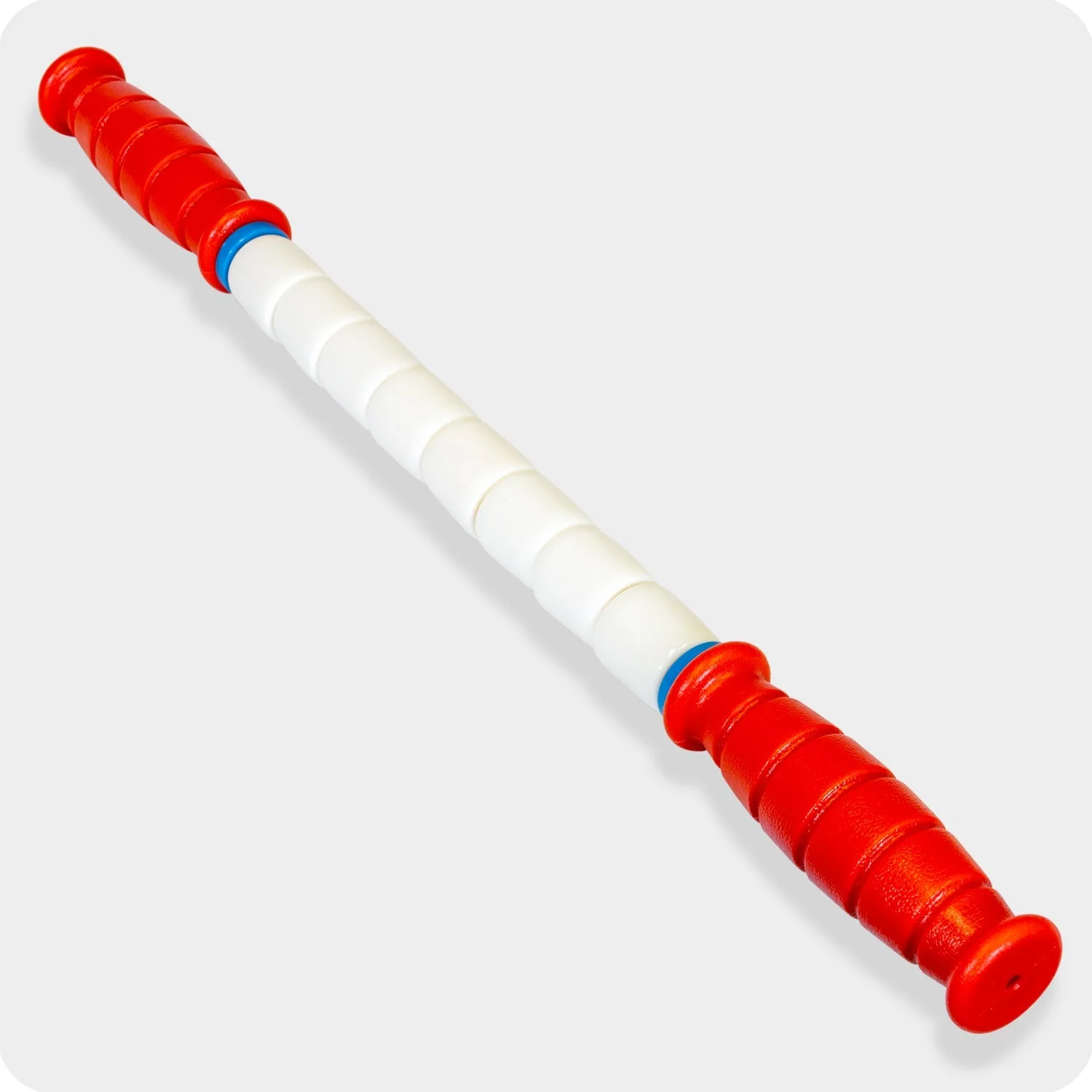
- Likely Cause: Overuse, mild arthritis, or muscle imbalances around the knee joint. If the cause is muscle tension or trigger points, combining red light with a massage tool like the Travel Stick can provide more comprehensive relief.
- Corrective Action: Apply red light therapy to the front and sides of the knee for 10–15 minutes daily. Follow with gentle stretching or self-massage on the quadriceps and calves. Consistency is key; results typically appear after a few weeks of regular use.
- Stop or Choose Another Option: If pain increases, swelling does not subside, or you have a diagnosed structural issue (e.g., torn ligament), red light therapy alone is unlikely to be sufficient. Consult a doctor or physical therapist for a tailored treatment plan.
Supporting Products for Knee Pain Relief
- Travel Stick- 18" - The Original Stick for Massage and Recovery Routines / Travel Ready: The Travel Stick features 8 freely-rolling spindles across an 18" flexible core, designed for legs, neck, and glute recovery. For knee pain, the Travel Stick can be used on the quadriceps, hamstrings, and calves to release tension in surrounding muscles, which may indirectly reduce strain on the knee joint.
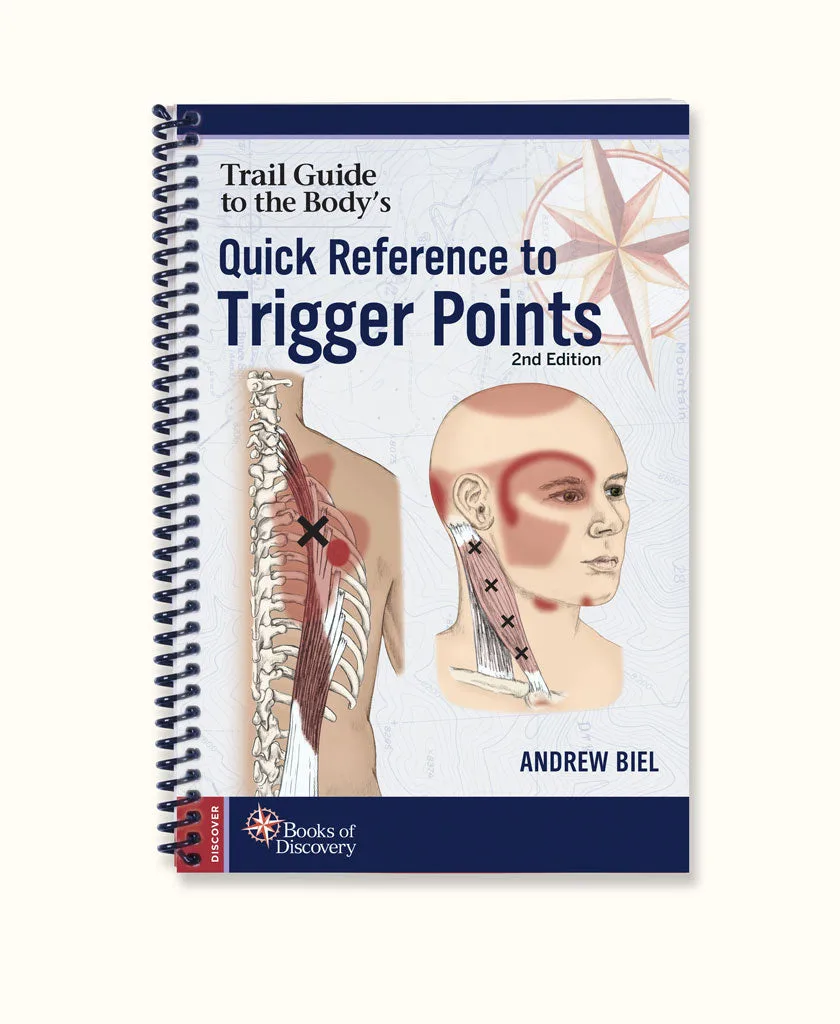
- Trail Guide to the Body’s Quick Reference to Trigger Points - 2nd Edition: This quick reference includes 200 illustrations showing pain patterns and point locations for nearly 100 muscles, helping identify common trigger points. Understanding trigger points in the muscles around the knee can help you target your self-care more effectively, whether you use red light therapy, massage tools, or both.