Two Approaches to Light Therapy for Skin
If you are shopping for an LED light therapy device, you will likely encounter two main options: a dedicated red light therapy panel and a multi-color PDT (photodynamic therapy) LED device. Both use light-emitting diodes to stimulate skin cells, but they differ in wavelength range, color options, and treatment focus. This guide compares a 104-LED red light therapy stand device with a 4-color PDT LED device so you can decide which fits your skincare goals.
Key Differences at a Glance
The table below summarizes the main differences between the two devices. Use it as a starting point, then read the detailed sections for practical trade-offs.
- Wavelengths & Colors: Red light therapy panel: 660nm (red) + 850nm (near-infrared). 4-color PDT device: Red, Blue, Purple, Orange — each with a different therapeutic claim.
- Treatment Focus: Red light panel: skin repair, scar reduction, pain relief, muscle relaxation, collagen stimulation. 4-color PDT device: anti-aging, acne, pigmentation, lymphatic drainage, skin brightening.
- Coverage & Design: Red light panel: curved design, 15 x 8.6 in. panel, stand included, total height 56 in. 4-color PDT device: large treatment area (no exact dimensions in supplied info), suitable for face and body.
- Ease of Use: Red light panel: single-button operation, plug and play. 4-color PDT device: no professional training needed, continuous stable output.
- Price: Red light panel: USD 90.89 (catalog price). 4-color PDT device: USD 569.50 (catalog price).
When a Focused Red Light Panel Makes Sense
The Stand Red Light Therapy Device with 104 LEDs emits two specific wavelengths: 660nm (visible red) and 850nm (invisible near-infrared). This combination is supported by the supplied information for skin repair, scar reduction, pain relief, and muscle relaxation. If your primary need is collagen stimulation, reducing fine lines, or addressing muscle soreness, this device offers a targeted solution at a lower price point. Its curved design aims to maximize coverage and comfort, and the included stand allows hands-free use while sitting or lying down. The device is simple to operate with a single button press — just plug in and start.
Red Light Panel Evidence
-
Stand Red Light Therapy Device With 104 Pcs LED For All Around Skin Rejuvenation: Dual wavelengths of 660nm and 850nm for skin repair, scar reduction, pain relief, and muscle relaxation. If you need both skin rejuvenation and deeper tissue benefits, this dual-wavelength approach covers both without switching modes.
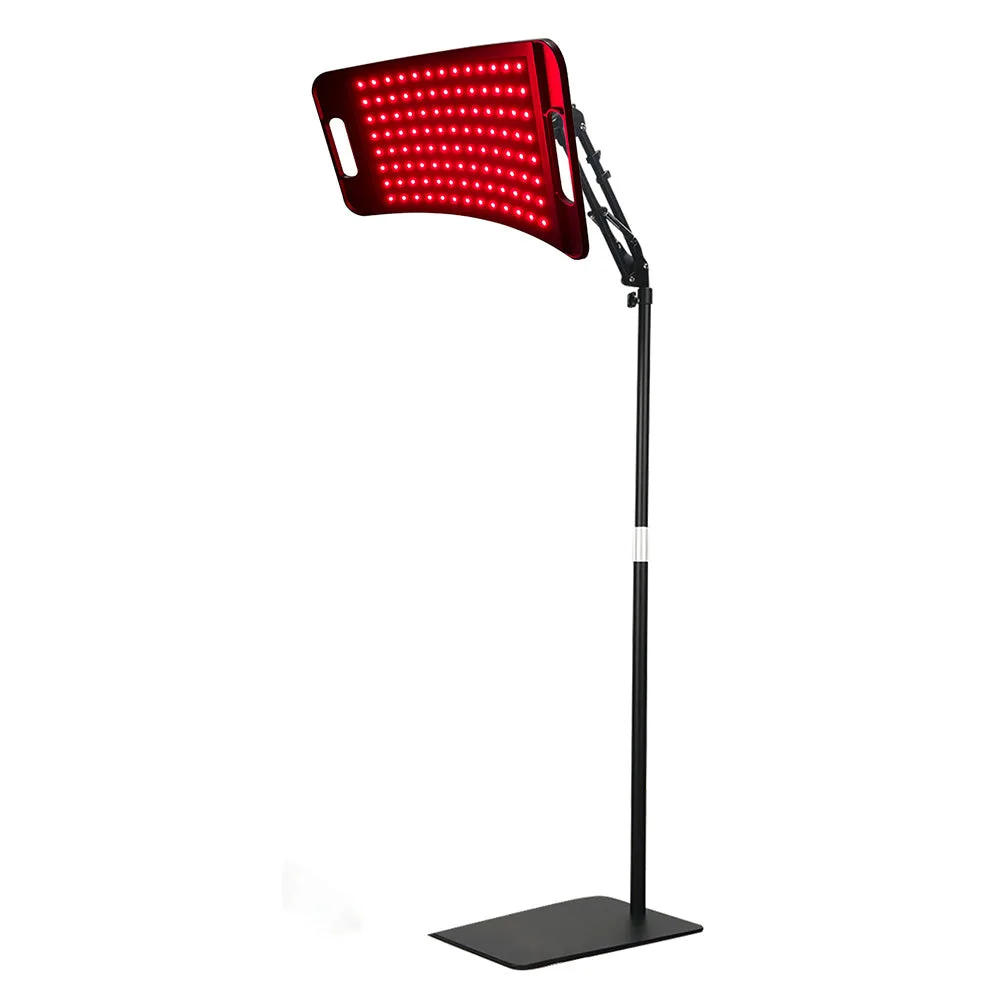
Stand Red Light Therapy Device With 104 Pcs LED For All Around Skin Rejuvenation
-
Stand Red Light Therapy Device With 104 Pcs LED For All Around Skin Rejuvenation: 104 three-in-one lamp beads combining visible red light and two spectral outputs of invisible near-infrared light. The high number of LEDs and combined outputs mean a single session can deliver both surface and deeper benefits.
-
Stand Red Light Therapy Device With 104 Pcs LED For All Around Skin Rejuvenation: Curved design for even light distribution and comfortable treatment. The contour helps maintain consistent distance from the body, which is important for effective light therapy.
When a Multi-Color PDT Device Offers More Versatility
The 4 Colors PDT LED Bio-Light Therapy Device provides four distinct light colors, each with a different therapeutic claim: Red for energizing and circulation, Blue for calming and clarifying (especially for acne-prone skin), Purple for lymphatic drainage and wrinkle reduction, and Orange for brightening and evening skin tone. If your skincare concerns are varied — for example, you want to treat acne, pigmentation, and aging simultaneously — a multi-color device lets you switch between modes without buying separate machines. The supplied information notes that it is suitable for all skin types with no side effects and requires no downtime. However, its price is significantly higher than the dedicated red light panel.
4-Color PDT Device Evidence
-
4 Colors PDT LED Bio-Light Therapy Photon Anti-aging Beauty Treatment Device: 4 clinically targeted light wavelengths: Red, Blue, Purple, Orange. Each color targets a different skin concern, giving you flexibility to address multiple issues with one device.
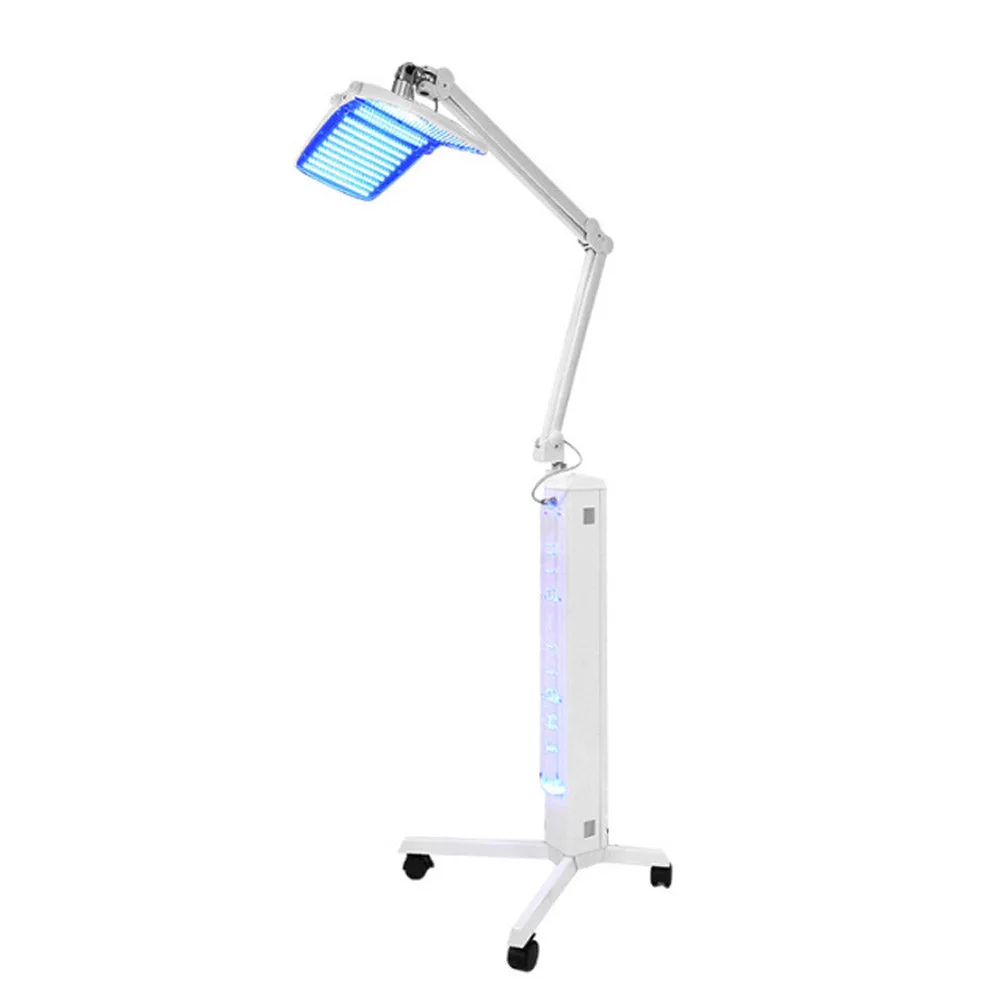
4 Colors PDT LED Bio-Light Therapy Photon Anti-aging Beauty Treatment Device
-
4 Colors PDT LED Bio-Light Therapy Photon Anti-aging Beauty Treatment Device: High-power SMD LEDs for pure, consistent energy output. Consistent output is important for predictable results, especially when switching between colors for different treatments.
-
4 Colors PDT LED Bio-Light Therapy Photon Anti-aging Beauty Treatment Device: No downtime or post-treatment care required. You can use the device at home without disrupting your daily routine — ideal for busy schedules.
Practical Trade-Offs to Consider
The red light panel is more affordable (USD 90.89 vs. USD 569.50), but it only offers red and near-infrared light. If your main goal is anti-aging and collagen stimulation, this may be sufficient. The 4-color device costs more but provides additional colors for acne, pigmentation, and lymphatic drainage — useful if you have combination skin or want a broader treatment range. Neither device requires professional training, and both are designed for home use. The red light panel includes a stand; the 4-color device’s form factor is not fully detailed in the supplied information, so you may want to check its size and setup before purchasing. Also note that the red light panel’s 24W output is explicitly stated, while the 4-color device’s power is not confirmed in the supplied facts.