Quick Answer
Match the fix to the symptom: a steady 50/60 Hz hum usually points to a ground loop or power-cable issue, a harsh buzz often comes from a dirty or failing tube, and steady hiss is usually inherent gain or noise floor. Change one thing at a time, starting with the cheapest and most reversible step, and stop once the noise sits below what you can hear during quiet passages.
Start by Naming the Symptom Precisely
Noise troubleshooting fails when you treat 'noise' as one problem. Listen with the volume at your normal level and no music playing, then describe what you hear: a low steady hum, a raspy buzz, a constant hiss, or intermittent crackle. Each has a different cause and a different fix, and guessing wastes money on parts you did not need.
Note whether the noise changes when you touch the volume knob, move the amp, or unplug the source. If the noise disappears when you disconnect the source, the problem is upstream, not in the amplifier. If it stays with only headphones connected, it is in the amp or its power path.
- Hum: low, steady, often 50 or 60 Hz — usually grounding or power related.
- Buzz: harsher and higher in pitch — often a tube, a dimmer, or a nearby device.
- Hiss: steady high-frequency wash — usually gain structure or the amp's own noise floor.
- Crackle or pops: intermittent — often a tube, a loose connection, or a dirty contact.
Rule Out the Obvious Before Buying Anything
Move the amplifier away from Wi-Fi routers, phone chargers, and dimmer switches, then listen again. Swap in a different pair of headphones and a different source cable to see whether the noise follows the cable or stays with the amp. These two checks cost nothing and eliminate a large share of false alarms.
If the noise only appears with one source, the amp is fine and the source or its cable is the culprit. If it appears with every source and every cable, focus on the amplifier's power and grounding.
- Disconnect all sources, listen, then reconnect one at a time.
- Try a different wall outlet on a different circuit.
- Remove any power strip or conditioner from the chain temporarily.
Grounding: The Most Common Source of Hum
A ground loop happens when two pieces of gear connect to ground through different paths, and the small voltage difference between them becomes audible hum. The fix is to give the system a single, clean ground reference rather than several competing ones.
Plug the amplifier and its source into the same outlet or the same power conditioner. Avoid running signal cables parallel to power cables, and cross them at right angles when you must. If your amp or source has a ground-lift switch, use it only as a diagnostic step, never as a permanent solution, because lifting safety ground can be hazardous.
- One outlet or one conditioner for the whole signal chain.
- Keep signal and power cables separated and crossed at 90 degrees.
- Never defeat a safety ground permanently to silence hum.
When the Power Cable Itself Is the Bottleneck
High-power amplifiers draw current in short, heavy bursts, and a thin or poorly shielded stock cord can let that demand modulate the rest of the system. A dedicated high-current AC cable is not a cure for a ground loop, but it can reduce the low-frequency muddiness and mechanical buzz that show up when an amplifier is starved on peaks.
If you have already fixed grounding and the hum persists only under heavy bass passages, the power cable is a reasonable next step. Match the cable's current rating to the component: a power amplifier or integrated amp needs a high-power cord, while a DAC or preamp benefits from a lower-power, higher-resolution design.
- High-power cord for amplifiers and receivers.
- Lower-power, high-resolution cord for DACs, preamps, and headphone amps.
- Change one cable at a time and listen before moving on.
Tubes, Gain, and the Noise Floor
Tube amplifiers can develop buzz or crackle as a tube ages or its pins oxidize. Reseating the tube and cleaning the pins often clears intermittent noise. If a single tube is noisy, swapping it to the other channel will tell you whether the noise follows the tube or stays in the circuit.
Hiss is different. Every amplifier has a noise floor, and high-sensitivity headphones will reveal it. If the hiss is only audible with no music and the volume far above your normal listening level, it is not a fault. If it intrudes on quiet passages at normal volume, the gain structure or the amp's design is the limiting factor, and no cable will remove it.
- Reseat and clean tube pins before replacing a tube.
- Swap tubes channel to channel to confirm the fault.
- If hiss is only audible above your normal volume, leave it alone.
Noise Diagnosis Table
- Steady low hum, present with no music: Most likely a ground loop between the amp and its source, or two ground paths through different outlets. Plug both into the same outlet or conditioner and separate signal from power cabling. If the hum drops noticeably, you have found it — stop here.
- Harsh buzz that changes when you touch the amp or move cables: Often a tube issue or interference from a dimmer, router, or charger nearby. Reseat and clean tube pins, move the amp away from wireless and switching devices, and swap tubes channel to channel. If the buzz follows a specific tube, replace that tube and re-test.
- Buzz or muddiness only on heavy bass passages: Suggests the amplifier is not getting current cleanly. Try a high-current AC cable matched to the component's draw, and confirm the outlet is not shared with a large appliance. If bass-related noise persists after a proper power cable, the amplifier's supply is the limit, not the cord.
- Steady hiss with no music, audible only at high volume: This is the amplifier's noise floor interacting with sensitive headphones, not a fault. No cable or grounding change will remove it. Stop troubleshooting and enjoy the music unless hiss intrudes at your normal listening level.
Products That Address Power-Side Noise
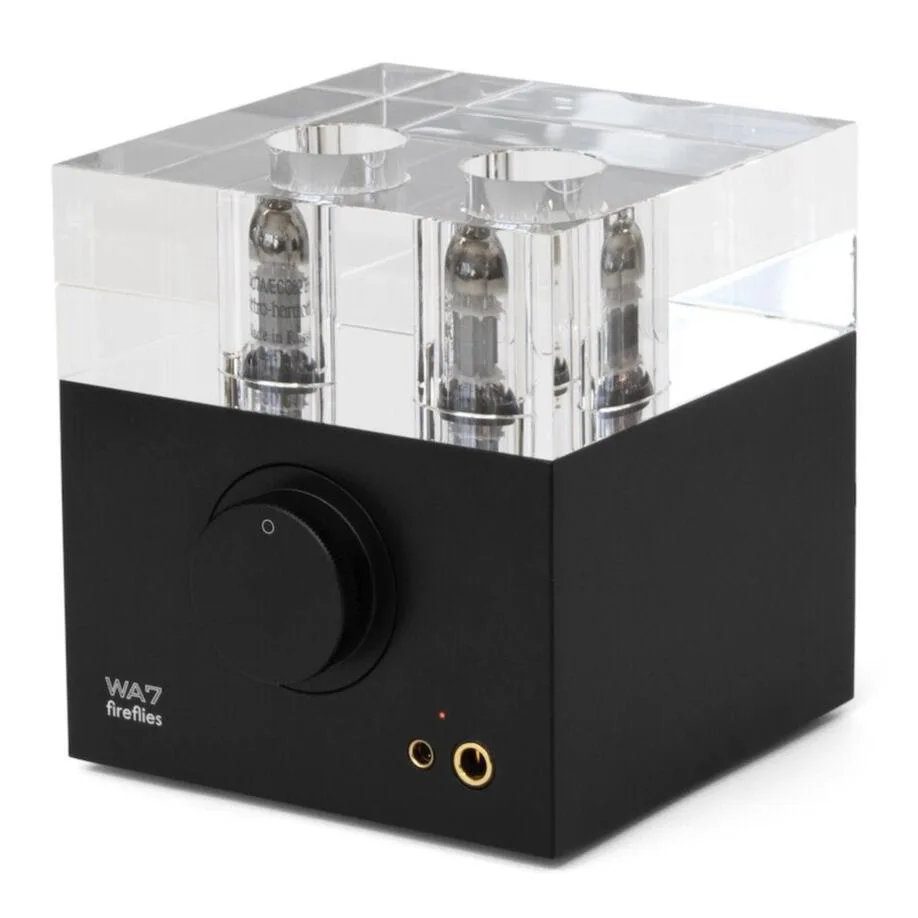
- Woo Audio WA7 Fireflies (3rd gen) Balanced Headphone Amplifier / DAC: The Woo Audio WA7 Fireflies (3rd gen) is an all-in-one balanced headphone amplifier and DAC with a 4.4 mm balanced output and a 1/4-inch jack, both driven by a pair of 12AU7 vacuum tubes, delivering up to 1.5 W of tube power per channel into low-impedance loads. Because it combines amp and DAC in one chassis and one power path, it removes an entire interconnect and its potential ground loop, which makes it a useful reference point when you are trying to isolate where hum is entering the chain.
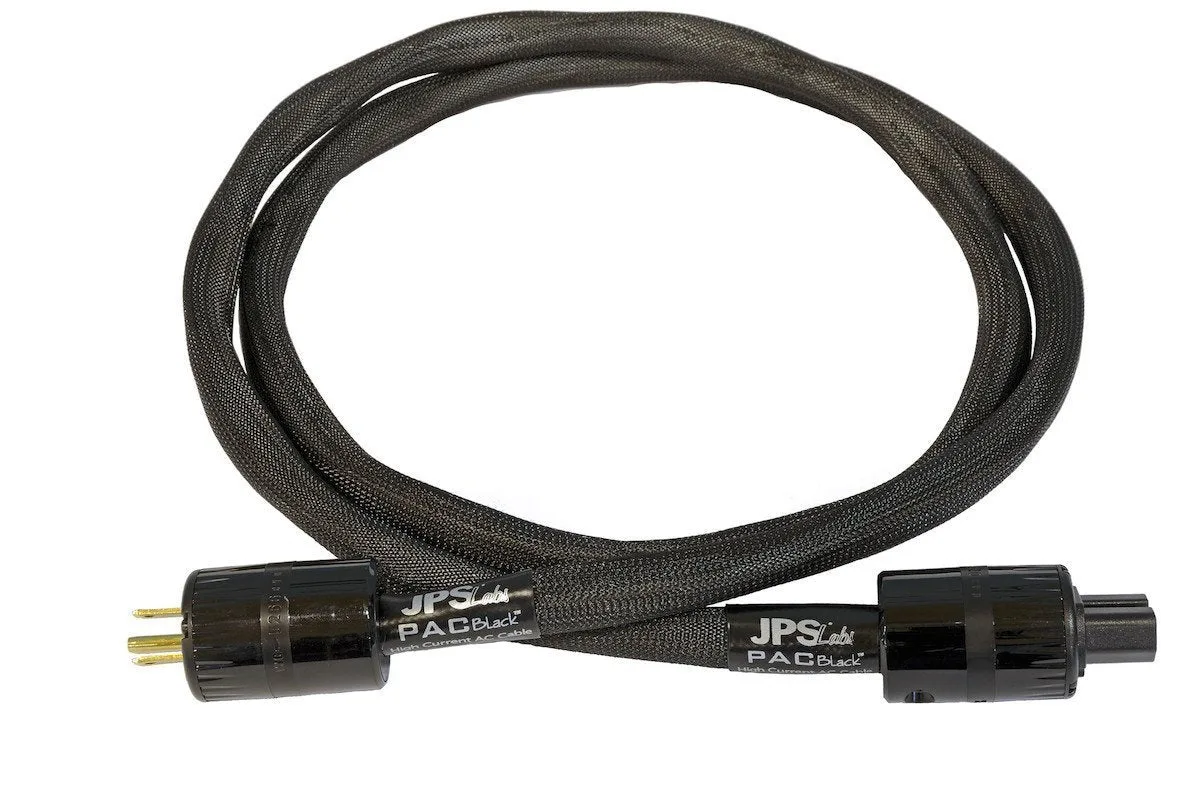
- JPS Labs PAC Black High Power AC Cable: The JPS Labs PAC Black is a large but flexible AC cord designed for the high power demands of amplifiers and receivers, and it can also feed an entire system through a line conditioner. If your hum or bass-related buzz appears only under heavy demand, this is the class of cable to try first, because it targets current delivery rather than signal-level noise.
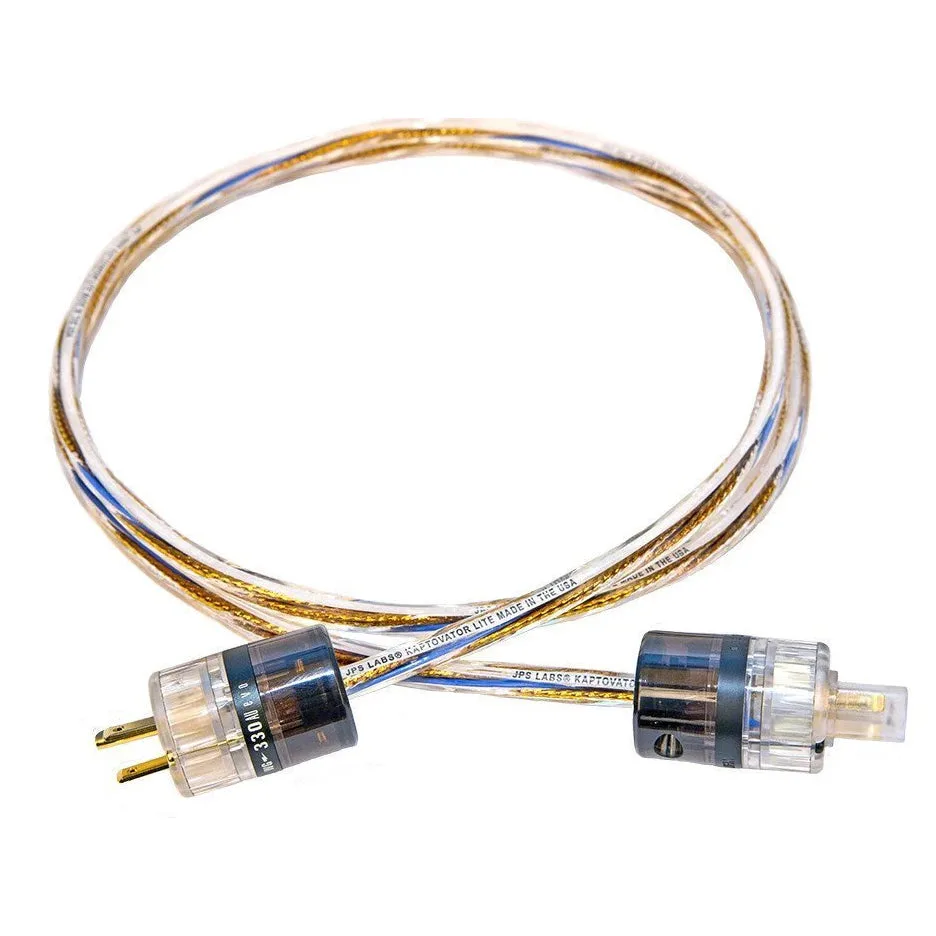
- JPS Labs Kaptovator Lite High Performance AC Cable: The JPS Labs Kaptovator Lite is a high-performance AC cable aimed at lower-power components such as headphone amplifiers, preamps, and DACs, based on the company's long-running reference Kaptovator design. For a headphone amp or DAC rather than a power amp, this is the more appropriate match; using a high-power cord on a low-draw component is not the same upgrade.