Quick answer
Eat a light carb-focused snack 60–90 minutes before training, sip water throughout, and take protein within about two hours after your session. Keep pre-workout food low in fat and fiber so it clears your stomach, and pair post-workout protein with carbs to refill glycogen. You do not need powders or pills to train well; whole foods and consistent timing do most of the work.
Why timing matters more than the label
Most people overtrain their supplement shelf and undertrain their kitchen. Your body needs two things around a session: fuel that is available before you start and building blocks after you finish. A simple carb snack before training tops off blood glucose and liver glycogen, which is the difference between a sharp first set and a foggy one. After training, protein plus carbs supports muscle repair and restores the glycogen you burned.
You do not need a proprietary blend to get this right. A banana and a glass of water before, then eggs and rice after, covers the same ground as most pre-workout tubs and recovery shakes. The timing window is wider than marketing suggests, so aim for consistency rather than precision.
Set your pre-workout plate by session type
What you eat before training should match how long and how hard you plan to go. A 30-minute walk or mobility session needs almost nothing extra. A 60-minute strength or team session needs a real snack. Two hours of hard training needs a small meal plus fluids.
Keep pre-workout food low in fat and fiber. Fat and fiber slow digestion, which is useful at dinner but unhelpful 45 minutes before squats. If you train early, a small carb snack is enough; if you train after work, make lunch your pre-workout meal and add a light snack 60–90 minutes out.
Hydration is part of the plan
Dehydration reduces strength and endurance before you feel thirsty. Start sipping water in the two hours before training, then keep a bottle within reach during the session. For sessions under an hour, plain water is enough. For longer or hot sessions, an electrolyte drink helps replace sodium lost in sweat.
A simple checkpoint: pale yellow urine before training usually means you are hydrated. Dark yellow means drink more. Do not chug a liter right before you start; that just sloshes.
Post-workout: protein and carbs together
After training, your goal is to stop breakdown and start repair. Protein provides amino acids for muscle, and carbs refill glycogen. Aim for roughly 20–40 grams of protein and a similar or larger amount of carbs within about two hours of finishing. If you trained fasted or very hard, move that window earlier.
When to take protein after training is less rigid than the old 30-minute rule. What matters is total daily protein and getting some in soon after. A shake is convenient, but Greek yogurt, chicken, tofu, or eggs work just as well. Add fruit, rice, or potatoes for carbs.
Build a repeatable routine, not a perfect one
The best nutrition plan is the one you can repeat on a normal Tuesday. Pick two pre-workout snacks and two post-workout meals you actually like, then rotate them. Prep what you can the night before so timing is not a decision you make while hungry.
Keep a water bottle and a shaker or snack in your bag so you are not relying on vending machines. Small, boring consistency beats a perfect plan you abandon by week two.
Your pre- and post-training steps
- 1. Eat a light carb snack 60–90 minutes before training: Choose something low in fat and fiber, like a banana, toast with jam, or a small bowl of oats. This tops off blood glucose without sitting heavy in your stomach. Checkpoint: if you feel sluggish in the first 15 minutes, your snack was too small or too late.
- 2. Sip water in the two hours before and during your session: Aim for pale yellow urine before you start and keep a bottle nearby. Add electrolytes only for sessions over an hour or in heat. Mistake to avoid: chugging a large volume right before training, which causes cramping and sloshing.
- 3. Take protein and carbs within about two hours after training: Target roughly 20–40 grams of protein plus a serving of carbs. A shake with fruit, or yogurt with granola, both work. If you trained fasted, eat sooner. Checkpoint: if you are ravenous and shaky an hour later, your post-workout meal was too small.
- 4. Repeat the same two or three options each week: Pick pre- and post-workout foods you genuinely like and prep them the night before. Consistency beats variety when you are building a habit. Mistake to avoid: chasing a new supplement every week instead of nailing timing and total protein.
Gear that supports your routine
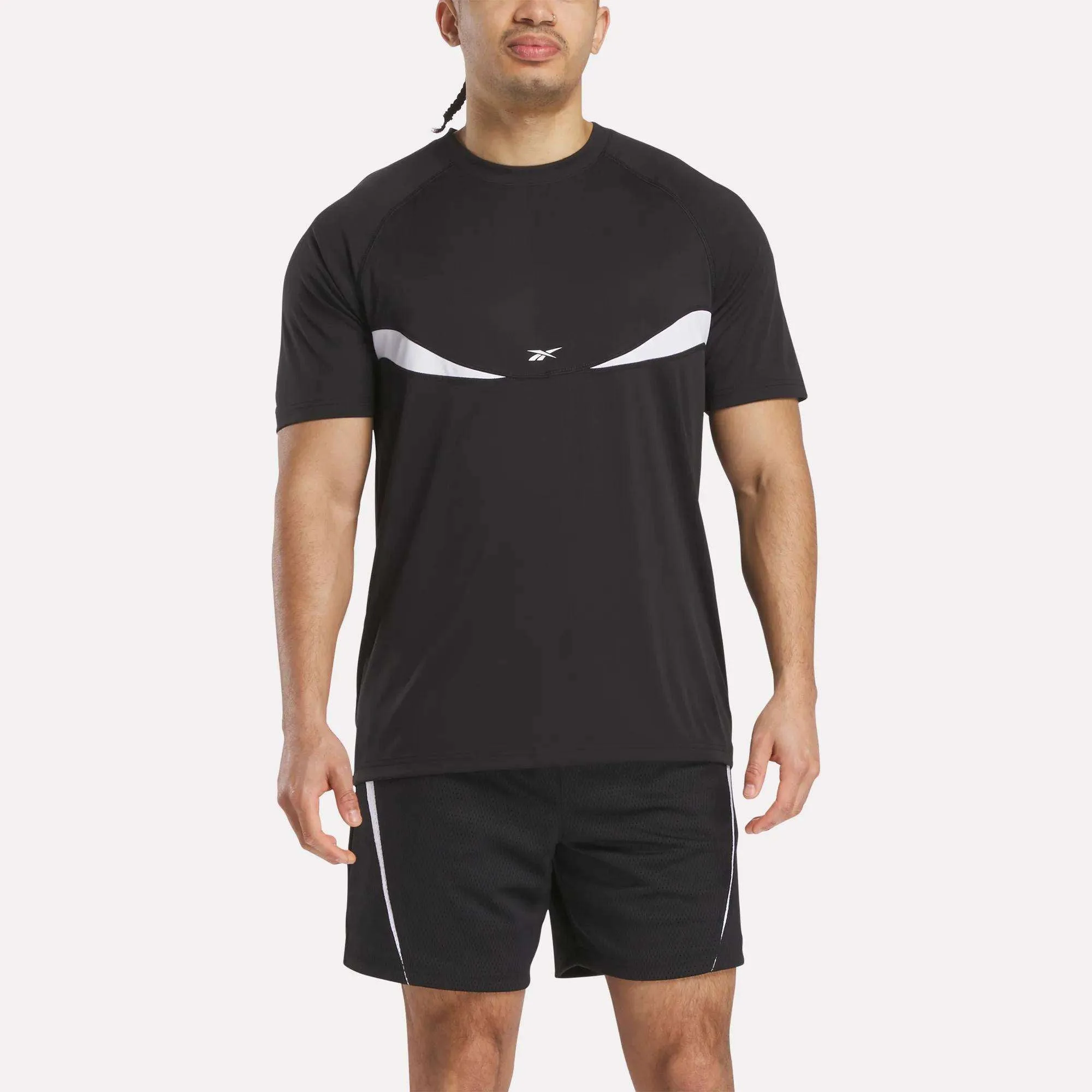
- Warm-Up Basketball T-Shirt: A knit tee for training and hooping with soft, breathable cotton knit fabric and a crewneck finish. Breathable cotton keeps you comfortable through warm-ups and drills, so you can focus on fueling and recovery instead of adjusting your shirt.
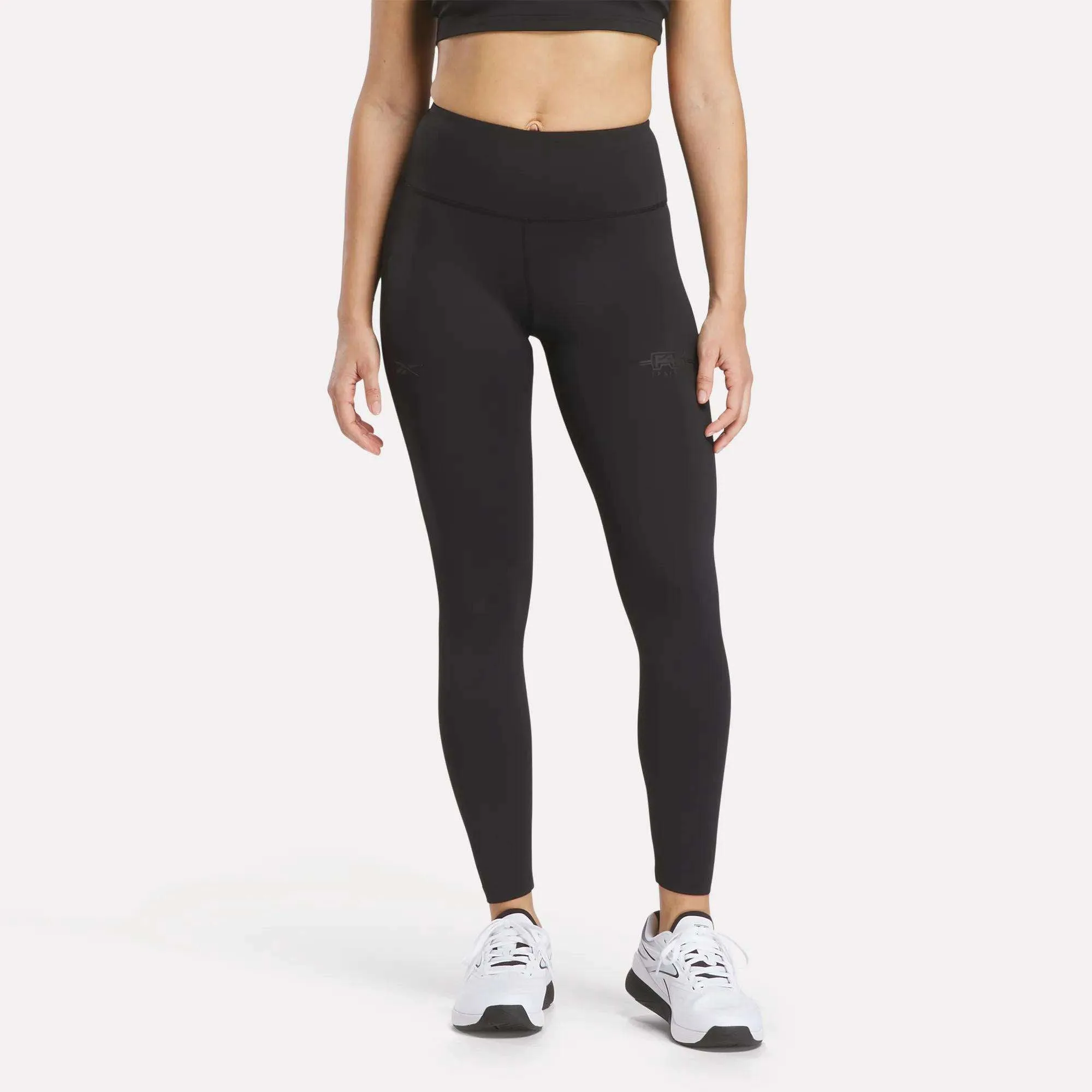
- Women's Reebok x F45 Training Leggings: Supportive snug-fit leggings with four-way stretch and a high-rise elastic waistband. A waistband that stays in place means fewer adjustments during squats and box jumps, which helps you keep your pre-workout timing and routine on track.
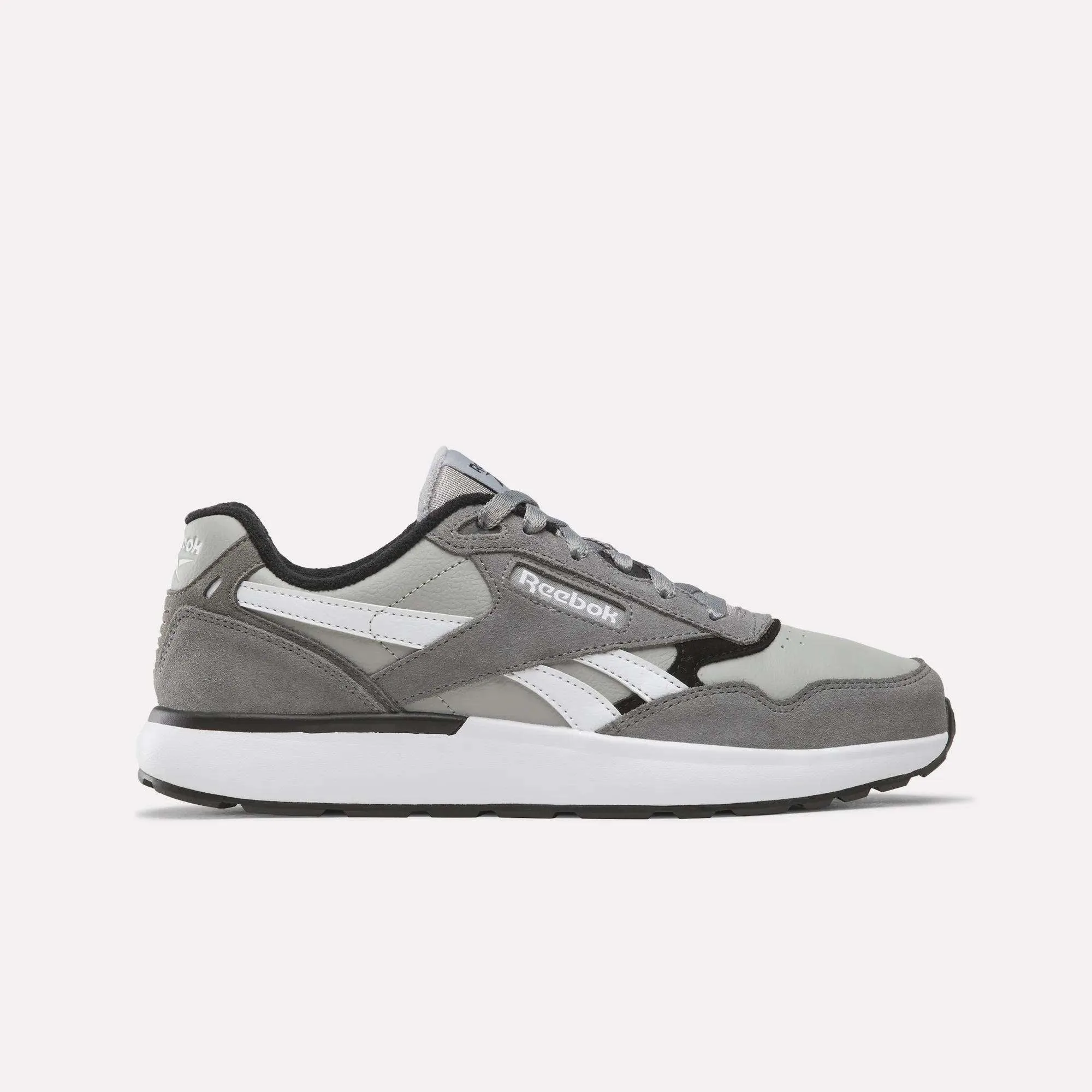
- Men's Run LXS Shoes: Men's shoes crafted in full-grain leather with a Luxcomfort sockliner and cushioned midsole. Comfortable, cushioned shoes make it easier to show up for training consistently, which is the habit your nutrition plan depends on.