Quick Answer
Choose extra virgin coconut oil when you want its mild coconut flavor and aroma in your dish; choose refined coconut oil when you need a neutral, high-heat cooking oil that won't overpower other ingredients.
Flavor and Aroma Differences
The main difference between refined and extra virgin coconut oil comes down to flavor. Extra virgin coconut oil retains a mild coconut taste and pleasant aroma, making it a natural fit for recipes where you want that subtle tropical note. Refined coconut oil undergoes processing that removes most of the flavor and scent, leaving a neutral oil that works well in dishes where coconut shouldn't be the star.
High-Heat Cooking Considerations
When you're searing, frying, or roasting at high temperatures, the oil's smoke point matters. Refined coconut oil generally has a higher smoke point than extra virgin, which makes it a better choice for high-heat methods. Extra virgin coconut oil is still fine for moderate heat, but it may start to smoke sooner if you push it too hard. If you don't know the exact smoke points, a good rule is to use refined for hot and fast cooking and extra virgin for gentle sautéing or baking.
Nutritional and Processing Trade-offs
Extra virgin coconut oil is less processed, which means it retains more of the natural compounds found in fresh coconuts. Refined coconut oil goes through additional steps to remove flavor and impurities, which can also remove some beneficial components. If you're choosing coconut oil for its potential health benefits, extra virgin is the less processed option. But if you prioritize a neutral flavor and higher heat tolerance, refined is the practical choice.
Refined vs Extra Virgin: Trade-offs at a Glance
- Flavor: Extra virgin has a mild coconut taste and aroma; refined is flavorless and neutral. If you want coconut flavor, choose extra virgin; if you want a blank canvas, choose refined.
- Smoke point: Refined coconut oil handles higher heat better than extra virgin, making it better for frying and searing. For high-heat cooking, reach for refined; for gentle heat, extra virgin is fine.
- Processing: Extra virgin is less processed and retains more natural compounds; refined undergoes more processing to remove flavor. For a less processed option, pick extra virgin; for a neutral oil, refined is the trade-off.
Product Facts
-
Extra Virgin Coconut Oil (300ml): Extra Virgin Coconut Oil (300ml) is pure organic with a mild coconut taste, pleasant aroma, and pure white color. This oil is ideal for recipes where you want a subtle coconut flavor, like baked goods or curries.
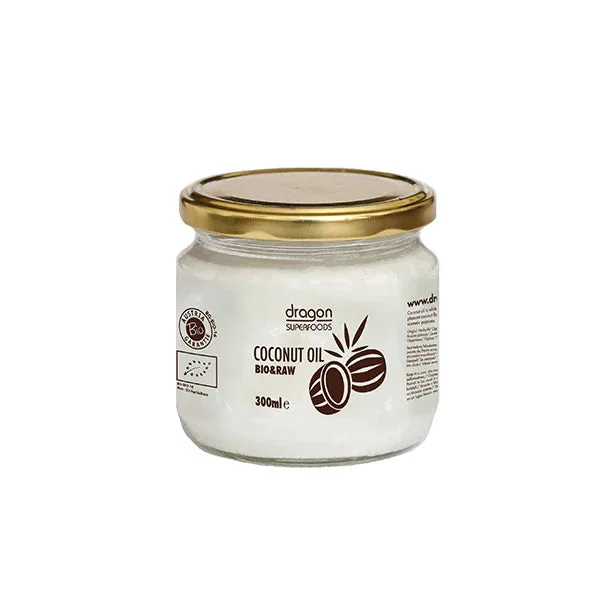
Extra Virgin Coconut Oil (300ml)
-
Refined Avocado Oil (500ml): Refined Avocado Oil (500ml) is an all-purpose oil with a high smoke point and is a versatile addition to your kitchen. Although it's avocado oil, not coconut, it serves the same role as refined coconut oil for high-heat cooking with a neutral taste.
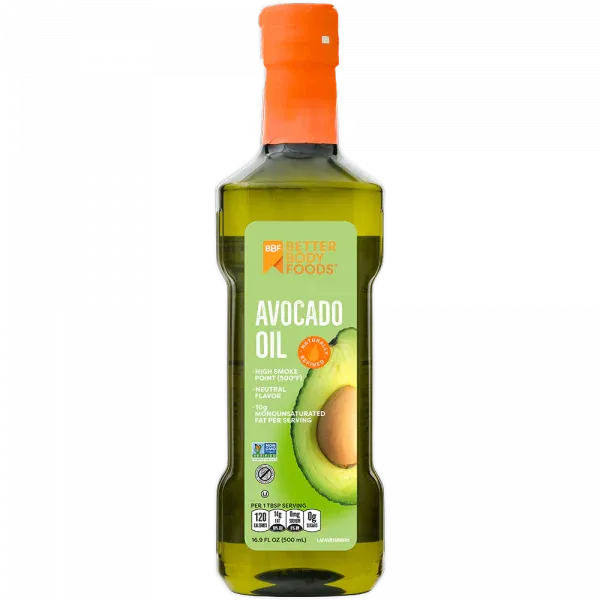
Refined Avocado Oil (500ml)
Who Should Choose Which?
Best for
- Bakers who want a subtle coconut flavor in cakes, cookies, or granola
- Home cooks who prefer a less processed oil for everyday sautéing and roasting
Not for
- High-heat frying or searing where a neutral, high-smoke-point oil is essential