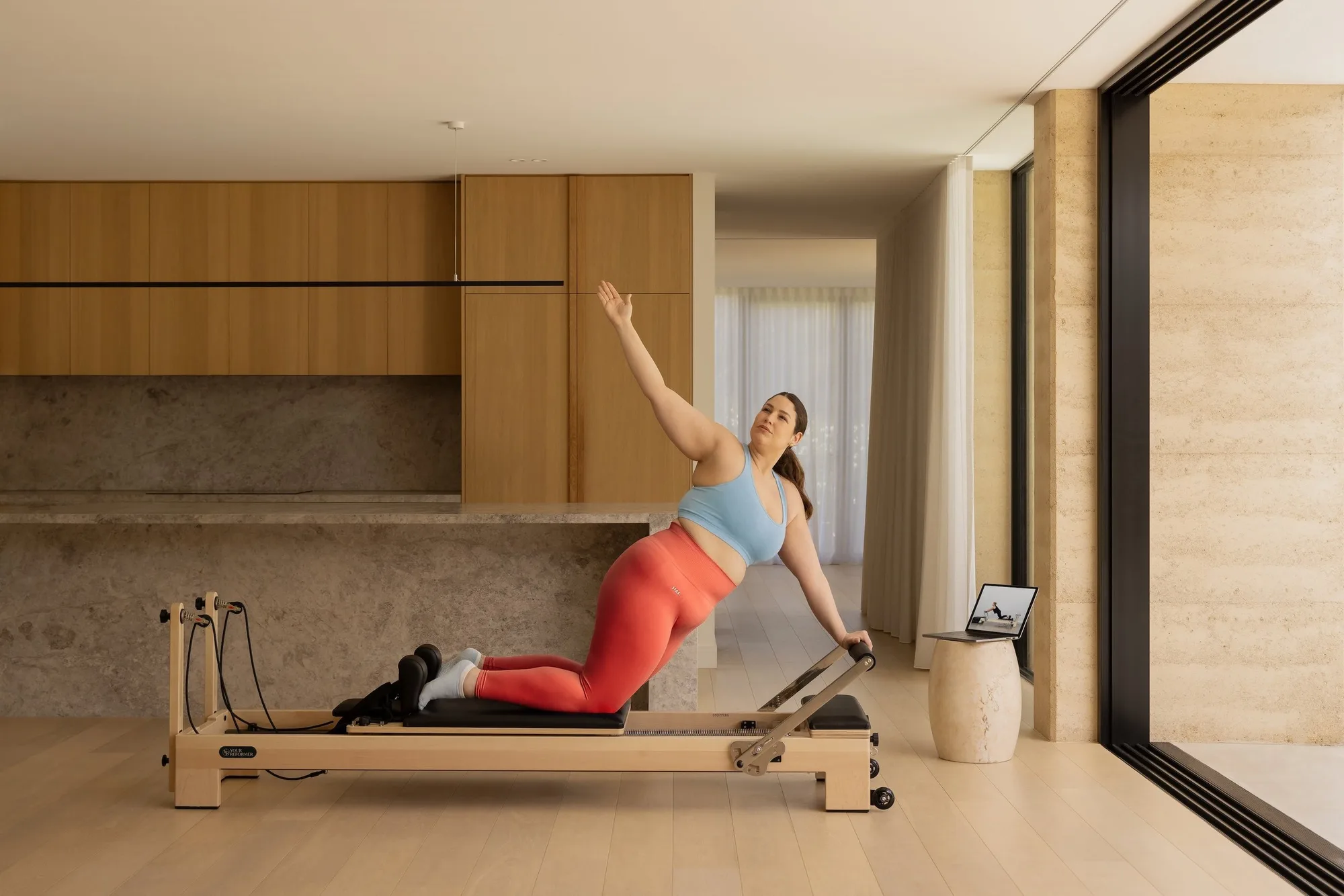
Quick Answer
For most home users, a 3/8-inch thick mat offers the best balance of cushioning and stability. Thicker mats (1/2 inch) provide more comfort for sensitive joints, while thinner mats (1/4 inch) give better proprioception for advanced exercises.
When you buy a reformer, the mat on the carriage is often overlooked. But its thickness directly affects your comfort and performance. Whether you're practicing gentle flows or intense workouts, the right mat thickness makes a difference.
This guide breaks down the trade-offs between comfort and stability so you can choose the ideal mat cushioning for your body and practice style.
Why Mat Thickness Matters
The mat on your reformer carriage cushions your spine and joints during exercises like rolling like a ball or short spine. Too thin, and you feel the hard carriage; too thick, and you lose stability for precise movements. Understanding this trade-off is key to choosing the right reformer mat thickness.
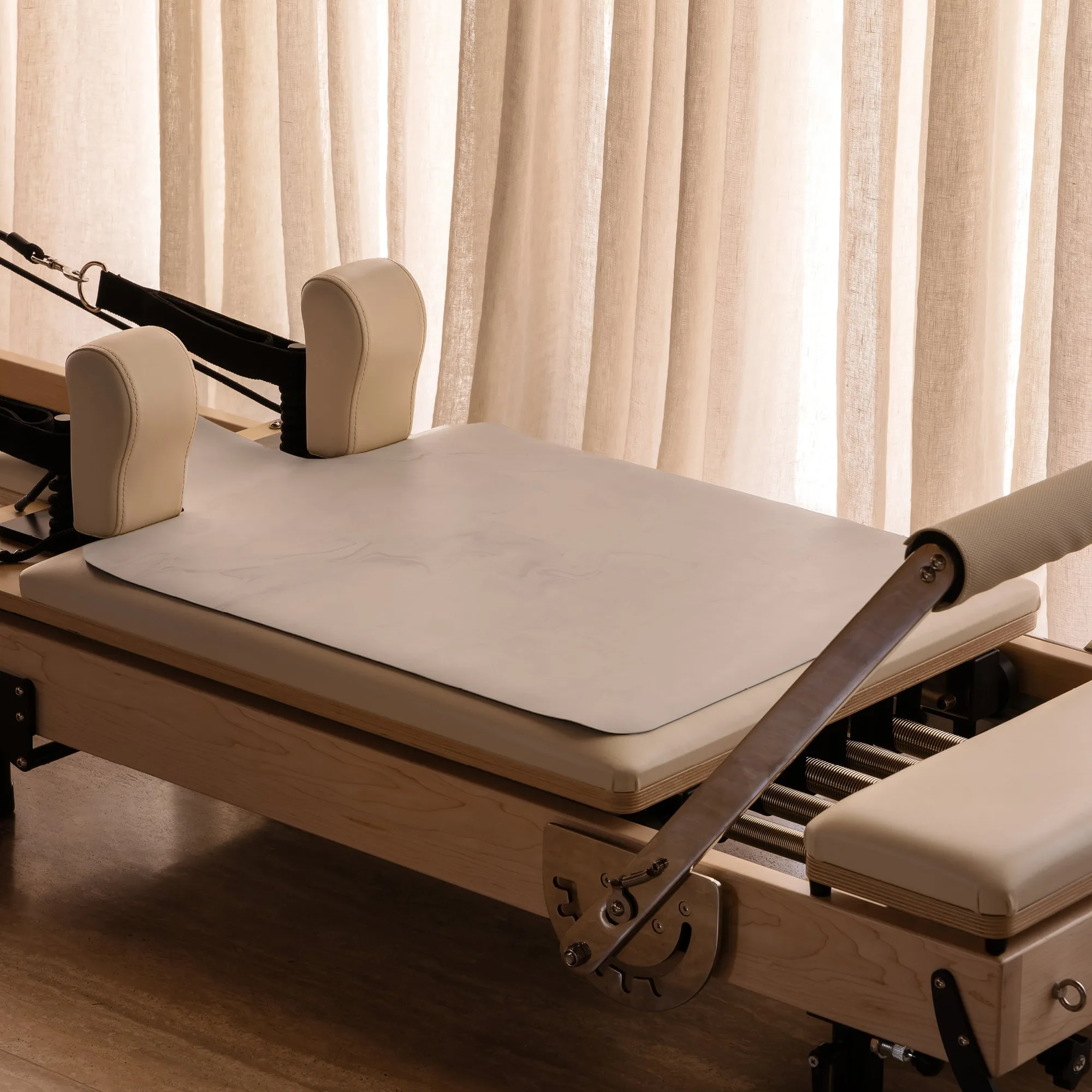
reformer mat
A well-chosen mat also affects your alignment and muscle engagement. A surface that is too soft can cause you to sink, while a very firm surface may lead to discomfort over time. The goal is to find a thickness that supports your unique anatomy and practice intensity.
- If you have sensitive knees or a history of back pain, prioritize thicker mats for extra cushioning.
Comfort vs Stability
Thicker mats (1/2 inch) excel for comfort, especially if you have sensitive joints or prefer a softer feel. They absorb shock and reduce pressure points during exercises like kneeling lunges or spine stretch forward. However, they can make balancing exercises feel less stable, which may hinder control for advanced movements.
Thinner mats (1/4 inch) offer a firm surface that enhances your connection to the reformer. This is ideal for experienced practitioners who prioritize proprioception and precise control. The trade-off is less cushioning, which can be uncomfortable during longer sessions or for those with less padding.
- For a balanced approach, start with a medium thickness (3/8 inch) and adjust based on your feedback.
Matching Thickness to Your Reformer
The type of reformer you own can influence the ideal mat thickness. Foldable reformers like The Original may work best with a thinner mat to maintain a compact fold. Commercial-grade reformers like The Studio can accommodate a range of thicknesses, so your choice can focus on personal preference.
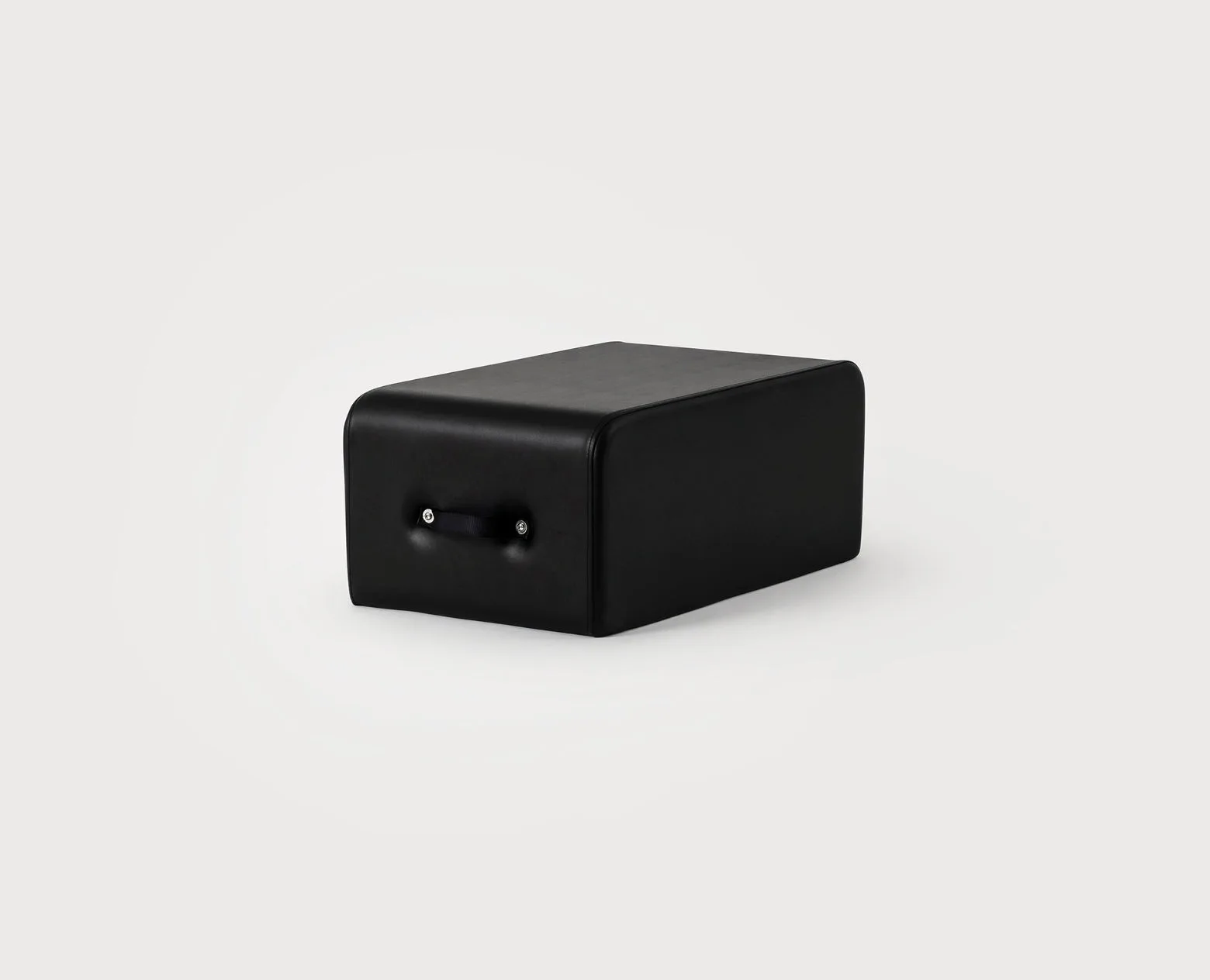
If you use accessories like the Pilates Box for stretching or strengthening, a thicker mat can provide extra cushioning under the box. Always check your reformer's manual for any thickness restrictions, especially if the carriage has a limited height clearance.
- When in doubt, consult your reformer's specifications or contact the manufacturer for guidance on mat thickness compatibility.
Decision Rules for Choosing Mat Thickness
- Comfort Priority: If you have joint sensitivity or prefer a softer feel, choose a mat thickness of 1/2 inch or more. Best for gentle sessions and recovery work.
- Stability Priority: For advanced exercises requiring precise control, a 1/4-inch mat provides a firmer surface. Ideal for athletes and experienced practitioners.
- Foldable Reformer: If your reformer folds for storage, a thinner mat helps maintain the fold mechanism. Check your reformer's manual for recommended thickness.
How Your Reformer Influences Mat Choice
- The Original: The Original is our premium foldable Pilates reformer that brings commercial-grade performance to your personal space. Its foldable design means a thinner mat helps maintain a compact storage profile, making it easier to stow away after each session.
- The Studio: The Studio reformer from Your Reformer USA is designed for those who value a dependable, versatile workout at home or in a commercial setting. Built with a focus on clean function and lasting quality. Its robust construction provides a stable platform, so you can choose mat thickness based on comfort without worrying about structural issues.
Who This Guide Is For
Best for
- Home users prioritizing comfort during practice
- Those with sensitive joints or recovering from injury
- Practitioners who do longer, slower sessions
Not ideal for
- Commercial studios requiring maximum durability and consistent feel across many users
- Advanced practitioners who need maximum stability for high-precision movements
Choosing the right reformer mat thickness ultimately depends on your body and practice style. Start with a medium thickness like 3/8 inch and adjust based on your comfort and performance feedback. A well-matched mat makes every session more enjoyable and effective.