Quick Answer
The extendable leg and stopper are critical for stable reformer setups and safe workouts. Replace them when you notice wobbling, slipping, or visible cracks. For most wear issues, genuine replacement parts from Your Reformer USA restore original performance.
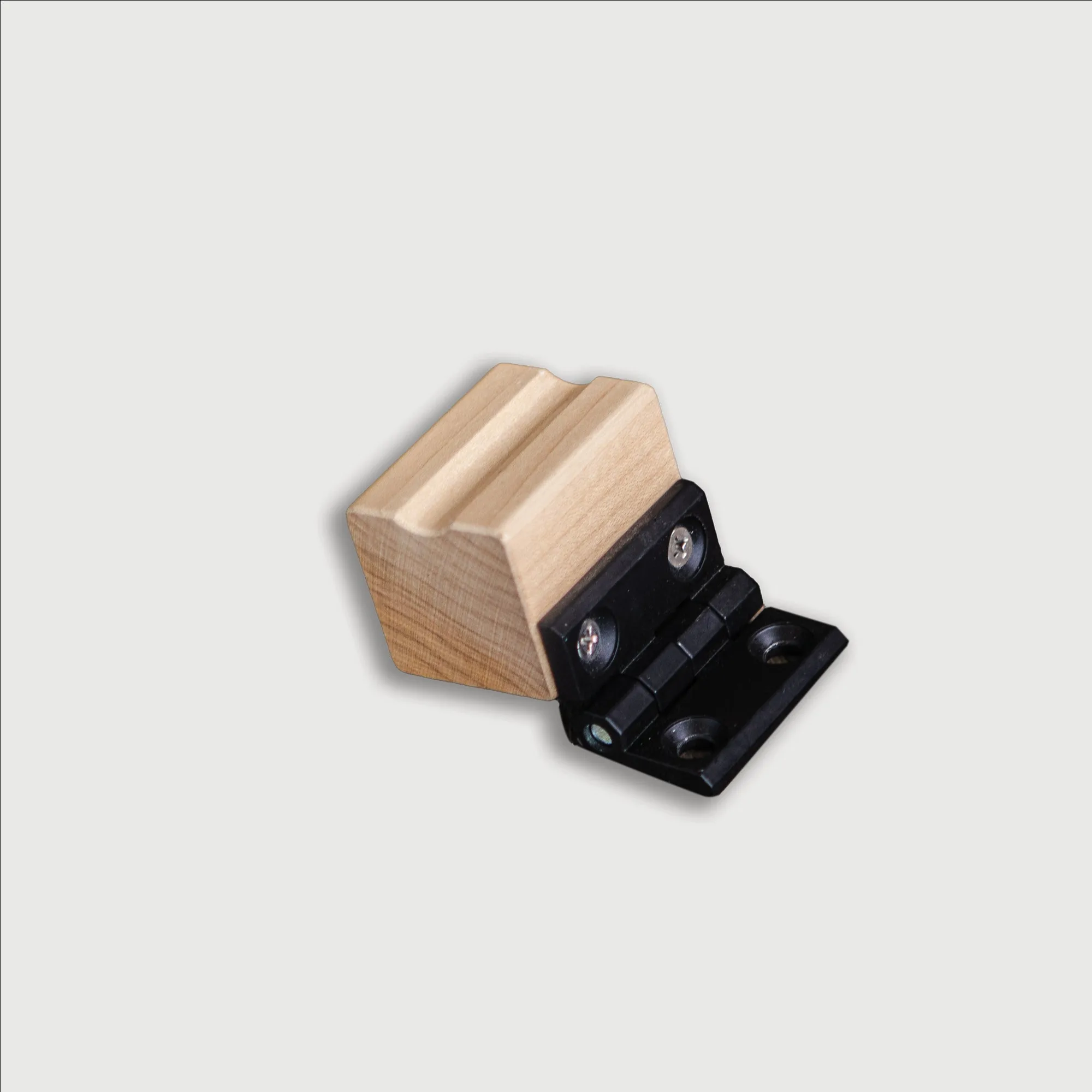
stopper
Your reformer's extendable leg and stopper may seem like small parts, but they play a big role in stability and safety. Over time, rubber stoppers compress or crack, and extendable legs can lose their grip. Below are the most common questions we hear from reformer owners about these components.
Whether you're troubleshooting a wobbly frame or just want to know when to order spares, this FAQ covers the essentials. We also highlight a key replacement part that keeps your carriage running smoothly.
How do I know if my extendable leg needs replacing?
If your reformer rocks or feels unstable during use, the extendable leg often is the culprit. Check the rubber foot at the bottom: if it's flattened, cracked, or missing, the leg can no longer grip the floor. Also inspect the threaded shaft for rust or bending. Replace the entire leg if the rubber is worn beyond a thin layer.
A loose leg that won't stay tightened is another sign. Over time, the internal threads can strip. A quick test: after tightening, try twisting the leg by hand. If it moves without resistance, replacement is due.
- Inspect the rubber foot after every 50 sessions for flattening or cracks.
What does the stopper do and when should it be replaced?
The stopper is the small rubber or plastic component that limits carriage travel and cushions the end of your springs. Without a functional stopper, the carriage can slam into the frame, causing noise and potential damage. Over time, stoppers compress and lose their shock-absorbing ability.
Replace the stopper if you hear a hard clunk at the end of a movement, or if you see visible wear like a flattened surface or missing chunks. Most reformers use a standard-sized stopper, but always check your machine's manual for exact dimensions.
- A worn stopper can also make springs feel less responsive; replace in pairs for even wear.
Can I use non-brand parts for the extendable leg or stopper?
Aftermarket parts may fit, but they often use lower-grade rubber or plastic that wears faster. For example, a generic stopper might harden and crack within months, while a genuine OEM part lasts years. The slight cost savings rarely offset the hassle of early replacement.
Stick with parts from Your Reformer USA for guaranteed compatibility and material quality. Their replacement parts are manufactured to the same specs as the originals, so you get consistent performance without adjustments.
How does the carriage wheel condition affect these parts?
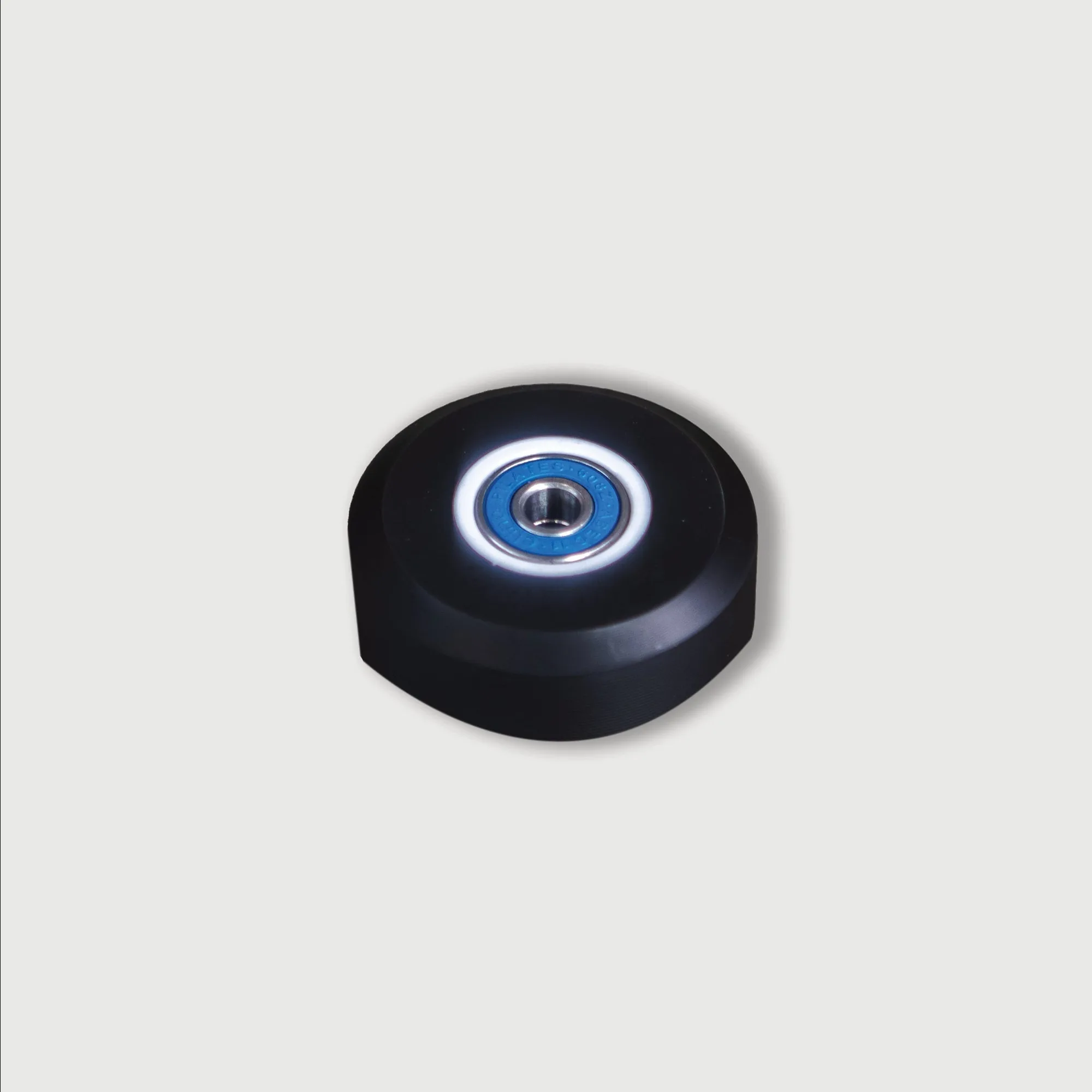
carriage wheel
A smooth-rolling carriage reduces stress on the stopper and extendable leg. When a carriage wheel starts to drag or wobble, the extra friction transfers force to the stopper and frame, accelerating wear. Replacing worn wheels is a proactive way to extend the life of other components.
The Carriage Wheel from Your Reformer USA features ball-bearing construction that keeps rotation consistent under load. If you notice your carriage is no longer gliding silently, check the wheels first before assuming the stopper or leg is failing.
- Test wheel smoothness by rolling the carriage with no springs attached; any resistance or noise signals wear.
Quick Reference: When to Act
Extendable leg replacement
Replace when the rubber foot is flattened or cracked, or if the leg won't stay tightened. Avoid using the reformer until replaced. Check the rubber foot monthly for flat spots; replace as a set if your machine has two legs.
Stopper replacement
Replace when you hear a hard clunk at the end of carriage movement or see visible compression. Always replace in pairs for balanced cushioning. Keep a spare set on hand; stoppers are inexpensive and easy to swap.
Carriage wheel inspection
Inspect wheels if you notice drag, noise, or uneven glide. A single dragging wheel can affect alignment of both stopper and leg. Test wheels every few months; replace any that do not rotate freely. Doing so protects your other parts.
Key Replacement Part
- Carriage Wheel: Your reformer's carriage is only as smooth as its wheels. When one starts to drag, catch, or make noise mid-session, the whole movement quality changes. This replacement carriage wheel gets your reformer back to the silent, fluid glide it had on day one. Each wheel is built to the same specification as the original factory part. The ball-bearing construction keeps rotation consistent under load, so your carriage... A worn carriage wheel puts extra strain on the stopper and frame. Replacing it early prevents cascading damage and maintains the smooth, quiet operation you expect from your reformer.
Staying ahead of wear on your reformer's extendable leg, stopper, and wheels keeps every session safe and smooth. Regular inspection and timely replacement with genuine parts save you money and downtime. Bookmark this FAQ for quick reference when you notice a change in your machine's feel or sound.