Quick Answer
Reach for Refresh Mist after most practices — it's the fast, low-effort option for odor, sweat residue, and everyday freshness. Switch to Mat Wash when the mat needs a real clean: visible grime, a slippery surface, or a monthly reset. Many yogis keep both, but if you practice a few times a week and always let your mat dry, a daily mat spray alone can carry you.
Most people don't need to choose between a spray and a wash forever — they need to know which one to grab right now. A yoga mat cleaner comparison usually gets framed as one product beating the other, but the honest answer is that they solve different problems at different speeds.
Here's the practical split: Refresh Mist is a yoga mat freshener you use in seconds after class, and Mat Wash is the deeper clean you use when a spray isn't enough. The trade-off is convenience versus thoroughness, and how often you cross that line depends on your practice style, how much you sweat, and how well you dry your mat.
What Each Cleaner Actually Does
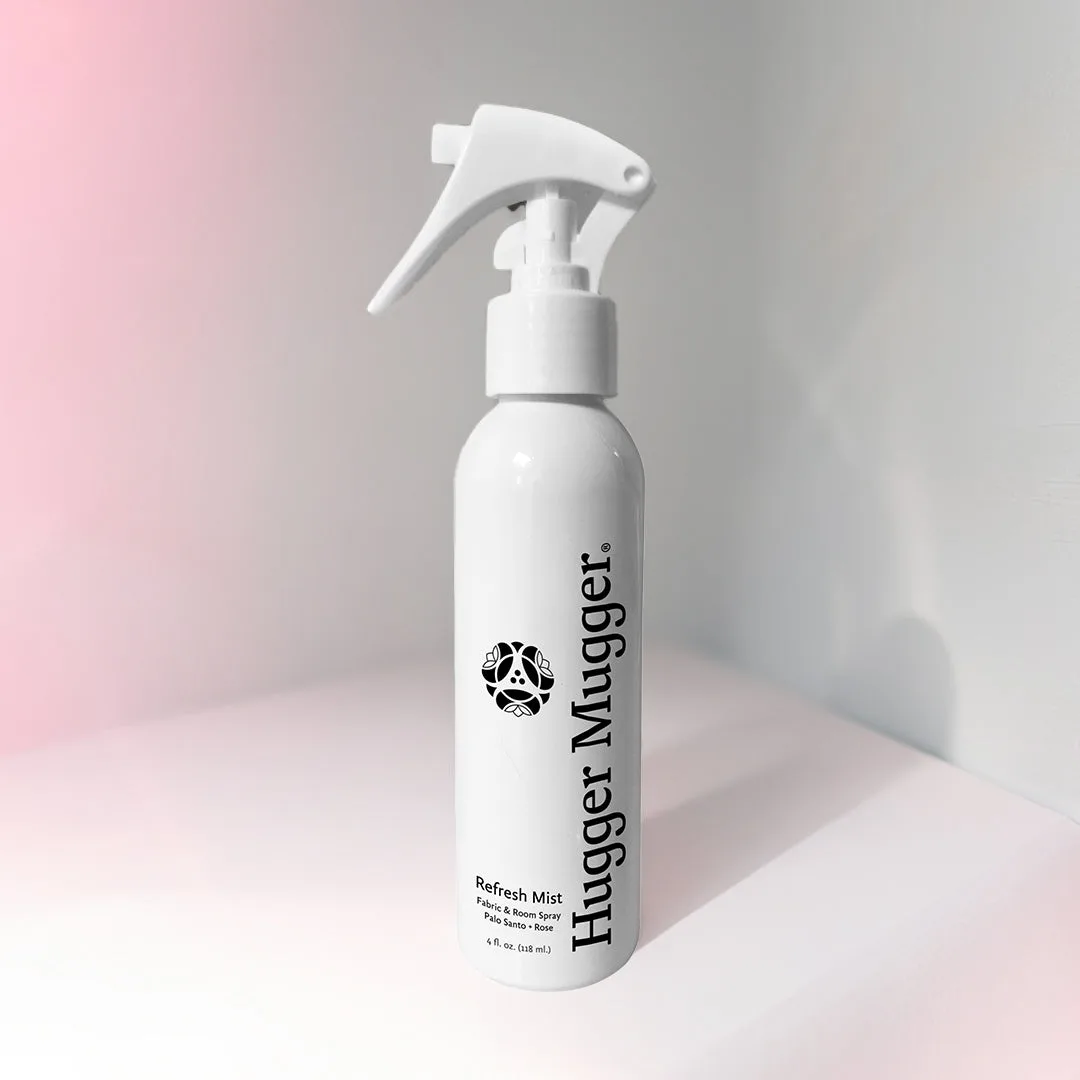
Refresh Mist is designed for the between-practice window. You spritz it across the surface, wipe, and let the mat air dry — a daily mat spray routine that takes under a minute and keeps odor from settling in. It's the right tool when your mat smells fine but you want it to stay that way, or when you've just finished a light flow and don't want to haul the mat into the shower.
Mat Wash is built for the deeper job. It's what you reach for when the surface feels slick, when sweat has dried into the texture, or when it's simply been a few weeks. A deep clean mat wash involves more contact time and a fuller rinse-and-dry cycle, which is exactly why it works better on buildup — and exactly why you won't do it every day.
- Spray-and-wipe products win on frequency; wash products win on depth.
- If your mat is only lightly used, a spray may be all you ever need.
- If your mat is shared, heavily used, or stored damp, lean toward washing more often.
The Real Trade-Off: Time vs. Thoroughness
The convenience of a spray comes with a limit: it treats the surface, not the whole mat. That's fine for odor and light sweat, but it won't lift embedded grime or restore grip that's been dulled by weeks of buildup. If you've ever sprayed a mat repeatedly and still felt it was slightly slippery, that's the ceiling of a spray-only routine showing up.
A wash takes longer and asks more of you — more wiping, more rinsing, more drying time — but it resets the mat in a way a spray can't. The catch is that overwashing isn't the goal either. Frequent heavy washing can be hard on materials and your schedule, so the smart approach is spray often, wash when needed, and let the mat fully dry either way.
- Never roll or store a mat while damp — that's how odors start.
- If a spray stops fixing the smell, that's your signal to wash.
- Match the cleaner to the mat material and follow the label directions.
How to Build a Simple Cleaning Rhythm
A workable default: spray after every practice, wash every two to four weeks if you practice regularly, and wash sooner after hot yoga, outdoor sessions, or anytime the mat was stored damp. If you rotate between mats, clean each one on its own schedule rather than treating them as a set — a travel mat used twice a month doesn't need the same cadence as your daily driver.
Storage matters as much as the cleaner. A mat that dries flat and gets aired out will stay fresher longer, which means you can lean on the spray more and wash less. Pair your cleaner with a mat bag that lets air move, and you'll get more mileage out of both products.
- Spray after practice; wash on a calendar reminder so you don't forget.
- Wash immediately after any session where the mat got soaked.
- Air-dry flat or hanging — not folded — before rolling it up.
Trade-Offs at a Glance
- Speed: Refresh Mist takes seconds; Mat Wash takes a full wipe-rinse-dry cycle. Choose the spray for daily upkeep, the wash for resets.
- Depth: A spray handles surface odor and light sweat; a wash addresses embedded grime and dulled grip. If spraying twice doesn't fix it, wash it.
- Frequency: Spraying daily is realistic; washing daily is not — and isn't necessary for most mats. Aim for spray-often, wash-every-few-weeks.
- Drying Demand: Both methods require full drying before storage; washing requires more drying time. Plan washes for days you don't need the mat immediately.
Products That Fit This Routine
- Combo Yoga Mat - Mandala Turquoise: Fuses a natural rubber base with a moisture-activated microfiber surface for grip, in an all-in-one design that avoids slippery layers. The microfiber top is the part that holds sweat and odor, so it benefits most from regular spraying and periodic washing.
- Combo Yoga Mat - Rose: Combines a natural rubber base with a moisture-activated microfiber surface, with eco-friendly materials and an all-in-one construction. Same care logic as any combo mat: spray often for freshness, wash when the surface starts to feel slick.
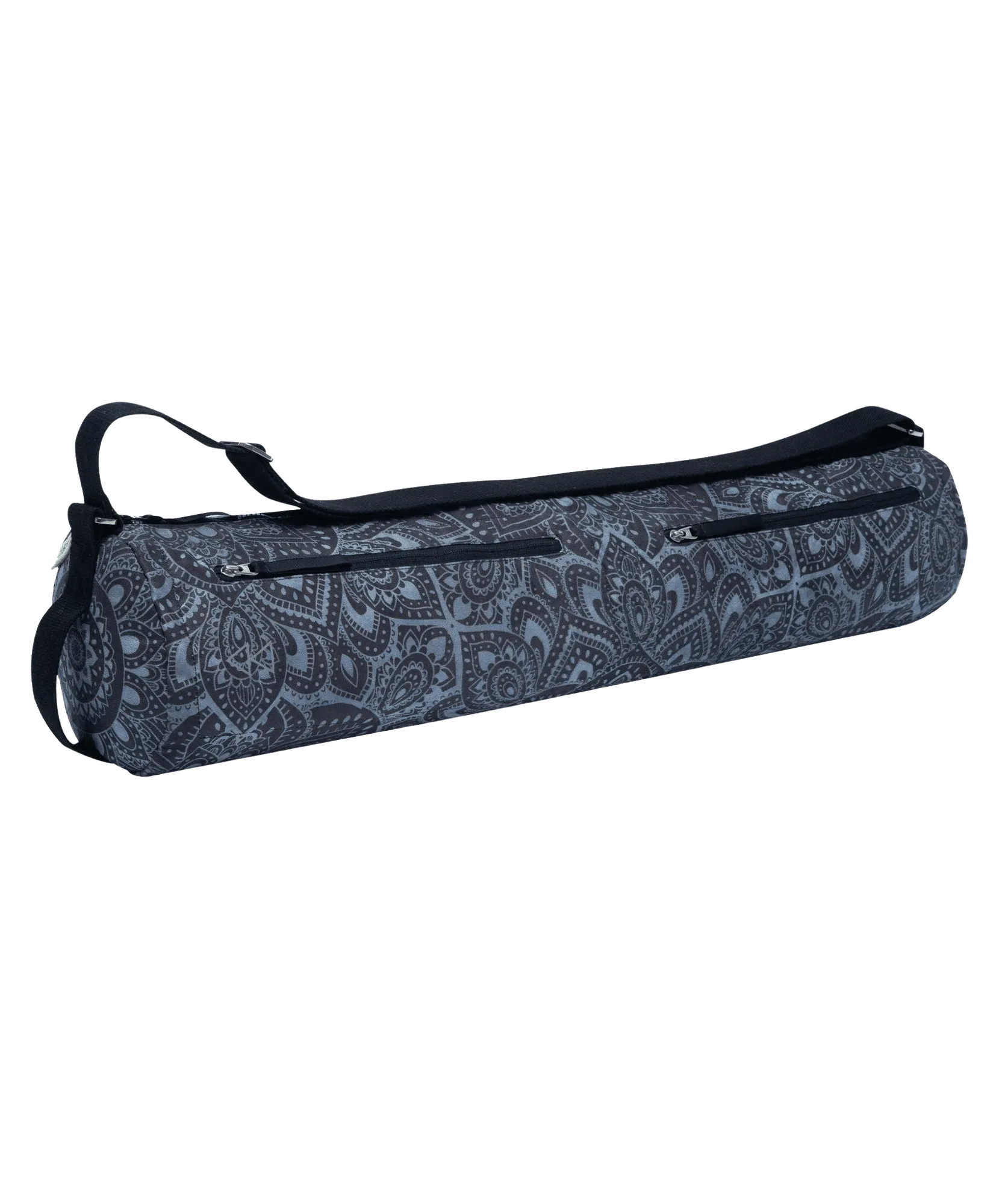
- Yoga Mat Bag: Features an adjustable strap, extra pockets, breathable fabric, and room for a mat plus extras, sized to fit most standard yoga mats. Breathable storage helps a freshly sprayed or washed mat finish drying instead of trapping moisture on the way to class.
Which Should You Buy?
Best for
- Yogis who practice several times a week and want a fast daily mat spray routine
- Anyone whose mat smells fine but needs refreshing between deeper cleans
- Travelers and studio-goers who can't wash a mat on the road
Not for
- Mats with visible grime, persistent odor, or a slick surface that needs a deep clean mat wash
- Shared or heavily used mats that need regular thorough cleaning
- Anyone looking for one product to replace all mat cleaning
Most yogis get the best results with both: Refresh Mist for the quick daily reset and Mat Wash for the periodic deep clean. If you only buy one, start with the spray if your mat is lightly used, and start with the wash if it's already overdue for a real cleaning.